
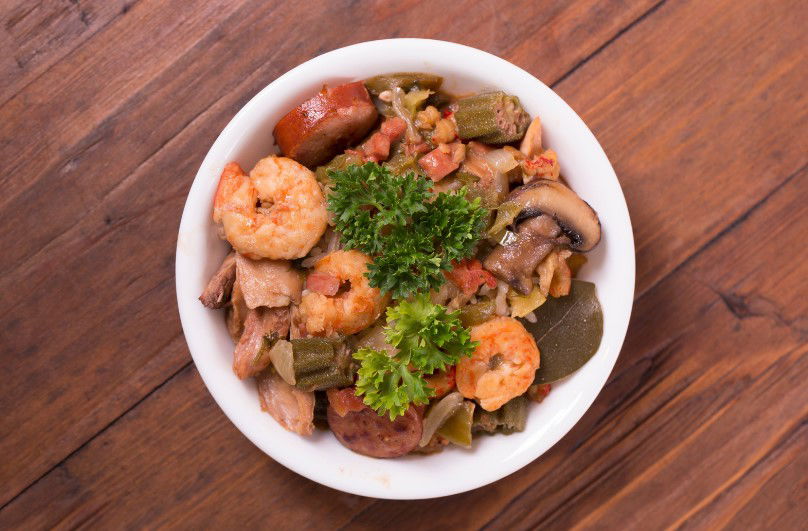
There’s an undeniable comfort and richness that comes with a steaming pot of gumbo. This iconic Southern stew, a culinary cornerstone of Louisiana, is a complex tapestry of flavors, weaving together tender meats, vibrant vegetables, and a deeply savory broth. Its robust character demands accompaniments that can either stand their ground, offering a contrasting yet complementary experience, or subtly enhance the main event without overpowering it. Choosing the right side dish is not merely an afterthought; it’s an integral part of crafting a truly satisfying gumbo meal. This exploration delves into the most beloved and effective Southern side dishes that elevate the humble bowl of gumbo into a complete culinary masterpiece.
The Essence of Gumbo: A Culinary Tradition
Before diving into the perfect pairings, it’s essential to understand the soul of gumbo. Originating from the rich culinary traditions of Louisiana, particularly its Creole and Cajun populations, gumbo is a testament to cultural fusion. Its roots can be traced back to indigenous peoples, French, Spanish, West African, and Native American influences. The name "gumbo" itself is believed to derive from the West African word for okra, a vegetable that often plays a key role in thickening the stew. The base of gumbo typically involves a "roux," a carefully cooked mixture of flour and fat that develops deep, nutty flavors and a rich, viscous consistency. The "holy trinity" of Southern cooking – onions, bell peppers, and celery – forms the aromatic foundation, while various meats, such as chicken, andouille sausage, shrimp, and crab, add layers of protein and depth. The resulting dish is a symphony of savory, sometimes spicy, and profoundly comforting flavors.
The Traditionalist’s Choice: Rice
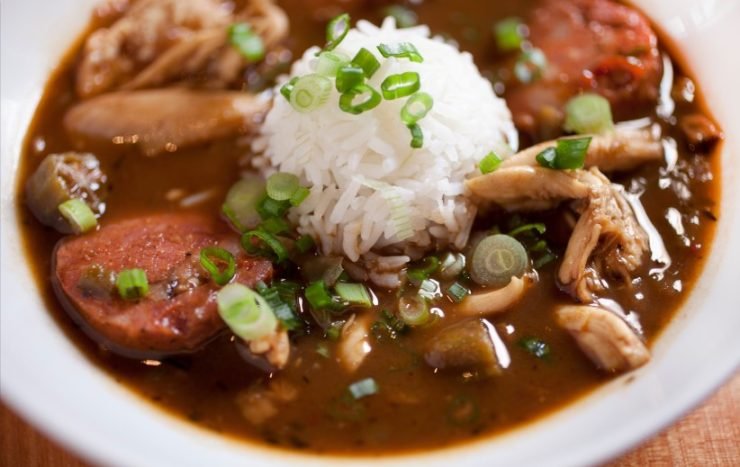
When considering the quintessential accompaniment to gumbo, white rice stands as the undisputed champion. This pairing is so ingrained in Southern culinary lore that it’s almost inseparable from the dish itself. The subtle, neutral flavor of cooked white rice serves as the perfect canvas for the complex profile of gumbo. It absorbs the rich broth beautifully, providing a satisfying textural contrast to the tender chunks of meat and vegetables.
Supporting Data: The consumption of rice in the United States has seen a steady increase, with an estimated per capita consumption of around 20 pounds annually, according to the U.S. Department of Agriculture. This widespread appreciation for rice underscores its versatility and appeal across various cuisines, including its integral role in Southern cooking.
Background Context: The prevalence of rice as a staple in the Southern diet is deeply rooted in historical agricultural practices. Louisiana, in particular, has a long history of rice cultivation, dating back to the 18th century. This abundance and cultural integration made rice a natural and affordable accompaniment to many dishes, including the hearty stews like gumbo.
Any variety of white rice will suffice, from long-grain to medium-grain. For those who prefer a slightly heartier and more nutritious option, brown rice can also be a suitable alternative, though it offers a nuttier flavor that might subtly compete with the gumbo’s nuances. The ease with which rice can be prepared, especially with the advent of modern rice cookers, makes it an ideal choice for both everyday meals and large gatherings. A rice cooker ensures perfectly fluffy, separate grains every time, a crucial element for optimal gumbo absorption. For those without a rice cooker, stovetop methods, when executed correctly, can yield equally impressive results. This straightforward approach ensures that the gumbo remains the undisputed star of the meal, while the rice provides the necessary body and satiety to make the dish truly filling, allowing it to stretch further for larger groups.
The Cooling Counterpoint: Potato Salad
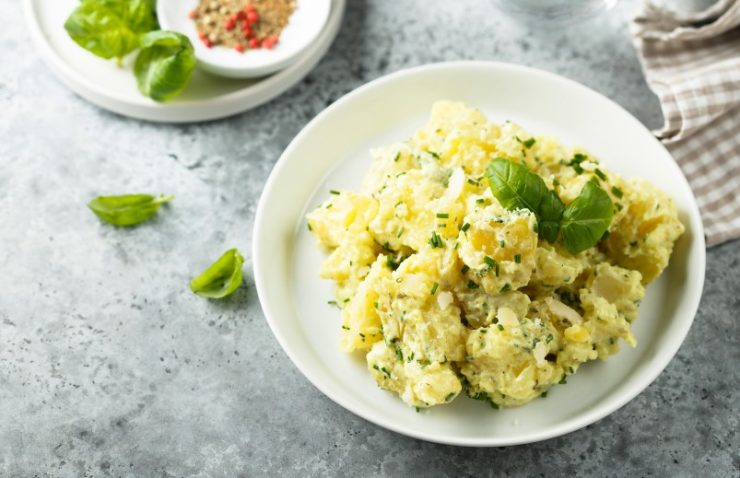
While perhaps not as universally traditional as rice, potato salad emerges as a surprisingly effective and popular pairing with gumbo, particularly when the gumbo has a pronounced spicy kick. The creamy, cool texture of a well-made potato salad offers a delightful respite from the heat of a spiced gumbo.
Analysis of Implications: The inclusion of potato salad highlights a strategic approach to balancing flavors and sensations. The rich, often mayonnaise-based dressing of potato salad, coupled with the starchy potatoes, acts as a palate cleanser, tempering the intensity of the gumbo’s spices and allowing diners to enjoy more of the complex flavors without being overwhelmed by heat.
This classic side dish is an excellent make-ahead option, a significant advantage for hosts preparing a large meal. Its ability to be prepared a day in advance and chilled ensures that on the day of serving, the host can focus on the gumbo itself. The cool, creamy mouthfeel provides a welcome contrast to the hot, stewy nature of gumbo, making each bite a harmonious blend of temperatures and textures. Opting for a Southern-style potato salad, often featuring mustard and a touch of vinegar for tang, further complements the regionality of the gumbo.
The Hearty Embrace: Cornbread
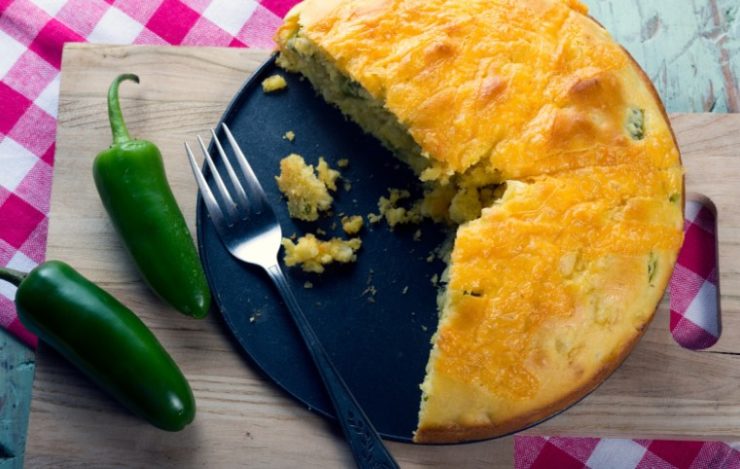
Cornbread is a beloved Southern staple that naturally finds its place alongside a hearty bowl of gumbo. Its slightly sweet, crumbly texture provides a satisfying chew and a delightful contrast to the savory richness of the stew.
Supporting Data: Cornbread is a significant component of Southern comfort food. Its versatility allows for numerous variations, from simple, no-frills recipes to more elaborate versions incorporating cheese, jalapeños, or even bacon. This adaptability makes it a universally appealing side dish.
The preparation of cornbread can range from a simple boxed mix to a scratch-made masterpiece. Many enthusiasts favor cooking cornbread in a cast-iron skillet, which not only imparts a desirable crispy crust but also allows for effortless serving directly from the pan. The beauty of cornbread lies in its inherent ability to be customized. Adding ingredients like fresh jalapeños offers a mild spicy counterpoint, while crumbled bacon or grated cheddar cheese introduces savory depth and richness. Regardless of the modifications, cornbread’s ability to be dipped into gumbo and soak up its flavorful broth makes it an exceptionally satisfying accompaniment.
The Tangy Refreshment: Bleu Cheese Wedge Salad
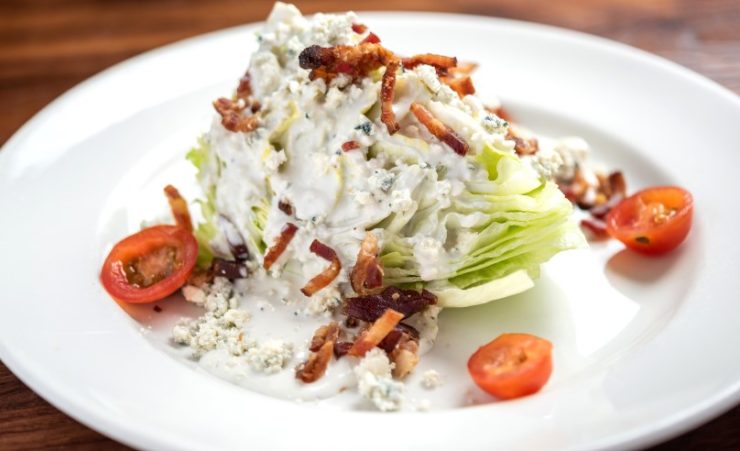
For those seeking a lighter yet equally flavorful accompaniment, a Bleu Cheese Wedge Salad offers a sophisticated contrast. The pungent, creamy nature of blue cheese, combined with the crispness of iceberg lettuce, provides a refreshing counterpoint to the richness of gumbo.
Analysis of Implications: This pairing showcases a modern approach to complementing traditional dishes. The salad’s fresh ingredients and bold flavors cut through the heaviness of gumbo, offering a palate-cleansing experience. It demonstrates that sides don’t always need to be heavy or starch-based to be effective pairings.
A classic wedge salad, typically featuring a generous crumble of blue cheese, perhaps some bacon bits, and a tangy dressing, provides a refreshing textural and flavor contrast. Its relatively quick preparation time makes it an accessible option, even for weeknight meals. The coolness of the salad, combined with the sharp, creamy tang of the blue cheese, offers a delightful sensory experience that complements the warmth and depth of gumbo without competing with its primary flavors.
The Crispy Companion: Fried Okra
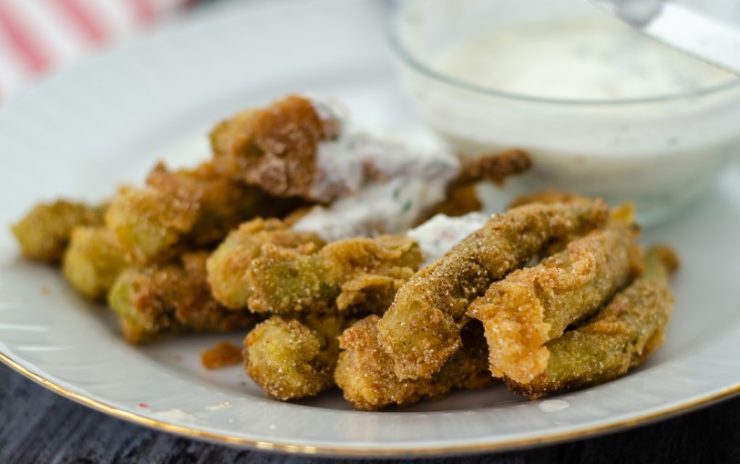
The connection between okra and gumbo is deeply historical, with the name "gumbo" itself originating from a West African word for okra. Therefore, serving fried okra alongside gumbo is not only a delicious choice but also a nod to the dish’s ancestral roots.
Background Context: Okra’s mucilaginous quality makes it an excellent natural thickener for stews and soups. Its historical significance in West African cuisine and its subsequent integration into Southern cooking underscore its importance. Serving it fried offers a textural and flavor dimension distinct from its role within the gumbo itself.
Fried okra offers a delightful crunch and a slightly earthy flavor that pairs beautifully with the savory broth of gumbo. The crispiness of the fried coating provides a textural contrast that is highly appealing. Guests can either top their gumbo with pieces of fried okra or enjoy them as a separate snack. The addition of a creamy, cooling dipping sauce, such as a garlic aioli, further enhances the appeal of fried okra, making it a perfect textural and flavorful complement to the main dish.
The Indulgent Comfort: Creamed Corn
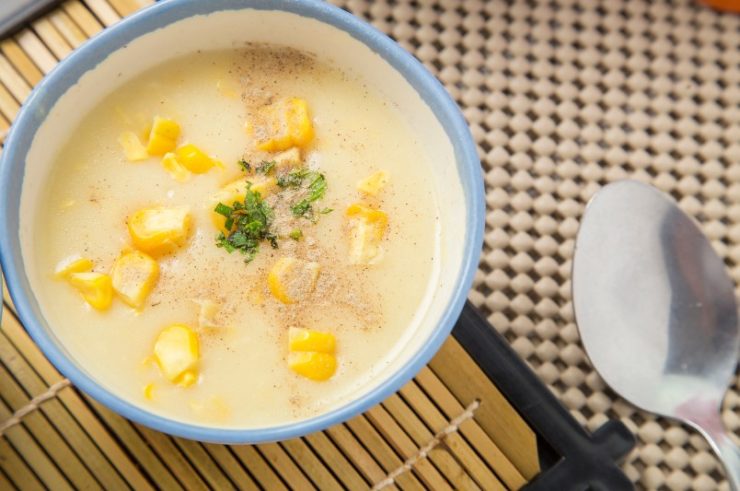
Southern-style creamed corn, characterized by its rich, buttery, and creamy texture, offers a comforting and palate-pleasing accompaniment to gumbo. The inherent richness of butter and cream in this dish acts as a natural soother for any spiciness in the gumbo.
Analysis of Implications: Creamed corn represents a comforting and indulgent pairing. Its smooth texture and rich flavor profile provide a gentle counterpoint to the often robust and complex flavors of gumbo. It adds another layer of richness and satisfaction to the overall meal.
This side dish can be enjoyed on its own or spooned directly onto the gumbo, allowing its creamy sweetness to meld with the savory broth. It doesn’t overpower the gumbo but rather acts as a delectable partner, enhancing the overall dining experience. The simple yet profound flavors of well-prepared creamed corn make it a welcome addition to any gumbo spread.
The Substantial Base: Fluffy Baked Potatoes
A perfectly cooked baked potato, with its crispy, salty skin and fluffy, steaming interior, provides a substantial and versatile base for gumbo. This inexpensive yet satisfying option is ideal for feeding a crowd and ensuring no one leaves the table hungry.
Supporting Data: Potatoes are a globally significant food crop, providing a vital source of carbohydrates and various nutrients. Their adaptability in cooking methods, from boiling and mashing to baking and frying, makes them a staple in cuisines worldwide. The "double-baking" technique, often employed for achieving the perfect baked potato, involves an initial bake to soften the interior, followed by a second bake after seasoning and buttering to crisp the skin.
The method of preparation for a baked potato can significantly enhance its appeal. A double-baked potato, with its intensely crispy skin and exceptionally soft, pillowy interior, is a culinary delight. This can be served simply split open with butter, allowing guests to spoon gumbo directly on top, or it can be transformed into a loaded side dish with toppings like shredded cheese, bacon bits, chives, and sour cream. This adaptability makes the baked potato a flexible and crowd-pleasing choice.
The Zesty Crunch: Coleslaw
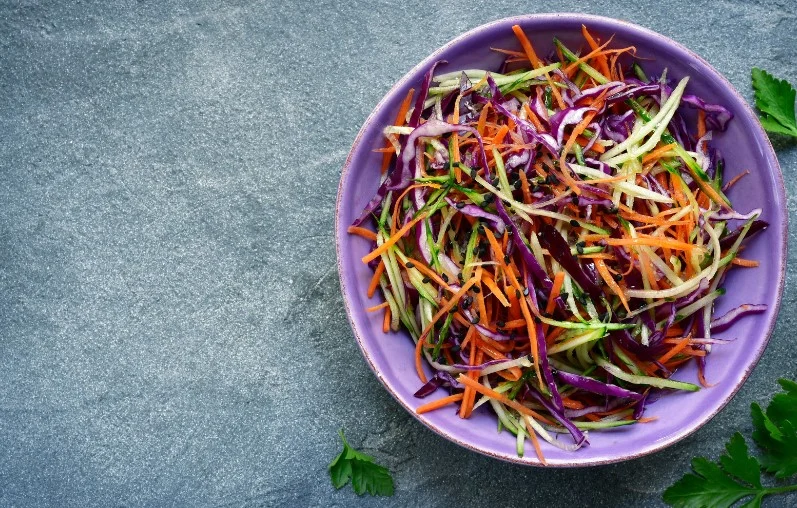
A classic coleslaw, with its refreshing crunch and tangy dressing, offers a bright and zesty counterpoint to the richness of gumbo. The combination of shredded cabbage, a creamy or vinaigrette-based dressing, and a medley of spices creates a vibrant side dish.
Analysis of Implications: Coleslaw serves as a prime example of a side dish that provides textural contrast and a refreshing acidic element. The crispness of the cabbage cuts through the richness of the gumbo, while the tanginess of the dressing awakens the palate.
This is another excellent make-ahead option, allowing for preparation in large batches. The satisfying crunch of the cabbage, combined with the creamy or vinegary dressing, provides a lively contrast to the soft textures of gumbo. It’s a simple yet effective way to balance the meal, offering a burst of freshness with every bite.
Frequently Asked Questions
What kind of bread goes with gumbo?
Beyond the commonly served rice, a variety of breads make excellent partners for gumbo. Warm, fluffy cornbread, either classic or with added ingredients like jalapeños or cheese, offers a slightly sweet and crumbly texture that absorbs the rich broth beautifully. Soft, buttery biscuits provide a tender and yielding base for the stew. For a slightly more refined option, a soft yeast roll, with its delicate chew, can also be a delightful accompaniment. Each bread offers a different textural experience, allowing diners to customize their gumbo enjoyment.
Does jambalaya go with gumbo?
While both gumbo and jambalaya are iconic Louisiana dishes, they are generally not served together. They share many common ingredients and flavor profiles, and serving both would result in a somewhat redundant culinary experience. Jambalaya is a rice dish where the rice is cooked directly with the meats, vegetables, and seasonings, making it a complete meal in itself. Gumbo, on the other hand, is a stew typically served with a side of rice. Therefore, it is best to choose one or the other as the main focus of a meal to allow each dish’s unique characteristics to shine.
In conclusion, the art of pairing sides with gumbo lies in understanding the interplay of flavors, textures, and temperatures. Whether one opts for the traditional simplicity of rice, the cooling creaminess of potato salad, the hearty comfort of cornbread, or the refreshing zest of coleslaw, each choice contributes to a more complete and enjoyable gumbo experience. These Southern sides are not mere afterthoughts but integral components that transform a delicious stew into an unforgettable culinary celebration.