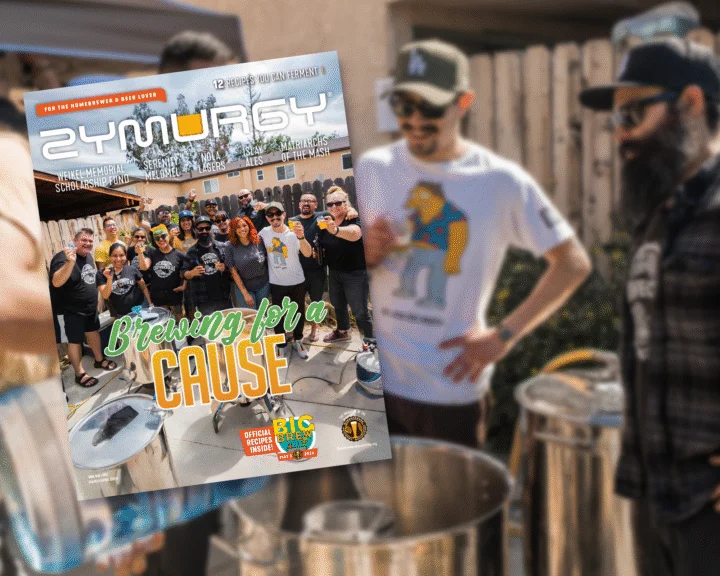

The American Homebrewers Association (AHA) has officially released the March/April 2026 edition of Zymurgy, its flagship publication, marking a significant editorial focus on the concept of the "pivot" within the amateur and professional brewing communities. As the craft beverage industry navigates an era defined by volatile climate patterns, fluctuating economic pressures, and a rapidly shifting cultural appreciation for fermented beverages, the latest issue serves as both a practical guide and a historical record of how brewers are adapting to a new global reality. This installment arrives at a time when the homebrewing hobby is increasingly seen not just as a pastime, but as a critical laboratory for sustainability and innovation in the broader beverage sector.
The Theme of the Pivot: Adaptation in a Changing Climate
The central thesis of the March/April 2026 issue revolves around the necessity of adaptation. Editor-in-Chief Dave Carpenter and his editorial team have curated a series of features that address how brewers are responding to the dual pressures of environmental change and economic instability. In the mid-2020s, the brewing industry has faced unprecedented challenges, including the rising costs of malted barley due to drought conditions in key growing regions and the logistical complexities of sourcing specialty hops.

The "pivot" described in this issue is multifaceted. It encompasses technical adjustments in the brewhouse—such as the adoption of water-saving technologies and the use of drought-resistant grain varieties—as well as philosophical shifts in how beer is marketed and consumed. As consumer preferences move toward lower-alcohol options and more localized production, homebrewers are leading the charge in exploring heritage grains and alternative fermentation agents that require fewer resources to produce.
Community and Legacy: The Stoney Creek Homebrewers Weikel Memorial Scholarship
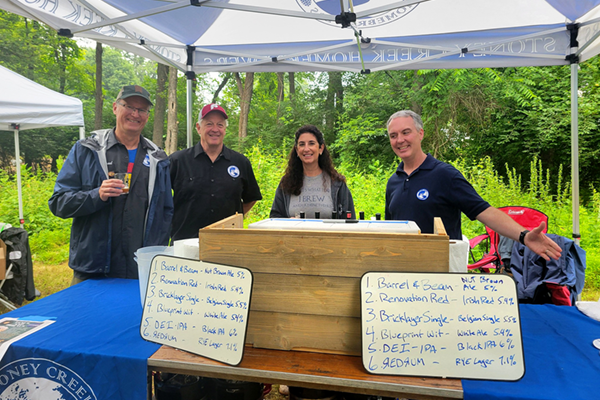
A cornerstone of this issue is the feature by Josh Weikert detailing the Stoney Creek Homebrewers’ Weikel Memorial Scholarship Fund. Founded in 2007 in Philadelphia, the Stoney Creek Homebrewers club has long been a pillar of the East Coast brewing scene, emphasizing education and community service. The article explores the tragic impetus behind the scholarship’s creation and its subsequent role in fostering the next generation of brewing talent.
The scholarship represents a broader trend within the American Homebrewers Association toward institutionalizing support for brewing education. By providing financial assistance to those pursuing professional certifications or degrees in fermentation science, the fund ensures that the technical knowledge honed in garages and basements is preserved and professionalized. This initiative highlights the "giving back" ethos that has defined the AHA since its founding by Charlie Papazian in 1978, reinforcing the idea that the homebrewing community is a vital pipeline for the professional craft beer industry.
Historical Restoration: Reclaiming the Legacy of Women in Brewing
In a significant contribution to brewing historiography, the March/April issue includes a deep dive into the overlooked history of women in the brewhouse. For centuries, brewing was primarily a domestic task managed by women, known as "brewsters." However, as brewing transitioned from a household chore to a commercial industry during the Industrial Revolution, the contributions of women were systematically minimized or erased from the historical record.
This feature provides a global portrait of the "Matriarchs of Brewing," tracing their influence from the alewives of medieval Europe to the indigenous women of the Americas and Africa who have maintained traditional fermentation practices for millennia. By highlighting these figures, Zymurgy aims to correct the narrative that brewing is a historically male-dominated field, instead presenting it as a universal human endeavor that has been sustained by female labor and expertise for the majority of its existence.
Regional Spotlights: From New Orleans Lagers to Islay Ales
The issue also offers extensive geographic coverage, beginning with a report on the evolving beer culture of New Orleans. Traditionally known as a "lager desert" where only a few established brands like Abita held sway, New Orleans has seen a dramatic shift over the last five years. The article explores how a new wave of brewers is embracing lager styles, utilizing modern refrigeration and filtration techniques to produce crisp, clean beers that are uniquely suited to the city’s humid subtropical climate.

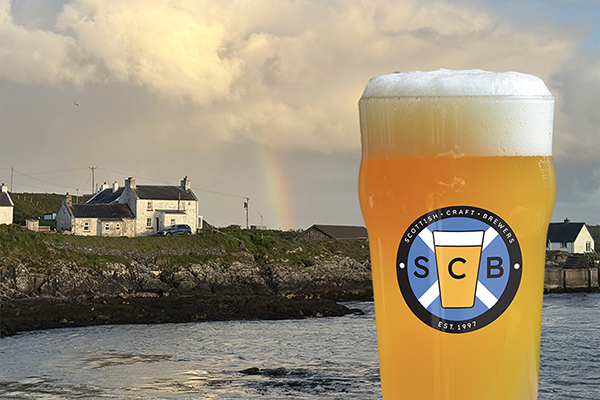
Expanding the international scope, the publication travels to the island of Islay in Scotland. While Islay is synonymous worldwide with peated Scotch whisky, the March/April issue explores the burgeoning craft beer scene on the island. Inspired by the Scottish Craft Brewers homebrew club, figures like Donald MacKenzie and Mackay Smith are carving out a niche for Islay Ales. Their work represents a fascinating intersection of traditions, as they incorporate local ingredients and take inspiration from the island’s rich distillation history to create beers that offer a distinct sense of place.
Indigenous Fermentation and Climate Resilience
In one of the more provocative features of the issue, contributor Art Fitzsimmons explores the fermenting spirits of the indigenous peoples residing in the hottest regions of North America. As climate change increases the frequency and intensity of heatwaves, the practices of these communities offer vital lessons in resilience. Fitzsimmons details how these groups have historically fermented hardy desert flora, such as agave, prickly pear, and mesquite, creating beverages that thrive in inhospitable conditions.
This exploration is not merely a cultural study but a technical one. By understanding the yeast strains and fermentation temperatures used in these arid climates, modern homebrewers can learn to produce high-quality beverages without the need for energy-intensive temperature control systems. This "low-tech" approach is a key component of the issue’s overarching theme of the pivot, suggesting that the future of brewing may lie in reclaiming ancient, heat-tolerant techniques.

Supporting Data: The Economic Impact of Homebrewing
To provide context for these stories, the March/April issue includes data regarding the current state of the homebrewing hobby. According to recent surveys by the American Homebrewers Association, there are an estimated 1.1 million homebrewers in the United States alone. These enthusiasts contribute approximately $700 million annually to the economy through the purchase of ingredients, equipment, and educational materials.
Furthermore, the data suggests a significant shift in demographics. Over the past decade, the percentage of homebrewers who identify as women or people of color has increased by nearly 15%, reflecting a more inclusive environment that mirrors the diverse stories featured in the current issue. This demographic expansion is cited by analysts as a primary reason for the continued innovation in the hobby, as new participants bring varied culinary traditions and perspectives to the craft.
Technical Excellence: Twelve New Validated Recipes
True to its mission of providing actionable resources, Zymurgy includes 12 new, validated recipes in this edition. These recipes are designed to reflect the "pivot" theme, featuring styles that range from climate-resilient ales using kveik yeast—which can ferment at high temperatures without producing off-flavors—to low-intervention lagers and beers utilizing upcycled ingredients.

Each recipe has been tested for accuracy and reproducibility, ensuring that members of the AHA can achieve professional-grade results in a home setting. The inclusion of these recipes underscores the magazine’s role as an educational tool, helping brewers of all skill levels refine their techniques while experimenting with new flavor profiles and sustainable brewing practices.
Leadership and Vision
The March/April 2026 issue is overseen by Editor-in-Chief Dave Carpenter, who has led the publication since 2019. With a background in both linguistics and professional brewing, Carpenter has steered Zymurgy through a period of significant digital and cultural transformation. His editorial philosophy emphasizes the "geeky" technical details of brewing while remaining accessible to newcomers.
"The pivot isn’t just about survival; it’s about thriving in a new context," Carpenter notes in his editorial correspondence. "Whether it’s a homebrew club in Philly or a commercial start-up in the Hebrides, the common thread is a passion for the process and a willingness to change when the world demands it."
Conclusion: The Broader Impact of the 2026 Pivot
As the March/April 2026 issue of Zymurgy reaches subscribers, its impact is expected to resonate beyond the immediate homebrewing community. By documenting the intersection of history, climate science, and community activism, the publication reinforces the idea that brewing is a vital part of the global cultural fabric. The "pivot" described within its pages is a microcosm of the larger adaptations required of society in the face of 21st-century challenges.
Through its combination of rigorous technical instruction and deep-form journalism, Zymurgy continues to uphold its reputation as the "journal of the American Homebrewers Association." As the industry looks toward the remainder of 2026 and beyond, the lessons of resilience and adaptation found in this issue will likely serve as a blueprint for brewers worldwide, proving that even in a changing climate, the spirit of fermentation remains a constant force for innovation and community.