
In an era increasingly dominated by digital solutions and smart technology, a return to foundational principles of household management, exemplified by a meticulously crafted, paper-based grocery list, is demonstrating remarkable efficacy in streamlining domestic operations, mitigating food waste, and fostering a more efficient lifestyle for modern families. This system, developed and refined over six years, offers a compelling counter-narrative to the prevailing digital-first approach, emphasizing the practical advantages of a tangible, adaptable tool for weekly meal planning and procurement.
The Genesis of a System: Six Years of Refinement
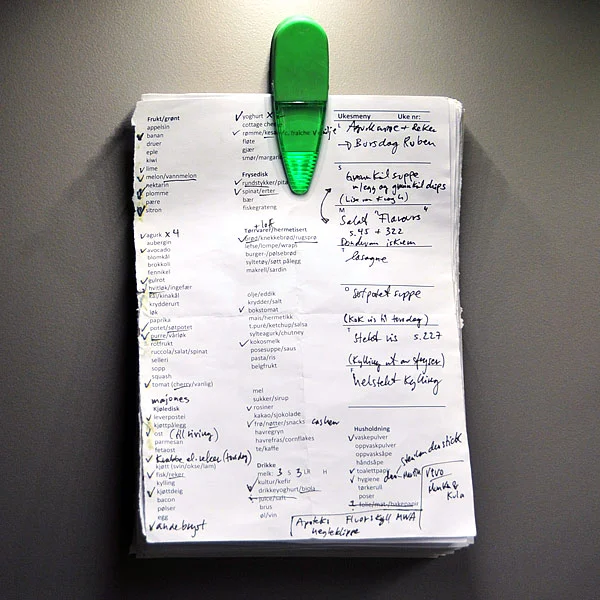
The core of this innovative approach lies in a generic, pre-populated grocery list, systematically organized by food categories and mirroring the physical layout of a local supermarket. This design is not arbitrary but the result of continuous refinement spanning over six years, meticulously adjusted to reflect evolving family dietary preferences, seasonal availability, and the specific inventory of frequented stores. The proprietor, experiencing a significant hiatus from regular online content creation due to personal commitments, nonetheless maintained a rigorous commitment to culinary pursuits, attributing this sustained activity directly to the implementation of this robust planning methodology. The system’s longevity and adaptability underscore its pragmatic value, serving as a testament to the power of structured planning in navigating the complexities of contemporary family life.
Initially conceived as a simple means to prevent starting from scratch each week, the list evolved into a comprehensive framework. It features ample space for weekly tick-offs, specific item annotations, and additions not typically found on the generic template, ensuring flexibility without sacrificing structure. This iterative development process, involving regular reviews of past weeks’ lists, allows for dynamic adjustments, reflecting changes in household demographics – such as items entering the list during early childhood and subsequently being removed as children grow – and adapting to new culinary interests or dietary requirements. This continuous improvement mechanism ensures the list remains perpetually relevant and optimized for the family’s current needs, illustrating a living document rather than a static artifact.
Beyond Digital: The Enduring Case for Paper-Based Efficiency
While the market is saturated with a myriad of digital grocery list applications promising convenience and integration, proponents of this system staunchly advocate for the unparalleled benefits of a paper-based format. The argument hinges on several key advantages:
- Superior Overview and Resolution: A physical A5-sized sheet of paper, when properly designed, offers an immediate, comprehensive overview of the entire weekly menu and shopping list. This "superb resolution," as described by users, minimizes the need for scrolling, swiping, or navigating through multiple screens, a common frustration with digital interfaces. The ability to see all information at a glance facilitates quicker decision-making and reduces the likelihood of oversight.
- Portability and Accessibility: A folded paper list slips effortlessly into a pocket, remaining accessible without reliance on battery life, network connectivity, or device unlocking. This fundamental reliability ensures the list is always available, regardless of technical glitches or environmental factors. In contrast, a drained phone battery or a poor signal can render a digital list inaccessible, introducing friction into the shopping experience.
- Tactile Interaction and Note-Taking: The physical act of ticking off items provides a tactile satisfaction and reinforces engagement with the task. Furthermore, the inherent flexibility of paper allows for spontaneous annotations, cross-outs, or the use of the reverse side for additional notes, offering an intuitive freedom that digital platforms often struggle to replicate without adding complexity. This adaptability supports a more fluid and responsive shopping process, allowing for real-time adjustments based on in-store availability or unexpected needs.
Studies on cognitive processing suggest that engaging with physical documents can sometimes lead to better retention and comprehension compared to digital equivalents, potentially enhancing the effectiveness of a paper list in a busy shopping environment. The absence of digital distractions, such as notifications or the temptation to browse other apps, further concentrates focus on the task at hand, potentially reducing shopping time and improving accuracy.
Strategic Planning: Integrating Menus and Shopping
A pivotal feature of this system is the integration of the weekly menu directly onto the grocery list. This synergy provides multiple layers of efficiency and reinforcement:
- Cohesive Meal and Procurement Strategy: By planning meals for the entire week simultaneously with generating the shopping list, households can ensure all necessary ingredients are procured in a single trip, eliminating ad-hoc purchases and reducing mid-week dashes to the store. This holistic approach supports more consistent adherence to dietary goals and reduces impulse buying.
- Enhanced Memory Recall: The menu serves as a continuous reminder during the shopping process. A quick glance at the planned dishes can often trigger recollection of forgotten items or specific ingredient details, effectively serving as a secondary verification mechanism. For recipes sourced from cookbooks, simply noting a page number suffices, leveraging existing familiarity with culinary resources.
- Mitigating "Tidsklemma": This system directly addresses the phenomenon known in Norwegian as "tidsklemma," a term encapsulating the chronic time pressure experienced by individuals balancing full-time employment, family obligations, and personal aspirations. While lacking a direct English equivalent, "the time squeeze" or "the time crunch" conveys the essence. For many, the luxury of spontaneous, inspiration-driven cooking based on daily cravings or in-store specials is simply unattainable. A pre-planned menu and grocery list act as a crucial time-saving mechanism, freeing up mental bandwidth and enabling consistent home cooking despite demanding schedules. Research indicates that structured meal planning can save individuals several hours per week, translating into more quality time for family, leisure, or rest.
Economic and Environmental Dividends: Reducing Waste and Cost
The implications of adopting such a meticulously planned shopping system extend far beyond mere convenience, yielding significant economic and environmental benefits.
- Reduced Food Waste: Unplanned shopping is a primary driver of household food waste. Impulse purchases of perishable items that do not fit into a coherent meal plan frequently lead to spoilage. By aligning purchases directly with a weekly menu, the system ensures that nearly all procured ingredients are utilized. According to the Food and Agriculture Organization (FAO), roughly one-third of the food produced globally for human consumption is lost or wasted. At the household level, this often translates to hundreds of dollars worth of food discarded annually. Planned shopping, by focusing on necessity, can drastically reduce this figure.
- Cost Savings and Budget Adherence: A predefined grocery list acts as a powerful tool for budget management. It minimizes unplanned purchases and impulse buys, which are often higher-margin items or non-essentials. By sticking to a list, consumers are less susceptible to supermarket marketing tactics designed to encourage additional spending. Studies have shown that households employing meal planning and comprehensive grocery lists can save an average of 10-20% on their weekly food expenditures, translating into substantial annual savings that can be redirected to other financial goals.
- Environmental Impact: The reduction in food waste has a direct positive impact on the environment. Less food going to landfills means a reduction in methane gas emissions, a potent greenhouse gas. Furthermore, the resources (water, energy, land) used to produce, transport, and process wasted food are conserved. Adopting this system contributes to a more sustainable consumption pattern, aligning individual actions with broader ecological responsibilities.
Adaptability and Customization: A Universal Framework
While the initial template is highly personalized, reflecting the specific habits and preferences of its creator’s family, its underlying organizational principles are universally adaptable. The core concept—categorizing items, aligning with store layouts, and providing space for customization—can be readily applied by any household. The availability of the template in various formats (Norwegian A4, English A4, and Legal sizes) underscores its intended widespread applicability, inviting users to download, modify, and integrate it into their own routines. This fosters a sense of community and shared problem-solving, as individuals are encouraged to further refine and share their adaptations. The enduring truth is that no two households will ever develop identical lists, highlighting the profoundly personal nature of effective household management tools.
The Iterative Process: Continuous Improvement and Archiving
A key component of the system’s longevity and effectiveness is its built-in mechanism for continuous improvement. The practice of printing multiple copies (e.g., 10 or 20 at a time) and then reviewing the last few weeks’ lists when reprinting serves as a vital audit process. This archival method allows for:
- Trend Identification: Users can identify recurring needs, seasonal shifts in consumption, or items that are consistently added or deleted, providing empirical data for refining the generic template.
- Lifestyle Reflection: The list becomes a dynamic mirror of the family’s life stage. The example of items being added when children are young and subsequently removed as they grow illustrates how the system naturally evolves with the household’s lifecycle. This organic adaptation ensures the list remains relevant and prevents it from becoming an outdated relic.
- Proactive Adjustment: Instead of reacting to immediate needs, the review process encourages proactive adjustments to the master list, embedding efficiency into the very foundation of weekly planning.
This methodical, almost scientific, approach to grocery list management elevates it beyond a simple checklist, transforming it into a strategic planning instrument that continuously optimizes itself based on real-world usage data.
Expert Perspectives on Household Management
Experts in consumer behavior and household economics frequently emphasize the critical role of structured planning in achieving financial stability and reducing stress. Dr. Anya Sharma, a sociologist specializing in family dynamics, notes, "In an increasingly complex world, tools that simplify daily tasks like grocery shopping are invaluable. They free up cognitive resources for more demanding responsibilities and foster a greater sense of control over one’s life. The digital versus paper debate often misses the point: the effectiveness lies in the system’s design and its ability to integrate seamlessly into a user’s lifestyle." Financial advisors often recommend meal planning as a foundational step for budgeting, citing its direct impact on discretionary spending and potential for significant savings over time. The "tidsklemma" concept, while specific to Norwegian culture, resonates globally with families struggling to balance professional and personal demands, making systematic approaches to household chores increasingly vital.
Navigating Modern Lifestyles: Flexibility Within Structure
While the system champions structured planning, it also inherently recognizes the need for flexibility. The proponent acknowledges that strict adherence to a weekly dinner plan is not always feasible or desirable. Life inevitably presents spontaneous opportunities or unforeseen circumstances:
- Social Engagements: An impromptu invitation to friends’ homes for dinner, for example, is a valued social interaction that should not be sacrificed for the sake of a pre-planned meal. The system implicitly allows for these deviations, understanding that overall adherence provides the primary benefits.
- Exhaustion and Convenience: There are days when family members are simply too exhausted to cook, making a spontaneous decision for takeout or a simple, pre-prepared meal a necessary and acceptable deviation. The goal is not rigid adherence but a framework that enables cooking more often than would otherwise be possible.
This pragmatic approach acknowledges that while planning is crucial, life’s inherent unpredictability necessitates a degree of adaptability. The system’s true strength lies not in enforcing an unyielding routine, but in providing a default structure that empowers households to make healthier, more economical choices most of the time, while gracefully accommodating the occasional exception.
Accessibility and Implementation: A Practical Resource
In a gesture of communal sharing and practical empowerment, the meticulously developed grocery list templates are made publicly available for download. Offered in various formats to suit international standards (Norwegian A4, English A4, and Legal sizes), these downloadable Word documents provide a tangible starting point for anyone seeking to adopt this proven methodology. This direct provision of a functional template removes the barrier of initial creation, allowing users to immediately begin the process of customization and integration into their daily lives. The invitation for feedback in the comments section further fosters a collaborative environment, encouraging continuous improvement and shared insights among users. This initiative underscores a belief in the universal applicability of well-designed, practical tools for enhancing domestic efficiency and quality of life.