
The Genesis of a Large-Batch Legacy
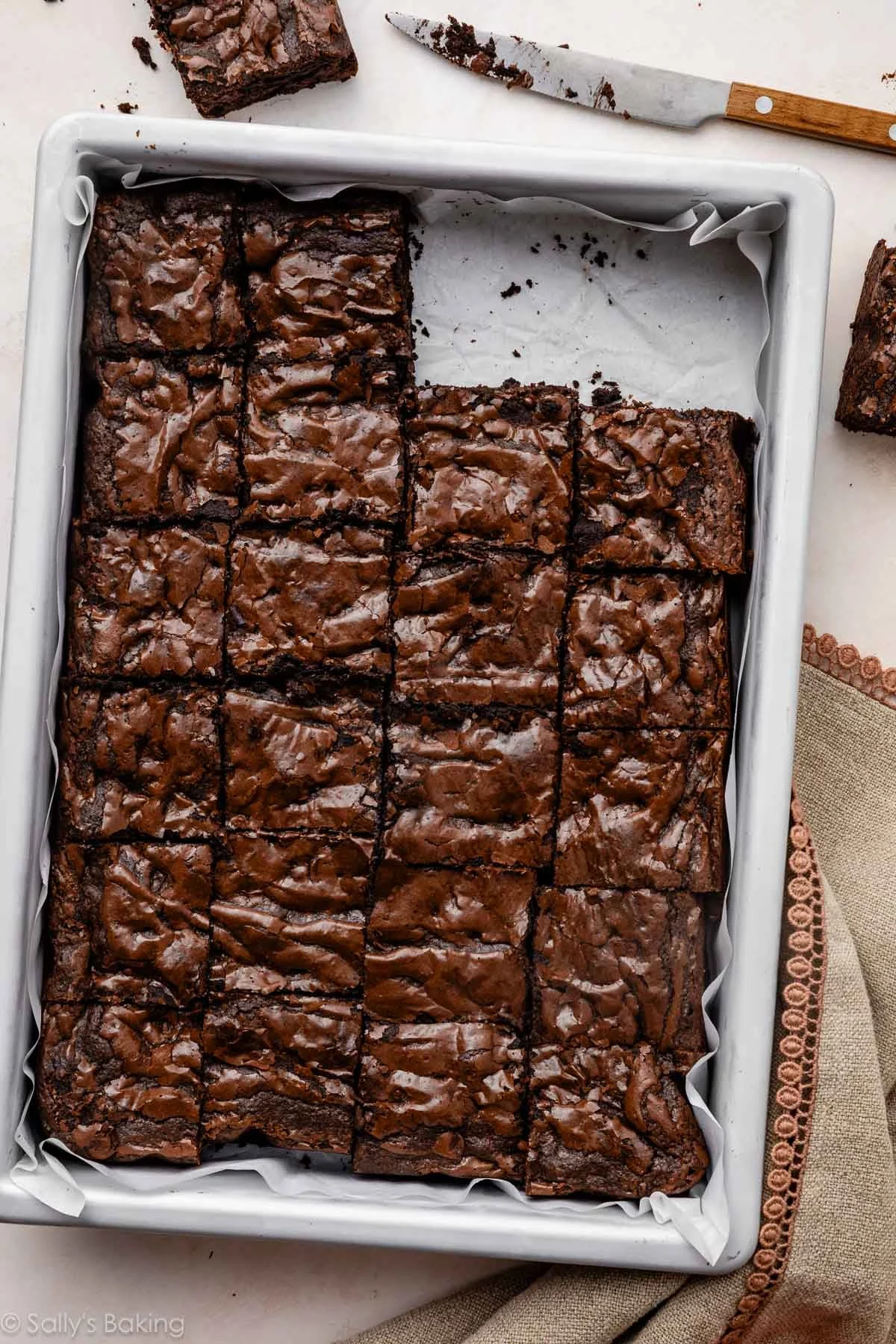
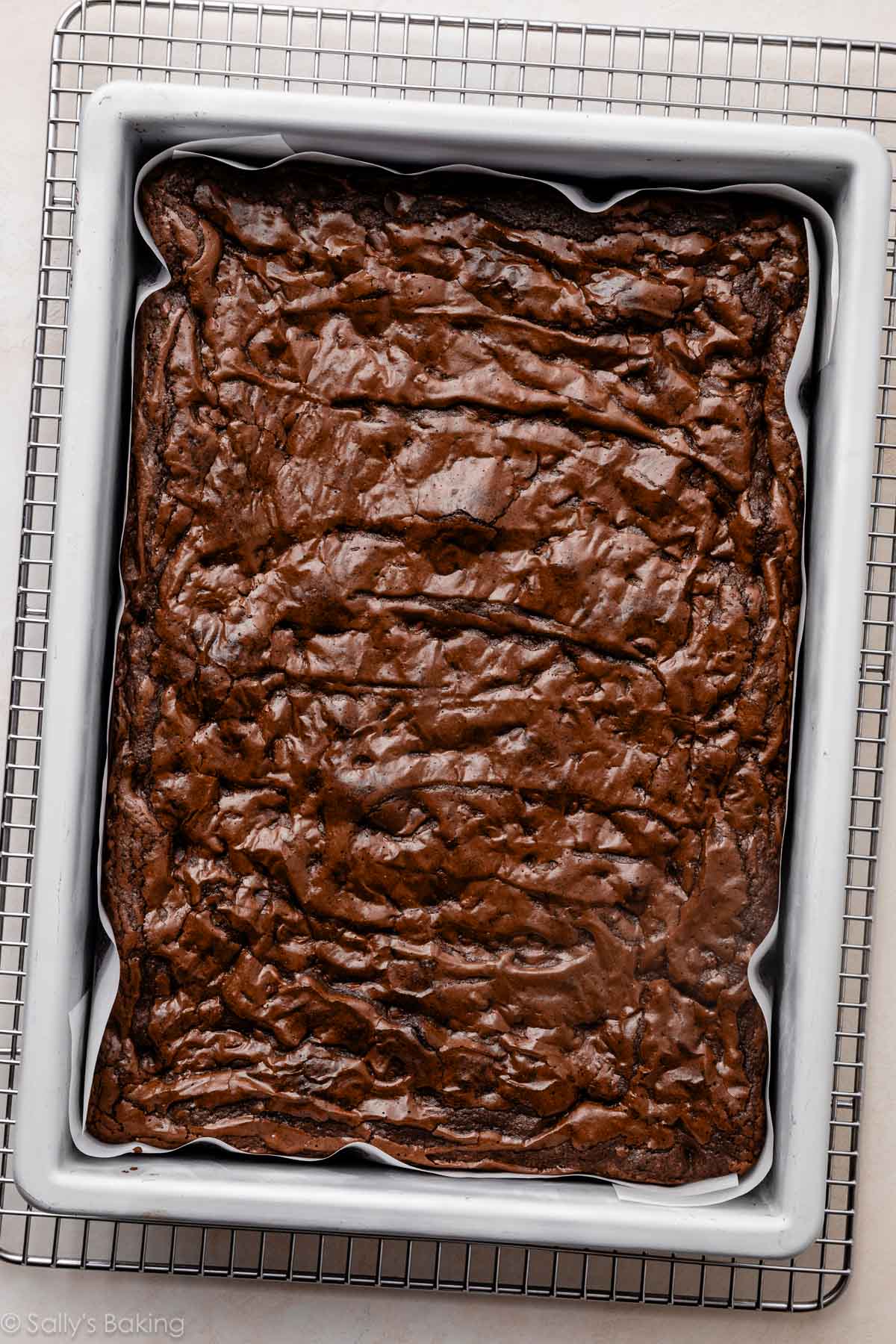
The culinary landscape has long yearned for a reliable, large-format brownie recipe that does not compromise on the quintessential characteristics of a truly exceptional brownie: a lustrous, crackly crust, a deeply fudgy interior, and an intense chocolate flavor. While numerous brownie recipes exist, adapting them for a larger 9×13-inch pan often proves challenging, frequently resulting in thin, cakey, or dry outcomes. Recognizing this gap, Sally’s Baking Addiction, a prominent online baking resource, embarked on a rigorous development process to create a definitive recipe specifically tailored for this common pan size. This initiative was driven by the persistent requests from a dedicated readership who adored the site’s original "seriously fudgy homemade brownies" but required a version suitable for parties, bake sales, potlucks, or simply for stocking the freezer with a substantial supply of homemade treats.
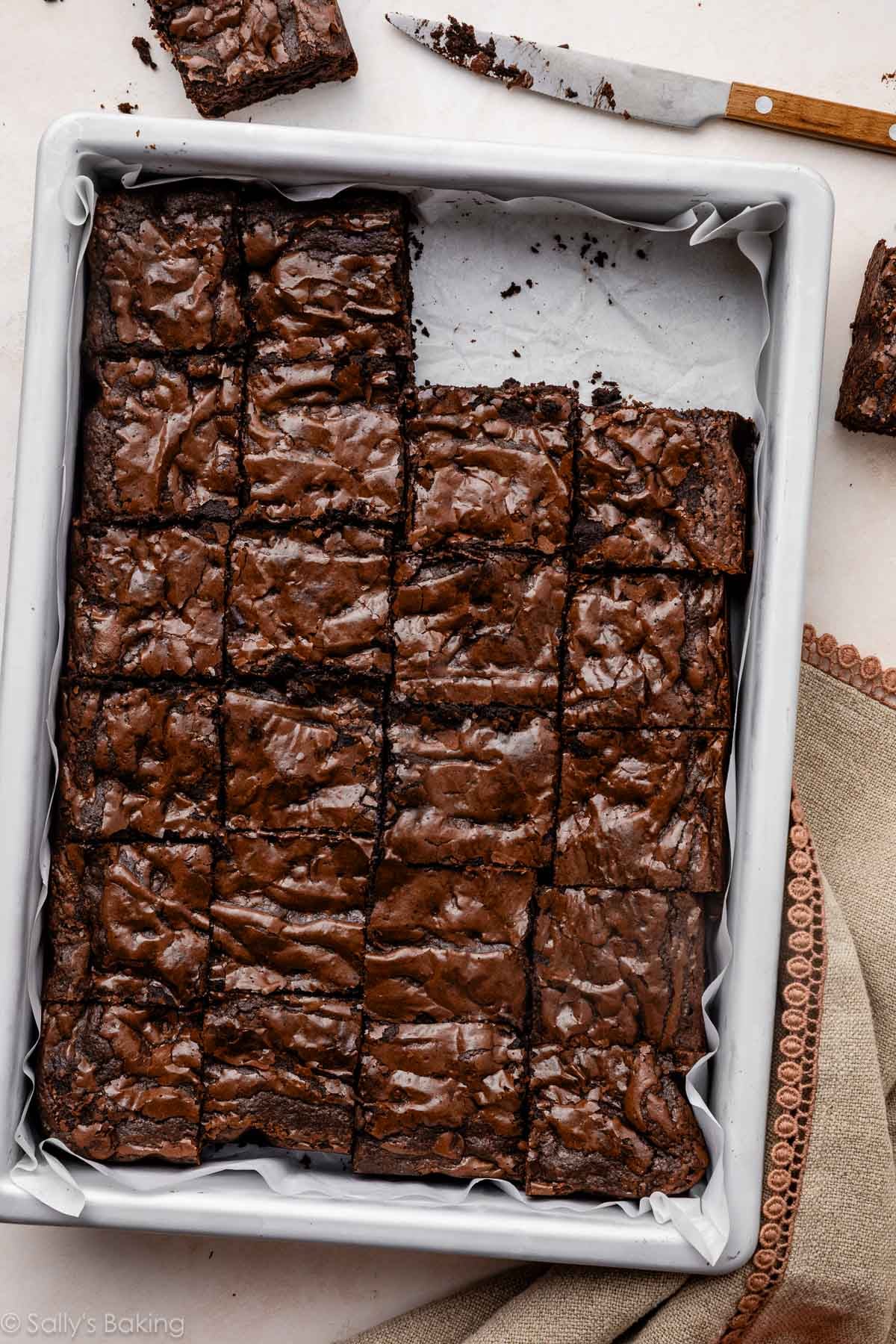
The foundational recipe, first published in 2017, initially utilized a 9×13-inch pan. However, the developer, Sally, refined it over the years to a 9×9-inch pan to achieve a thicker, more desirable brownie profile. The current project represents a full-circle evolution, revisiting the larger pan size with an unprecedented level of precision and scientific understanding. This development is not merely an expansion but a re-engineering, ensuring that the critical balance of ingredients that defines fudgy brownies—a higher fat and sugar content relative to flour—is maintained even with increased volume.
Rigorous Testing and Scientific Precision: The 15-Batch Journey
The development of this 9×13-inch pan brownie recipe was far from a simple multiplication exercise. The team at Sally’s Baking Addiction undertook an extensive testing phase, reportedly conducting 15 distinct test batches to perfect the formula. This rigorous process underscores the complexities of scaling baking recipes, where a direct proportional increase of ingredients often leads to unforeseen textural and structural issues. The challenge was to enlarge the recipe’s yield without sacrificing the beloved attributes of its smaller predecessor: the dense, moist texture, rich chocolate intensity, and that signature crackly top.
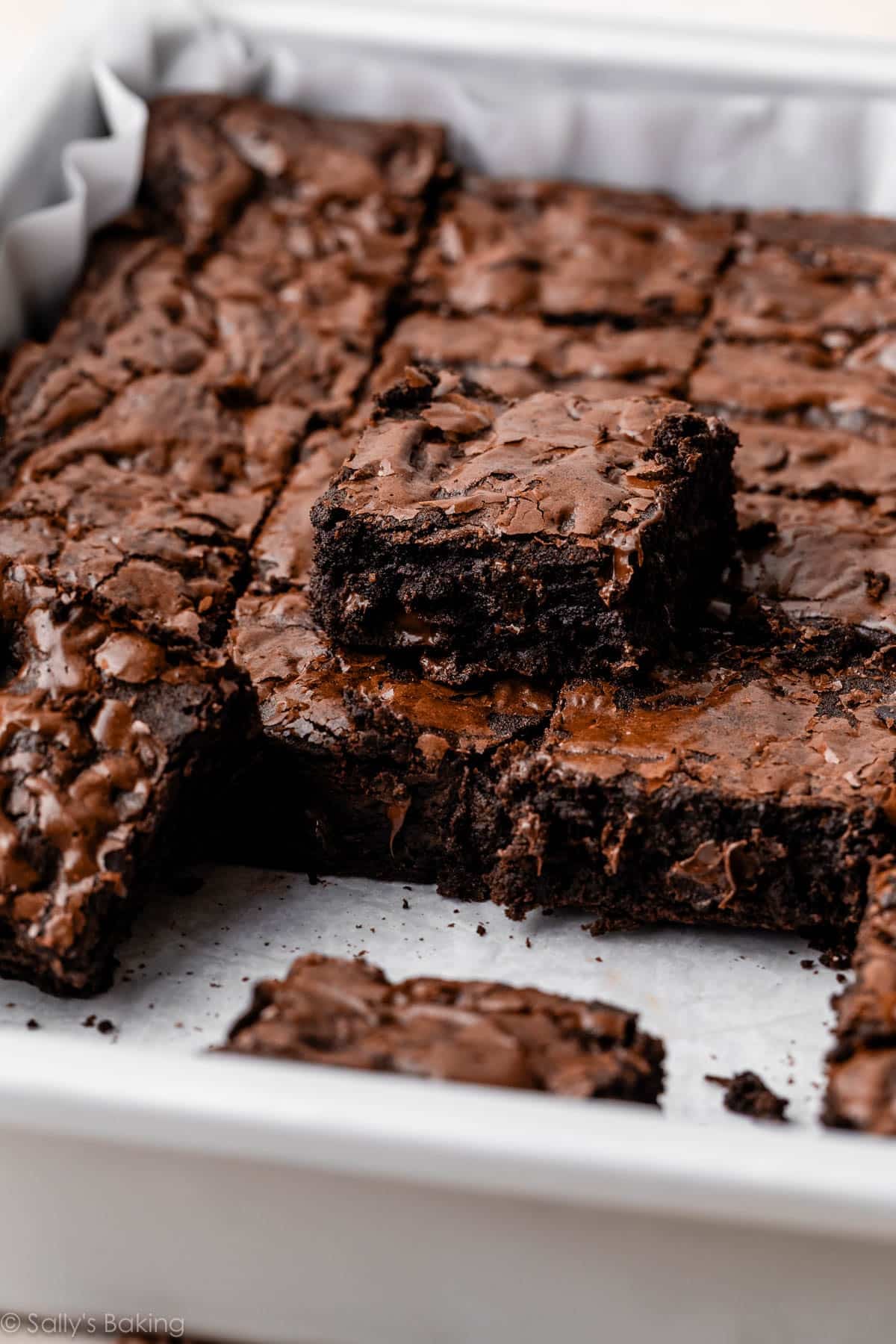
The primary pitfall in scaling brownie recipes is the tendency for them to become cakey. This often occurs when the ratio of flour to fat and sugar shifts inadvertently during the scaling process, or when baking times and temperatures are not meticulously adjusted for the increased mass and surface area in a larger pan. To counteract this, the development team focused on maintaining a precise balance. Key to their success was the strategic use of:
- Melted butter and oil: A combination of fats contributes to both flavor (butter) and moisture/texture (oil), preventing dryness and promoting fudginess.
- An optimal ratio of eggs: Eggs are crucial for structure, emulsification, and contributing to the crackly top, and their quantity needed careful calibration.
- A blend of granulated and brown sugars: Granulated sugar promotes crispness and the crackly crust, while brown sugar adds moisture and chewiness due to its molasses content.
- Dutch-process cocoa powder and quality chocolate: These are fundamental for achieving a deep, rich chocolate flavor without bitterness, with Dutch-process cocoa providing a smoother, less acidic profile.
This iterative testing approach, guided by an understanding of baking science, allowed the developers to pinpoint the exact adjustments needed to ensure that the larger batch retained the same "bakery-style texture" and "richest chocolate flavor" that defined the original. The outcome is a large-batch brownie that consistently delivers chewy edges, melt-in-your-mouth middles, and the sought-after tissue-thin shiny crackly top, a testament to dedicated recipe development.
Key Ingredients and Their Functional Roles
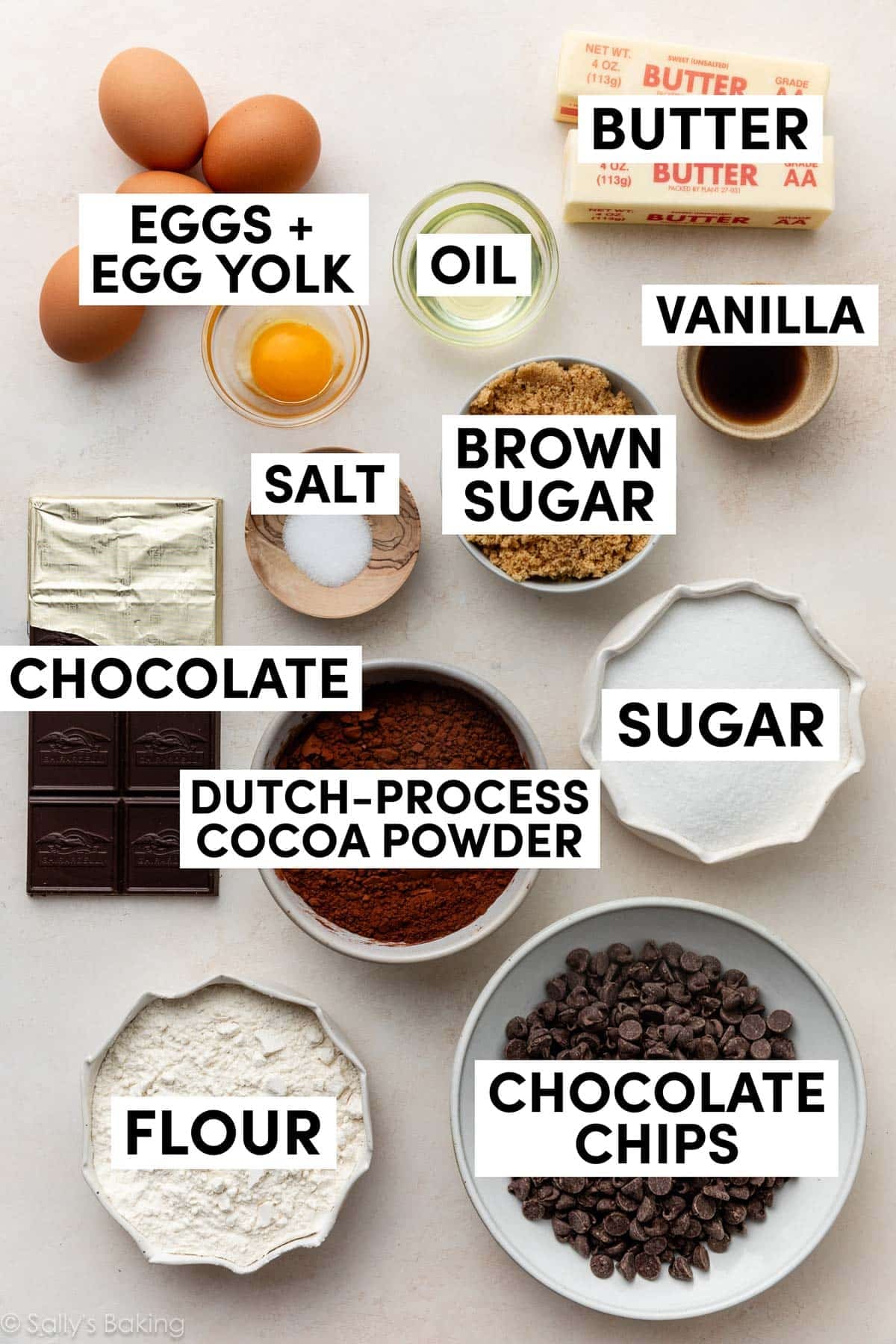
The success of this brownie recipe hinges on the precise selection and proportion of its core ingredients, each playing a critical role in achieving the desired sensory profile:
- Unsalted Butter: Provides richness, flavor, and contributes to the overall fudginess. Melting the butter helps to create a dense, chewy texture by reducing gluten development compared to creaming solid butter with sugar.
- Granulated Sugar: Sweetens the brownies and is crucial for forming the iconic shiny, crackly crust. When whipped with eggs, it dissolves and forms a stable meringue-like structure that sets during baking, creating the characteristic top.
- Light Brown Sugar: Adds additional sweetness, but more importantly, contributes moisture and a subtle caramel note due to its molasses content. This helps to keep the brownies soft and chewy, preventing them from becoming dry.
- Large Eggs: Essential for structure, binding, and contributing to the crackly top. When vigorously whipped with sugars, they create aeration and a stable emulsion, which is foundational for the brownie’s texture. The protein in eggs helps set the structure during baking.
- Pure Vanilla Extract: Enhances the overall chocolate flavor, adding depth and complexity.
- Dutch-Process Cocoa Powder: Provides a deep, mellow chocolate flavor and a dark color. Unlike natural cocoa, Dutch-process cocoa is alkalized, which reduces its acidity and results in a smoother, less bitter chocolate experience. This also affects how it reacts with leavening agents, making it ideal for recipes relying on eggs for lift rather than baking soda.
- All-Purpose Flour: Provides structure. The careful measurement of flour is paramount; too much leads to cakey brownies, while too little can result in a crumbly texture.
- Salt: Balances the sweetness and intensifies the chocolate flavor, a critical component in any dessert.
- Pure Chocolate (Baking Chocolate/Chocolate Chips): Provides the primary chocolate intensity and fudginess. Using high-quality chocolate, melted and incorporated into the batter, ensures a rich, decadent flavor and contributes to the dense texture. Chocolate chips, folded in at the end, provide pockets of molten chocolate after baking.
The careful interplay of these ingredients, particularly the balance between fats (butter, oil, chocolate) and dry ingredients (flour, cocoa), is what defines the brownie’s characteristic fudgy texture, distinguishing it from a cake-like square.
The Art and Science of Baking: Techniques for Perfection
Achieving the perfect brownie involves more than just mixing ingredients; specific techniques are crucial.
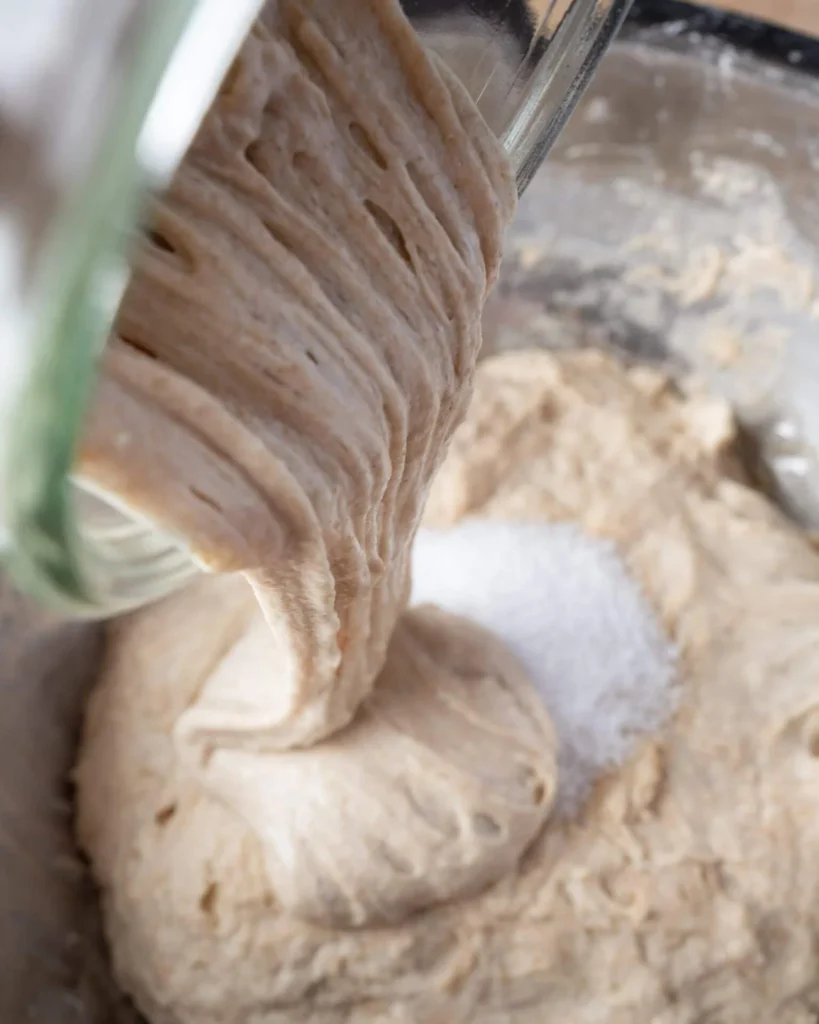
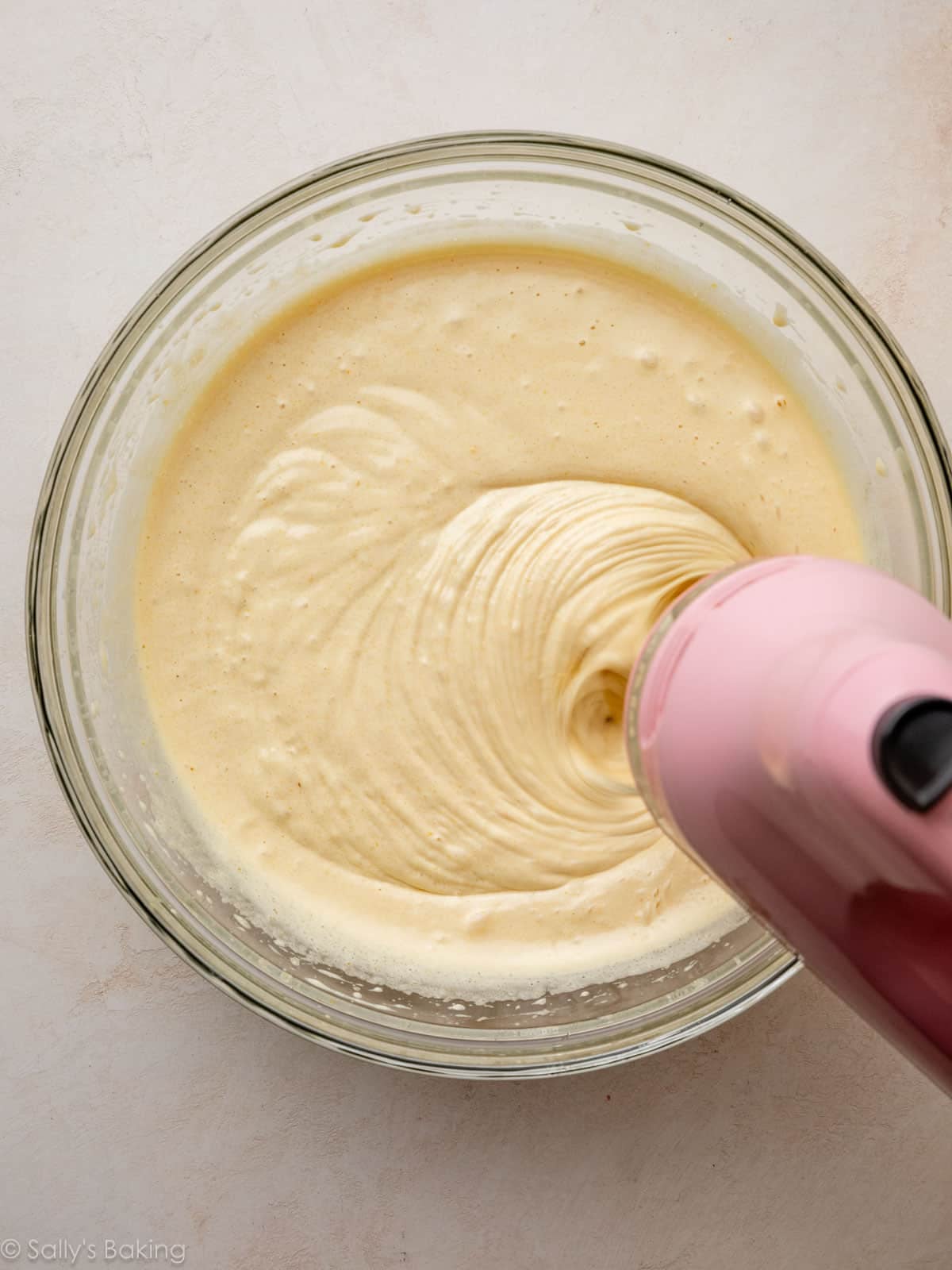
- The Ribbon Stage: A defining technique for these brownies is whipping the eggs and sugars to the "ribbon stage." This involves vigorously beating the eggs and sugars until the mixture thickens, lightens in color, and, when the beaters are lifted, a continuous stream of batter falls back into the bowl, forming visible "ribbons" that hold their shape for several seconds before slowly dissolving. This process incorporates air, creating a stable emulsion that contributes to the shiny, crackly crust and the dense, chewy interior. This step ensures proper aeration and sugar dissolution, which are foundational for the brownie’s signature texture and appearance.
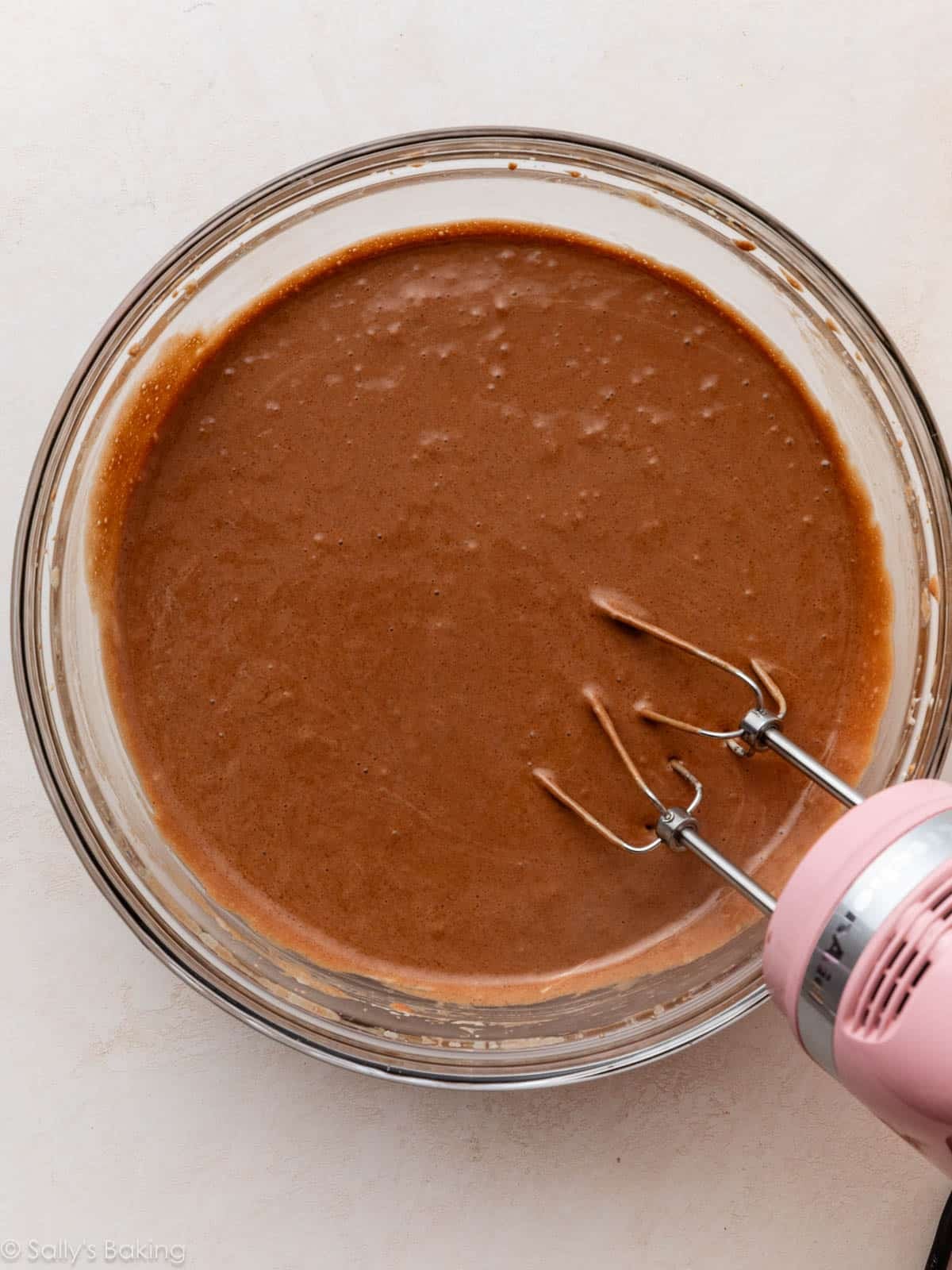
- Incorporating Fats: The melted butter and chocolate are folded into the whipped egg mixture, followed by a touch of oil. The oil, being a liquid fat at room temperature, contributes significantly to moisture and fudginess without solidifying like butter, ensuring a tender crumb even when cooled.
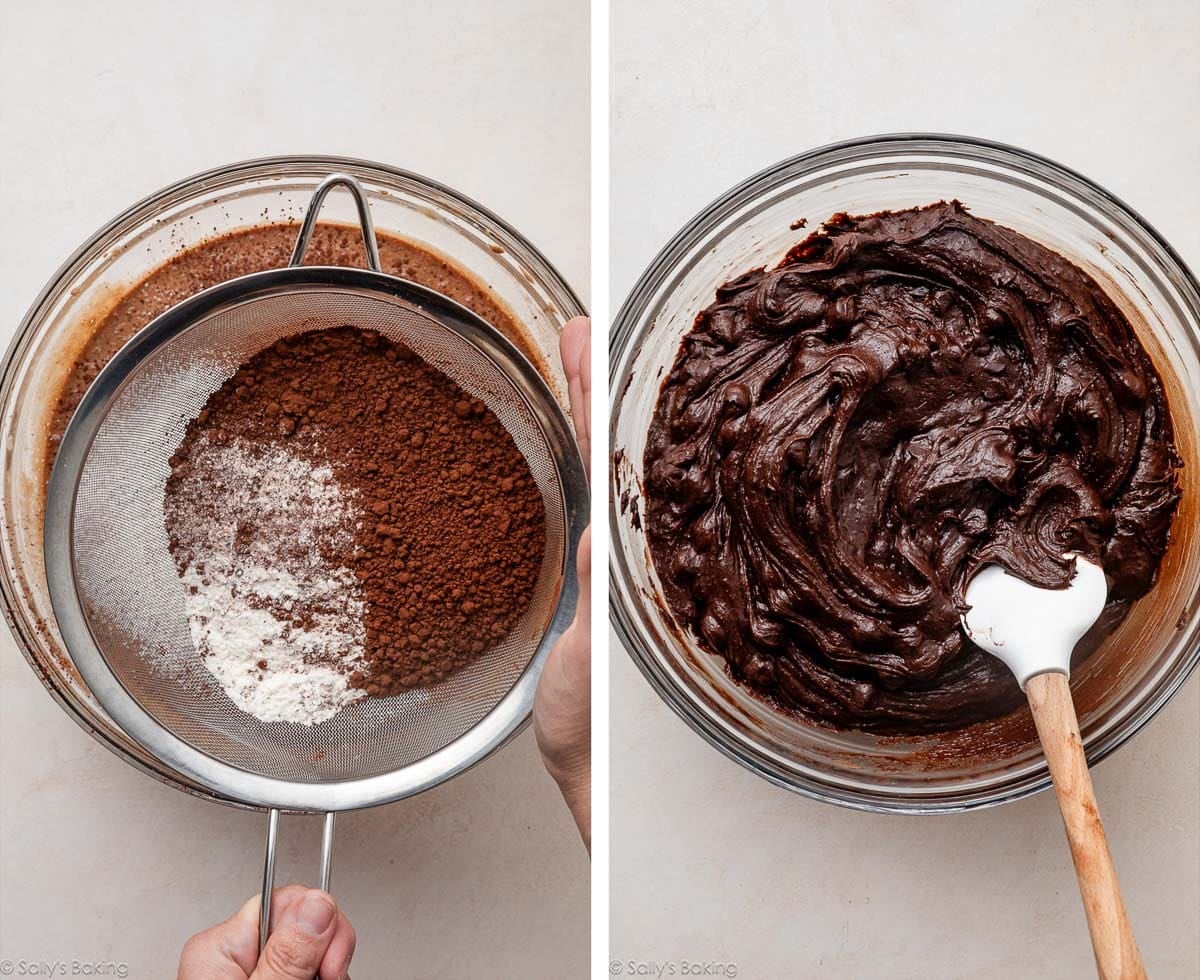
- Gentle Folding of Dry Ingredients: Once the wet ingredients are combined, the sifted dry ingredients (flour, cocoa powder, salt) are gently folded in. Overmixing at this stage can develop gluten, leading to a tougher, more cake-like brownie. The goal is to combine just until no streaks of dry ingredients remain.
- Chocolate Chip Integration: Finally, additional chocolate chips are folded into the thick batter, providing bursts of intense chocolate flavor and texture throughout the finished product.
Optimal Baking Vessels: The Pan Debate
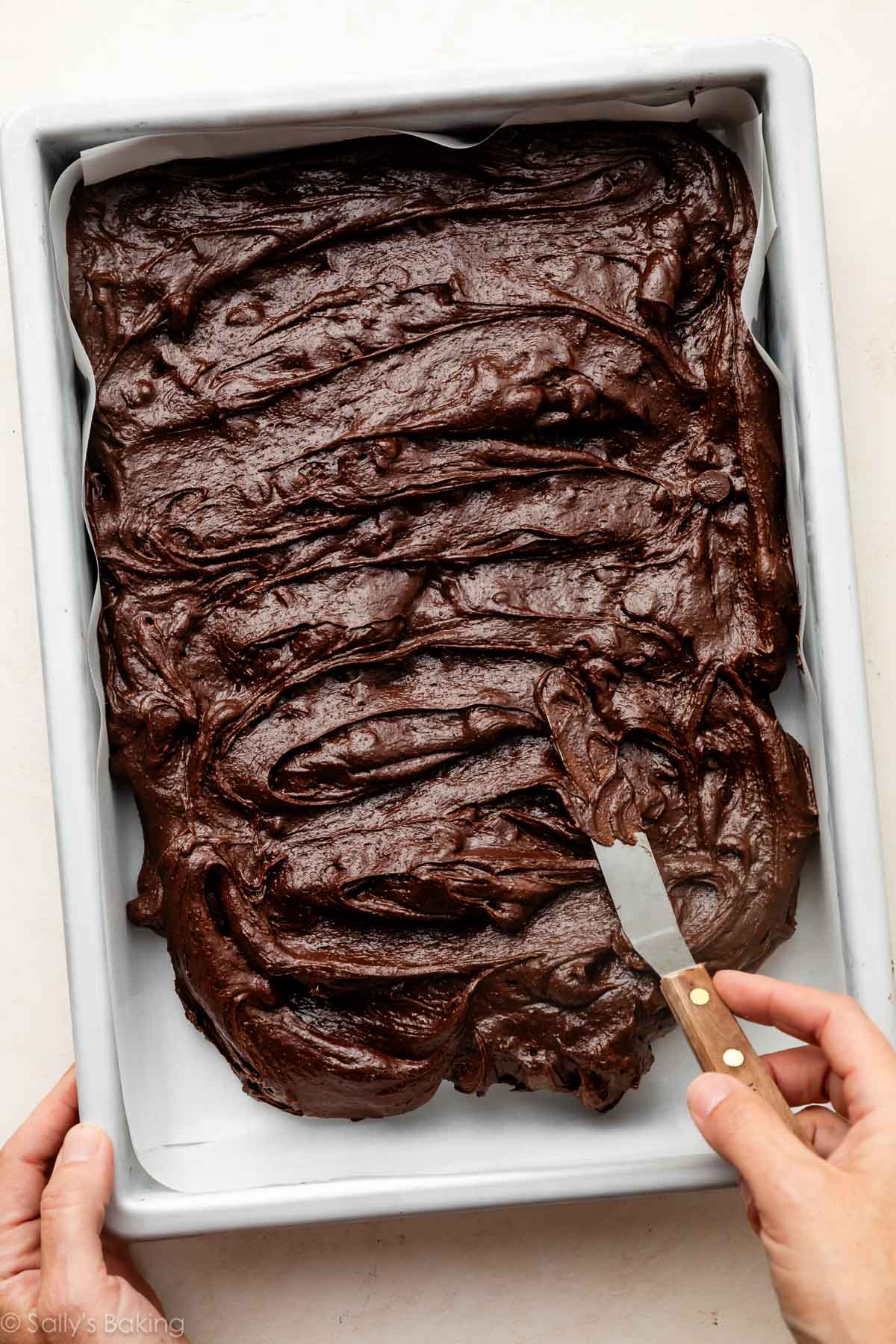
The choice of baking pan is a critical, often overlooked, factor in brownie success. For this 9×13-inch brownie recipe, a light-colored metal baking pan is strongly recommended.
- Metal Pans: These conduct heat quickly and evenly, facilitating a consistent bake and preventing hot spots that can lead to uneven cooking. The efficient heat transfer of metal pans contributes to the desired chewy edges and fudgy center.
- Avoid Dark-Colored Metal: Darker metal pans absorb and transfer heat more rapidly, which can cause the edges of the brownies to bake too quickly or even burn before the center is fully set.
- Glass Pans: While commonly used in home kitchens, glass pans are generally not ideal for brownies. Glass heats slower than metal but retains heat for a longer duration. This often results in brownies that have overbaked, overly chewy, and tough edges while the center might still be undercooked, or requiring a significantly longer baking time that risks drying out the entire batch. The inconsistent heat distribution of glass makes it difficult to achieve the nuanced texture profile of a truly fudgy brownie.
Therefore, investing in a good quality, light-colored metal pan, such as those made from aluminum, is a worthwhile consideration for any serious home baker aiming for optimal brownie results.
Determining Doneness and the Critical Cooling Phase
Knowing precisely when brownies are done baking is crucial for achieving their fudgy texture. Unlike cakes, a completely clean toothpick test is not the goal.
- Visual Cues: The edges of the brownies should appear set and slightly puffed. The center, however, should still look slightly moist and perhaps a tiny bit jiggly, indicating its fudgy nature. The crackly top should be fully formed and set.
- Toothpick Test (with caveats): Insert a toothpick or thin knife into the center of the pan. It should come out with moist crumbs attached, but not wet batter. If it comes out completely clean, the brownies are likely overbaked and will lean towards a cakey texture. If it comes out with raw batter, they need more time.
- Underbaking vs. Overbaking: It is generally better to slightly underbake brownies than to overbake them. Underbaked brownies, once cooled, will firm up and retain their fudginess, whereas overbaked brownies will be dry and crumbly.
Perhaps the most challenging, yet non-negotiable, step in the brownie-making process is allowing them to cool completely. This typically requires several hours, or even overnight, and can be expedited by placing the cooled-down pan in the refrigerator.
- Textural Development: As brownies cool, their internal structure continues to set, and the fats solidify. This process is vital for developing the dense, fudgy, and chewy texture that is so desirable. Cutting warm brownies will often result in a messy, crumbly experience, as the structure has not fully stabilized.
- Clean Slicing: Fully cooled brownies slice cleanly and neatly, yielding perfect squares with sharp edges, enhancing their presentation and overall appeal. The patience required during this cooling phase directly correlates with the quality of the final product.
Broader Implications for Home Bakers and the Market
The introduction of a meticulously developed 9×13-inch brownie recipe carries significant implications for home bakers and the broader baking market.
- Convenience and Versatility: A large-batch recipe directly addresses the practical needs of contemporary home cooks. It offers unparalleled convenience for entertaining, school events, office potlucks, or simply meal prepping desserts for a busy week. The ability to produce a generous quantity of high-quality brownies in one go reduces baking frequency while maximizing output.
- Elevated Home Baking Standards: This recipe exemplifies a trend towards more sophisticated and scientifically informed recipe development within the home baking sphere. It moves beyond simple ingredient lists, providing detailed explanations of techniques and ingredient functions, thereby empowering home bakers with a deeper understanding of the craft. This contributes to raising the overall standard of home-baked goods.
- Economic Advantage: Baking at home remains a cost-effective alternative to purchasing artisanal brownies from bakeries. A reliable large-batch recipe further enhances this value proposition, allowing consumers to produce a premium product at a fraction of the retail cost.
- Comfort Food and Community: Brownies, as a quintessential comfort food, continue to hold a special place in culinary culture. A large-batch recipe facilitates sharing and community building, reinforcing the social aspect of food. In an era where communal gatherings are highly valued, such a recipe serves as a perfect centerpiece.
- Addressing Common Baking Frustrations: By explicitly tackling the common pitfalls of scaling recipes (cakey texture, inconsistent baking), this recipe directly addresses longstanding frustrations for many home bakers, offering a robust and tested solution.
Expert Insights and User Experience
While no direct quotes from external baking experts were provided in the source material, the design and detailed explanations within the recipe implicitly align with widely accepted baking principles. The emphasis on ingredient ratios, specific whipping techniques, and pan selection resonates with advice from professional bakers and culinary scientists. The thorough testing process (15 batches) highlights a commitment to empirical validation, a hallmark of reliable recipe development.
From a user experience perspective, the recipe is poised to be a significant asset. The "Why You’ll Love This" section in the original content, although not structured as formal statements, reflects anticipated positive user reactions:
- "Perfect for parties, bake sales, potlucks, or simply stocking your freezer."
- "Yields a large batch of rich, dense, intensely chocolatey brownies."
- "Shiny crackly tops and melt-in-your-mouth centers."
- "Retains dense, moist texture thanks to careful ratio of ingredients."
The frequently asked questions (FAQs) further illustrate common user queries and the comprehensive nature of the recipe’s guidance. Questions regarding cakey brownies, adding nuts, halving the recipe, using glass pans, and baking without a mixer are all addressed, demonstrating an anticipation of user needs and a commitment to providing thorough support. For instance, the advice against using glass pans and the recommendation of an electric mixer for the ribbon stage are practical, experience-driven insights that save home bakers from potential disappointment. The option to add nuts caters to customization preferences, while the explicit redirection to the 9-inch square recipe for a smaller batch prevents users from attempting an imprecise halving of the larger recipe.
In conclusion, this meticulously crafted 9×13-inch pan brownie recipe represents a significant contribution to the home baking repertoire. It is more than just a recipe; it is a testament to dedicated culinary research, scientific precision, and a deep understanding of user needs. By offering a foolproof method for producing consistently high-quality, large-batch brownies, it not only simplifies baking for gatherings but also elevates the standard of homemade confections, solidifying its place as a go-to resource for chocolate enthusiasts worldwide.