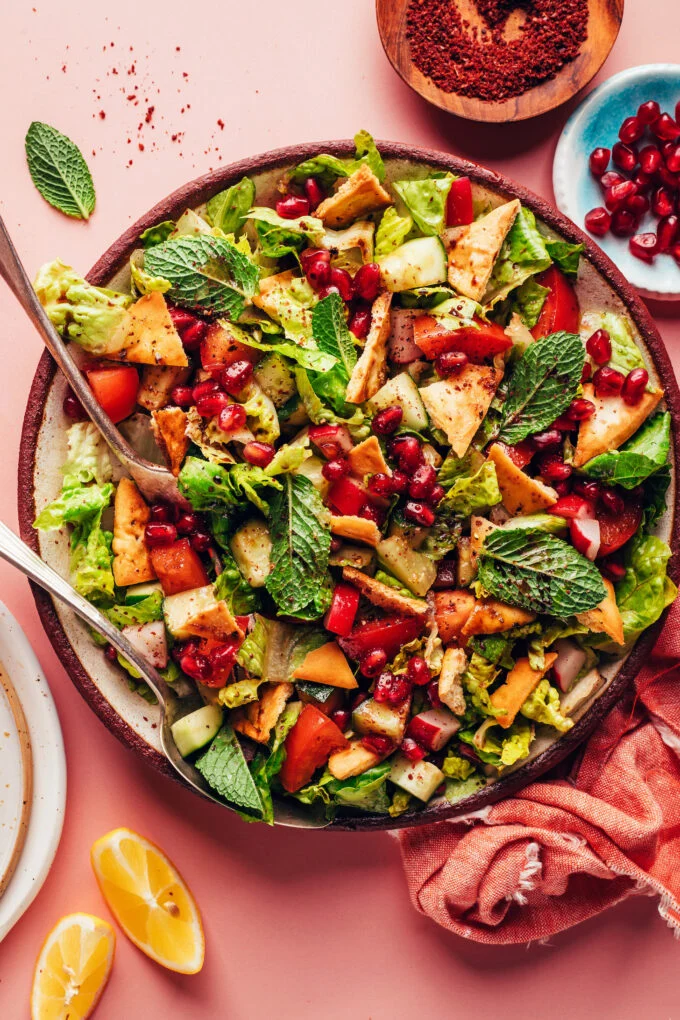

The Levantine culinary tradition, a rich tapestry of flavors from the Eastern Mediterranean, has seen a resurgence in global popularity as home cooks seek nutritious, time-efficient, and flavor-dense recipes. Central to this movement is Fattoush, a rustic bread salad that serves as a cornerstone of Lebanese, Syrian, Jordanian, and Palestinian cuisine. A modern, streamlined iteration of this classic dish has emerged, prioritizing a 20-minute preparation time and a single-bowl assembly method, catering to the increasing demand for weeknight-friendly healthy eating. This version maintains the integrity of the traditional flavor profile—characterized by the interplay of sumac, pomegranate molasses, and toasted pita—while offering adaptations for contemporary dietary requirements, including gluten-free and vegan options.
Historical Context and Cultural Origins of Fattoush
Fattoush belongs to a category of Middle Eastern dishes known as "fattat" (plural of "fatteh"), which literally translates to "crumbs" or "fragments." Historically, the dish originated among farmers in the Levant region. Much like the Italian Panzanella, Fattoush was born out of a necessity to minimize food waste. In an era before refrigeration, day-old flatbreads would become dry and unpalatable; by frying or toasting these remnants and tossing them with fresh, seasonal vegetables and a sharp dressing, farmers created a refreshing and filling meal that utilized every available resource.
The geographical heart of Fattoush lies in the "Fertile Crescent." While specific ingredients vary by micro-region and seasonal availability, the presence of sumac—a tart, purple spice derived from the berries of the Rhus coriaria shrub—remains the non-negotiable hallmark of the dish. Over centuries, Fattoush transitioned from a humble "peasant" meal to a vital component of the "Mezze," the elaborate spread of small dishes that defines the social and culinary fabric of Levantine hospitality.
The Anatomy of a Modern 20-Minute Fattoush
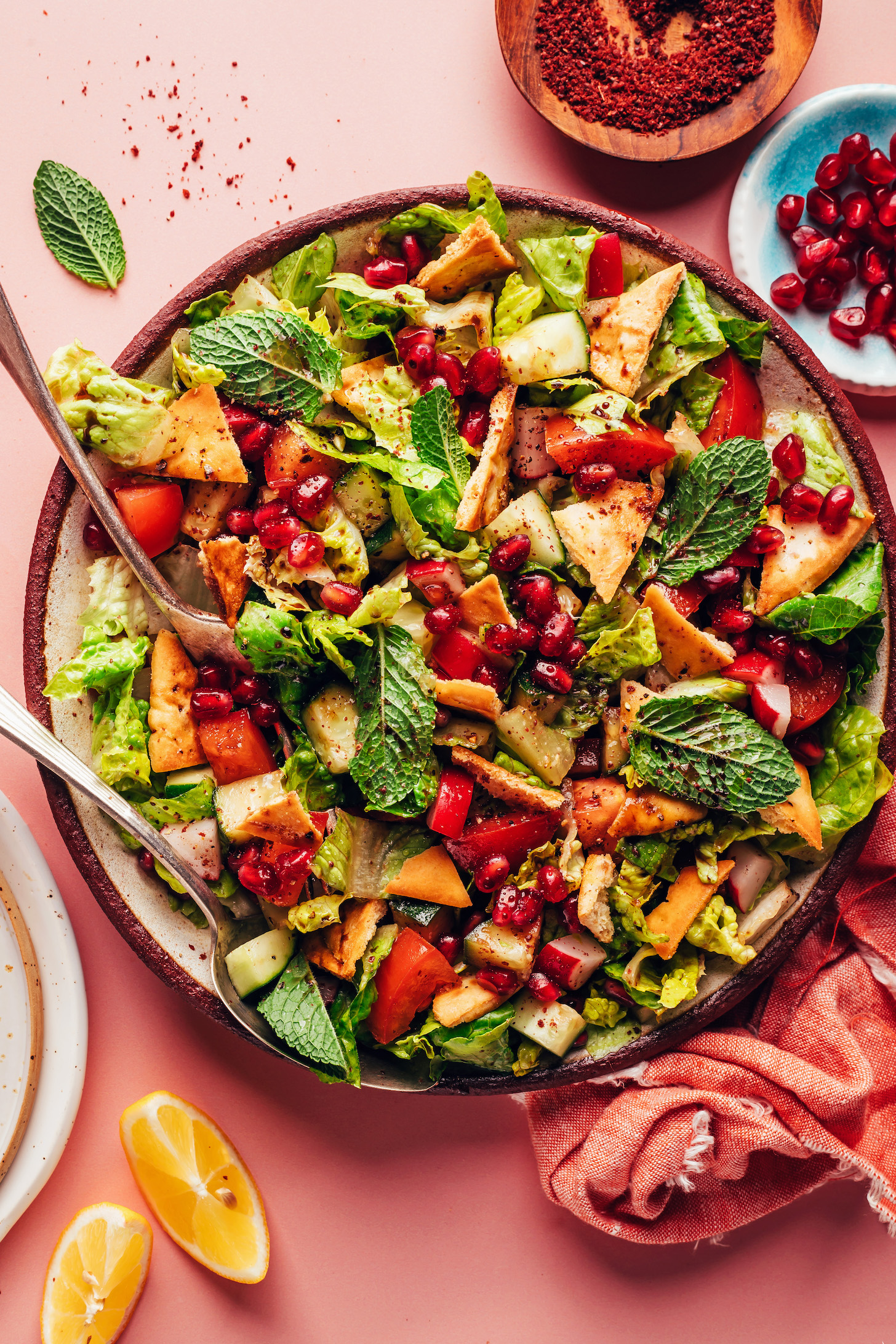
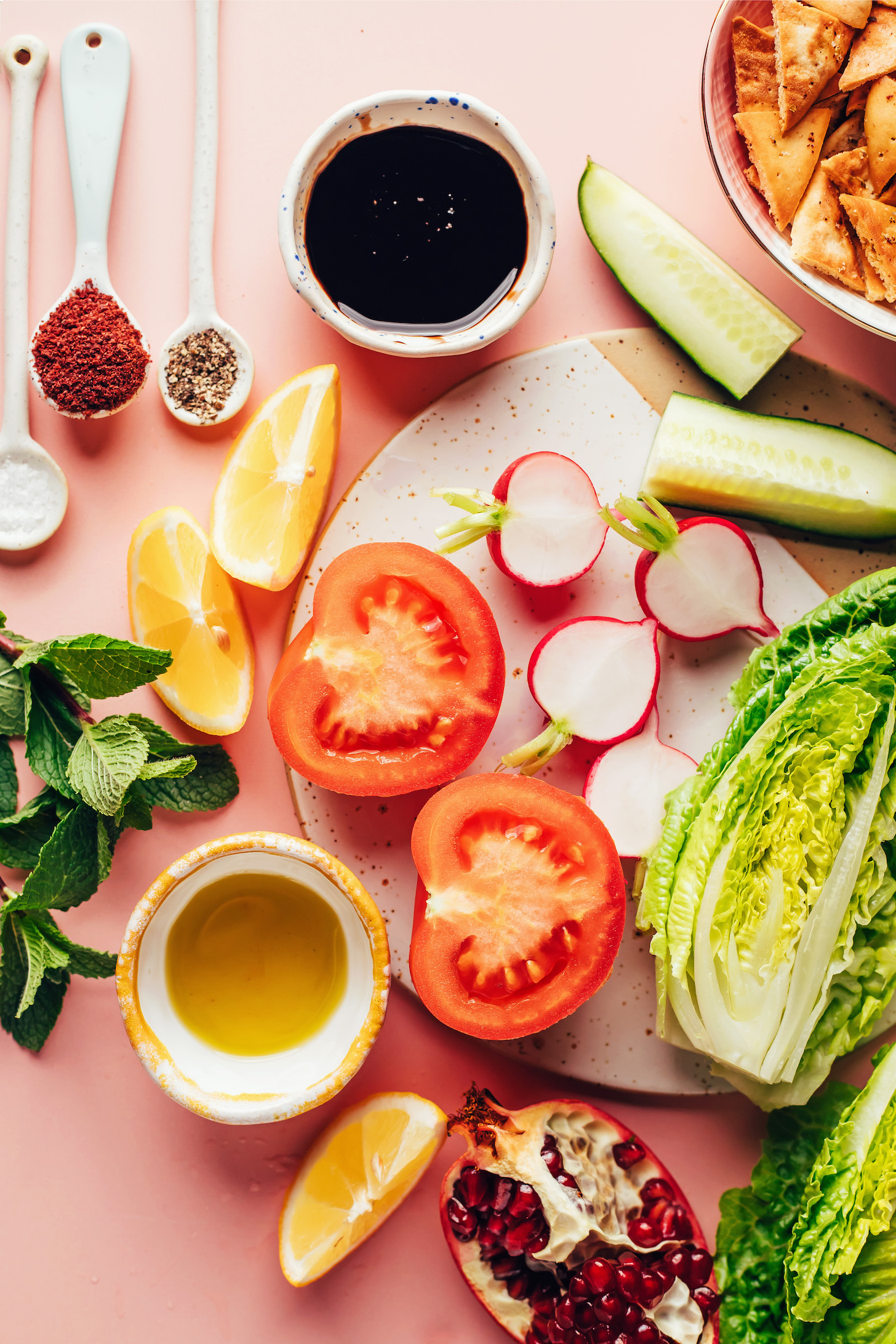
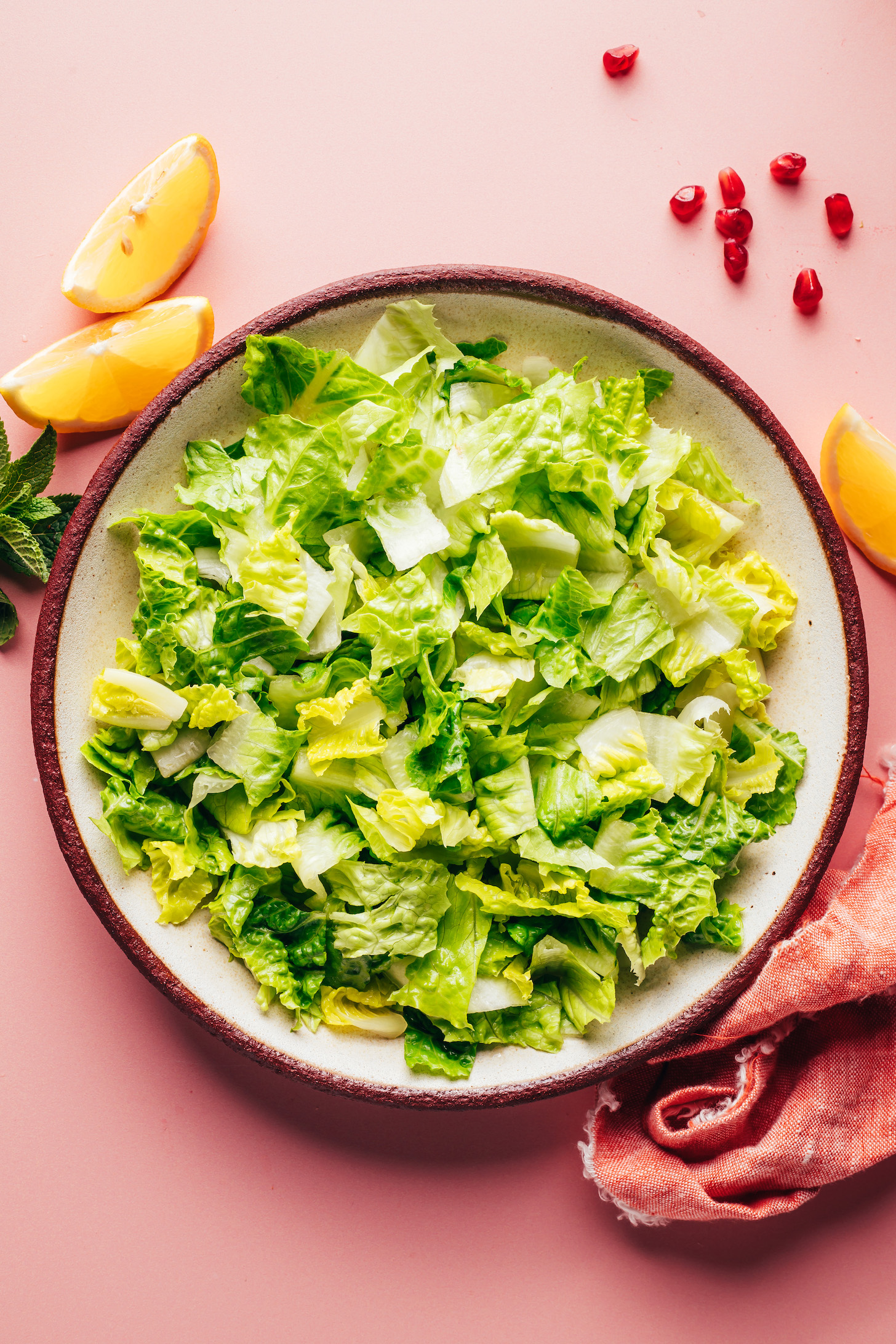
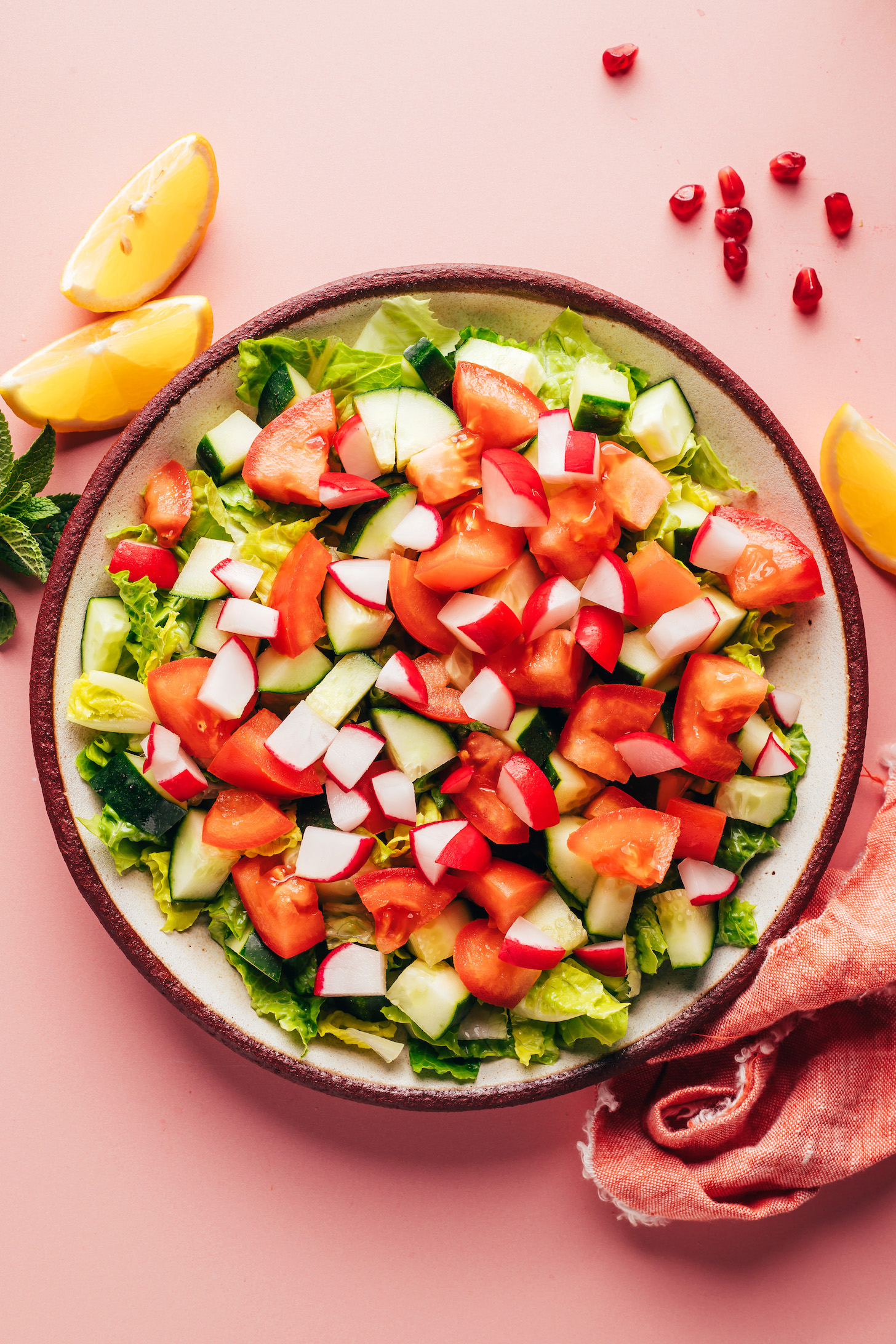
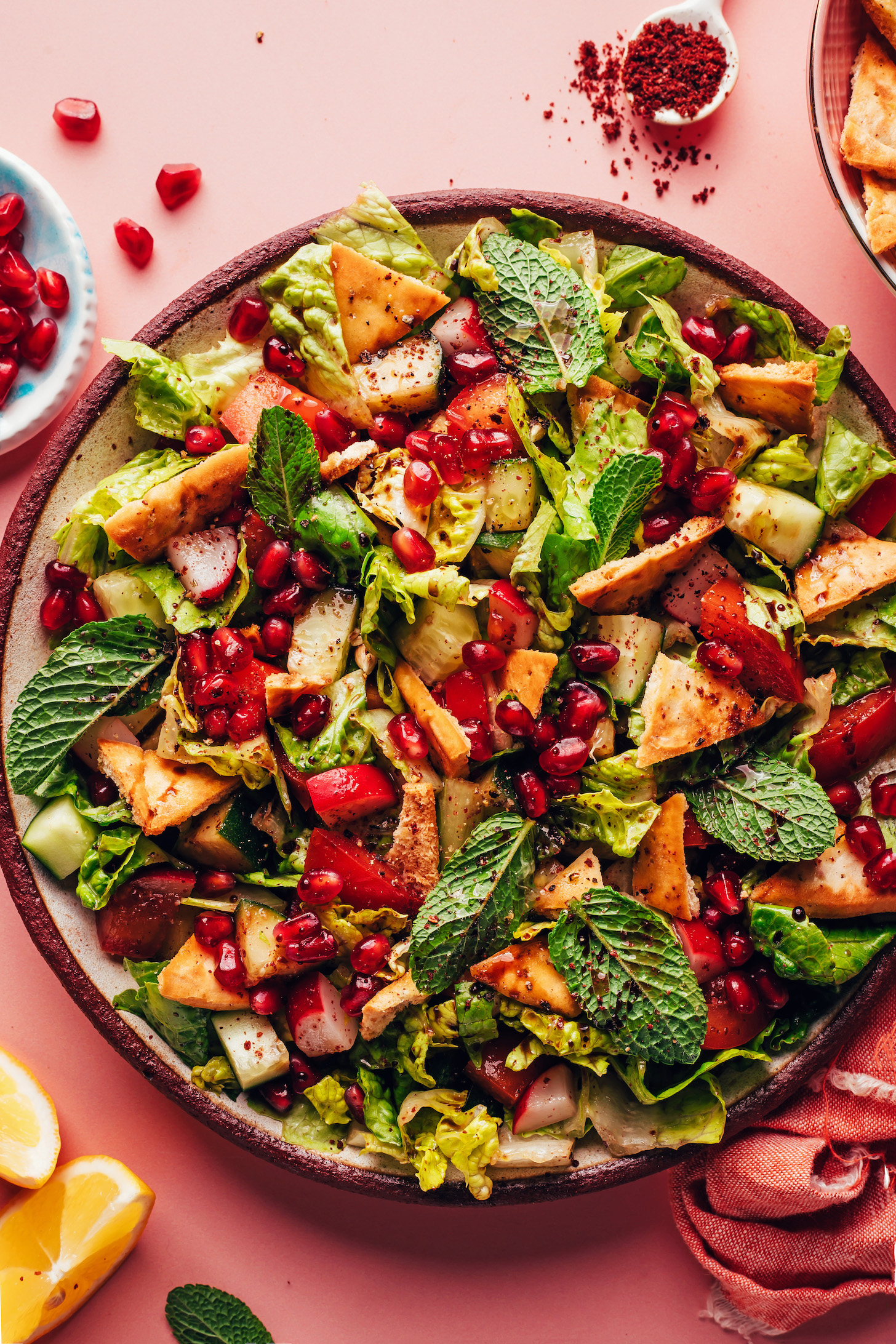
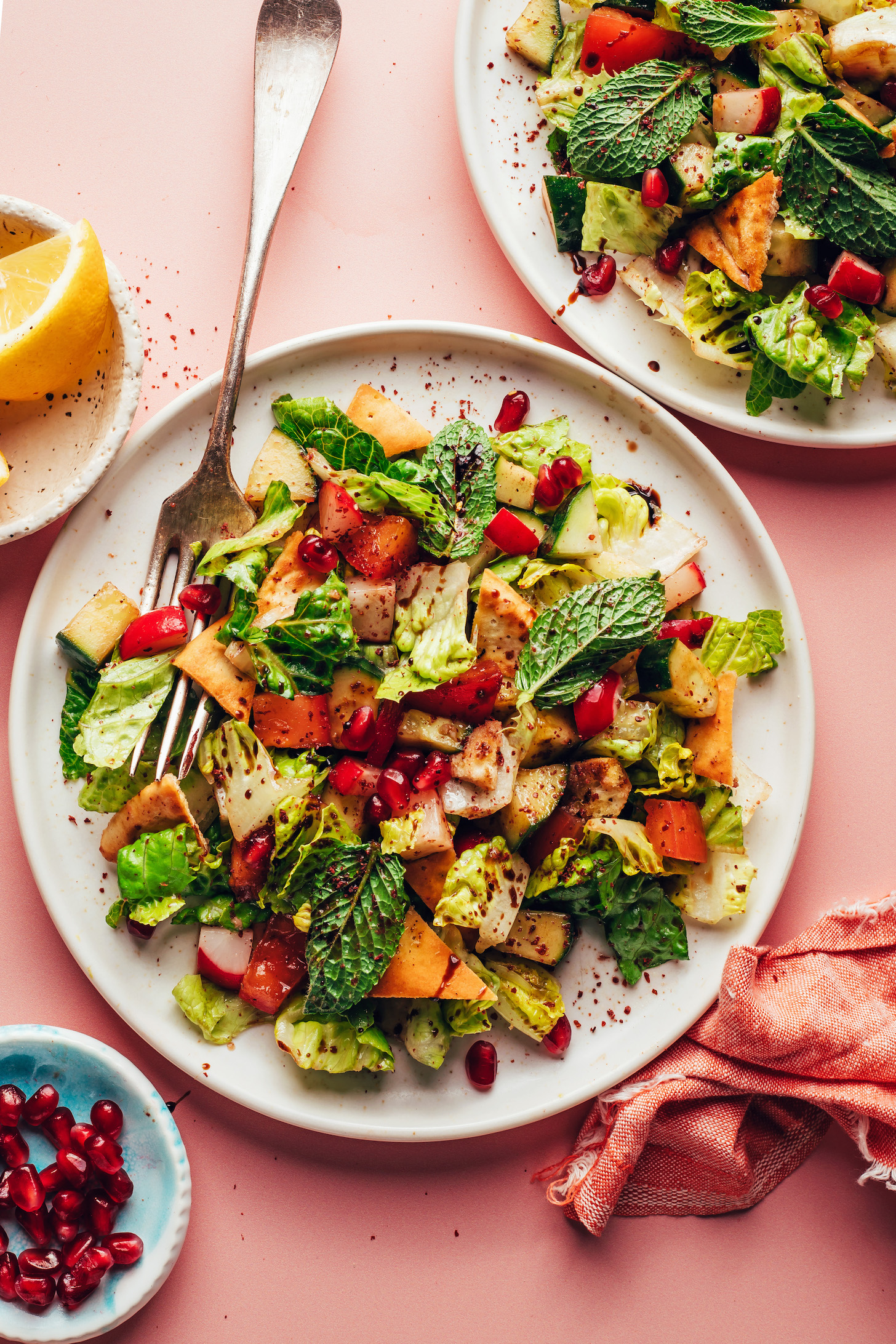
The contemporary adaptation of Fattoush focuses on efficiency without compromising the structural integrity of the salad. The process begins with a base of crisp romaine lettuce, chosen for its neutral flavor and significant water content, which provides a refreshing counterpoint to the bold dressing. To this, a variety of crunchy vegetables are added, typically including cucumbers (preferably Persian or Lebanese for their thin skin and concentrated flavor), radishes for a peppery bite, and tomatoes for acidity and sweetness.
The dressing is integrated directly into the bowl, a departure from traditional multi-step whisking. It utilizes a combination of lemon juice and pomegranate molasses to achieve a complex sourness. Pomegranate molasses, a thick syrup made by reducing pomegranate juice, adds a layer of "tart-sweet" depth that distinguishes Fattoush from other Mediterranean salads. The addition of sumac provides a citrusy astringency that is more nuanced than lemon alone. For those seeking a more balanced profile, optional additions of maple syrup or high-quality olive oil are often incorporated to mellow the sharpness of the molasses.
Nutritional Profile and Health Implications
From a clinical nutrition perspective, Fattoush is an exemplar of the Mediterranean diet, which has been extensively studied for its role in cardiovascular health and longevity. According to nutritional data, a standard side serving of this simplified Fattoush contains approximately 127 calories, with a macronutrient breakdown of 21.6 grams of carbohydrates, 2.8 grams of protein, and 4.1 grams of fat.
The health benefits extend beyond basic caloric counts:
- Antioxidant Density: Pomegranate arils and molasses are rich in punicalagins and anthocyanins, which are potent antioxidants known to reduce systemic inflammation.
- Micronutrient Variety: The inclusion of radishes and romaine provides a significant source of Vitamin A, Vitamin C, and Vitamin K.
- Digestive Support: Fresh mint leaves, a staple herb in the recipe, have long been utilized in traditional medicine to aid digestion and soothe gastrointestinal distress.
- Low Glycemic Load: The high fiber content from the raw vegetables (approximately 4 grams per serving) ensures a slow release of sugars, making it a suitable option for those monitoring blood glucose levels.
The Evolution of the "Bread Salad" in Global Markets
The globalization of Levantine cuisine has led to significant shifts in the availability of specialty ingredients. In the early 2000s, sumac and pomegranate molasses were largely confined to ethnic grocers. Today, these items are staples in mainstream supermarkets, reflecting a broader trend toward "global pantry" cooking.
The industry has also seen the rise of pre-packaged pita chips, which have become a common substitute for the traditional hand-fried bread used in Fattoush. While purists argue that freshly fried bread provides a superior texture, the convenience of high-quality, store-bought pita chips—including grain-free and gluten-free varieties made from cassava or almond flour—has made the dish more accessible to the average consumer. This shift represents a broader trend in the food industry where traditional recipes are "deconstructed" and reassembled using modern convenience products to fit a faster-paced lifestyle.
Chronology of Preparation and Culinary Technique
The 20-minute preparation timeline is achieved through a specific sequence of operations designed to maximize efficiency:
- Minutes 1-7: Vegetable Preparation. Chopping romaine, dicing cucumbers and tomatoes, and thinly slicing radishes.
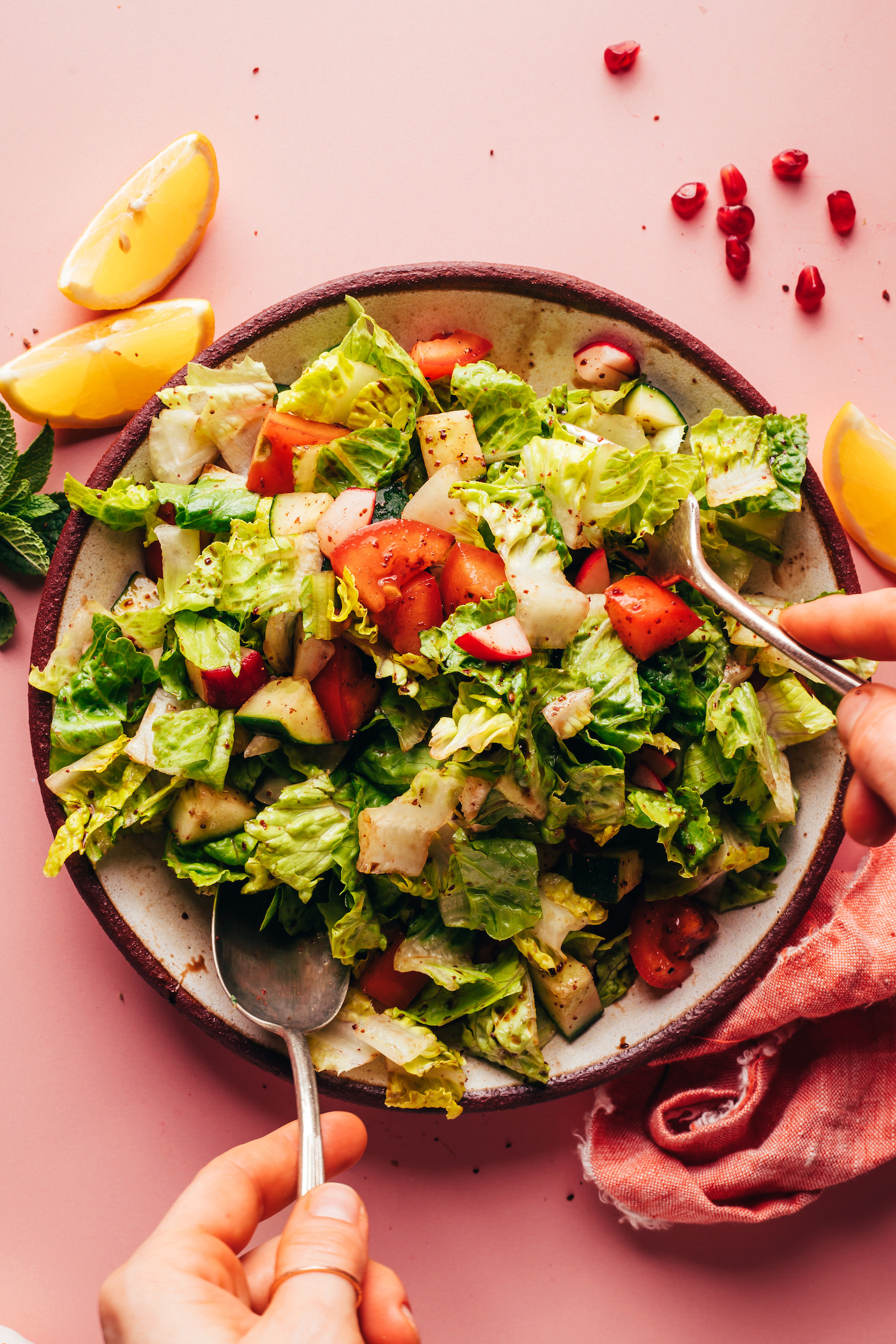
- Minutes 8-12: Dressing Integration. Adding lemon juice, pomegranate molasses, sumac, and seasoning directly to the vegetables. This allows the vegetables to begin macerating slightly, releasing their natural juices to augment the dressing.
- Minutes 13-17: Pita Preparation. If not using store-bought chips, this window is used for quickly toasting pita triangles in olive oil and sumac.
- Minutes 18-20: Final Assembly. Folding in fresh mint leaves, pomegranate arils, and the pita chips immediately before serving to ensure the bread retains its characteristic crunch.
Culinary experts emphasize that the "crunch factor" is the most critical element of a successful Fattoush. If the pita chips are added too early, they absorb the dressing and become soggy, losing the textural contrast that defines the dish.
Broader Impact and Implications for Modern Dining
The rise of the "1-bowl, 20-minute" Fattoush reflects a significant shift in how traditional ethnic cuisines are consumed in the West. There is a growing movement toward "intentional simplicity," where the goal is to retain the soul of a cultural dish while removing the barriers to entry for the home cook.
Furthermore, the adaptability of Fattoush—the ability to add chickpeas for protein or swap wheat pita for gluten-free crackers—illustrates the "modular" nature of modern recipes. This flexibility allows traditional Middle Eastern flavors to permeate various dietary niches, including vegan, paleo, and gluten-free communities.
As climate change and economic factors influence crop yields in the Mediterranean basin, the ingredients of Fattoush—particularly pomegranates and olives—are becoming symbols of both environmental resilience and cultural heritage. The continued popularity of such dishes ensures that the agricultural traditions of the Levant remain relevant in a globalized food economy.
Conclusion
The Easy Fattoush Salad is more than a convenient meal; it is a bridge between ancient agricultural practices and modern nutritional needs. By synthesizing the bold, astringent flavors of the Eastern Mediterranean with a streamlined preparation method, this dish offers a sustainable model for healthy eating. Whether served as a refreshing side to Mediterranean-inspired mains like lentil fesenjān or as a standalone light entree, Fattoush remains a testament to the enduring appeal of Levantine flavors. Its transition from a regional survival food to a global health staple highlights the power of culinary evolution in the 21st century. As diners continue to prioritize whole foods and vibrant spices, the presence of sumac, mint, and pomegranate on the global table is expected to grow, further cementing the Levant’s influence on the future of international gastronomy.