
The landscape of the global craft beer industry is currently undergoing a significant shift as consumers increasingly gravitate toward "sessionable" beverages—beers that offer full-flavored profiles while maintaining a lower alcohol-by-volume (ABV) content. Among these styles, the Copper Ale stands out as a quintessential example of balance, combining the toasted sweetness of specialty malts with a disciplined hop bitterness. A newly detailed brewing protocol for a 5-gallon batch of Session Copper Ale highlights the technical precision required to achieve this balance, providing a roadmap for homebrewers to produce a professional-grade beverage with a modest 3.6% ABV.
This specific recipe and process, optimized for both efficiency and clarity, underscores the importance of temperature control and ingredient timing in the brewing cycle. By focusing on a target original gravity (OG) of 1.036 and a final gravity (FG) of 1.008, the process ensures a dry, crisp finish that enhances drinkability without sacrificing the aesthetic appeal of its namesake copper hue.
Technical Specifications and Compositional Data
To understand the profile of the Session Copper Ale, one must analyze the quantitative metrics that define its character. The recipe is designed for a standard 5-gallon (18.93 L) yield, a benchmark for most residential brewing setups.
The Original Gravity (OG) is set at 1.036 (9°P). This measurement, taken before fermentation begins, indicates the concentration of fermentable and non-fermentable sugars extracted from the malts. A lower OG is characteristic of session styles, ensuring the yeast has a controlled amount of fuel, which ultimately results in the 3.6% ABV. The Final Gravity (FG) is projected at 1.008 (2°P), indicating a high level of attenuation—the percentage of sugars converted into alcohol and carbon dioxide.
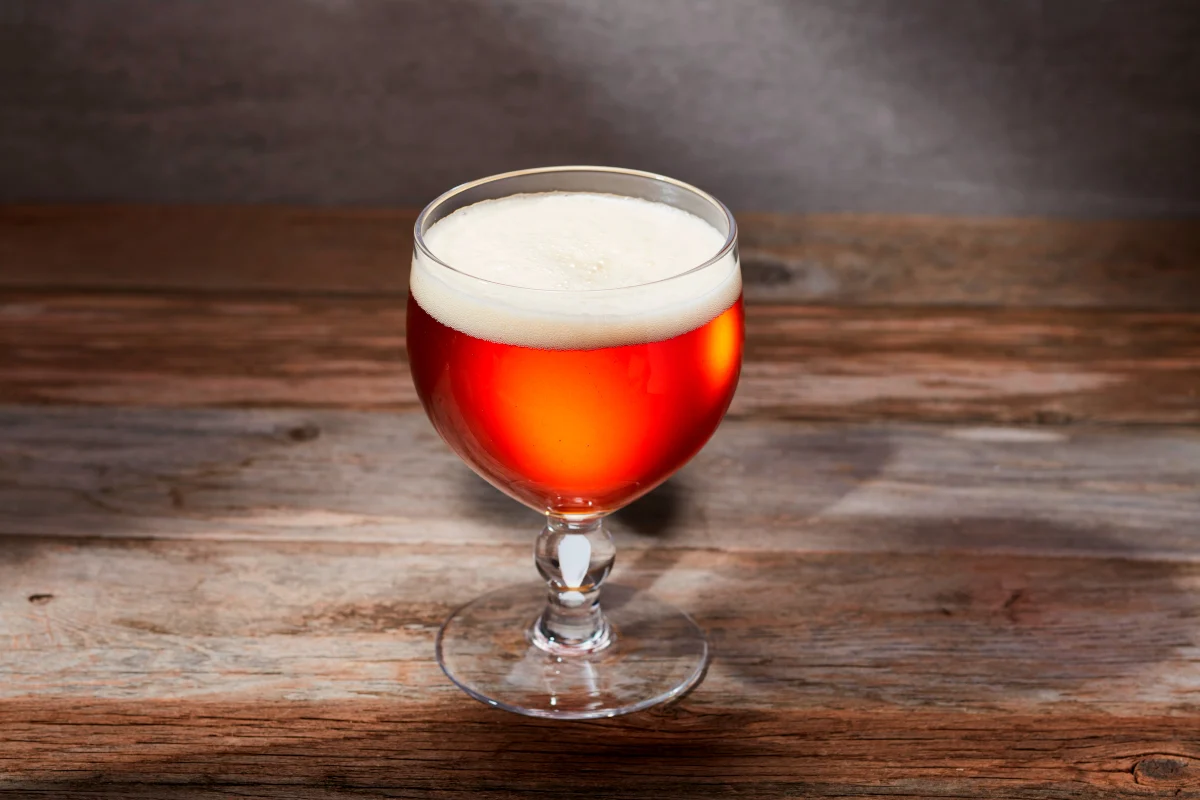
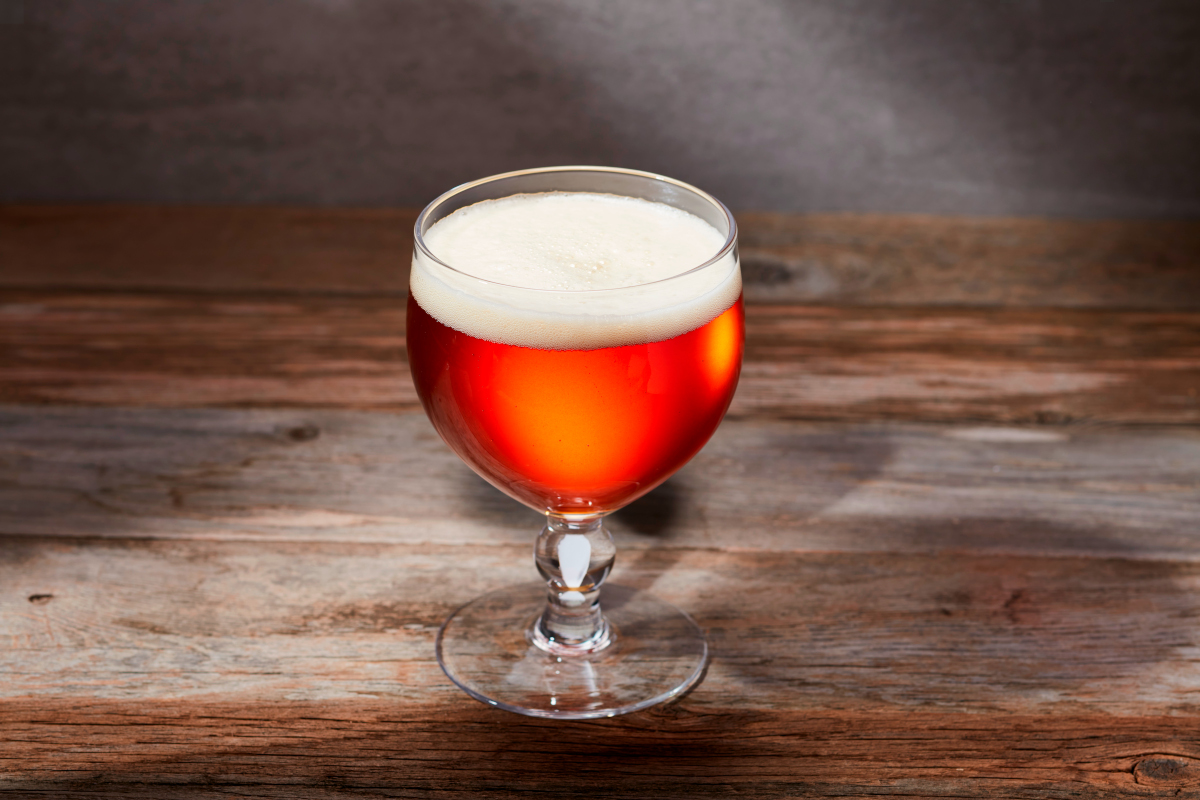
In terms of sensory characteristics, the beer registers at 30 International Bitterness Units (IBU). In the context of a 3.6% ABV beer, 30 IBUs provide a firm, noticeable bitterness that cuts through the malt sweetness, placing it firmly in the category of a traditional British Ordinary Bitter or a modern American Session Ale. The Standard Reference Method (SRM) color rating is 12, which corresponds to a deep copper or light reddish-brown appearance, achieved primarily through the use of crushed crystal malts.
The Chronology of the Brew Day
The production of this Copper Ale follows a rigorous 60-minute boiling schedule, preceded by a critical steeping phase that establishes the beer’s foundational color and flavor.
Phase I: The Extraction (0 to 45 Minutes)
The process begins with the steeping of crushed crystal malt in 1.5 gallons (5.7 L) of water. The water must be maintained at a precise temperature of 150°F (65.5°C). This temperature is vital; it is high enough to dissolve the sugars and color compounds within the caramelized grain but low enough to avoid the extraction of harsh tannins from the grain husks. After 30 minutes, the grains are strained.
To maximize yield, the brewer performs a "sparge"—rinsing the grains with 170°F (76.5°C) water. This step continues until the specialty grain liquor, or "wort," reaches a volume of 2.5 gallons (9.5 L). At this stage, dried malt extract (DME) is integrated, providing the primary fermentable base, and the mixture is brought to a vigorous boil.
Phase II: The Boil and Hopping Schedule (Hour 1)
Once the boil is established, the "bittering hops" are added. These hops are boiled for the full 60 minutes to isomerize their alpha acids, which provides the foundational bitterness required to balance the malt.
As the boil progresses, timing becomes critical for aroma and clarity:
- T-minus 20 minutes: Flavor hops are introduced. At this stage, the shorter exposure to heat preserves the essential oils that contribute to the beer’s taste profile rather than just its bitterness.
- T-minus 10 minutes: Irish moss, a clarifying agent derived from seaweed, is added. This helps coagulate proteins, which will eventually settle out of the liquid, ensuring a clear final product.
Phase III: Cooling and Primary Fermentation (Days 1 to 6)
Upon completion of the 60-minute boil, the concentrated wort is racked into a sanitized fermenter containing 2 gallons (7.6 L) of cold water. This "top-up" method is a common technique in extract brewing to reach the final 5-gallon volume while simultaneously aiding in the cooling process. The target temperature for yeast pitching is 70°F (21°C).
Aeration is essential at this stage to provide the yeast with the oxygen necessary for healthy cellular reproduction. The recipe calls for an active yeast starter to ensure a robust fermentation onset. The primary fermentation phase lasts between four to six days, during which the bulk of the sugar conversion occurs.
Phase IV: Secondary Aging and Conditioning
Following primary fermentation, the beer is transferred to a secondary fermenter. This move separates the liquid from the "trub"—the layer of dead yeast and sediment at the bottom—preventing off-flavors. The temperature is then dropped to 60°F (15.5°C) for secondary aging. This cooler environment encourages further clarification and flavor maturation. The final stage involves priming the beer with sugar to facilitate natural carbonation, followed by bottling or kegging.
Background and Context: The Rise of the "Session" Movement
The emergence of recipes like the Session Copper Ale is a direct response to a decade of "high-gravity" dominance in the craft beer sector. For years, the industry was defined by Imperial IPAs and Barrel-Aged Stouts with ABV levels often exceeding 10%. However, consumer fatigue and a growing focus on health and wellness have shifted the market toward "mindful drinking."
According to industry data from the Brewers Association, while India Pale Ales remains the top-selling category, the "Session IPA" and light amber categories have seen steady growth. Brewers are finding that consumers want the complex flavor profiles of craft beer—the toasted biscuit notes of a copper ale or the citrus punch of hops—without the rapid intoxication associated with higher alcohol content. This 3.6% ABV recipe fits perfectly into this "social drinking" niche, allowing for multiple servings over a prolonged period, such as at a sporting event or a long dinner.
Expert Analysis: The Role of Crystal Malt and Yeast Management
Professional brewers note that the success of a low-gravity beer depends entirely on the quality of the ingredients, as there is "nowhere for flaws to hide." In a 10% ABV stout, minor off-flavors might be masked by alcohol warmth or heavy roasting. In a 3.6% Copper Ale, every element is exposed.
The use of Crystal Malt is the "secret weapon" in this recipe. Because crystal malts undergo a specialized kilning process where the sugars are caramelized inside the husk, they provide non-fermentable sugars. These sugars contribute to the "mouthfeel" or body of the beer. Without them, a 3.6% beer might feel watery or "thin." The SRM 12 rating indicates a significant enough addition to provide a silken texture and a sweet, nutty finish that counteracts the 30 IBUs of hops.
Furthermore, the emphasis on an "active yeast starter" in the directions reflects a professional approach to homebrewing. By ensuring a high cell count at the start of fermentation, the brewer reduces the "lag phase," the time during which the wort is vulnerable to infection by wild yeast or bacteria.
Industry Implications and Economic Impact
The accessibility of this brewing process also speaks to the economic resilience of the homebrewing hobby. By utilizing dried malt extract (DME) and a "partial boil" method (starting with 2.5 gallons rather than the full 5), the recipe remains accessible to beginners who may not own large-scale all-grain equipment.
Market analysts suggest that the homebrewing sector serves as a vital R&D wing for the broader craft beer industry. Many professional flagship beers started as 5-gallon "copper ale" experiments in kitchens and garages. As more enthusiasts master these low-ABV styles, we can expect to see a trickling up of these refined, balanced recipes into the commercial marketplace.
In conclusion, the Session Copper Ale represents a sophisticated intersection of traditional brewing chemistry and modern consumer preferences. By adhering to strict temperature controls, a disciplined hopping schedule, and a two-stage fermentation process, brewers can produce a beverage that is both visually stunning and technically sound. This 3.6% ABV brew is more than just a light beer; it is a testament to the fact that in the world of craft brewing, complexity is not always measured by alcohol content, but by the harmony of the ingredients.