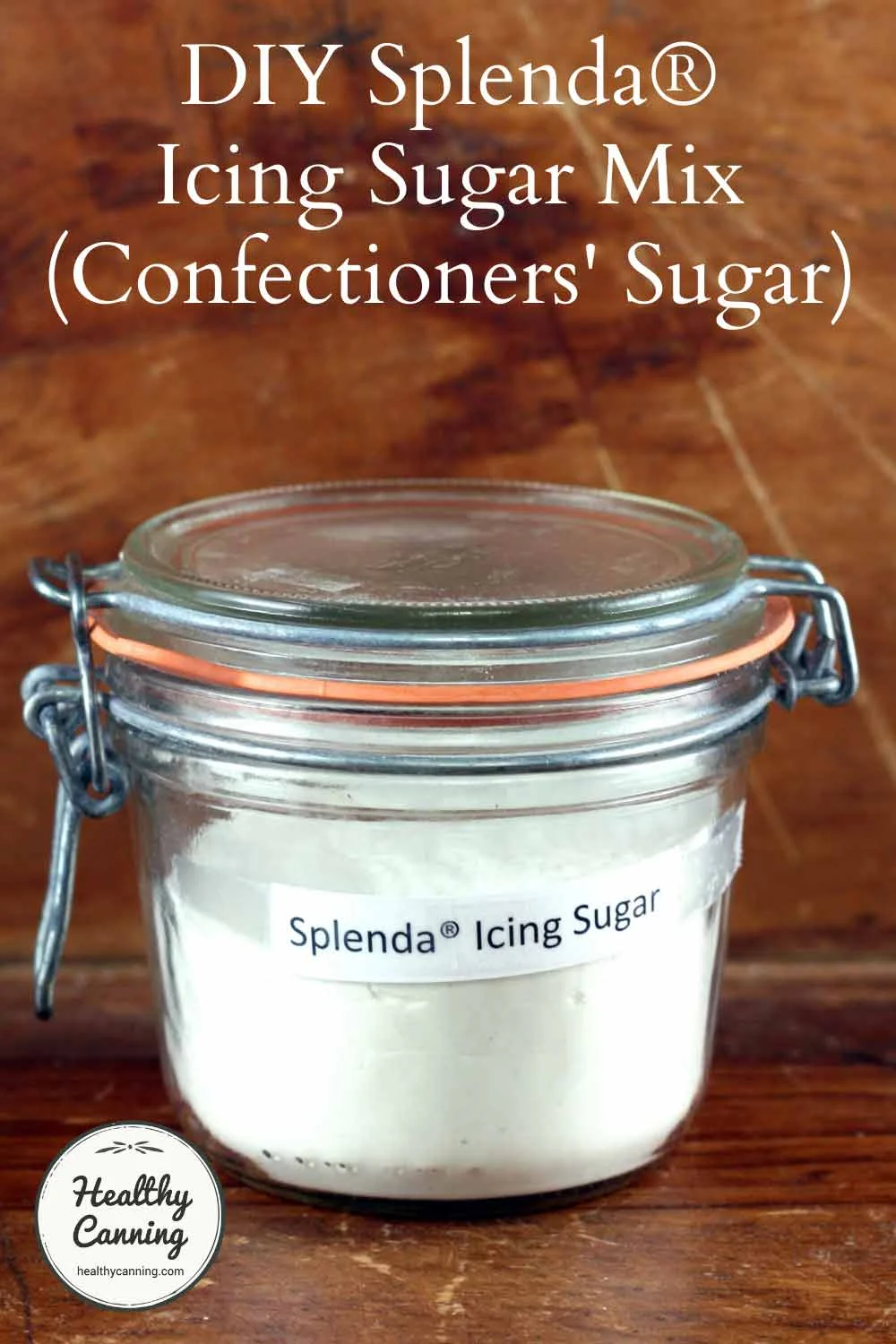

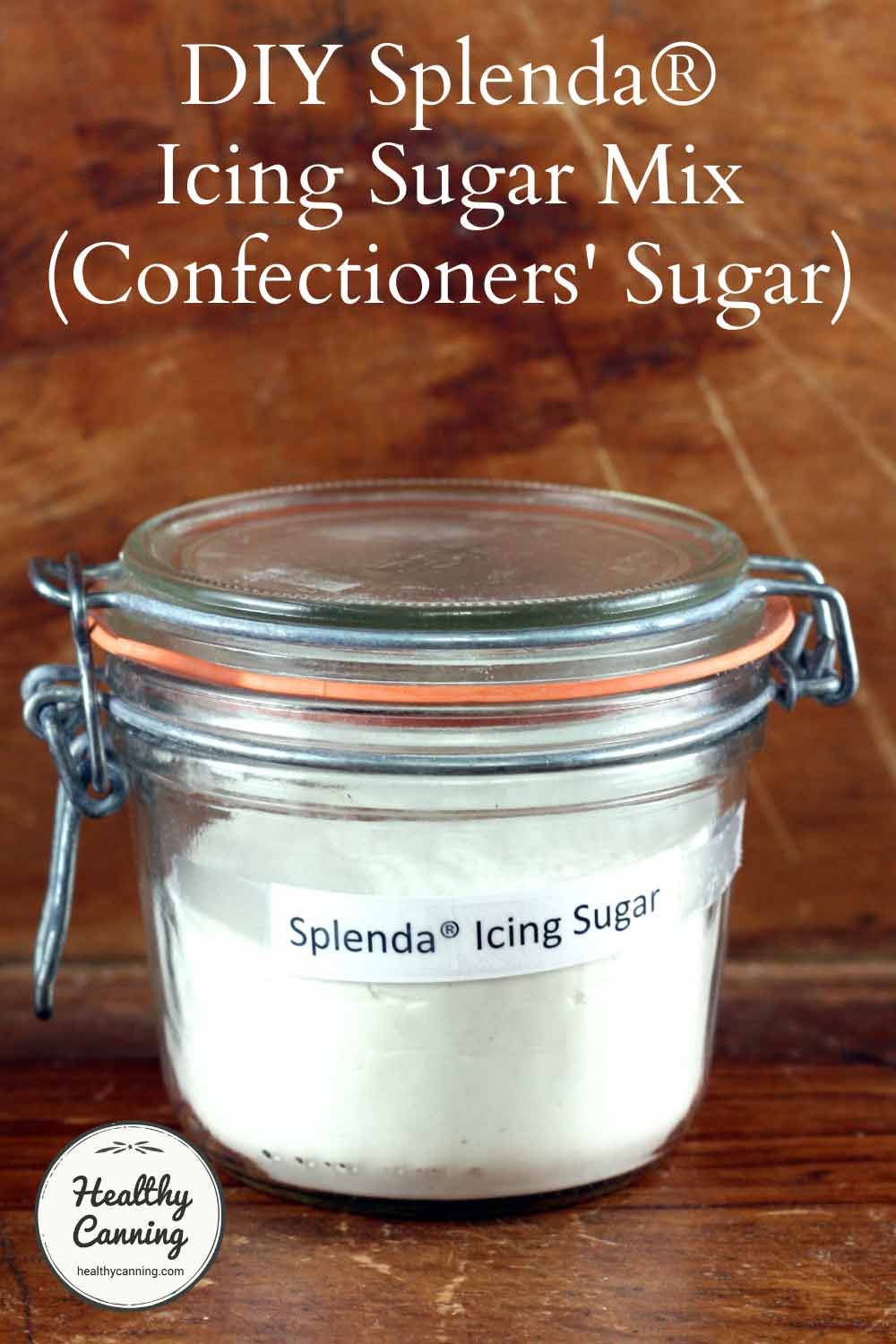
The evolution of home baking has increasingly intersected with metabolic health, leading to a surge in demand for sugar-free alternatives that do not compromise the aesthetic or textural appeal of traditional desserts. Among the most versatile of these innovations is the creation of a Do-It-Yourself (DIY) Splenda-based icing sugar, a chemical-equivalent alternative to traditional confectioner’s sugar designed to serve the needs of the diabetic community and calorie-conscious consumers. This process involves the mechanical reduction of sucralose-based sweeteners into a fine, hygroscopic powder that can be utilized to create glazes, dustings, and decorative finishes for a variety of baked goods. As global obesity rates continue to climb and the prevalence of Type 2 diabetes reaches record highs, the ability to replicate high-sugar pantry staples with low-glycemic substitutes has moved from a niche culinary hobby to a significant component of modern dietary management.
The Evolution of Sucralose and Its Culinary Utility
To understand the efficacy of a DIY Splenda icing sugar, one must first examine the history and chemical composition of the primary ingredient: sucralose. Discovered in 1976 by researchers at Queen Elizabeth College in London, sucralose is a zero-calorie artificial sweetener derived from sucrose through a process that replaces three hydrogen-oxygen groups on the sugar molecule with three chlorine atoms. This modification creates a substance that is approximately 600 times sweeter than table sugar but is not recognized by the human body as a carbohydrate, meaning it is not broken down for energy and does not trigger an insulin response.
For decades, the primary challenge for home bakers was the physical disparity between granulated sucralose and the ultra-fine "10X" powder required for icing. Traditional confectioner’s sugar is produced by grinding granulated sugar into a dust-like consistency and adding a small percentage of cornstarch (usually 3%) to prevent clumping. By applying this same mechanical principle to sucralose-based sweeteners like Splenda, home cooks can bypass the high retail costs of specialty "powdered" sugar substitutes, which are often sold at a significant premium compared to their granulated counterparts.
Technical Methodology: Converting Granules to Powder
The process of creating a functional icing sugar mix from Splenda requires high-speed mechanical agitation to achieve the necessary particle size. Unlike traditional sugar, which has a crystalline structure that shatters relatively easily, sucralose-based bulking agents—often maltodextrin or dextrose in the case of Splenda—require specific handling to ensure a uniform texture.

According to culinary data and home preservation standards, the most effective method involves blending small batches of granulated sucralose. For a standard yield of two cups (approximately 150 grams), it is recommended to process one to two cups at a time in a high-powered blender or a clean coffee grinder. This prevents the friction-induced heat of the blades from causing the sweetener to gum up or lose its airy consistency. The resulting powder is exceptionally light and must be handled carefully to avoid "dusting," where fine particles become airborne.
While the primary recipe focuses on Splenda, the methodology is adaptable. Generic sucralose or powdered stevia products that measure one-to-one with sugar by volume can be substituted. However, bakers must be aware that different sweeteners possess varying degrees of solubility and "mouthfeel." Sucralose is favored in this context because it maintains its sweetness under heat and does not have the bitter aftertaste often associated with high concentrations of stevia.
Nutritional Analysis and Comparative Data
The primary driver behind the adoption of DIY Splenda icing sugar is the dramatic reduction in caloric density and glycemic load. A standard batch of traditional icing made with cane sugar can contain upwards of 400 to 500 calories, primarily derived from simple carbohydrates. In contrast, a batch of icing made with the Splenda DIY mix and low-fat margarine contains significantly fewer calories.
Data indicates that a single batch of this DIY icing, when prepared with a low-fat spread such as "I Can’t Believe It’s Not Butter Light," contains approximately 35 calories. If a baker opts for traditional dairy butter, the count rises to roughly 102 calories per batch—still a fraction of the caloric content found in commercial frostings.
The nutritional profile of the base mix (yielding four batches) is as follows:
- Total Calories: 124 kcal
- Carbohydrates: 32g (largely from bulking agents like maltodextrin, which have a minimal impact on blood glucose in these quantities)
- Sugars: 15g (depending on the specific brand of sucralose mix used)
- Fat: 1g
- Sodium: 1mg
This profile makes the icing accessible for individuals managing gestational diabetes, Type 1 and Type 2 diabetes, and those on calorie-restricted diets for weight management.
Practical Application: From Mix to Glaze
It is a common misconception in sugar-free baking that powdered sucralose will behave identically to powdered sucrose. In traditional baking, sugar provides structure and volume. Because sucralose is used in much smaller quantities (even with bulking agents), it creates a "glaze" rather than a thick, stiff "buttercream" frosting.
To transform the DIY mix into a usable icing, the powder must be combined with a fat source, a flavoring agent, and a liquid. A standard preparation involves:
- Whisking the powdered mix with a small amount of softened margarine or butter.
- Adding vanilla extract or other flavorings (almond, lemon, or butterscotch).
- Incorporating water or milk one teaspoon at a time until the desired viscosity is achieved.
For chocolate variations, the addition of unsweetened cocoa powder is required. Because cocoa powder is naturally low in calories and high in fiber, it integrates well with the sucralose base without significantly altering the glycemic impact.
Market Context and Economic Implications
The rise of DIY pantry staples is reflective of a broader economic trend toward "from-scratch" food preparation. As of 2023, the price of specialty keto and diabetic-friendly baking products has risen at a rate exceeding standard inflation. Pre-packaged sugar-free powdered sweeteners often retail for three to five times the price of granulated versions. By producing the powder at home, consumers can save an estimated 60% to 75% on the cost of the ingredient.

Furthermore, the DIY approach allows for greater quality control. Commercial sugar-free mixes often contain sugar alcohols like erythritol or xylitol, which can cause gastrointestinal distress in some individuals. By using a sucralose-based DIY mix, bakers can avoid these additives while achieving a similar culinary result.
Social and Health Implications
The availability of reliable, low-calorie icing recipes has significant psychological implications for those on restrictive diets. Food scientists and dietitians note that "dietary compliance"—the ability of a patient to stick to a healthy eating plan—is greatly improved when they do not feel a sense of total deprivation. Being able to enjoy a birthday cake or a holiday brownie with a visually appealing icing allows individuals with chronic health conditions to participate in social rituals without compromising their physiological stability.
Health organizations, including the American Diabetes Association, have long recognized that non-nutritive sweeteners can be a helpful tool in reducing the intake of added sugars. The DIY Splenda icing sugar represents a practical application of this guidance, empowering consumers to take control of their nutritional intake through simple kitchen technology.
Chronology of the DIY Baking Movement
The trend of "hacking" ingredients for health purposes began to gain mainstream traction in the early 2000s with the rise of the Atkins and South Beach diets. However, it was the digital age that catalyzed the sharing of these techniques.
- 2000-2010: Emergence of online forums where diabetic home cooks shared methods for grinding Splenda to mimic confectioner’s sugar.
- 2011-2018: The "Clean Eating" and "Keto" movements popularized high-speed blenders (such as Vitamix or Ninja), making it easier for the average household to produce fine powders.
- 2020-2021: The COVID-19 pandemic led to supply chain shortages and a renewed interest in "homesteading" skills, including making one’s own baking mixes.
- Present: The refinement of these recipes by organizations like Healthy Canning, which apply rigorous testing to ensure that DIY alternatives meet both taste and safety standards.
Conclusion and Future Outlook
The DIY Splenda icing sugar mix is more than a simple recipe; it is a manifestation of the intersection between food science and home economics. By understanding the physical properties of sucralose and utilizing standard kitchen equipment, consumers can effectively bridge the gap between health requirements and culinary indulgence. As food technology continues to advance, it is likely that we will see even more sophisticated bulking agents that allow sugar-free icings to mimic the structural integrity of heavy frostings. For now, the sucralose glaze remains a gold standard for those seeking a balance between a low-calorie lifestyle and the joy of home baking.