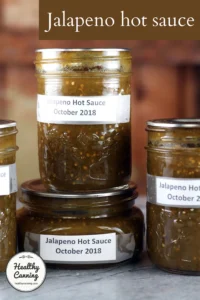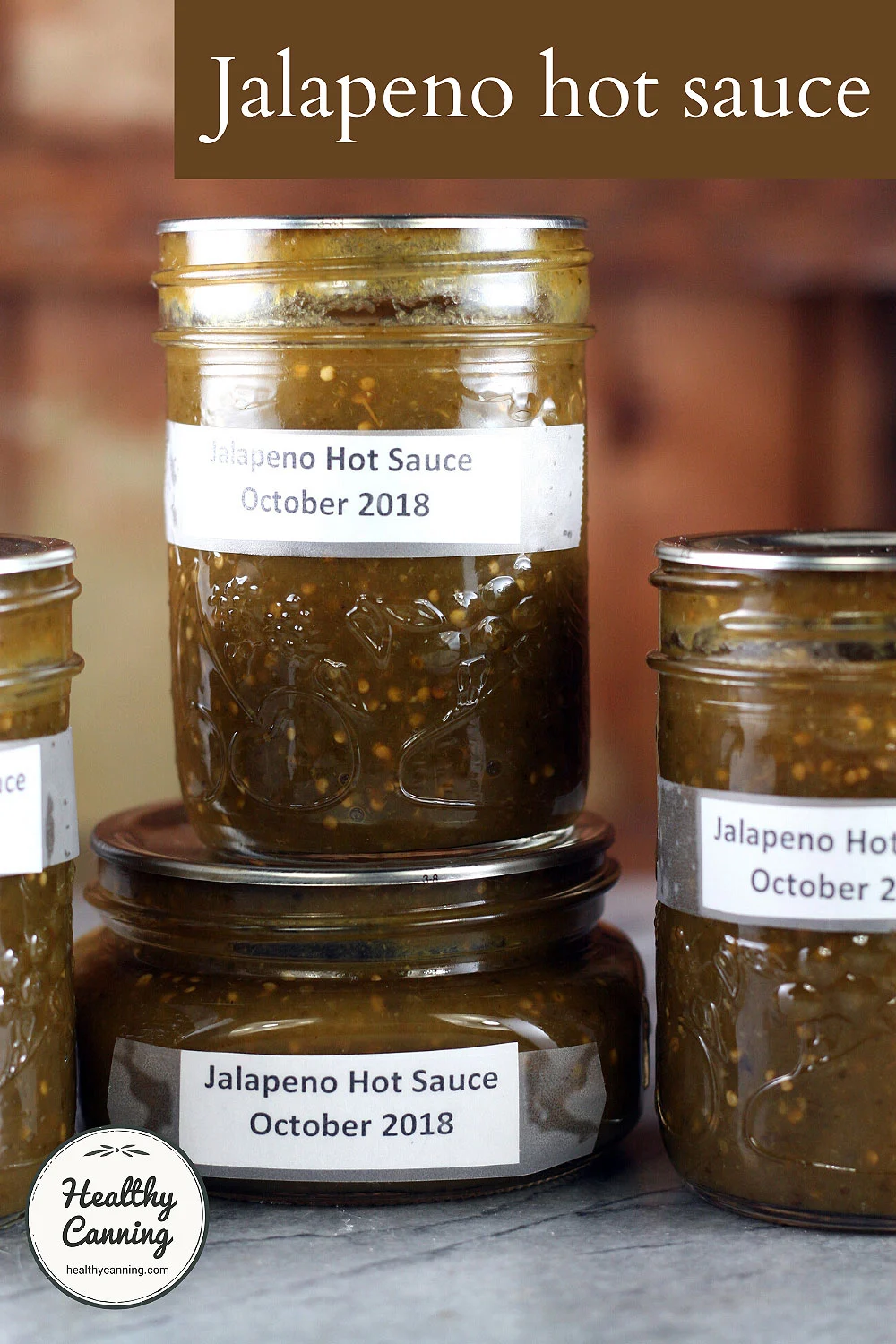

The practice of home canning has undergone a significant transformation from a survivalist necessity to a refined culinary art, driven by a growing consumer interest in food transparency and the science of preservation. Central to this movement is the creation of shelf-stable condiments, such as the thick, spoonable Jalapeno Hot Sauce. This specific recipe, while a modern staple for spicy food enthusiasts, finds its scientific roots in the United States Department of Agriculture (USDA) guidelines for Cayenne Pepper Sauce. By substituting traditional red tomatoes with tart tomatillos and swapping red peppers for vibrant green jalapenos, home preservers have developed a condiment that balances high-intensity heat with the complex acidity of the nightshade family. This transition from a standard red sauce to a specialized green variant illustrates the flexibility of modern canning safety standards when applied with precision and an understanding of botanical pH levels.
The Scientific Framework of Modern Home Canning
The foundation of any safe home-canned product lies in the rigorous testing conducted by organizations such as the National Center for Home Food Preservation (NCHFP). For the Jalapeno Hot Sauce, safety is ensured through the maintenance of high acidity levels, which inhibit the growth of Clostridium botulinum, the bacterium responsible for botulism. The recipe is an adaptation of the USDA’s established Cayenne Pepper Sauce protocol, a choice made by food scientists to ensure that the final product remains within the safe pH range of 4.6 or lower.
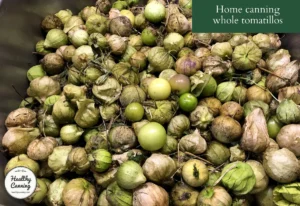
The substitution of tomatillos for tomatoes is a critical component of this recipe’s profile. Tomatillos, or Physalis philadelphica, are naturally more acidic than many modern tomato cultivars, typically registering a pH between 3.76 and 3.93. Because they are more acidic than the ingredients they replace, the safety margin of the original USDA recipe is not only maintained but technically enhanced. Similarly, the use of green jalapenos, which generally fall within the 2,500 to 8,000 Scoville Heat Unit (SHU) range, provides a consistent texture and heat profile that aligns with the density requirements of the original cayenne-based testing.
Ingredient Profile and Culinary Composition
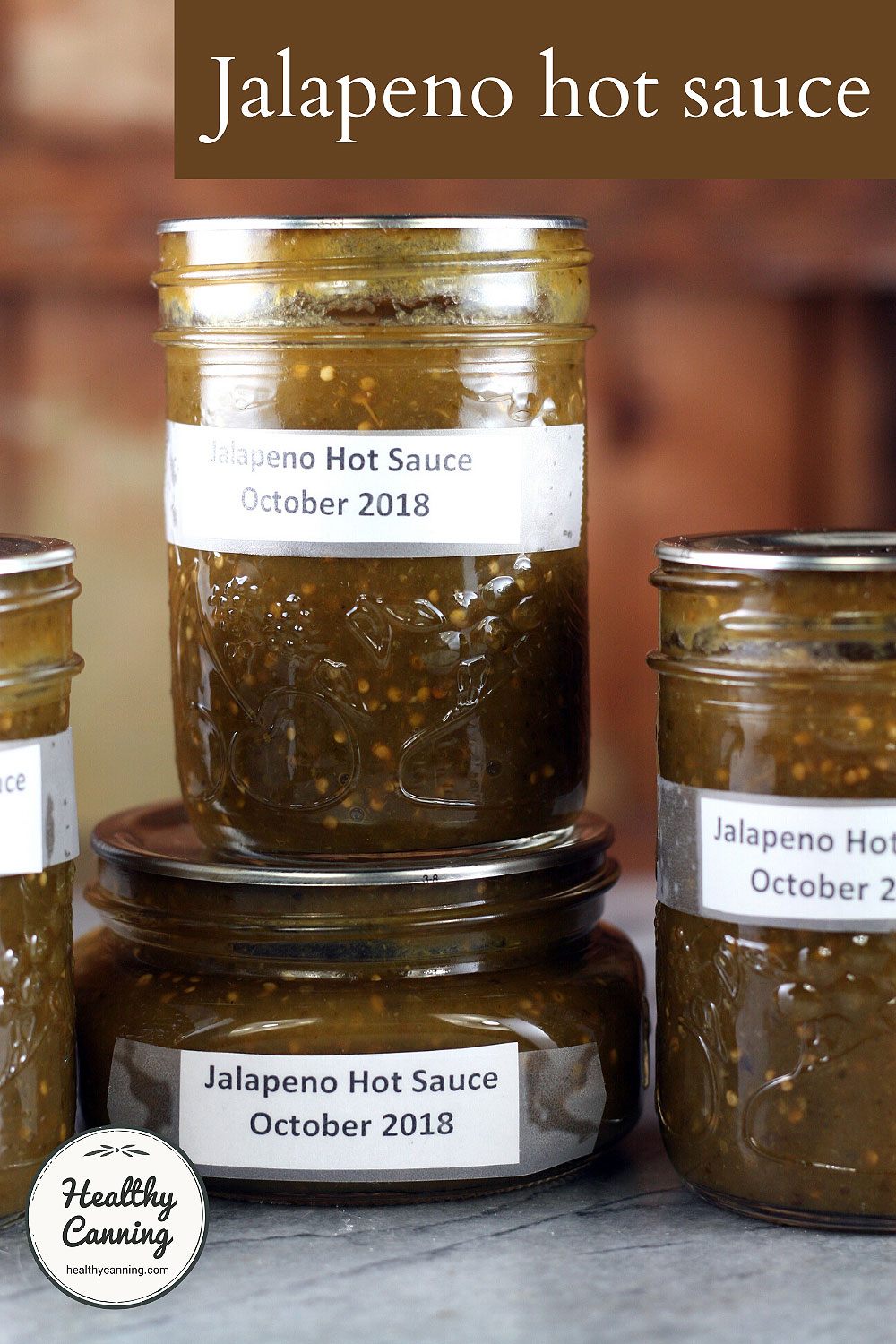
The Jalapeno Hot Sauce is distinguished by its "spoonable" consistency, a departure from the thin, vinegar-heavy sauces popularized by commercial brands in the American South. This thickness is achieved through the reduction of the base ingredients: canned tomatillos and fresh jalapeno peppers.

The Role of the Jalapeno
Jalapenos are harvested at various stages of maturity. While red jalapenos offer a sweeter, more mellow heat, the green jalapenos utilized in this recipe provide a "grassy" and "bright" flavor profile. In the context of canning, the skins and seeds of the pepper contribute to the final viscosity. Home preservers often choose to retain or remove seeds based on desired heat intensity, though the USDA-based methodology assumes a whole-pepper integration to ensure the density of the sauce remains consistent for heat penetration during the processing phase.
The Tomatillo Base
Tomatillos provide the structural "body" of the sauce. Unlike tomatoes, which can become watery when cooked, tomatillos contain high levels of pectin. This natural gelling agent contributes to the thick, condiment-like texture that makes this sauce suitable not just as a topping, but as a base for marinades or a mix-in for spreads.
Chronology of the Canning Process
The production of this hot sauce is a meticulous four-hour endeavor, divided between preparation and active thermal processing. Precision in each phase is required to ensure both culinary quality and biological safety.
- Preparation Phase (1 Hour): This stage involves the cleaning and dicing of the peppers and the preparation of the tomatillo base. Given the high concentration of capsaicin in jalapenos, safety protocols recommend the use of gloves to prevent skin irritation.
- Cooking and Reduction Phase (2 Hours): The ingredients are simmered to allow flavors to meld and to reduce the water content. This reduction is vital for achieving the "thick" consistency noted in the recipe’s specifications.
- Jar Preparation and Filling: The sauce is funneled into sterilized jars—ranging from 125 ml (4 oz) to 500 ml (16 oz)—leaving exactly 2 cm (1/2 inch) of headspace. This gap is essential for creating a vacuum seal during the cooling process.
- Thermal Processing (10 Minutes + Altitude Adjustment): The filled jars are subjected to either a boiling water bath or steam canning. This 10-minute window is the "kill step," ensuring any latent microorganisms are destroyed.
Technical Specifications: Water-Bath vs. Steam Canning
A significant advancement in home food preservation is the official recognition of steam canning as an equivalent to water-bath canning for high-acid foods. The Jalapeno Hot Sauce recipe is compatible with both methods.
- Water-Bath Canning: This traditional method involves submerging jars in boiling water. It is a reliable, time-tested technique but requires significant water and energy to reach and maintain a boil.
- Steam Canning: This method uses a fraction of the water, relying on the consistent temperature of atmospheric steam (212°F or 100°C) to process the jars. It is often preferred by modern home canners for its efficiency and reduced heat output in the kitchen.
Regardless of the method, altitude adjustments are mandatory. As atmospheric pressure decreases at higher elevations, the boiling point of water drops. For every 1,000 feet above sea level, additional processing time must be added to ensure the internal temperature of the sauce reaches the necessary threshold for sterilization.
Expert Reactions and Safety Warnings
The NCHFP rarely adds subjective commentary to its published recipes, making its specific warning regarding this sauce noteworthy. Experts at the center describe the result as a "very hot sauce," a designation intended to caution users against typical condiment-sized portions. The intensity of the heat is a direct result of the concentration of peppers during the three-hour cooking process.
Industry experts suggest that this sauce is best utilized as an ingredient rather than a standalone dip. Suggested applications include:
- Integration into cream-based dips to mellow the capsaicin.
- As a glaze for grilled meats, where the sugars in the tomatillos can caramelize.
- A flavor enhancer for soups and stews.
Data and Nutritional Analysis
From a nutritional perspective, the Jalapeno Hot Sauce is a low-calorie, high-flavor addition to a diet. Data provided by nutritional analysis services indicates that a single tablespoon serving contains approximately 8 calories. The macronutrient breakdown is as follows:
- Carbohydrates: 1.6g
- Fiber: 0.3g
- Protein: 0.3g
- Fat: 0.1g
- Sodium: 2mg (making it an excellent option for low-sodium diets)
- Sugar: 0.8g
The high acidity and capsaicin content also act as natural preservatives, though the vacuum seal is what allows for long-term room-temperature storage. Once opened, the sauce must be refrigerated and consumed within a few months.
Broader Implications for the Condiment Industry
The rise of recipes like the Jalapeno Hot Sauce reflects a broader shift in the global condiment market, which was valued at over $23 billion in 2022 and continues to grow. Consumers are increasingly moving away from mass-produced, stabilized sauces in favor of small-batch, artisanal, or home-preserved options.
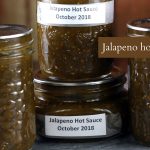
The preference for "green" sauces—often associated with salsa verde or Caribbean-style hot sauces—indicates a move toward more complex flavor profiles that prioritize acidity and herbal notes over the blunt heat of red chili vinegars. Furthermore, the ability for individuals to safely modify USDA recipes (such as the tomatillo-for-tomato swap) empowers home cooks to experiment without compromising food safety. This "safe modification" movement is a cornerstone of modern food science education, bridging the gap between rigid laboratory standards and the creative realities of the home kitchen.
Final Considerations for the Home Preserver
For those looking to replicate this recipe, the math of preservation is as important as the ingredients. The recipe yields five half-litre (US pint) jars, a significant volume that may exceed the needs of a single household. Experts recommend calculating ingredient ratios on paper before beginning to ensure the balance of vinegar and solids remains within safety parameters.
Furthermore, the strength of the vinegar used is non-negotiable. In the United States, standard canning vinegar is 5% acidity. Preservers in regions like Australia or New Zealand must be vigilant, as retail vinegars in those markets often hover around 4% acidity, which is insufficient for the safe preservation of this specific hot sauce.
As culinary trends continue to favor bold, spicy, and authentic flavors, the Jalapeno Hot Sauce stands as a testament to the enduring relevance of home canning. It is a product of both history and chemistry, offering a window into the meticulous standards that keep our food supply safe while satisfying the modern palate’s demand for heat.