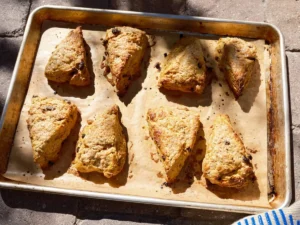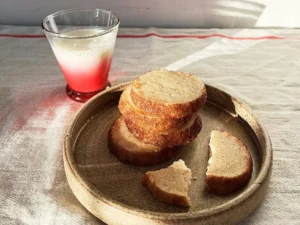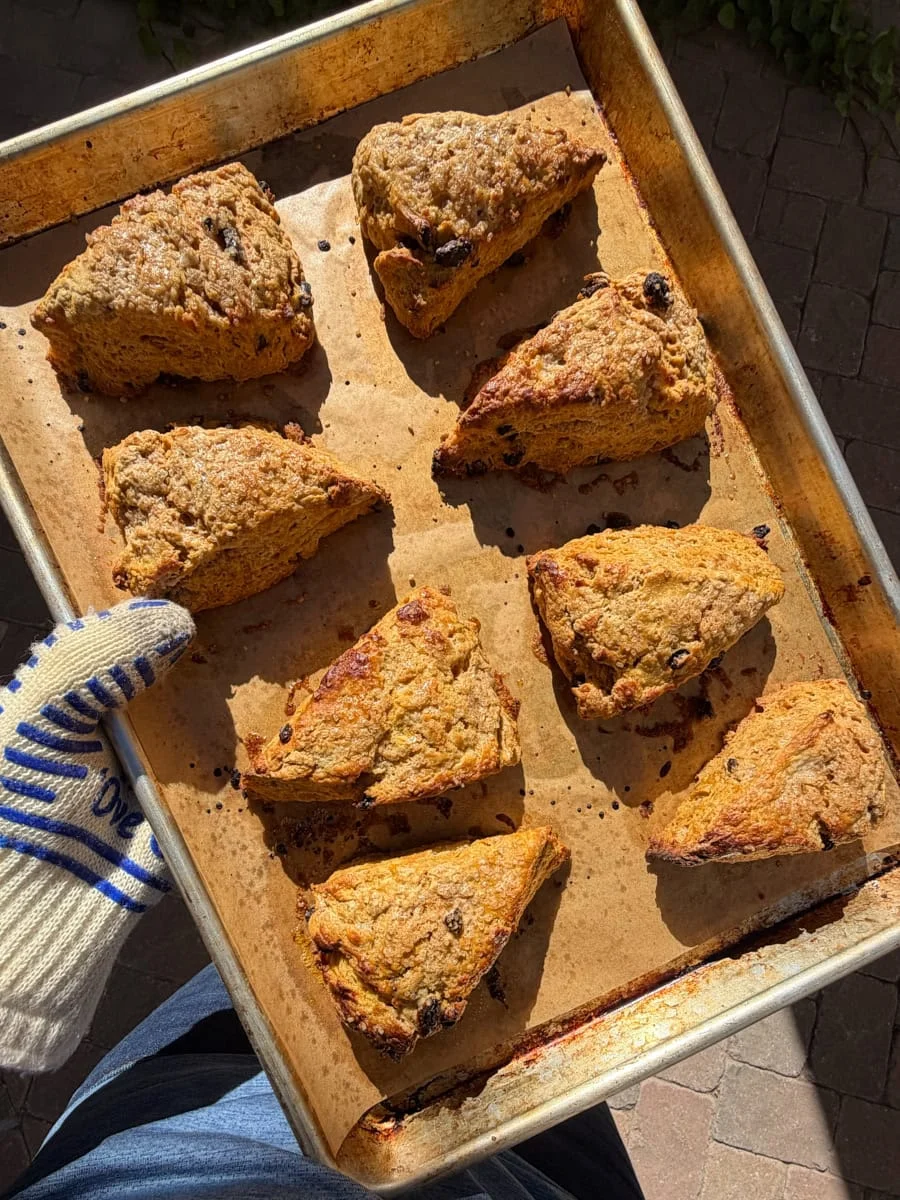

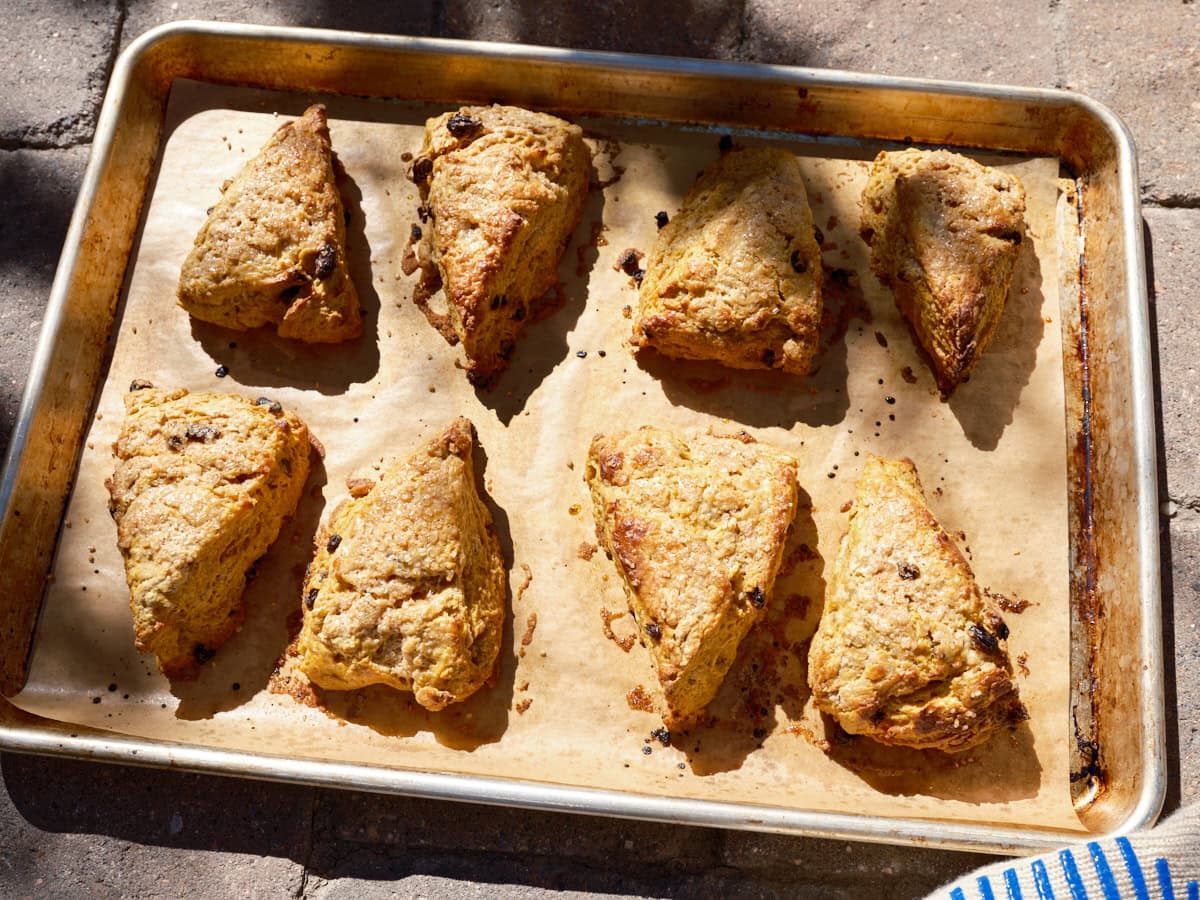
The culinary world, much like the changing seasons, is often marked by the return of beloved flavors. For many, the embrace of autumn signifies a craving for the warm, comforting notes of pumpkin. However, the quest for the perfect pumpkin scone can be a journey fraught with textural compromises – a dichotomy between the dry, dense ideal and a crumb that crumbles too readily. A recent development in artisanal baking aims to bridge this gap, offering a sourdough pumpkin scone that boasts a soft, yielding interior encased in a satisfyingly craggy, sturdy crust. This innovation, spearheaded by bakers who value both flavor complexity and textural excellence, presents a compelling alternative to traditional scone formulations, particularly for those navigating the unique challenges of high-altitude baking.
At its core, this recipe is a testament to the evolving landscape of sourdough baking, moving beyond the loaf to explore the potential of discarded starter in a variety of applications. The sourdough discard, a byproduct of maintaining a sourdough culture, contributes a subtle tang and depth of flavor that complements the sweetness of pumpkin and the earthy notes of einkorn flour. This approach not only minimizes waste but also elevates the humble scone into a more sophisticated baked good.
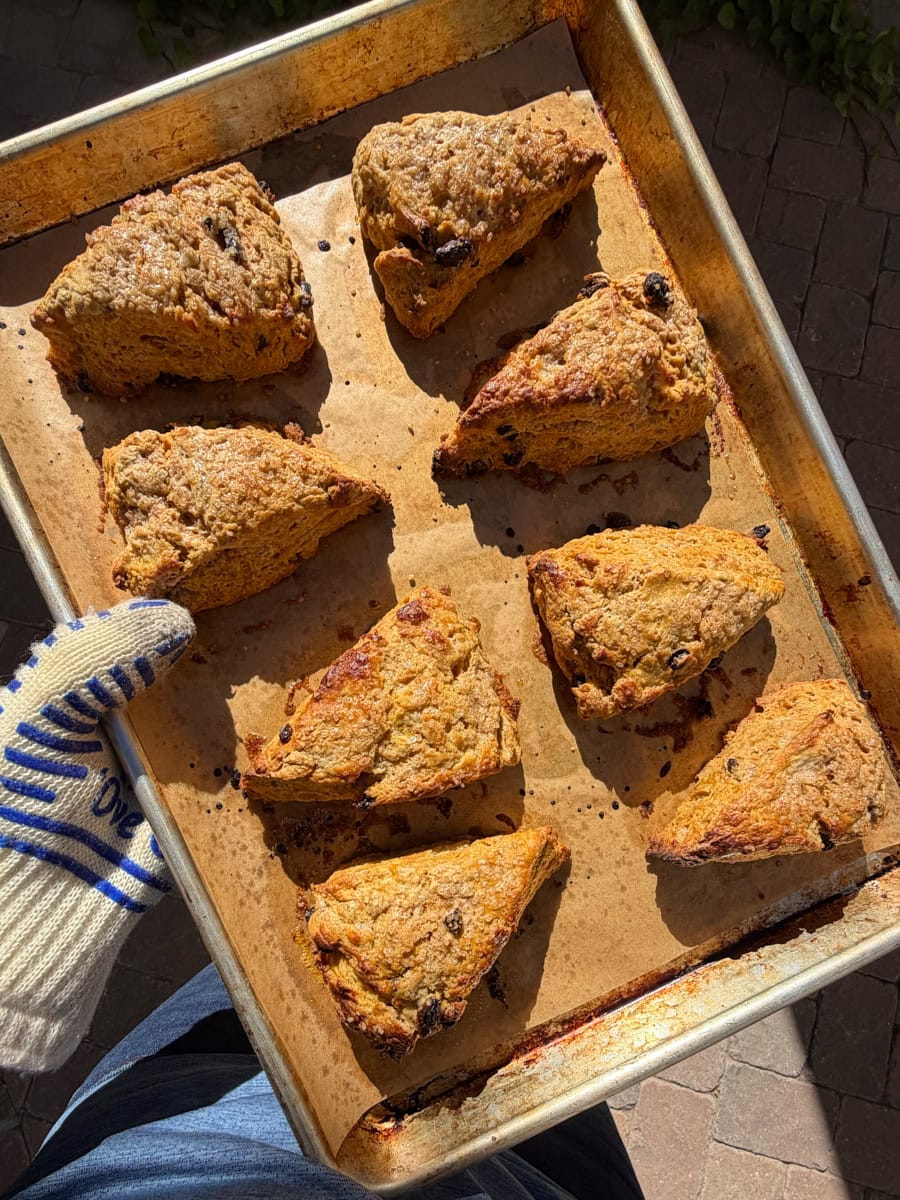
The distinction between a scone and a biscuit often hinges on regional culinary traditions and a slight leaning towards sweetness. While the technicalities may be debated, the defining characteristic of these particular pumpkin scones is their sweet profile, firmly placing them in the scone category for many bakers. The unique texture achieved – a tender crumb coupled with a robust exterior – has been the subject of dedicated experimentation, yielding insights that are particularly valuable for those residing at higher elevations.
Unlocking the Secret to Tall, Craggy Scones
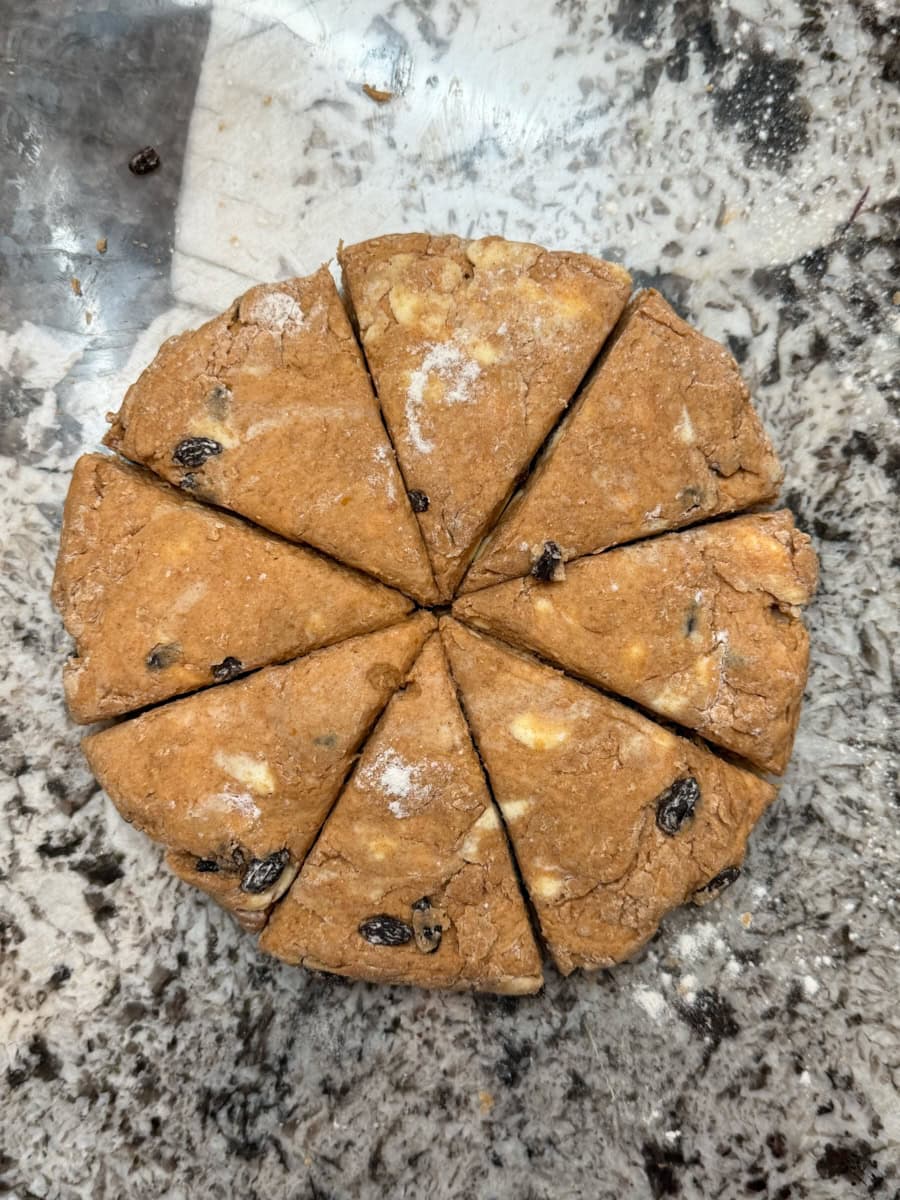
The pursuit of a perfectly risen scone, one that eschews the undesirable flatness of over-spreading, has led to the development of specific techniques. The author of this innovative recipe notes that these methods are not merely about aesthetics but also about achieving an optimal texture. For bakers at high altitudes, where atmospheric pressure is lower and ingredients behave differently, these adjustments become even more critical. Just as with high-altitude sourdough bread baking, where precise modifications can mean the difference between a successful loaf and a dense brick, small tweaks in scone formulation and preparation can transform a potentially flat scone into a proudly tall, well-defined creation.
The implication of these findings is significant for the home baker. It suggests that the perceived limitations of high-altitude baking are not insurmountable barriers but rather opportunities for culinary refinement. By understanding the principles at play – the interaction of ingredients under different atmospheric conditions and the role of baking methods – even novice bakers can achieve professional-quality results.
The Versatility of Flour: Embracing Einkorn and Beyond
A key element in the development of these sourdough pumpkin scones is the use of einkorn flour. Einkorn, an ancient grain, is known for its distinct nutty flavor and rustic character. Its inclusion lends a wholesome depth that beautifully balances the sweet and spiced notes of the pumpkin. However, the recipe acknowledges that einkorn may not be readily available in all pantries.
In such instances, a direct substitution with whole wheat flour is recommended. The author specifically suggests heritage varieties like Red Fife, Butler’s Gold, or Marquis, highlighting their ability to impart a similar earthy complexity. This flexibility ensures that the recipe remains accessible, allowing bakers to adapt it to their local or preferred flour selections. The choice of flour is not merely functional; it’s a deliberate decision to enhance the overall flavor profile, moving beyond a generic sweet pastry to a scone with nuanced, earthy undertones.
The data on ancient grains like einkorn indicates a higher protein content compared to modern wheat, but with a different gluten structure. This can make it more delicate to work with, underscoring the importance of the other ingredients and techniques employed in this recipe to manage its texture.
The Power of Buttermilk: Acidity, Tenderness, and Flavor Fusion
The choice of liquid in baking can profoundly impact the final texture and flavor. For these sourdough pumpkin scones, buttermilk emerges as a star ingredient. While it contains less fat than heavy cream, its significant acidity is the catalyst for achieving a tender and flaky crumb.
The low pH of buttermilk interacts with the gluten network, making it more relaxed and extensible. This is particularly beneficial when working with flours like einkorn, which possess a more delicate gluten structure. The acid essentially tenderizes the dough, preventing it from becoming tough.
Furthermore, the acidity of buttermilk plays a crucial role in enhancing the flavor profile. It creates a delightful interplay with the inherent tang of the sourdough starter and the natural sweetness of the pumpkin. This is a departure from recipes that rely solely on the high fat content of heavy cream to achieve flakiness, as seen in some more traditional sourdough scone recipes. In those instances, the fat coats the flour particles, creating distinct layers that separate during baking. The buttermilk approach, while different, achieves a similar goal of tenderness through a different mechanism – the chemical reaction of acid on gluten.
Nutritional data consistently shows that buttermilk, with its typical fat content of 1-2%, offers a lighter alternative to cream, which can contain upwards of 36% fat. This makes the buttermilk-centric approach a more health-conscious option without sacrificing the desired textural qualities.
Convection Baking: The Key to a Taller Rise
The quest for a taller, more visually appealing scone has led to the discovery of convection baking’s significant advantages. The intense and even heat generated by convection ovens plays a vital role in the initial stages of baking. As the scones enter the hot oven, the convection heat rapidly forms a crust on the outer edges of the dough.
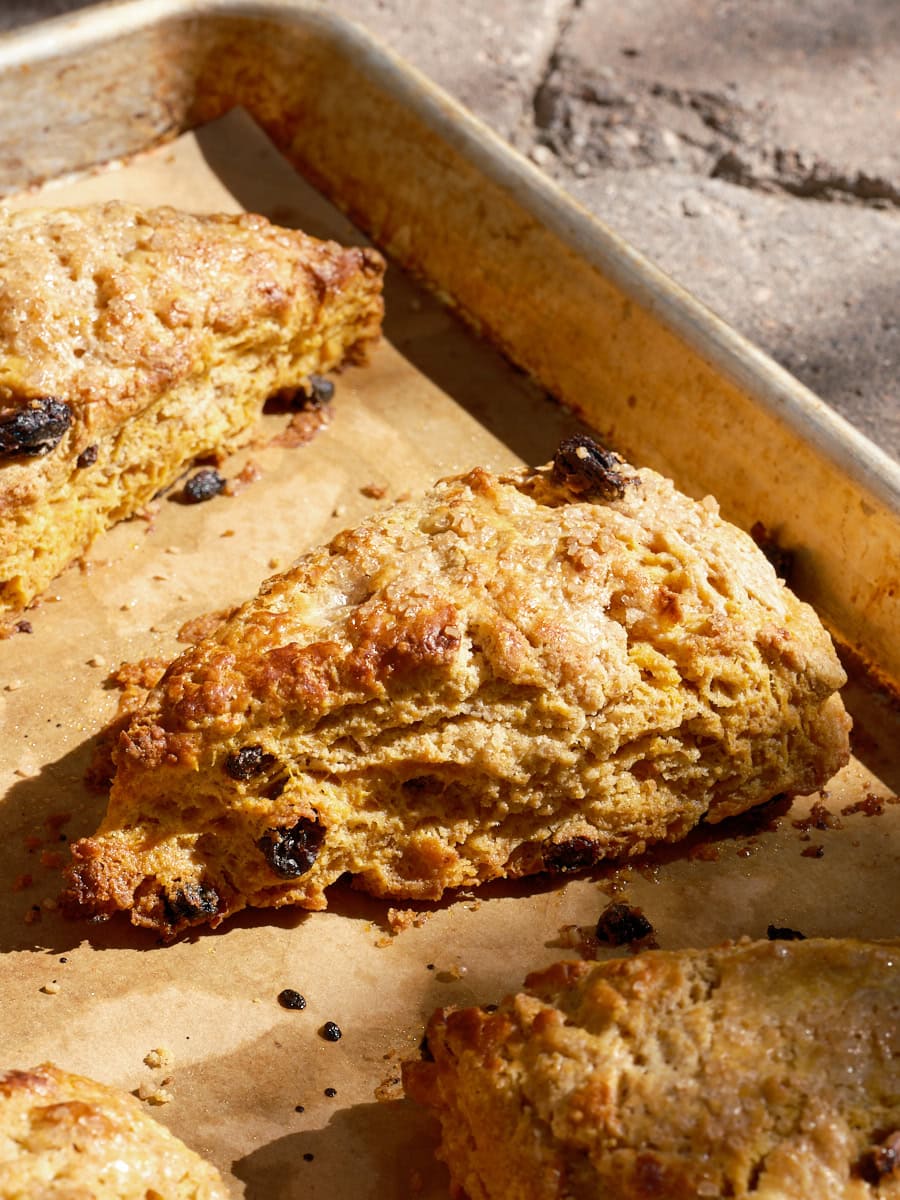
This rapid crust formation acts to "set" the dough quickly, preventing it from spreading outwards and downwards. The result is a scone that rises vertically, achieving that desirable tall and craggy appearance. This technique is not universally applicable to all baking, particularly when steam is essential for bread crust development. However, for scones, where a distinct structure is paramount, convection is a game-changer.
For bakers who do not have a convection oven, a practical workaround has been suggested: increasing the conventional oven temperature by approximately 25°F (about 14°C) for the initial minutes of baking. This can help to mimic the rapid heat transfer of convection, encouraging a similar setting of the dough and a taller rise. The impact of this simple adjustment can be substantial, transforming a potentially flat scone into a beautifully formed pastry.
Adapting for Altitude: A Deeper Dive
The challenges of high-altitude baking are well-documented. At elevations above 3,000 feet (approximately 914 meters), lower atmospheric pressure leads to several key differences in how baked goods behave:
- Leavening: Gases expand more readily, causing doughs to rise faster and potentially collapse if not managed.
- Moisture Evaporation: Water boils at a lower temperature, leading to faster evaporation of liquids from doughs and batters.
- Sugar Crystallization: Sugars tend to crystallize more readily, which can affect texture and browning.
For these sourdough pumpkin scones, the high-altitude baker might find that the dough becomes slack more quickly due to increased leavening from the sourdough starter. The rapid evaporation can also lead to a drier dough if not accounted for. The techniques discussed – the use of buttermilk for gluten relaxation and convection baking for rapid setting – are therefore particularly pertinent.
The author’s experience in the high desert of New Mexico underscores the practical application of these principles. The recommendation to use convection or a slightly higher initial baking temperature directly addresses the need to counteract the tendency for doughs to spread at altitude. This thoughtful approach demonstrates an understanding of the science behind baking and its environmental variables.
Frequently Asked Questions: Addressing Common Baking Queries
The development of any popular recipe inevitably leads to a series of common questions from home bakers. For these sourdough pumpkin scones, several inquiries frequently arise, covering ingredient substitutions and troubleshooting.
What can I use instead of pumpkin puree?
Beyond pumpkin, bakers can successfully substitute sweet potato puree or butternut squash puree, maintaining the same weight as the pumpkin. For a slightly sweeter profile and a different flavor dimension, applesauce or mashed banana (approximately 100g) can also be used. It’s important to note that these alternatives will subtly alter the final flavor and moisture content of the scones.
What if I don’t have einkorn flour?
As previously mentioned, any whole wheat flour can be used as a direct substitute for einkorn. The specific characteristics of different whole wheat varieties will impart slightly different flavor profiles, but the fundamental baking properties will be similar.
What if I don’t have buttermilk?
Buttermilk is often a staple for sourdough enthusiasts, given its utility in various recipes. However, for those without it, a simple homemade substitute can be created. By adding 1 teaspoon (5g) of white vinegar or lemon juice to 70g of whole milk and allowing it to sit for about 5 minutes, the milk will curdle slightly, mimicking the acidity of buttermilk. Alternatively, kefir can be used as a one-to-one replacement.
I’m not a fan of raisins. What else can I use?
Raisins are a classic addition, but for those who prefer alternatives, dried cranberries offer a tart counterpoint. Fresh or even frozen blueberries also present a delightful variation, introducing a burst of juicy sweetness that complements the pumpkin.
The Broader Impact: Sourdough and Seasonal Baking
The popularity of sourdough baking has seen a significant resurgence in recent years, driven by a desire for healthier, more flavorful, and artisanal baked goods. This trend extends beyond traditional bread, with sourdough starter discard finding its way into a myriad of recipes, from pancakes and waffles to cookies and, now, scones.
The integration of seasonal ingredients like pumpkin into sourdough creations further enhances their appeal. It allows bakers to connect with the rhythm of the year through their culinary endeavors, creating dishes that are both comforting and contemporary. The development of recipes like these sourdough pumpkin scones represents a sophisticated evolution in home baking, merging time-honored techniques with modern culinary sensibilities.
The implications of this recipe extend to the broader food community. It encourages experimentation, promotes the use of whole grains and fermented foods, and offers practical solutions for common baking challenges, particularly at higher altitudes. By sharing these insights and adaptable recipes, bakers like the author contribute to a more inclusive and innovative baking landscape.
Looking Ahead: Maximizing Leftover Pumpkin
For those who find themselves with leftover pumpkin puree after crafting these delightful scones, several complementary recipes offer delicious ways to utilize this seasonal ingredient. A hearty loaf of Pumpkin Cinnamon Sourdough Bread provides a perfect pairing, showcasing the warm spices and earthy pumpkin in a different form. For a quicker and simpler option, Pumpkin Pancakes made with sourdough starter offer a delightful breakfast or brunch alternative. These suggestions underscore the versatility of pumpkin and the ongoing creative possibilities within the realm of sourdough baking.
The journey from a humble pumpkin to a perfectly baked, tall, and tender sourdough scone is a testament to culinary exploration and the power of shared knowledge. These scones, with their craggy crust, soft interior, and nuanced flavor, represent a delightful intersection of tradition, innovation, and the practicalities of baking, especially at the challenging yet rewarding altitudes of the high desert and beyond.