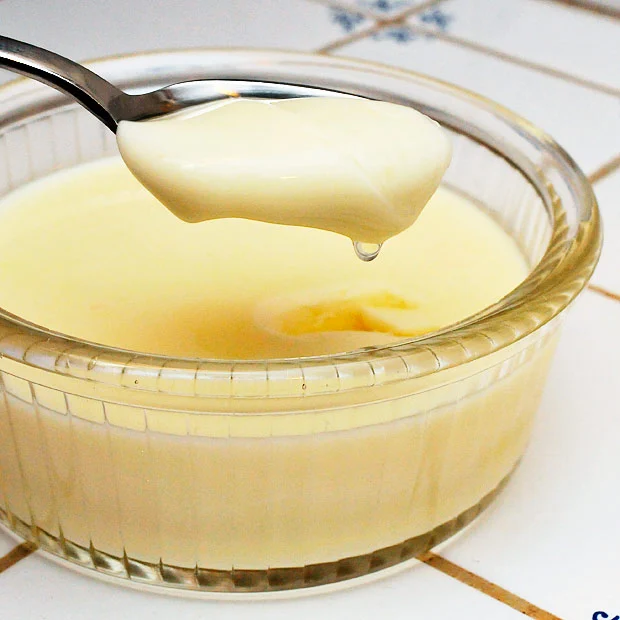

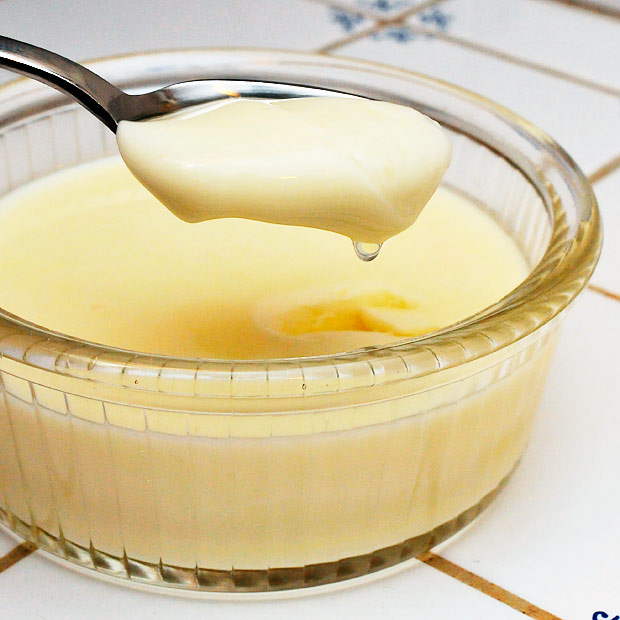
What appears to be a deceptively simple dessert, ginger milk curd (姜汁撞奶/薑汁撞奶), has long perplexed home cooks with its unpredictable nature, often yielding inconsistent results despite its minimal ingredient list of just milk, ginger, and sugar. This traditional East Asian delicacy, celebrated for its tender, melt-in-your-mouth texture and pungent ginger kick, has been the subject of intense culinary frustration and, more recently, rigorous scientific investigation. Researchers delving into the molecular gastronomy of this beloved dish have successfully demystified its delicate formation, debunking prevalent "kitchen myths" and paving the way for a truly fool-proof preparation method. The secret lies in a precise understanding of enzymatic activity and protein coagulation, transforming a finicky recipe into a reproducible delight.
A Culinary Enigma: The Story of Ginger Milk Curd
Ginger milk curd, known as jiang zhi zhuang nai in Cantonese, is a staple dessert originating from the Shawan region of Panyu, Guangzhou, in China’s Guangdong province. Its history stretches back centuries, traditionally served warm, often in small bowls, as a soothing and digestively beneficial treat. The dish’s appeal lies in its unique texture – a delicate, quivering gel that holds its shape but melts effortlessly on the tongue, distinct from gelatin-based desserts or custards thickened with eggs. This distinctive texture, combined with the warming spice of fresh ginger, has cemented its place as a beloved comfort food across East Asia and in diasporic communities worldwide.
The traditional preparation involves heating milk to a specific temperature, often described vaguely as "hot but not boiling," then quickly pouring it into a bowl containing freshly extracted ginger juice. The mixture is then left undisturbed for a few minutes to set. While seemingly straightforward, the success rate for many home cooks has been notoriously low, leading to a proliferation of anecdotal advice and contradictory instructions. Reports of individuals achieving success only 50% of the time, or after numerous failed attempts, are common. Some frustrated cooks even resort to adding egg whites or commercial gelling agents, sacrificing the authentic texture and unique enzymatic mechanism that defines the dish. This inconsistency is the fertile ground from which "kitchen myths" sprout, as individuals try to rationalize random successes and failures by attributing them to irrelevant variables. For instance, advice might range from "the milk must be vigorously stirred" to "never stir at all," or "only use a specific type of milk," highlighting the widespread confusion surrounding this simple yet complex culinary feat.
The Science Unveiled: Ginger Proteases and Casein Coagulation
The scientific breakthrough in understanding ginger milk curd lies in the activity of ginger proteases (GP), specifically an enzyme sometimes referred to as zingipain (EC 3.4.22.67). These enzymes are the unsung heroes of the dish, acting as natural coagulants that transform liquid milk into a tender gel. This process is analogous to cheesemaking, where rennet, containing the enzyme chymosin, is used to curdle milk. Both chymosin and ginger proteases are proteolytic enzymes, meaning they break down proteins into smaller fragments.
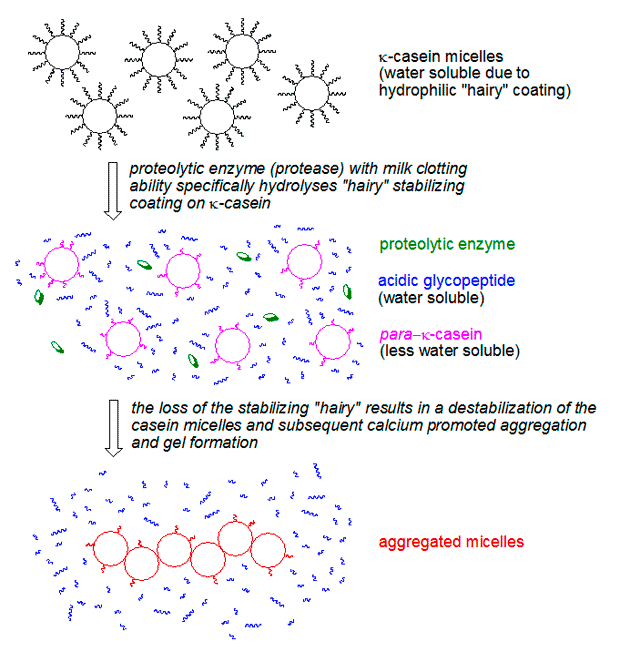
The primary building blocks for the gel are casein proteins, which constitute about 80% of the protein in cow’s milk. Casein proteins naturally aggregate into large colloidal structures called micelles, stabilized by a hydrophilic outer layer primarily composed of κ-casein. This "hairy" layer acts as a protective barrier, keeping the micelles dispersed in the aqueous phase and preventing them from clumping together.
When ginger juice, rich in ginger proteases, is introduced to milk, the enzymes specifically target and cleave the water-soluble portion of the κ-casein. This enzymatic hydrolysis effectively "shaves" the protective layer off the casein micelles, exposing their hydrophobic cores. Without their stabilizing coats, these now vulnerable micelles begin to interact, aggregate, and form a three-dimensional protein network. The calcium ions naturally present in milk play a crucial role in facilitating these interactions, bridging the "shaved" micelles together to form the intricate gel structure. This entire process occurs remarkably quickly, often within 5-10 minutes, yielding the characteristic fragile gel. The inherent fragility of this gel also explains the phenomenon of syneresis, where the gel expels liquid (whey), visible as clear droplets, particularly when disturbed or left for extended periods.
The Critical Temperature Window: A Matter of Enzyme Kinetics
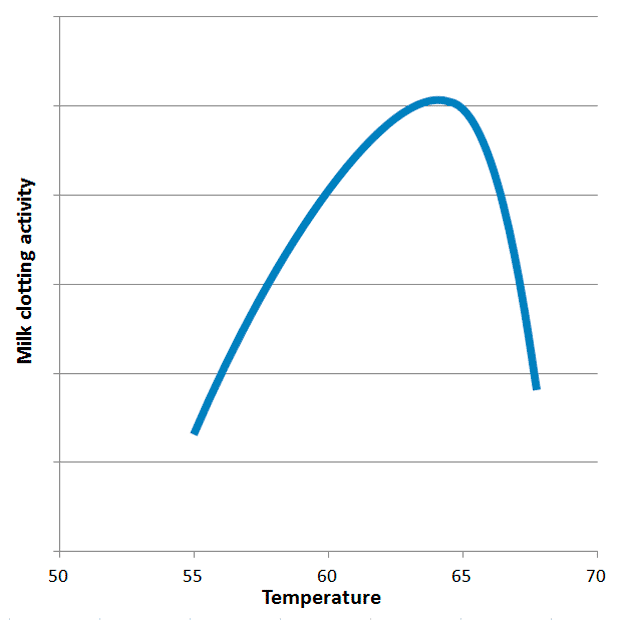
The greatest challenge and the source of most "kitchen myths" surrounding ginger milk curd lies in the extreme temperature sensitivity of ginger proteases. Unlike many enzymes that function optimally over a broader range, GP exhibits a very narrow window of maximum milk clotting activity (MCA). Scientific studies have pinpointed this optimal range to be between 60°C and 65°C.
- Above 70°C: The ginger proteases rapidly denature, meaning their three-dimensional structure is irreversibly destroyed, rendering them inactive. If the milk is too hot when added to the ginger juice, the enzymes are killed before they can act, resulting in liquid milk that fails to set. This explains why recipes calling for "boiling milk" invariably fail.
- Below 60°C: While not denatured, the enzyme activity is significantly reduced. The reaction rate slows dramatically, and the milk may take an unacceptably long time to set, or form a weak, inconsistent gel.
Furthermore, researchers have found that while GP exhibits general proteolytic activity (PA) outside this narrow range, its specific milk clotting activity (MCA) – the targeted hydrolysis of κ-casein essential for gel formation – peaks sharply within the 60-65°C window. This precise enzymatic behavior underscores why a digital kitchen thermometer is not merely a convenience but a crucial tool for consistent success.
Other factors also influence the final gel’s strength and texture. Heating milk above 65°C, even if subsequently cooled, can lead to reduced gel strength. This is because higher temperatures cause whey proteins, such as lactoglobulins, to precipitate and interact with κ-casein, interfering with the enzyme’s ability to cleave the casein micelles effectively. Similarly, milk fat can interfere with gel formation, which is why skimmed milk often produces a stronger, more consistent curd. Higher calcium concentrations in milk also tend to result in a firmer gel, as calcium aids in the aggregation of the "shaved" micelles.
The Instability of Ginger Juice: A Race Against Time
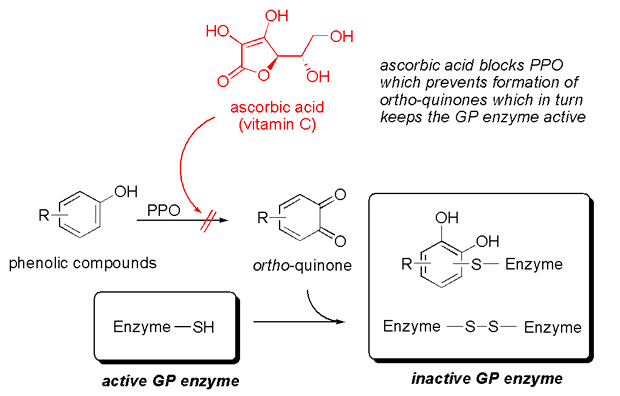
Beyond temperature, the stability of the ginger juice itself is another critical, often overlooked, factor. Freshly squeezed ginger juice contains not only ginger proteases but also another enzyme called polyphenol oxidase (PPO). PPO is notorious for causing enzymatic browning in fruits and vegetables, similar to what happens when an apple is cut and exposed to air.
In ginger juice, once the ginger is grated and its cellular structure is broken, PPO becomes active. It oxidizes phenolic compounds present in the ginger, producing ortho-quinones. These quinones are highly reactive and can then irreversibly bind to and inactivate the ginger proteases. Studies show that at room temperature (around 30°C), the half-life of ginger proteases in freshly prepared juice can be as short as 20 minutes. This means that after just 20 minutes, half of the enzyme’s activity is lost, and after 40 minutes, only 25% remains. This rapid degradation explains why preparing ginger juice in advance or storing it at room temperature can lead to failed attempts.
Fortunately, a simple scientific trick can mitigate this issue: the addition of ascorbic acid (Vitamin C). Ascorbic acid acts as an antioxidant and a reducing agent, effectively blocking the action of PPO. By adding a small pinch (around 0.2%) of vitamin C to freshly squeezed ginger juice, the inactivation of ginger proteases is prevented, allowing the juice to maintain its enzymatic activity for a longer period. This simple step transforms the previously time-sensitive preparation into a more forgiving process.
A Fool-Proof Recipe for Culinary Success
Armed with this scientific understanding, achieving a perfect ginger milk curd becomes a matter of precision rather than luck. The following recipe incorporates these scientific principles to ensure consistent success:
Fool-Proof Ginger Milk Curd Recipe
Ingredients:
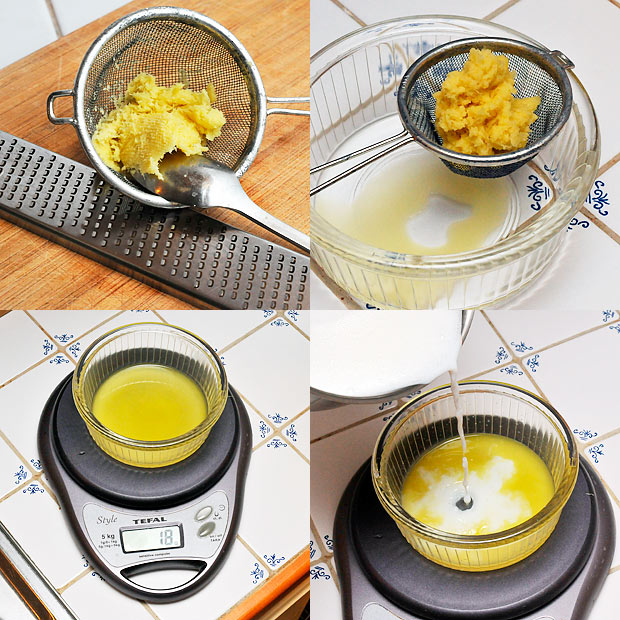
- 250 mL skimmed milk
- 18 g fresh ginger juice (approximately 31 g peeled ginger or 43 g raw ginger)
- 20 g sugar
Equipment:
- Digital kitchen thermometer
- Microplane or fine grater
- Fine-mesh sieve or cheesecloth for squeezing ginger juice
- Saucepan
- Serving bowls
Instructions:
- Prepare Ginger Juice: Peel the fresh ginger and microplane it into a fine pulp. Using a fine-mesh sieve or cheesecloth, firmly squeeze out 18 grams of fresh ginger juice directly into the serving bowls. It is crucial to use freshly prepared ginger juice immediately, or add a pinch (approx. 0.2% by weight) of ascorbic acid if preparing in advance.
- Heat Milk: Combine the skimmed milk and sugar in a saucepan. Heat carefully over medium heat, stirring gently to dissolve the sugar. Continuously monitor the temperature with a digital kitchen thermometer.
- Target Temperature: Heat the milk precisely to 65°C. Remove the pan from the heat immediately once this temperature is reached. Do not let it exceed 65°C.
- Combine and Set: Quickly pour the heated milk from a moderate height (about 10-15 cm) into the serving bowl(s) containing the ginger juice. Pouring from a height facilitates rapid, even mixing of the milk and ginger juice without requiring any stirring.
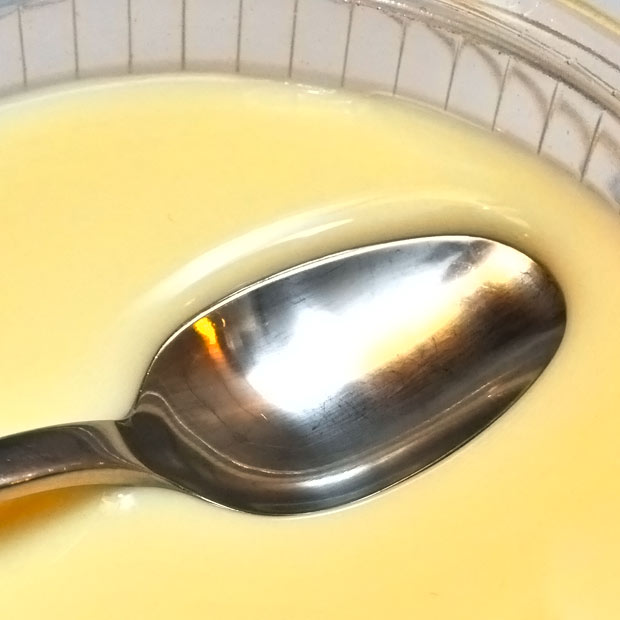
- Rest and Gel: Do NOT stir the mixture after pouring, as this can disrupt the delicate protein network as it forms. Leave the bowl(s) undisturbed at room temperature. Within 5-10 minutes, a tender gel will have formed.
- Serve: The curd may be served immediately while warm or chilled in the refrigerator for a cooler dessert.
This recipe uses a milk-to-ginger juice ratio of approximately 14:1, which provides a robust ginger flavor without overpowering the delicate milk. Adjusting the ginger juice quantity can alter the flavor intensity and potentially the gel strength, offering avenues for further experimentation.
Broader Implications and Future Directions
The demystification of ginger milk curd extends beyond the home kitchen, offering significant implications for food science, culinary education, and industrial food production.
For Home Cooks: The scientific understanding empowers home cooks to confidently recreate this traditional dessert, transforming a once-intimidating recipe into an accessible and rewarding experience. It highlights the importance of precision in culinary arts, especially when dealing with enzymatic reactions.
For Food Science and Industry: The study of ginger proteases as a milk coagulant contributes to the broader search for plant-based rennet alternatives. As demand for vegetarian and vegan products grows, natural, plant-derived enzymes like zingipain offer a sustainable and ethical option for curdling milk in cheese production and other dairy applications. Understanding their specific activity and stability profiles is crucial for developing commercially viable plant-based coagulants. Researchers are also exploring the use of other plant proteases from sources like kiwi and melon, each with unique temperature optima, to expand the repertoire of natural gelling agents.
For Education: Ginger milk curd serves as an excellent, tangible example for demonstrating complex biochemical principles in a culinary context. It vividly illustrates enzyme kinetics, protein denaturation, colloid chemistry, and the concept of syneresis, making abstract scientific concepts relatable and engaging for students of all ages.
Future Research: While significant progress has been made, further experimentation could explore:
- The impact of different ginger varieties on protease activity and flavor profile.
- Optimization of ginger protease activity from various ginger sources.
- The effect of different milk types (whole, reduced-fat, lactose-free, or even plant-based milks like soy or almond) on gel formation and texture.
- The influence of pH adjustments on enzyme activity and gel strength.
- Developing stable, standardized ginger protease extracts for industrial applications.
In conclusion, the journey from a temperamental traditional dessert to a scientifically understood and reproducible culinary delight exemplifies the powerful synergy between ancient culinary wisdom and modern scientific inquiry. By unraveling the intricate dance of ginger proteases and casein micelles, ginger milk curd stands as a testament to the elegant biochemistry that underpins our everyday food, transforming frustration into consistent success and enriching our understanding of gastronomic science.