
The American Homebrewers Association (AHA) has officially announced a significant transition in the leadership of the National Homebrew Competition (NHC), the world’s most prestigious and expansive contest dedicated to the hobby of amateur fermentation. Charlie Harr has been designated as the new NHC Chair, while Jen Pereira will assume the role of Deputy Chair. This announcement comes at a pivotal moment for the organization as it prepares for the 2026 competition cycle, with the entry window scheduled to open on February 3, 2026. The appointments represent a strategic move to reinforce the NHC’s status as a member-driven initiative, leveraging the extensive professional and technical expertise of two seasoned figures in the brewing and sensory science communities.
As the NHC enters its 47th year, the leadership of Harr and Pereira is expected to bring a refined focus to the logistical and educational components of the event. The competition serves not only as a platform for amateur brewers to receive feedback from high-level judges but also as the ultimate proving ground for those seeking to transition into the professional brewing industry. With the 2026 competition set to evaluate thousands of entries across categories including beer, mead, and cider, the management of such a large-scale operation requires a sophisticated understanding of competition software, volunteer coordination, and sensory evaluation standards.
Profiles in Leadership: The Expertise of Charlie Harr and Jen Pereira
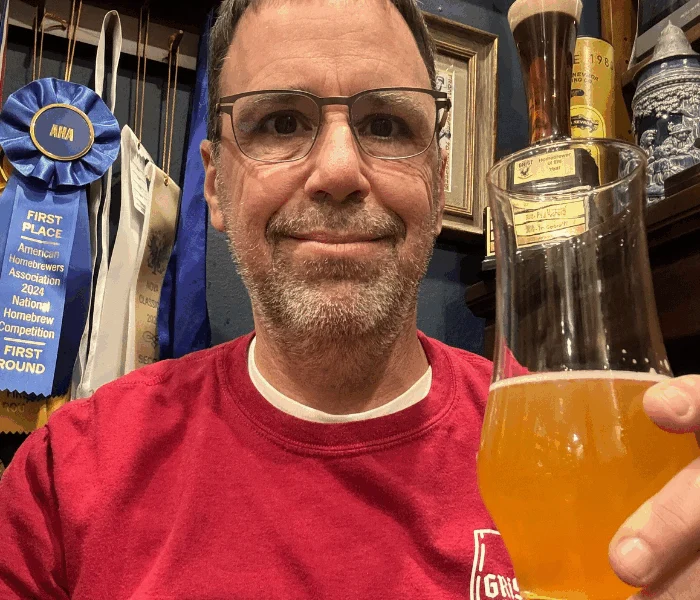
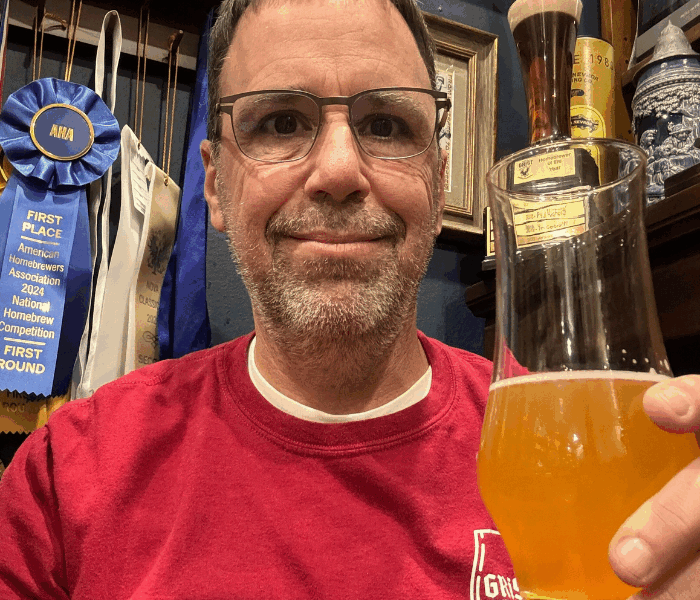
The selection of Charlie Harr as NHC Chair brings a wealth of operational experience to the forefront of the competition. Harr’s background spans over two decades in operations and event management, a skillset that is essential for overseeing an event of the NHC’s magnitude. In his capacity as the head judge for the Virginia Craft Brewers Guild, Harr has demonstrated a profound ability to manage large-scale, sanctioned competitions. His responsibilities in that role have included the recruitment of qualified judges, the meticulous coordination of entries, and the leadership of volunteer teams—all of which are direct precursors to the duties he will undertake for the NHC.
Harr is currently pursuing his National Judge certification through the Beer Judge Certification Program (BJCP), an international body that provides standardized guidelines for beer styles and judging. His long-standing membership in the AHA and his personal history as an NHC competitor provide him with a dual perspective: he understands the administrative requirements of the organizers and the expectations of the entrants. In his official statement, Harr emphasized that his passion for advancing homebrewing education is a primary motivator for his new role, stating that he is honored to support the AHA in this capacity.
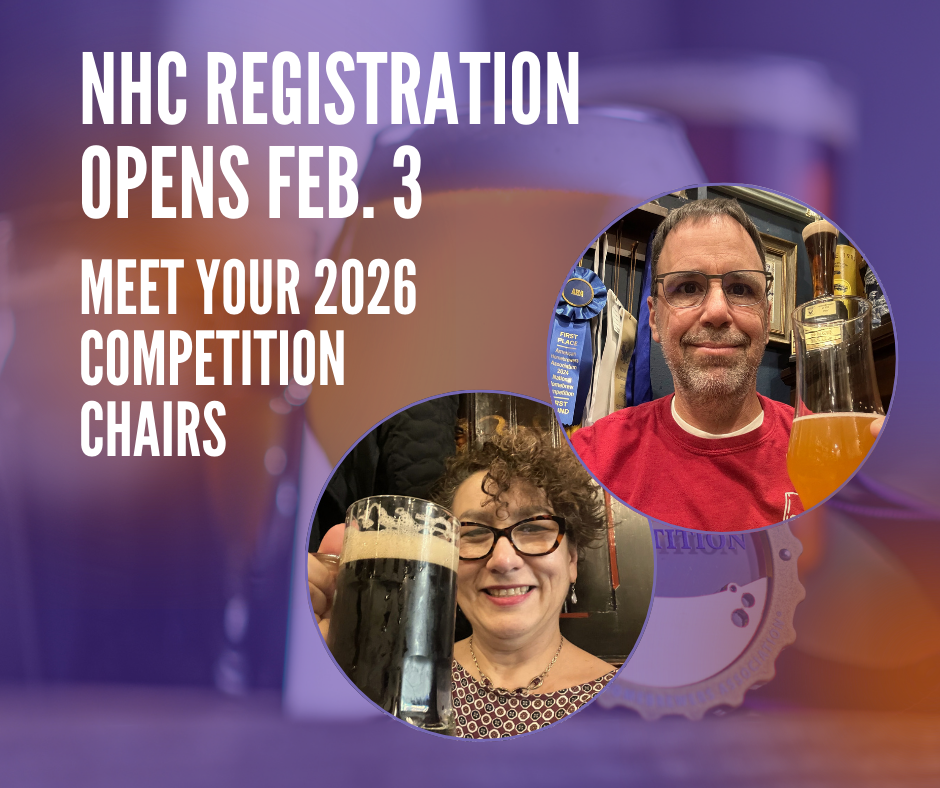
Complementing Harr’s operational focus is the academic and sensory expertise of Jen Pereira, the newly appointed Deputy Chair. Pereira’s resume is a testament to her deep integration into the global beverage industry. With over 25 years of experience, she is a BJCP National Beer Judge, a Certified Cicerone®, and a holder of the WSET (Wine & Spirit Education Trust) Diploma. For more than 20 years, Pereira has served as an associate professor at Johnson & Wales University, one of the premier culinary and hospitality institutions in the United States.
As the founder of the Ocean State Home Brew Competition and the Rhode Worthy Cup, Pereira has a proven track record of establishing and growing successful competitions from the ground up. Her involvement as a former NHC judge and an active homebrewer ensures that the competition’s deputy leadership is grounded in both the theory and practice of fermentation. Pereira noted that the role is a meaningful way to give back to the community, highlighting her commitment to expanding the NHC’s impact on a global scale.
The Evolution and Magnitude of the National Homebrew Competition
To understand the weight of these appointments, one must consider the historical trajectory of the NHC. Founded in 1979 by Charlie Papazian, the father of the modern homebrewing movement, the first competition featured a mere 34 entries. At the time, homebrewing had only recently been legalized at the federal level in the United States through legislation signed by President Jimmy Carter in 1978. Since those humble beginnings, the NHC has mirrored the explosive growth of the American craft beer movement.
By the mid-2020s, the competition had evolved into a massive undertaking. Recent data indicates that since 2025, the NHC has evaluated nearly 170,000 entries cumulatively over its history. In a typical modern year, the competition draws thousands of individual entries from all 50 states and numerous international locations. The evaluation process is a monumental feat of logistics, requiring hundreds of certified judges and volunteers to gather at various regional sites before the final judging round.
The NHC is categorized into dozens of style groupings based on the BJCP Style Guidelines. These include traditional European lagers and ales, modern American styles, and specialized categories for mead (honey wine) and cider. The competition is widely regarded as the "Oscars" of the homebrewing world, with a "Gold Medal" at the NHC often serving as a significant credential for brewers looking to open their own commercial breweries.
Strategic Support and Organizational Structure
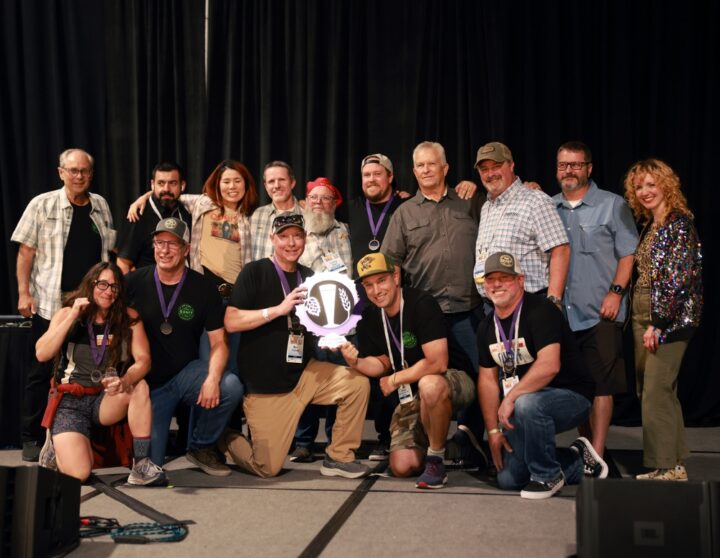
The AHA Executive Director, Julia Herz, highlighted the importance of volunteerism and collective effort in the success of the NHC. Herz remarked that the association is fortunate to have Harr and Pereira at the helm, working alongside the NHC Subcommittee and a vast network of volunteer judges and organizers. The subcommittee, currently led by AHA members Sandy Cockerham and Amanda Burkemper, plays a vital role in the granular details of competition planning, from rule revisions to the selection of host cities.
The AHA itself, founded in 1978, remains a member-driven organization with a vision of "a homebrewer in every neighborhood and a homebrew club in every community." The association provides its tens of thousands of members with resources such as Zymurgy magazine, a repository of medal-winning recipes, and access to the NHC. The leadership transition is part of a broader effort by the AHA to ensure the competition remains relevant and accessible to a new generation of fermenters who may be experimenting with non-traditional ingredients or modern brewing techniques.
Timeline for the 2026 Competition Cycle
For prospective entrants, the 2026 NHC timeline is now clearly defined. The association has set the following key dates:
- February 3, 2026: Entry application window officially opens.
- February 25, 2026: Entry application window closes.
- Spring 2026: Regional judging rounds (dates and locations to be announced).
- June 2026: Final judging and awards ceremony, typically held in conjunction with the National Homebrew Con.
The narrow three-week window for entries necessitates early preparation from brewers. Given the fermentation and conditioning times required for high-gravity stouts, complex meads, or barrel-aged sours, many competitors begin their "competition brews" months in advance of the February deadline. The AHA encourages all interested participants to monitor the official website for updates on shipping requirements and style category adjustments.
Analysis of Implications for the Homebrewing Community
The appointment of Harr and Pereira signals a period of professionalization and stability for the NHC. In recent years, the homebrewing hobby has faced challenges, including the post-pandemic normalization of the craft beer market and shifting consumer preferences toward "beyond beer" categories like hard seltzer and kombucha. By selecting leaders with deep ties to both the BJCP and the academic world, the AHA is positioning the NHC as a high-standard technical competition that can adapt to these changing trends.
Furthermore, the emphasis on mead and cider in the official announcement reflects the growing diversity within the AHA membership. While beer remains the primary focus, the technical rigor required to produce world-class mead and cider has gained increased recognition. Pereira’s background with the WSET and her expertise in broader beverage education will likely enhance the judging standards for these non-beer categories.
The leadership shift also underscores the importance of the AHA’s "member-driven" philosophy. In an era where many large competitions are managed by corporate entities or trade groups with commercial interests, the NHC remains uniquely focused on the amateur enthusiast. The presence of Harr and Pereira—individuals who have "climbed the ranks" within the hobby—serves to reassure the membership that the competition’s integrity and its focus on educational feedback will remain the top priorities.
Conclusion and Future Outlook
As the American Homebrewers Association moves toward the 2026 National Homebrew Competition, the focus remains on the pursuit of brewing excellence. The leadership of Charlie Harr and Jen Pereira provides a robust foundation for the event’s continued growth and sophistication. With a combined five decades of experience in the industry, the new Chair and Deputy Chair are well-equipped to navigate the complexities of the world’s largest homebrew stage.
The upcoming entry window in February 2026 will serve as the first major test for this new leadership team. However, with the support of the AHA’s professional staff and its dedicated volunteer base, the NHC appears poised to continue its legacy as the ultimate benchmark for quality in the world of home fermentation. For the tens of thousands of homebrewers worldwide, the message is clear: the standards are high, the leadership is experienced, and the window for global recognition is fast approaching.