
The preservation of seasonal produce through home canning remains a cornerstone of food self-sufficiency and culinary tradition, yet it requires strict adherence to scientifically validated protocols to ensure consumer safety. Among the various fruits and vegetables preserved in domestic kitchens, the tomatillo (Physalis philadelphica) presents a unique profile that necessitates specific handling procedures. The United States Department of Agriculture (USDA) has established rigorous standards for canning whole, plain tomatillos, emphasizing the importance of acidification and precise processing times to mitigate the risks associated with foodborne illnesses, most notably botulism. Unlike the standard preparation for tomatoes, the USDA procedure for tomatillos explicitly omits the peeling process, focusing instead on the removal of the papery husk and the application of heat through water bath, steam, or pressure canning methods.
The tomatillo, a staple of Mexican and Central American cuisines, is often referred to as the "husk tomato," though it is botanically distinct from the common tomato. Its popularity in North American home gardens has surged alongside the growing demand for authentic salsas and green sauces. However, the density and chemical composition of the tomatillo require a specialized preservation approach. According to the USDA’s "Complete Guide to Home Canning" (Agriculture Information Bulletin No. 539), the successful preservation of this fruit begins with the selection of high-quality, firm specimens and culminates in a shelf-stable product that maintains both nutritional integrity and flavor.
Botanical Context and Nutritional Profile
To understand the canning requirements for tomatillos, one must first consider their chemical makeup. Research from the USDA’s Center for Food Safety and Applied Nutrition indicates that tomatillos generally possess a pH value of approximately 3.83. This makes them naturally more acidic than many varieties of green tomatoes. In the world of food preservation, a pH below 4.6 is the critical threshold for inhibiting the growth of Clostridium botulinum spores in a vacuum-sealed environment. Despite this natural acidity, the USDA mandates the addition of supplemental acidifiers—such as bottled lemon juice, lime juice, or citric acid—to provide a safety margin that accounts for variations in fruit ripeness and density.

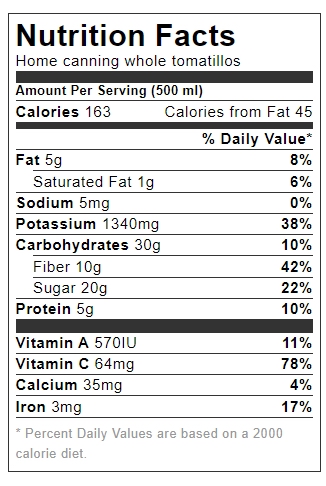
Nutritiously, a half-liter (approximately one US pint) of home-canned tomatillos without added salt contains roughly 163 calories. They are a significant source of dietary fiber, providing about 10 grams per serving, and are rich in potassium (1340 mg) and Vitamin C (64 mg). They also contribute moderate amounts of Vitamin A and essential minerals like calcium and iron. Preserving these nutrients through proper canning techniques allows households to enjoy the health benefits of the summer harvest throughout the winter months.
Preparation Protocols and Quantity Guidelines
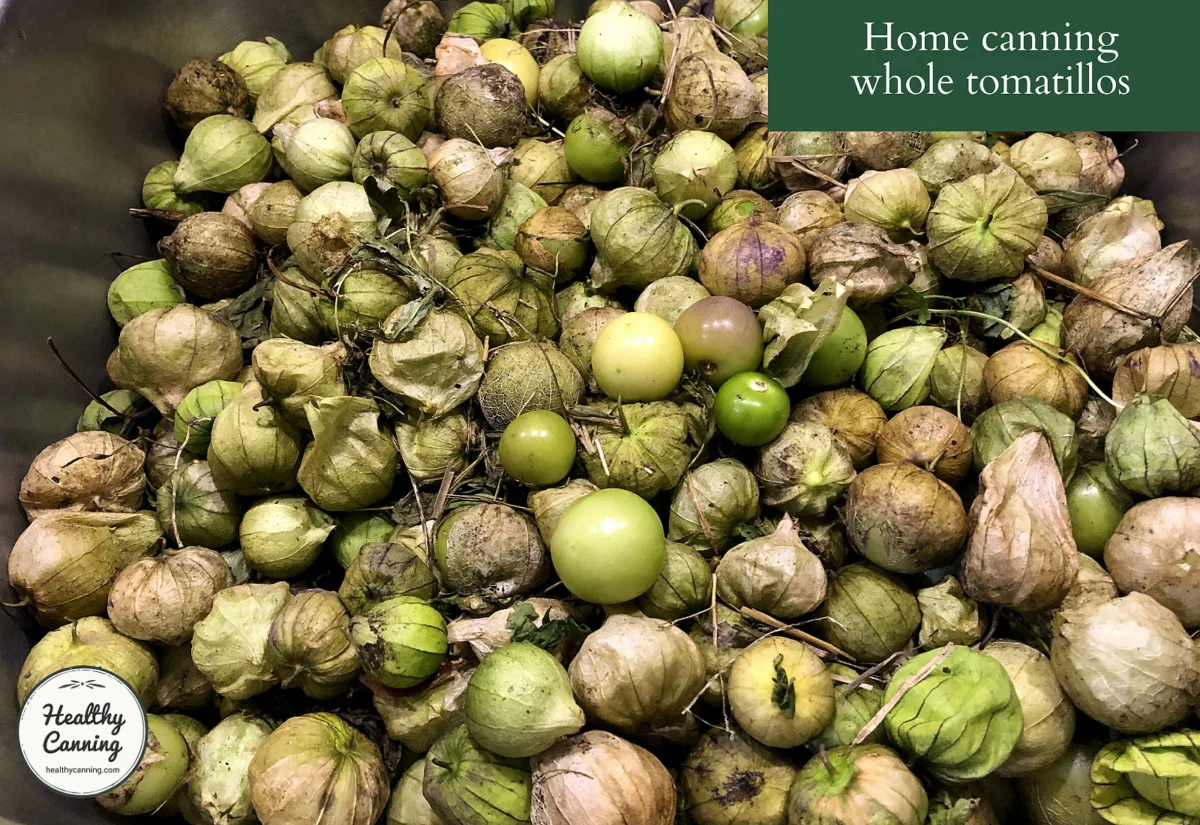
The preparation of tomatillos for canning is notably different from that of tomatoes. While tomatoes often require blanching and peeling to remove tough skins, tomatillos are canned with their skins intact. The process begins with the removal of the dry, papery husks. Once husked, the fruits often have a sticky residue on the surface, which is a natural secretion of the plant. This must be thoroughly washed off in cool water.
Quantities for canning are subject to variation based on the size and water content of the fruit. As a general guideline, approximately 1 kilogram of fresh tomatillos is required to fill a 1-liter jar (roughly 2 pounds per US quart). For a standard canning session yielding several liters, a significant volume of raw produce must be prepared. The USDA recommends using either half-liter (pint) or 1-liter (quart) jars, ensuring that the glassware is free of cracks or chips and that the lids are new and properly prepared according to the manufacturer’s instructions.
The Critical Role of Acidification
A defining feature of the USDA-approved recipe is the mandatory acidification step. Even when using a pressure canner, which reaches temperatures higher than boiling water, the addition of acid is required. This is because the established processing times were designed to work in tandem with a specific acidity level to ensure safety.
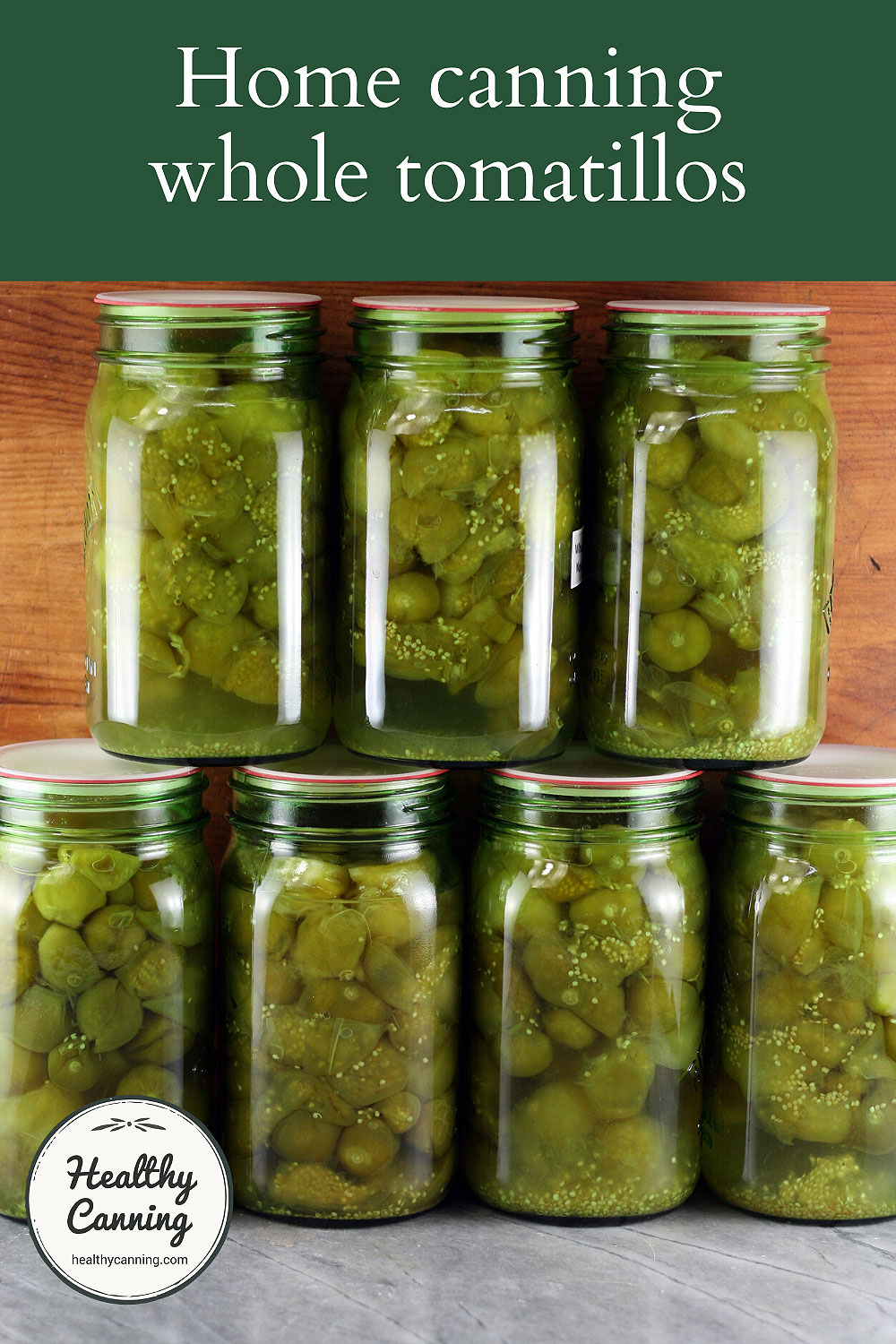
Home canners have three primary options for acidification per half-liter (pint) jar:
- One tablespoon of bottled lemon juice.
- One tablespoon of bottled lime juice.
- One-quarter teaspoon of citric acid.
For 1-liter (quart) jars, these amounts are doubled. Lime juice is frequently favored for tomatillos due to its traditional pairing in Mexican cuisine, though it imparts a more distinctive flavor than lemon juice or neutral citric acid. It is crucial to use bottled juices rather than fresh-squeezed, as bottled products have a standardized, consistent acidity level required for safety.
Processing Methods: Water Bath, Steam, and Pressure Canning
The USDA provides three validated methods for processing whole tomatillos. The choice of method often depends on the equipment available and the altitude of the kitchen.
Water Bath and Steam Canning:
For water bath canning, the jars must be submerged in boiling water with at least one to two inches of water covering the lids. For steam canning, the jars sit above the water level and are processed in a specialized atmospheric steam environment. Both methods require a processing time of 40 minutes for half-liter (pint) jars and 45 minutes for 1-liter (quart) jars at sea level.

Steam canning is often praised for its efficiency and reduced water usage. However, experts warn that steam canning should not be used if the processing time—after adjusting for altitude—exceeds 45 minutes. This limitation exists because many home steam canners may run out of water during longer processing cycles, which would cause the internal temperature to drop and render the batch unsafe.
Pressure Canning:
Pressure canning is an alternative that can significantly reduce processing time. The USDA guidelines for weighted-gauge pressure canners stipulate a 15-minute process at 5 pounds of pressure for altitudes between 0 and 300 meters (0-1000 feet). If the pressure is increased to 10 pounds, the time is reduced to 10 minutes. At 15 pounds of pressure, the processing time is a mere 1 minute. However, these times must be adjusted upward for those living at higher elevations to compensate for the lower boiling point of water.
Altitude Adjustments and Technical Safety
One of the most common errors in home canning is the failure to adjust for altitude. As elevation increases, atmospheric pressure decreases, causing water to boil at lower temperatures. To compensate, water bath and steam canning times must be increased, while pressure canning requires an increase in the pounds of pressure used.
For water bath canning, the standard 45-minute quart time must be extended by 5 minutes at altitudes between 1,001 and 3,000 feet, and by 10 minutes between 3,001 and 6,000 feet. In pressure canning, those using a weighted gauge must increase their pressure from 5 pounds to 10 pounds if they are above 1,000 feet. Failure to make these adjustments can result under-processed food, allowing spoilage organisms to survive.
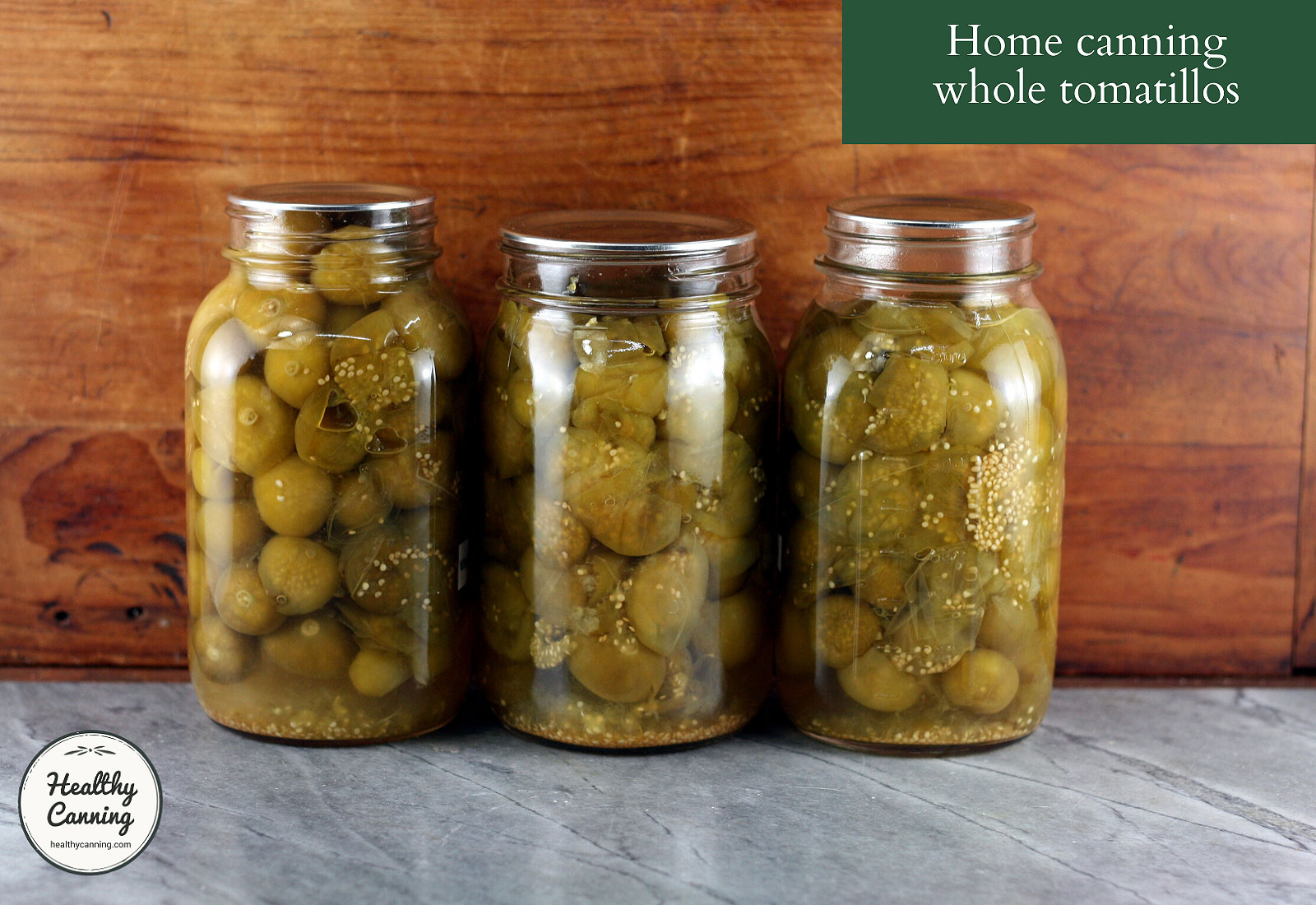
Culinary Applications and Expert Recommendations
Canned tomatillos are an versatile pantry staple, though their texture changes during the heat-processing stage. Because they are essentially cooked during the canning process, they are best suited for recipes where a softened texture is desirable.
Culinary experts, including Martha Rose Shulman of The New York Times, suggest that canned tomatillos are an excellent substitute for fresh ones in cooked applications. Shulman notes that an 11-ounce can (or a home-canned pint) can typically replace one pound of fresh tomatillos. Since the canned version is already softened, the initial simmering or broiling steps often found in fresh tomatillo recipes can be bypassed.
The "Joy of Cooking" further elaborates on their utility, noting that canned tomatillos serve as an exceptional condiment for grilled meats, poultry, and especially seafood. They can be drained and blended into salsa verde, incorporated into stews like Chili Verde, or used as a base for spicy hot sauces. The addition of salt during the canning process is entirely optional and serves only as a flavor enhancer; omitting it does not affect the safety of the product and allows for greater flexibility during final preparation.
Economic and Food Security Implications
The practice of home canning tomatillos reflects a broader trend toward food preservation as a means of economic resilience and waste reduction. By processing large harvests, homeowners can avoid the premium prices often associated with off-season produce and imported canned goods. Furthermore, the ability to control ingredients—such as omitting salt or using specific acidifiers—appeals to health-conscious consumers.
From a food security perspective, the USDA’s continued updates to canning guidelines (the most recent major revision occurring in 2015) demonstrate a commitment to public health. By providing accessible, science-based instructions, the government empowers individuals to preserve their own food safely. The transition from raw, garden-fresh tomatillos to a shelf-stable, nutrient-dense pantry item is a meticulous process that, when followed correctly, bridges the gap between seasonal abundance and year-round availability.
In conclusion, the canning of whole tomatillos is a technical endeavor that rewards precision. From the initial husking to the final cooling of the jars, each step is informed by decades of food science research. By adhering to the USDA-mandated acidification and processing standards, home canners can ensure that their preserved tomatillos are not only delicious and versatile but, most importantly, safe for consumption.