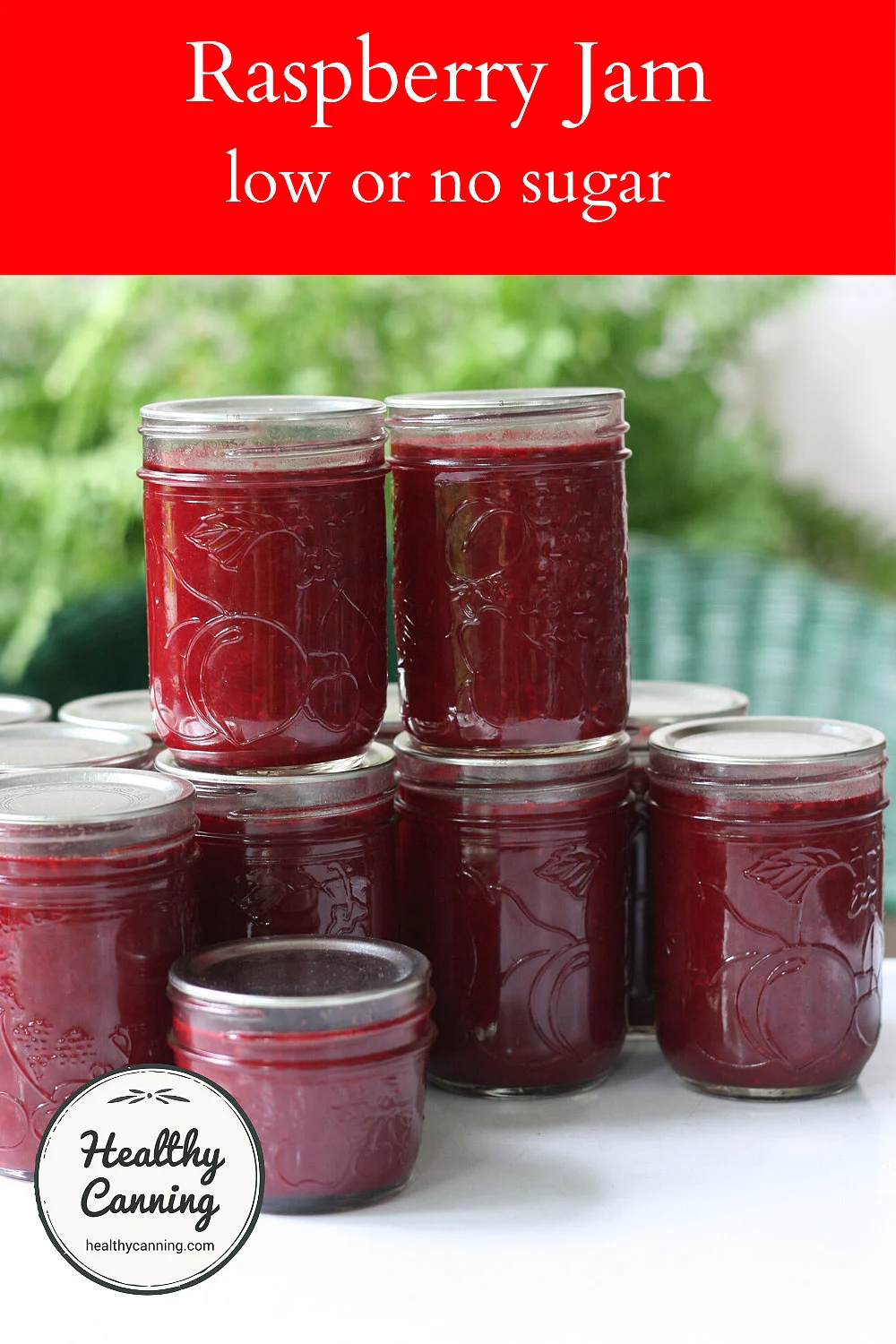

The Evolution of Low-Sugar Food Preservation
For decades, the standard for home-canned jams relied on high-methoxyl pectin, which requires a sugar concentration of at least 55% to 65% to achieve a proper gel set. This chemical requirement often masked the delicate acidity and floral notes of raspberries. However, the development of low-methoxyl pectin, which is derived from citrus peels and activated by calcium rather than sugar, has enabled the production of jams with little to no sugar. This innovation is particularly relevant for individuals managing diabetes or those seeking to reduce caloric intake without sacrificing the artisanal quality of home-preserved goods.
The raspberry, a member of the Rose family (Rosaceae), is an ideal candidate for this method. Known for its high fiber content and rich antioxidant profile—including ellagic acid and anthocyanins—the raspberry’s nutritional integrity is better maintained when it is not subjected to the excessive boiling times required for traditional long-boil, no-pectin jams. By using Pomona pectin, the cooking time is minimized, preserving the vibrant color and volatile flavor compounds of the fruit.
Technical Specifications and Procedural Overview
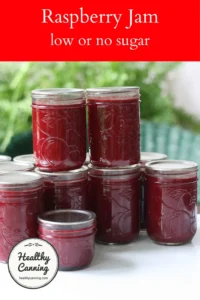
The preparation of raspberry jam with Pomona pectin involves a precise series of steps designed to ensure both the physical quality of the gel and the microbiological safety of the final product. The recipe is calibrated for small-batch production, yielding approximately four quarter-litre (250 ml / 8 oz) jars. This scale is preferred by modern home canners for its manageability and the ability to process the fruit quickly at the peak of freshness.
Ingredient Composition and Substitutions
The core of the recipe involves four cups of mashed raspberries. A notable feature of this preparation is its flexibility regarding the fruit’s state; while fresh raspberries are ideal during the summer "glut" or peak harvest, frozen raspberries provide a viable year-round alternative. If using frozen fruit, it is recommended to thaw the berries slightly before mashing to ensure an accurate volume measurement.
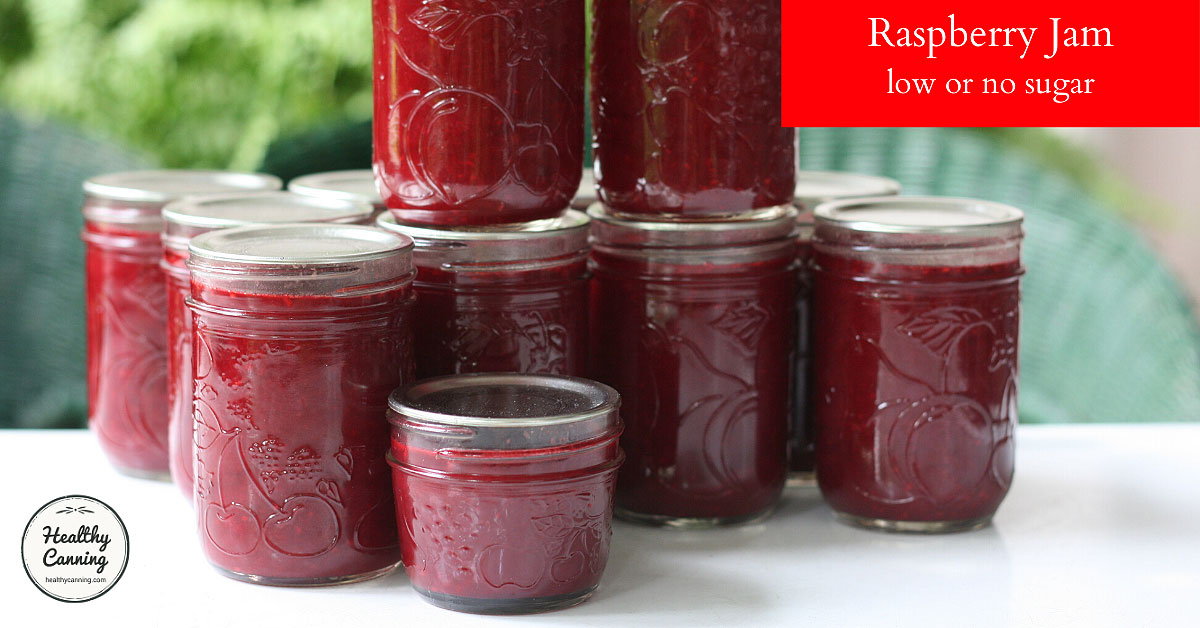
The sweetening options for this recipe are extensive:
- Sugar: 1 cup (200 g) provides a traditional balance.
- Honey: 1/2 to 1 cup (125 to 250 ml) offers a floral complexity.
- Granulated Splenda: 1 cup (25 g) for a low-calorie, diabetic-friendly version.
- Liquid Stevia: 2 teaspoons for those avoiding bulk sweeteners.
The Role of Calcium Water
A defining characteristic of the Pomona pectin method is the use of calcium water. Each box of this pectin includes a packet of monocalcium phosphate. When mixed with water, this creates a solution that reacts with the pectin molecules to create a mesh-like structure that traps the fruit juice, forming a gel. This reaction is independent of sugar content, which is why the jam can set even if no sweetener is used at all.
Chronology of the Canning Process
The successful preservation of raspberry jam follows a strict timeline to ensure the destruction of spoilage organisms and the creation of a vacuum seal.
- Preparation Phase (15 Minutes): This involves sterilizing the jars and lids and preparing the calcium water. If a seedless jam is desired, the mashed raspberries are passed through a fine-mesh sieve or a food mill. While this reduces the final volume, it results in a refined, "luxury" texture.
- The Cold Mix: The calcium water is added to the fruit mash in a large pot. Separately, the pectin powder is thoroughly mixed into the dry sweetener (sugar or Splenda) or a small amount of honey. This prevents the pectin from clumping when it hits the hot liquid.
- The Boil and Set (20 Minutes): The fruit mixture is brought to a full boil. The sweetener-pectin mix is then added, and the mixture is stirred vigorously for one to two minutes while returning to a boil. This ensures the pectin is fully dissolved and the calcium reaction is triggered.
- Jarring and Headspace: The hot jam is ladled into prepared jars, leaving exactly 1 cm (1/4 inch) of headspace. This gap is critical; too much air can lead to oxidation and discoloration, while too little can prevent a proper vacuum seal or cause the jam to bubble over during processing.
- Thermal Processing (10 Minutes): The jars are processed in either a boiling water bath or a steam canner. A 10-minute processing time is standard for altitudes below 1,000 feet.
Supporting Data and Nutritional Analysis
The nutritional profile of the jam varies significantly based on the chosen sweetener. According to standardized nutritional data, a single tablespoon of raspberry jam made with one cup of sugar contains approximately 21 calories and 5 grams of carbohydrates. In contrast, substituting sugar with Splenda reduces the caloric density to 10 calories per tablespoon and lowers the carbohydrate count to 2 grams.
Comparative Caloric Table (Per Tablespoon)
| Sweetener Type | Calories | Carbohydrates | Sugar Content |
|---|---|---|---|
| Granulated Sugar (1 cup) | 21 kcal | 5g | 4g |
| Honey (3/4 cup) | 23 kcal | 6g | 6g |
| Splenda (1 cup) | 10 kcal | 2g | 1g (from fruit) |
| Stevia (2 tsp liquid) | 9 kcal | 1.5g | 1g (from fruit) |
The inclusion of dietary fiber (approximately 1 gram per tablespoon) and Vitamin C (4 mg per tablespoon) makes this a nutritionally superior condiment compared to commercial "jelly" products, which often remove all fruit solids and add high-fructose corn syrup.
Official Responses and Safety Standards
The United States Department of Agriculture (USDA) and the National Center for Home Food Preservation (NCHFP) provide the underlying safety frameworks for this recipe. While the specific brand "Pomona" is a commercial product, the methodology of using low-methoxyl pectin is recognized by extension services globally as a safe alternative to traditional methods.
Water Bath vs. Steam Canning
A significant development in recent years is the official acceptance of steam canning as an equivalent to water bath canning. Research conducted at the University of Wisconsin-Madison confirmed that atmospheric steam canners can safely process high-acid foods (pH below 4.6) like raspberries. This method is often preferred by home canners as it uses significantly less water and reaches processing temperatures faster than a traditional large-capacity water bath kettle.
Altitude Adjustments
A critical safety note emphasized by Master Food Preservers is the necessity of adjusting processing times for altitude. As altitude increases, the boiling point of water decreases. To compensate and ensure the interior of the jar reaches the temperature necessary to kill molds and yeasts, the following adjustments are mandatory:
- 1,001 – 3,000 ft: Add 5 minutes
- 3,001 – 6,000 ft: Add 10 minutes
- 6,001 – 8,000 ft: Add 15 minutes
Failure to adjust for altitude is one of the leading causes of premature spoilage in home-canned goods.
Broader Impact and Implications for Food Security
The resurgence of interest in home canning, particularly for low-sugar raspberry jam, reflects broader socio-economic trends. Home preservation allows consumers to bypass the global supply chain, reducing "food miles" and supporting local agriculture. During peak raspberry season, when local farms often have a surplus (a "glut"), canning provides a mechanism to prevent food waste and stabilize food costs for the household throughout the winter months.
Furthermore, the ability to control ingredients is a vital component of modern food transparency. By making jam at home, individuals can eliminate artificial dyes, preservatives like sodium benzoate, and excessive sodium. The shelf life of these home-canned goods is typically 12 to 18 months when stored in a cool, dark place, providing a reliable source of nutrition and flavor long after the harvest season has ended.
In conclusion, Raspberry Jam made with Pomona pectin is more than a simple recipe; it is a synthesis of traditional culinary arts and modern food science. It empowers the individual to produce a high-quality, health-oriented product that meets rigorous safety standards while celebrating the natural essence of the raspberry. Whether using honey for a deep, complex sweetness or stevia for a calorie-free finish, this method ensures that the vibrant spirit of summer is preserved in every jar.