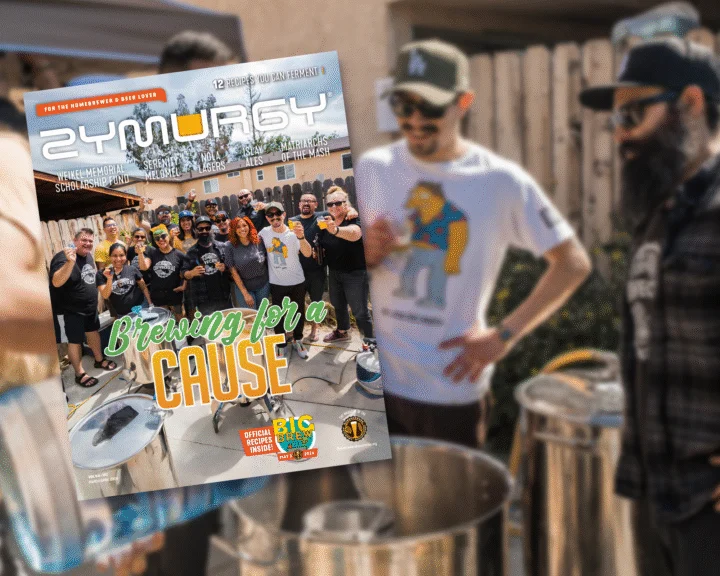

The American Homebrewers Association (AHA) has released its March/April 2026 issue of Zymurgy magazine, a publication that has served as the definitive resource for the homebrewing community since its inception in 1978. The latest edition arrives at a critical juncture for the hobby and the broader craft beer industry, centering on a theme titled "The Pivot." This conceptual framework explores how brewers—both amateur and professional—are navigating a rapidly changing landscape defined by volatile climate conditions, shifting economic pressures, and an evolving global beer culture that increasingly favors innovation and sustainability over traditional rigidity.
In addition to its thematic exploration, the issue provides technical resources including 12 curated recipes designed to address modern brewing challenges. The publication also features deep-dive reports on the historical contributions of women in fermentation, the emergence of a sophisticated lager scene in New Orleans, and the intersection of traditional distilling and craft brewing on the Scottish island of Islay.

Adapting to the New Normal: The Philosophy of the Pivot
The editorial core of the March/April 2026 issue addresses the necessity of adaptation. The craft brewing industry has faced a series of unprecedented challenges over the last several years, including supply chain disruptions, the rising cost of raw materials such as malt and hops, and the physical realities of climate change. According to industry data, fluctuating weather patterns have significantly impacted the yield and alpha-acid content of hops in key growing regions like the Yakima Valley, forcing brewers to "pivot" their recipes and techniques to maintain consistency or explore new flavor profiles.
Zymurgy’s coverage suggests that the pivot is not merely a reaction to hardship but a proactive evolution. This includes the adoption of drought-resistant grain varieties, the utilization of thiol-optimized yeast strains to enhance aroma without excessive hopping, and a renewed focus on energy-efficient brewing processes. By highlighting these adaptations, the magazine aims to equip homebrewers with the knowledge required to maintain their hobby in an era of resource scarcity and economic inflation.
Philanthropy and Community: The Stoney Creek Homebrewers
A primary feature of the issue, authored by Josh Weikert, focuses on the Stoney Creek Homebrewers of Philadelphia. Founded in 2007, the club was established with a dual mandate: to foster a rigorous learning environment for fermented beverages and to serve the local community. The article chronicles the development of the Weikel Memorial Scholarship Fund, a philanthropic initiative born from tragedy that has since become a cornerstone of the club’s identity.
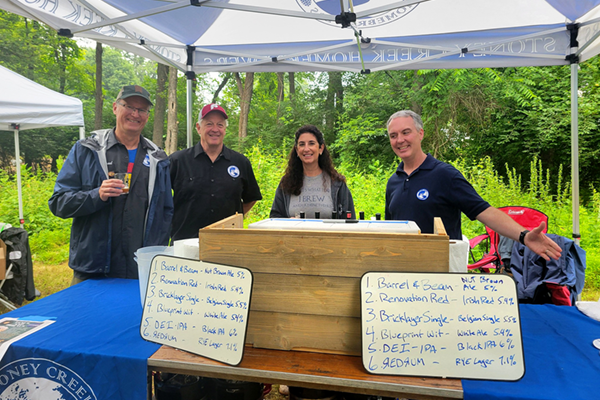
The scholarship serves as a case study in how homebrewing organizations can transcend the hobby to create a lasting social impact. By providing financial support for brewing education, the Stoney Creek Homebrewers are helping to diversify the professional pipeline, ensuring that the next generation of brewers has the technical proficiency and community-minded values necessary to sustain the industry. This narrative reinforces the AHA’s broader mission of promoting the community-building power of homebrewing.
Recovering the Lost History of Women in Brewing
The March/April issue also seeks to rectify historical omissions regarding the role of women in the development of brewing technology and culture. For centuries, the production of ale was a domestic task primarily managed by women, often referred to as "brewsters." However, as brewing transitioned from a household necessity to an industrial enterprise during the late Middle Ages and the Industrial Revolution, the contributions of women were systematically minimized or erased from the historical record.
This feature provides a global portrait of the "matriarchs of fermentation," tracing the lineage from the Sumerian goddess Ninkasi to the alewives of medieval Europe and the indigenous women of the Americas and Africa who have maintained traditional fermenting practices for millennia. The article argues that the modern "pivot" in brewing culture includes a necessary return to these roots, recognizing that the inclusivity of the craft is essential for its future growth and relevance.

Regional Evolution: The New Orleans Lager Scene and Islay Ales
Zymurgy continues its tradition of regional reporting by examining two distinct geographic shifts in brewing preference and production.
The Lager Renaissance in New Orleans
Historically, the brewing landscape of New Orleans was often described as a "desert" for lager enthusiasts, with the notable exception of the Abita Brewing Company. The city’s extreme humidity and heat traditionally favored heavy ales or mass-produced light lagers. However, over the past five years, a significant shift has occurred. The issue explores how a new wave of New Orleans brewers is utilizing modern temperature control and water chemistry to produce world-class lagers that are specifically tailored to the Louisiana climate. This "lager evolution" reflects a broader national trend toward "crisp and clean" styles, driven by consumer demand for high-quality, sessionable beers.
Islay: Beyond the Peat Smoke
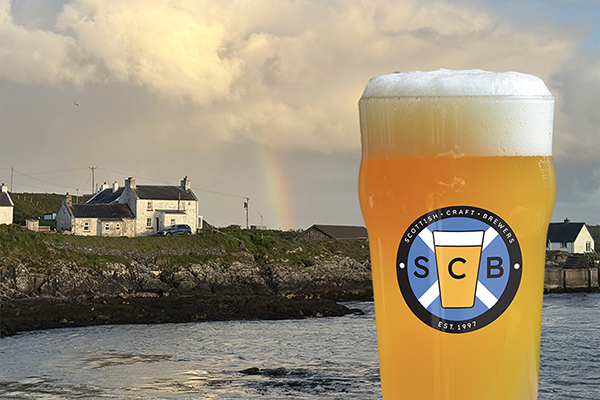
In Scotland, the island of Islay is synonymous with some of the world’s most famous smoky, peat-heavy whiskies. Yet, the March/April issue highlights a growing craft beer movement on the island. Taking inspiration from the Scottish Craft Brewers homebrew club, Donald MacKenzie and Mackay Smith have established a presence that bridges the gap between the island’s distilling heritage and the craft beer revolution. Their work demonstrates how the unique terroir of Islay—specifically its water sources and historical relationship with malt—can be translated into distinctive ales that complement the island’s famous spirits.

Indigenous Fermentation and Climate Resilience
Contributing writer Art Fitzsimmons provides a technical and cultural analysis of fermentation in some of North America’s most inhospitable climates. The feature focuses on the indigenous peoples of the desert southwest, who have spent centuries perfecting the fermentation of arid-land flora, such as prickly pear and agave.
As global temperatures rise, these ancient practices offer vital lessons for modern brewers. The "fermenting spirit" described by Fitzsimmons highlights the use of wild yeast cultures and ingredients that thrive in high-heat, low-water environments. This research is particularly relevant for the "pivot" theme, suggesting that the future of brewing may lie in the integration of indigenous knowledge and resilient, local ingredients.
Technical Resources and Editorial Leadership
The issue is rounded out by 12 original recipes that reflect the diverse topics covered in the features. These include:

- Climate-resilient ales using alternative grains.
- Historical "brewster" recreations based on medieval texts.
- Modern New Orleans-style lagers.
- Peated Scottish ales inspired by the Islay tradition.
Leading the editorial direction is Dave Carpenter, Editor-in-Chief of Zymurgy. Carpenter, who began his brewing journey in 2009, brings a background in both linguistics and professional beer journalism to the publication. Under his leadership, the magazine has increasingly focused on the intersection of technical brewing science and the socio-cultural implications of the craft. Carpenter’s editorial philosophy emphasizes "geeking out" on the minutiae of fermentation while remaining accessible to the hobbyist who brews in their kitchen or garage.
The Broader Impact on the Homebrewing Community
The release of the March/April 2026 issue of Zymurgy serves as a barometer for the state of the American Homebrewers Association. With a membership-only model for its full digital and print content, the AHA continues to position itself as an essential advocate for the hobby. The organization emphasizes that membership dues not only provide access to "unmatched resources and validated recipes" but also support homebrew activism—legal efforts to protect the rights of homebrewers to produce and share their creations.
Industry analysts suggest that the focus on "the pivot" is a strategic move to keep homebrewing relevant as younger demographics explore non-alcoholic options and ready-to-drink (RTD) cocktails. By framing brewing as a resilient, evolving, and culturally rich practice, Zymurgy aims to retain its core audience while attracting a new generation of fermenters interested in sustainability and historical authenticity.
Timeline of Recent Developments in the Brewing Community
- 2023–2024: Global hop shortages and rising energy costs lead to a 15% average increase in the price of homebrewing supplies.
- 2025: The AHA reports a surge in "low-intervention" brewing and the use of ancient grains among its members.
- Early 2026: Zymurgy announces a thematic shift toward "The Pivot," focusing on climate and economic adaptation.
- March 2026: Official release of the March/April issue, featuring the Stoney Creek Homebrewers and the recovery of women’s brewing history.
The March/April 2026 issue of Zymurgy stands as a comprehensive document of a hobby in transition. It acknowledges the difficulties of the present while providing a roadmap for a future that is more inclusive, scientifically informed, and environmentally conscious. Through its blend of technical guidance and narrative storytelling, the magazine remains the primary record of the homebrewing movement’s ongoing evolution.