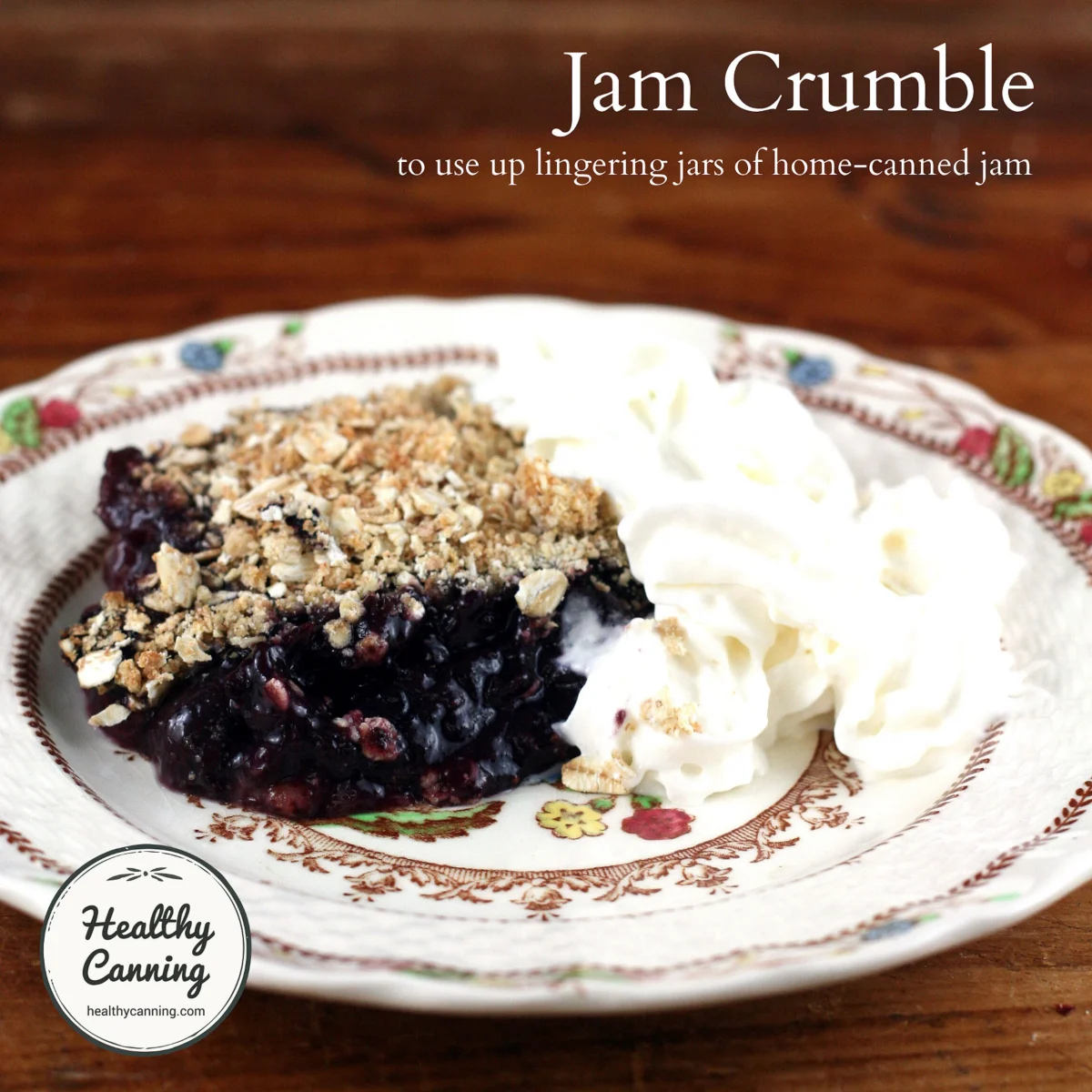

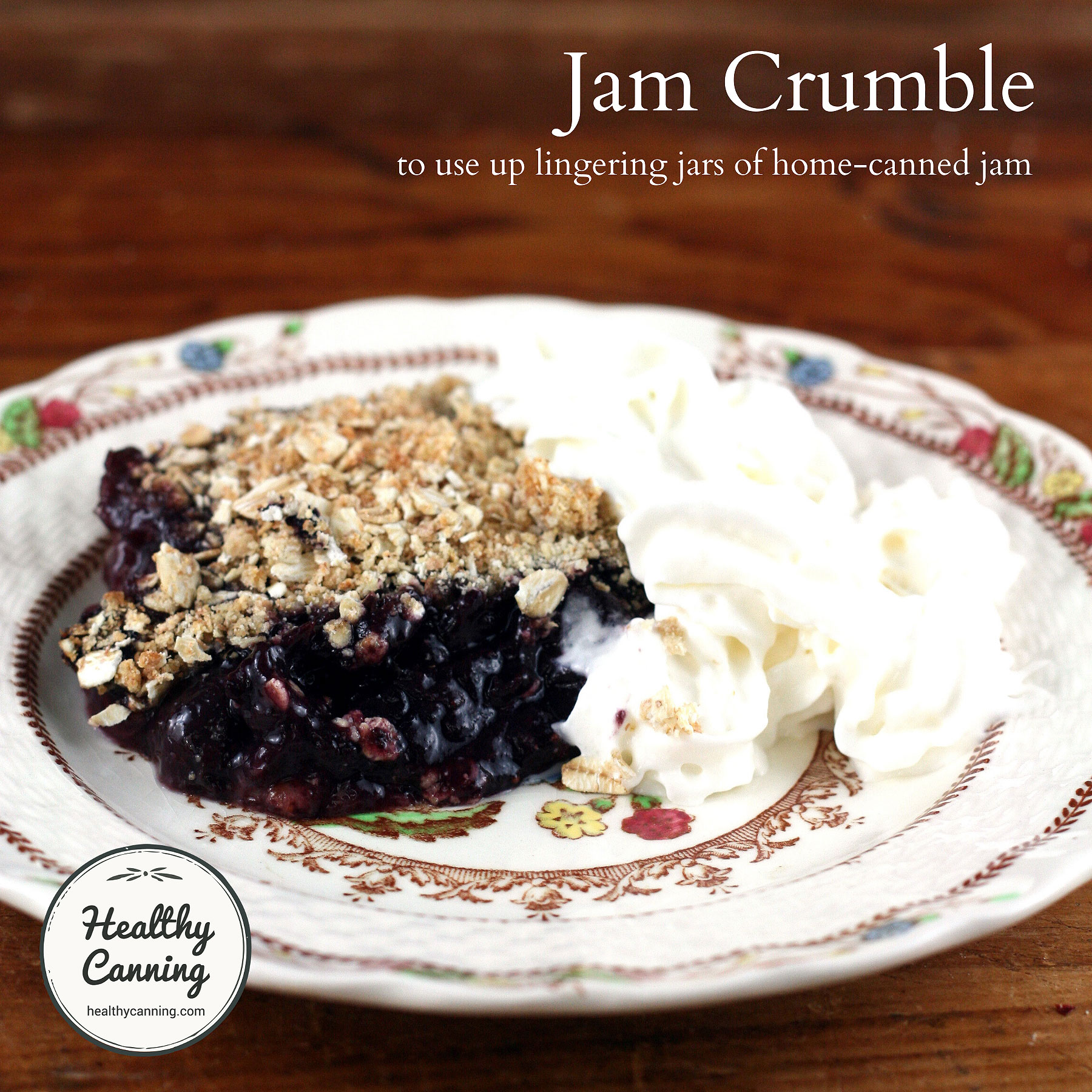
The modern culinary landscape is increasingly defined by a shift toward sustainability, waste reduction, and the revitalization of traditional food preservation techniques. As households across North America and Europe navigate fluctuating grocery costs and a renewed interest in self-sufficiency, the management of the domestic pantry has become a focal point for economic and environmental efficiency. One significant challenge identified by home preservationists is the management of "surplus stock"—specifically the accumulation of home-canned jams, jellies, and preserves that exceed a household’s immediate consumption capacity. To address this, culinary experts and food preservation advocates have codified a versatile and efficient repurposing strategy known as the Jam Crumble. This method serves not only as a rapid dessert solution but also as a tactical response to "jam fatigue" and the potential expiration of shelf-stable artisanal goods.
The Socio-Economic Context of Home Preservation Surplus
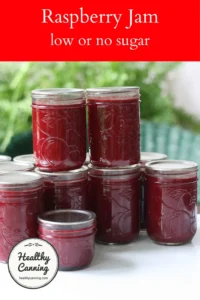
The resurgence of home canning, often referred to as "putting up" fruit, has seen a dramatic increase over the last decade. Data from agricultural extension offices and consumer behavior reports suggest that the "victory garden" mentality has returned to the mainstream, driven by a desire for organic ingredients and a distrust of industrial supply chains. However, this enthusiasm often leads to a "windfall effect," where a successful harvest of strawberries, peaches, or raspberries results in a surplus of preserves that can sit on pantry shelves for years.
In a typical domestic setting, a household may fall out of the habit of daily jam consumption, leading to a phenomenon where jars begin "gathering dust and aging." While properly canned high-acid fruits have a significant shelf life, their sensory qualities—such as color vibrancy and texture—begin to diminish after 12 to 18 months. The Jam Crumble method is positioned as a primary intervention to utilize these aging assets before they lose their peak palatability, thereby ensuring that the labor and energy invested in the original canning process are not wasted.

Technical Specifications and Procedural Chronology
The Jam Crumble is characterized by its high speed of preparation and its reliance on existing pantry staples, making it an "instant" dessert in the context of traditional baking. The process is governed by specific thermal requirements and a distinct ratios-based approach to ingredients.
Thermal and Quantitative Standards
To achieve the optimal balance between a stabilized fruit base and a crisp, aerated topping, the oven temperature must be maintained at a constant 175°C (350°F). The standard yield for a primary batch is approximately 2 cups of finished product, which is traditionally calculated to serve six individuals. This scalability is a core feature of the method, allowing practitioners to adjust volumes based on the size of the available jam jars.
The Preparation Workflow
The chronology of the Jam Crumble is divided into two distinct phases: the preparation phase (10 minutes) and the thermal processing phase (35 minutes).
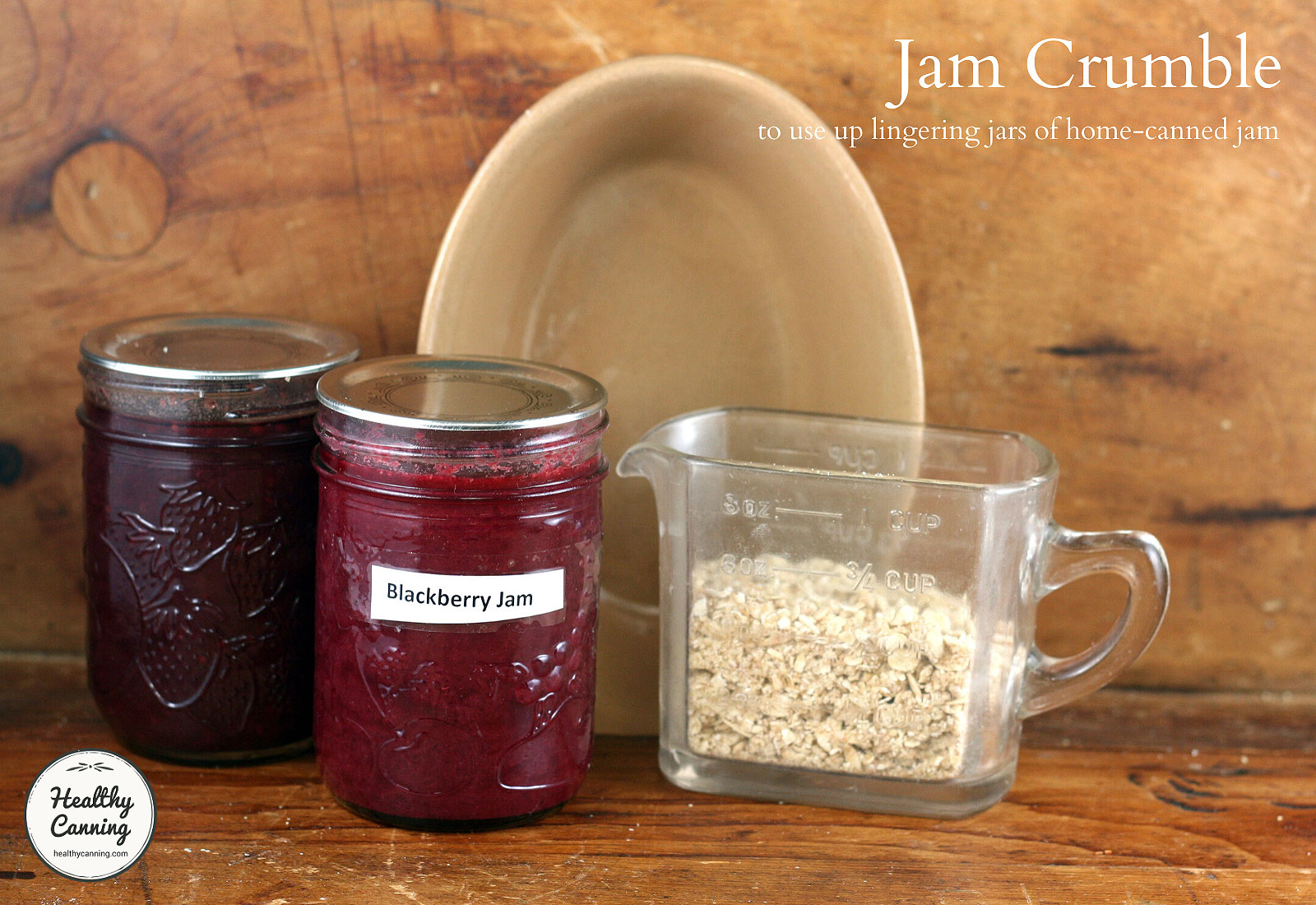
- Pantry Auditing and Selection: The process begins with the selection of the fruit base. Practitioners are encouraged to use either two half-pint (250 ml) jars or a single one-pint (500 ml) jar. A notable technical recommendation involves the "layering of flavors," where two disparate jam varieties—such as apricot and blackberry—are combined to create a complex flavor profile that mimics the depth of fresh-fruit compotes.
- Base Stabilization: The jam is transferred to a baking vessel. Unlike fresh fruit crumbles, which require the addition of thickeners like cornstarch or flour, jam is already pre-gelatined through pectin and sugar reduction. This eliminates the risk of a "soggy" base, a common failure in traditional fruit bakes.
- Topping Synthesis: The structural integrity of the crumble relies on the topping. While pre-made oatmeal pancake mix is often used for maximum efficiency, a DIY alternative consists of a precise mixture of oats, flour, sugar, and a sodium chloride (salt) buffer.
- Lipid Integration: The dry ingredients are combined with cold butter through a "rubbing" technique. This creates a heterogenous texture of small, fat-coated granules that, when exposed to heat, undergo the Maillard reaction to produce a golden-brown, crisp finish.
- Baking and Cooling: The assembly is baked for 35 minutes, allowing the sugars in the jam to bubble and slightly caramelize at the edges, while the topping achieves structural rigidity.
Ingredient Science and Nutritional Analysis
The versatility of the Jam Crumble allows for significant nutritional variability, a factor that has made it a subject of interest for those following structured dietary programs such as Weight Watchers™. The caloric density of the dish is almost entirely dependent on the sugar content of the base preserves.
The Role of Pectin and Sugar
In traditional canning, pectin acts as the gelling agent. When repurposed in a crumble, this pectin provides a stable, viscous texture that holds up under high heat. For health-conscious consumers, the use of low-sugar or sugar-free jams drastically alters the glycemic load of the dessert. Analysts note that using sugar-free preserves allows the dish to function as a high-fiber, fruit-forward snack rather than a heavy confection.
Grains and Textural Contrast
The inclusion of oats provides more than just a rustic aesthetic. Oats contribute complex carbohydrates and dietary fiber, which help to balance the simple sugars found in the fruit base. The addition of aromatic spices—specifically nutmeg and cinnamon—serves to enhance the perceived sweetness of the dish without requiring additional sucrose, a technique frequently cited in sensory science to improve the nutritional profile of baked goods.
Economic Implications of "Pantry Raiding"
From a macro-economic perspective, the Jam Crumble is an exercise in "pantry raiding," a strategy used to reduce household food expenditures. By utilizing items already in stock, households avoid the "secondary spend" often associated with baking (e.g., buying fresh, out-of-season fruit).
Furthermore, the practice of "batch-prepping" the crumble topping offers additional efficiencies. Culinary analysts suggest tripling or quadrupling the topping recipe and storing the excess in sealed containers within a freezer. This "just-in-time" manufacturing approach to home cooking reduces the energy cost of frequent, small-scale preparations and ensures that a home-cooked dessert can be produced with minimal labor on demand.
Expert Perspectives and Safety Standards
The Jam Crumble method is supported by a broader framework of food safety and preservation expertise. Organizations such as Master Food Preserver groups provide essential oversight for home canners, ensuring that the base ingredients used in these crumbles are processed according to USDA or equivalent safety standards.
Experts emphasize that while the crumble is an excellent way to use "older" jars, the fundamental rules of food safety still apply. Jars must have maintained a proper vacuum seal throughout their storage duration. The high heat of the 175°C oven provides an additional layer of thermal processing, but it is not a substitute for safe initial canning practices.
Broader Impact on Sustainable Living
The Jam Crumble represents a microcosm of a larger movement toward "circular" home economics. By viewing a jar of jam not just as a spread for toast, but as a modular component of a more complex culinary system, consumers are participating in a form of domestic innovation.
This approach has broader implications for food security and waste management. According to the Food and Agriculture Organization (FAO), approximately one-third of all food produced for human consumption is lost or wasted. Repurposing strategies like the Jam Crumble, while seemingly small, contribute to a shift in consumer consciousness. It encourages a "zero-waste" kitchen culture where every windfall of fruit is seen as a long-term asset rather than a short-term burden.
Conclusion
The Jam Crumble is more than a simple recipe; it is a tactical culinary tool for the modern home. It bridges the gap between traditional preservation and contemporary convenience, providing a solution for pantry management that is both economically sound and gastronomically satisfying. As households continue to seek ways to balance busy lifestyles with a desire for wholesome, home-produced food, the ability to transform a lingering jar of jam into a sophisticated dessert in under an hour remains a vital skill in the sustainable cook’s repertoire. Through the strategic use of pantry staples, precise thermal application, and an understanding of ingredient science, the Jam Crumble stands as a testament to the enduring value of the home-preserved pantry.