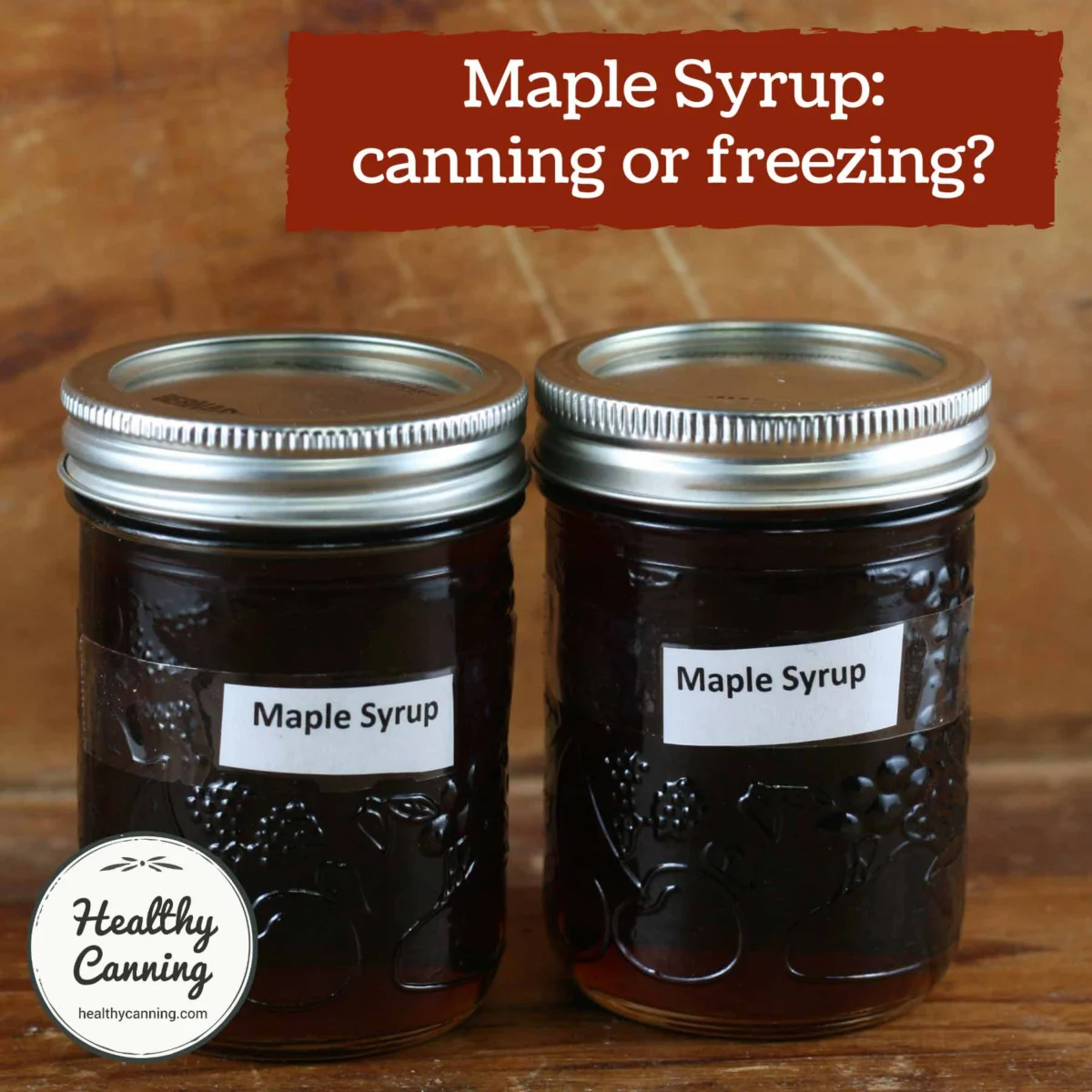

The acquisition of maple syrup in bulk is a common practice for culinary enthusiasts and households seeking to capitalize on seasonal harvests or wholesale pricing, yet without rigorous adherence to storage protocols, these significant investments are highly susceptible to spoilage. While maple syrup is often perceived as a shelf-stable product due to its high sugar concentration, it remains vulnerable to colonization by specific strains of mould and yeast if environmental conditions are not meticulously managed. Professional guidelines issued by agricultural extension services and industry associations emphasize that the preservation of maple syrup at home requires a nuanced understanding of food chemistry, specifically the relationship between water activity, temperature, and container permeability.
The Scientific Foundation of Maple Syrup Stability
To understand how to store maple syrup, one must first recognize the legal and chemical definitions that govern its production in North America. According to the North American Maple Syrup Council, sap must be evaporated until it reaches a specific density, measured in degrees Brix. The standard "Goldilocks zone" for maple syrup is between 66° and 68° Brix, where one degree Brix represents approximately one percent sugar content.
This density is critical for safety and quality. If the syrup falls below 66° Brix, the water activity remains high enough to allow for fermentation and the rapid growth of mould. Conversely, if the syrup exceeds 68° Brix, it becomes supersaturated, leading to the precipitation of sugar crystals at the bottom of the container. While these crystals are not a safety hazard, they diminish the product’s volume and alter its texture.
From a microbiological perspective, maple syrup typically possesses a pH level between 5.15 and 7.9. Because this is above the 4.6 threshold for high-acid foods, the product could theoretically support the germination of Clostridium botulinum spores in an anaerobic (oxygen-free) environment. However, the high sugar concentration creates a low water activity (aw) environment, which serves as the primary barrier against bacterial growth. This leaves mould—specifically heat-resistant fungi—as the primary threat to the product’s integrity.

Shelf Storage and Container Permeability
The longevity of unopened maple syrup stored at room temperature is largely dictated by the material of its container. Glass, metal, and high-density "squeeze-type" plastic bottles provide an excellent barrier against oxygen. When sealed at the point of production using commercial hot-pack methods, these containers can remain on a pantry shelf for several years without significant degradation.
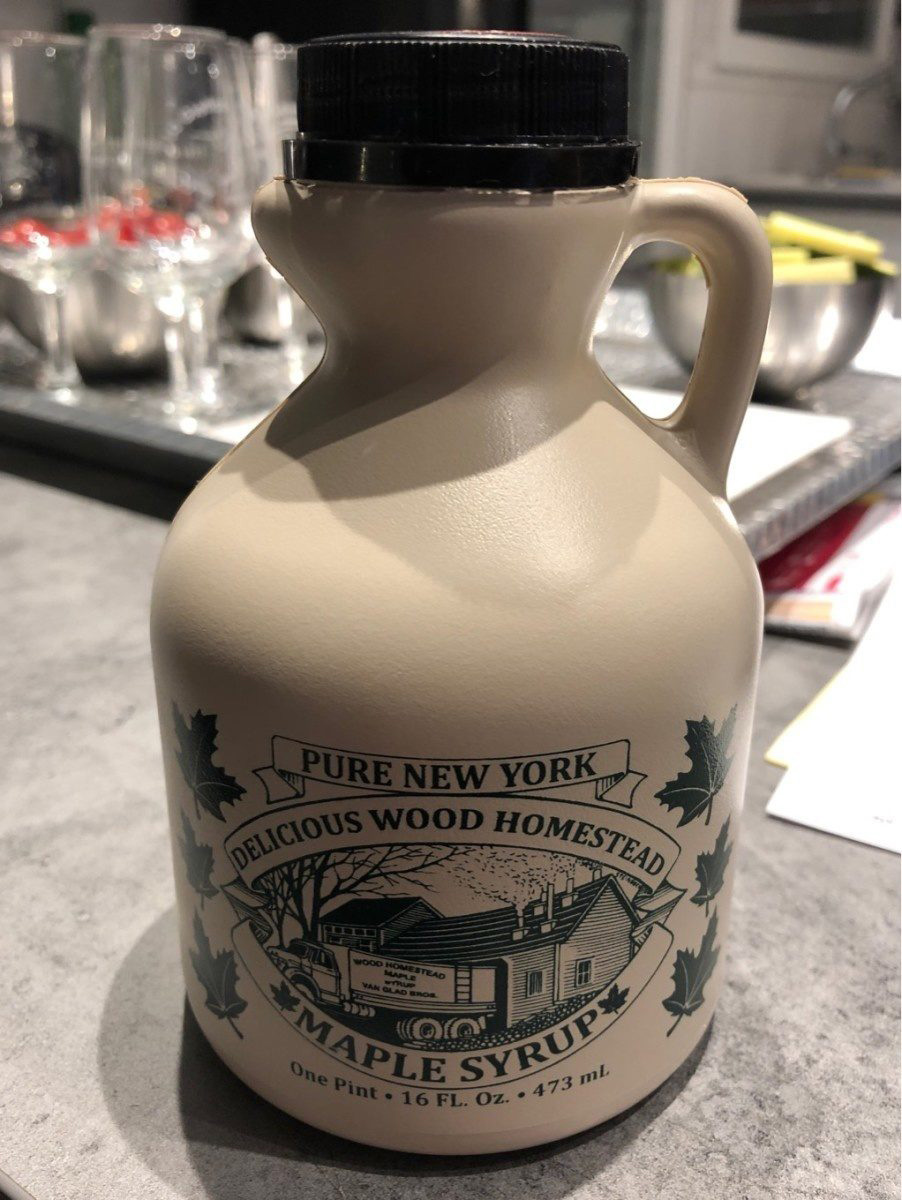
However, the industry has identified a specific vulnerability in the iconic beige or grey plastic jugs often used by small-scale producers. The Quebec Maple Syrup Producers (QMSP) Association has warned that these specific plastic receptacles, while traditional in appearance, are not foolproof barriers to oxygen. Over time, oxygen can permeate the plastic, facilitating the growth of mould even in unopened containers. Consequently, the QMSP recommends that any syrup purchased in these jugs be moved to refrigeration immediately, even if the seal remains intact. This proactive measure significantly prolongs the shelf life and prevents the "off-flavours" associated with oxidation.
The Necessity of Refrigeration Post-Opening
Once the original seal of a maple syrup container is broken, the product is immediately exposed to ambient air, which carries invisible mould spores. In a household environment, it is virtually impossible to prevent this exposure. Once contaminated, the syrup is no longer safe for room-temperature storage.
Refrigeration is the mandatory next step for any opened container. The cold temperatures of a domestic refrigerator do not kill mould spores, but they significantly slow the metabolic processes of the fungi. It is important to note that refrigeration is a delay tactic, not a permanent solution; even in the fridge, a large container of syrup used slowly over many months may eventually develop a surface film of mould. For consumers who purchase in bulk but consume slowly, the industry recommends a more robust preservation strategy: freezing.
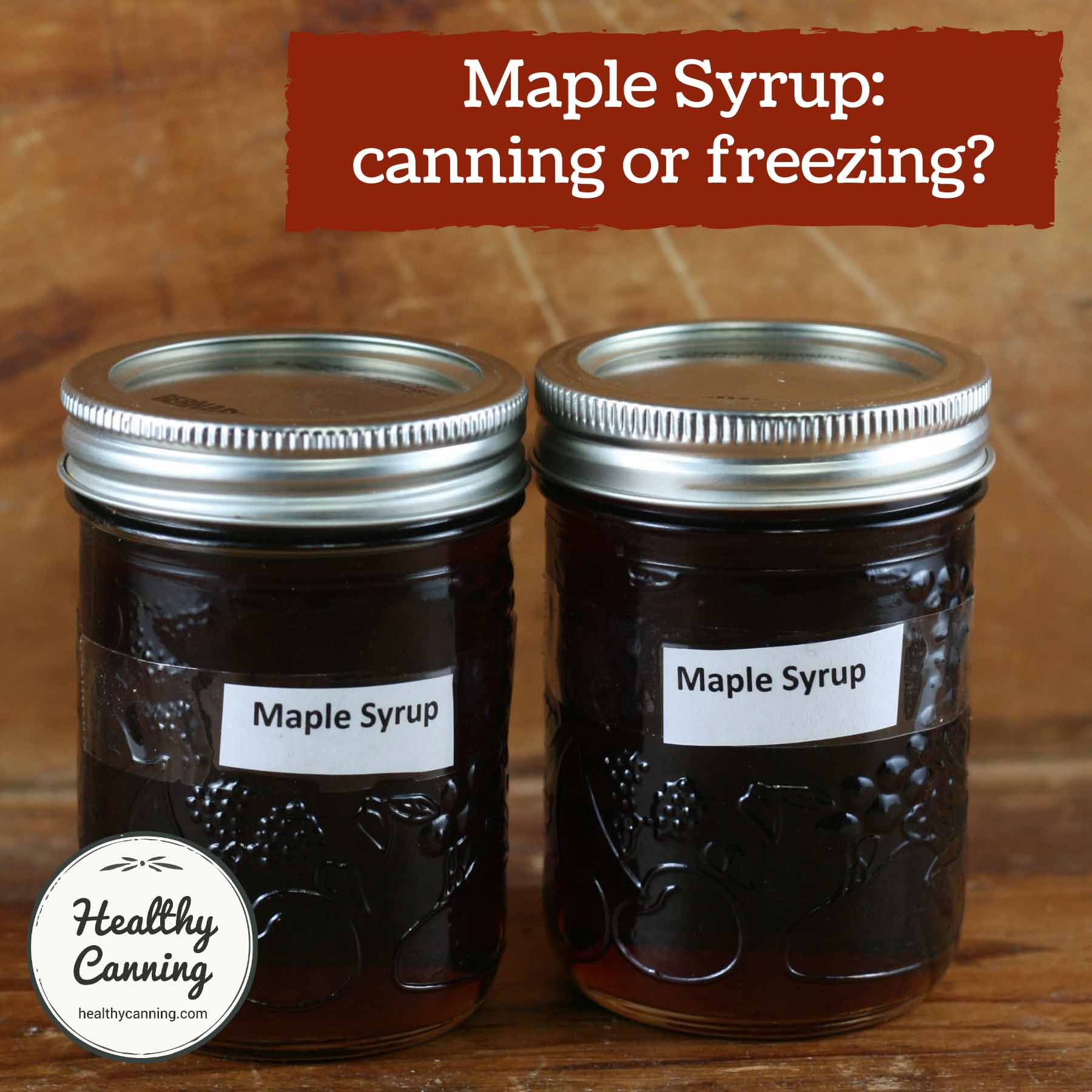
Freezing: The Gold Standard for Long-Term Preservation
For the home consumer, freezing is universally recognized by experts—including the Vermont Maple Sugar Makers’ Association and various University Extension services—as the superior method for maintaining the quality of maple syrup over an indefinite period.
Freezing offers several distinct advantages over other methods. First, it completely arrests the growth of mould. Second, it preserves the delicate aromatic compounds and the specific "grade" (colour and flavour profile) of the syrup better than heat-based methods.
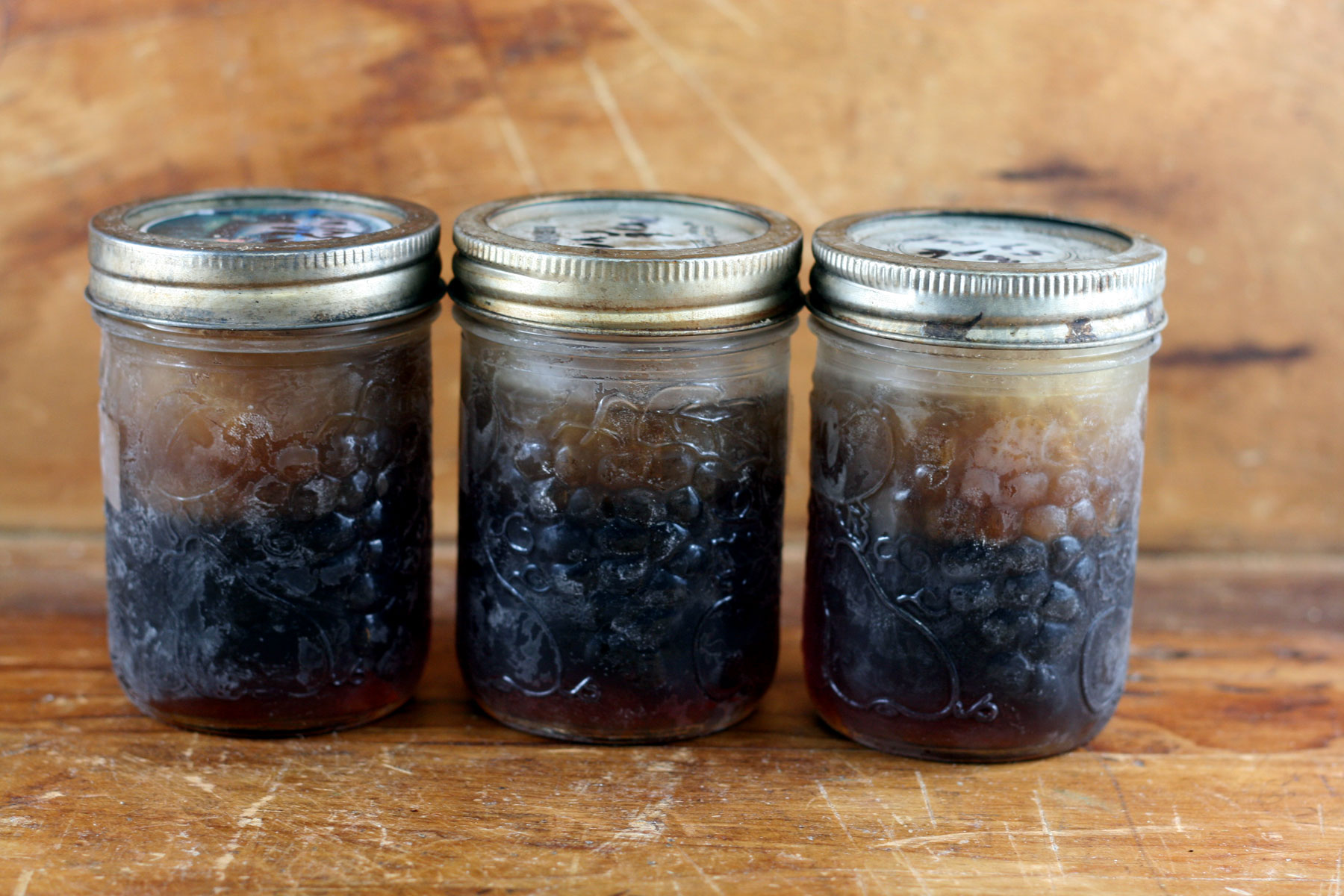
One of the most interesting characteristics of maple syrup is that it does not freeze solid in a standard domestic freezer. Due to the high sugar content, the syrup becomes highly viscous—resembling the texture of thick honey or chilled molasses—but remains somewhat fluid. This allows for high flexibility; a consumer can scoop out a small amount or pour it into a smaller vessel without waiting for a total thaw.
Guidelines for Freezing Maple Syrup:
- Vessel Selection: Glass jars (such as Mason jars) are preferred. Plastic can allow for the migration of freezer odours, and metal may impart a metallic tang over long periods.
- Headspace Management: This is the most critical safety step. As the syrup cools and expands, it requires space. The National Center for Home Food Preservation (NCHFP) suggests leaving specific headspace to prevent the glass from shattering. For a quart (1 litre) jar, a one-inch (2.5 cm) headspace is standard. For smaller pint or half-pint jars, a half-inch (1.2 cm) headspace is usually sufficient.
- Thawing and Refreezing: Unlike many other food products, maple syrup can be thawed and refrozen multiple times without safety risks, provided any condensation that forms on the surface is stirred back into the syrup to maintain uniform density.
The Risks and Realities of "Home Canning"
Many home preservers attempt to "re-can" bulk maple syrup into smaller jars to make them shelf-stable. However, professional agricultural extension agents generally advise against this for the average hobbyist. The process is more accurately described as "bottling" or "hot-packing," as there is no officially tested boiling water bath or pressure canning process for maple syrup.
The primary deterrent for home canning is the degradation of quality. Ohio State University Extension notes that reheating syrup for the purpose of re-bottling often causes the syrup to darken and the flavour to become more "cooked" or caramelized, effectively lowering the grade of the product. Furthermore, if the syrup is heated above 82°C (180°F), minerals known as "sugar sand" or niter can precipitate out of the liquid. This results in a cloudy appearance and a gritty sediment at the bottom of the jar. While harmless, this sediment is unappealing and requires specialized felt or paper filters to remove.
The Industrial "Hot Pack" Process
If a consumer insists on re-bottling rather than freezing, they must emulate the industrial "hot pack" method, which carries inherent risks:
- Temperature Control: The syrup must be heated to between 82°C and 85°C (180°F–185°F).
- Container Sterilization: Jars must be pre-heated to prevent thermal shock (shattering) and to ensure the glass doesn’t immediately drop the syrup’s temperature below the spore-kill threshold.
- Inversion: Once capped, jars are often turned upside down for 5 to 10 minutes. This allows the hot syrup to sterilize the underside of the lid and the neck of the bottle.
- Rapid Cooling: After the inversion period, the jars must be cooled quickly—often with the aid of a fan—to prevent "stack burn," a condition where residual heat continues to cook the syrup, ruining its flavour profile.
Broader Implications and Consumer Safety
The challenge of maple syrup preservation is not merely a matter of culinary preference but one of food waste and economic impact. Maple syrup is a premium agricultural product, often costing significantly more than other sweeteners. The loss of a gallon of syrup due to mould represents a notable financial loss for a household.
Recent research from the University of Maine has highlighted that previous industry assumptions regarding mould may have been too optimistic. A study found that 32 out of 34 samples of contaminated syrup submitted by producers contained fungi that were remarkably heat-resistant. Some spores were found to survive temperatures of 75°C (167°F) for three minutes. This data underscores why freezing is the only foolproof method for the home consumer; it bypasses the need for precision heat treatments that are difficult to calibrate in a home kitchen.
Ultimately, the best practice for the modern consumer is a tiered approach: store unopened glass or metal containers in a cool, dark pantry; refrigerate all opened containers regardless of material; and freeze any bulk quantities intended for use beyond a six-month window. By respecting the delicate chemistry of this natural sweetener, households can ensure that the "liquid gold" remains as vibrant and flavorful as the day it was tapped from the tree.