
The announcement, made on March 6th via official Facebook and LinkedIn channels, confirmed the immediate cessation of all operations. This means no new ovens will be sold, and crucially for existing users, the company will no longer provide new recipes, software updates, or accessibility enhancements for its signature appliances. This abrupt halt to development and sales leaves a considerable number of Brava owners in a state of uncertainty, grappling with the potential obsolescence of a device many considered a cornerstone of their modern kitchens.
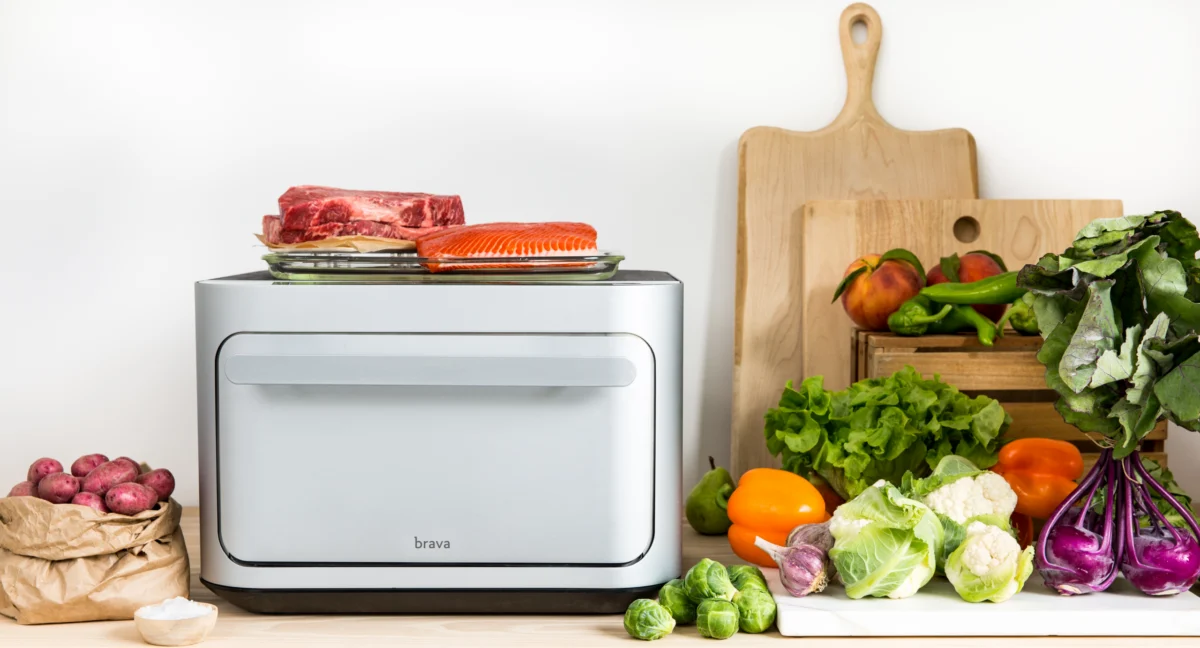
Brava’s core innovation lay in its proprietary "Pure Light" cooking technology, which utilized a combination of precisely controlled lamps – specifically, heat lamps and visible light lamps – to cook food with remarkable speed and accuracy. Unlike traditional ovens that rely on convection or radiant heat, Brava’s system could target specific wavelengths of light to cook different foods from the inside out and outside in simultaneously, leading to evenly cooked meals with crispy exteriors and moist interiors in a fraction of the time. This technology was particularly adept at searing meats, toasting bread, and even roasting vegetables with a level of precision that often surpassed conventional methods. The company touted its ability to cook a steak to perfection in under six minutes or bake a cake in under ten, positioning itself as a time-saving and performance-enhancing solution for busy home cooks.
The cessation of operations comes on the heels of a significant corporate restructuring within Brava’s parent company, Middleby Corporation. Just over a month prior to Brava’s announcement, Middleby completed a transaction that saw private equity firm 26North acquire a majority stake in its residential kitchen unit. This newly branded entity, now known as Composition Brands, absorbed a significant portion of Middleby’s consumer-facing appliance portfolio. While it was initially unclear if Brava was directly included in this deal and subsequently transferred to 26North’s ownership, a former Brava employee has since confirmed that majority ownership of Brava was indeed transferred to 26North/Composition Brands. This context suggests that the decision to wind down Brava’s operations may have been a strategic move by the new ownership to streamline its portfolio or reallocate resources, rather than a direct reflection of Brava’s individual performance in the market.
The impact on Brava’s dedicated user base is palpable. Similar to the widespread dismay experienced when June Oven, another pioneer in the smart oven market, shut down, Brava owners have expressed profound disappointment and concern. Many have shared their reliance on the Brava oven, with some reporting near-daily use since as far back as 2019. The prospect of their sophisticated countertop appliance becoming a mere "expensive paperweight" is a significant worry.
"They’re going to potentially discontinue the cloud, which would make it into a very expensive paperweight?!" one commenter lamented on Brava’s Facebook page, echoing a sentiment of vulnerability shared by many. The Brava oven, like many sophisticated smart appliances, relies on a connected cloud service for its extensive recipe library, software updates, and potentially for core functionalities. The announcement that these services "may be limited or discontinued at any time" casts a long shadow over the future usability of the devices. Without access to the online recipe library, the full potential of the "Pure Light" cooking technology diminishes. Furthermore, the lack of future software and accessibility updates means that any emerging bugs or security vulnerabilities will likely go unaddressed, and the user experience will remain static.
Customer support and the availability of replacement parts are also critical concerns. Brava has stated that these services will be available "for a limited time while resources remain available." This vague assurance offers little long-term comfort to owners who have invested a significant amount in a premium kitchen appliance. The lifespan of smart appliances is often tied to the manufacturer’s commitment to ongoing support, and with Brava ceasing operations, the clock is ticking on the availability of crucial repairs and spare components.

The Evolving Landscape of Smart Kitchen Appliances
Brava’s departure underscores the challenging economics and rapid evolution of the smart kitchen appliance market. Over the past decade, numerous companies have entered the space, promising to revolutionize home cooking with connected technology. However, the reality has proven to be more complex, with several promising brands failing to achieve sustainable success.
The initial promise of smart ovens centered on convenience, enhanced functionality, and precision cooking. Early iterations often focused on app connectivity, allowing users to preheat ovens remotely, adjust temperatures, and access recipes. However, the true innovation, as exemplified by Brava, lay in fundamentally rethinking the cooking mechanism itself. Brava’s "Pure Light" technology was a bold departure from incremental improvements, offering a tangible difference in cooking speed and results.
Brava’s exit leaves a notably smaller field of dedicated smart oven manufacturers. Key remaining players include:
- Anova: A division of Electrolux, Anova has carved out a niche with its steam-enabled precision ovens, focusing on sous vide integration and precise temperature control.
- Tovala and Suvie: These companies have adopted a different model, heavily integrating their smart ovens with a food delivery service. Their revenue is largely derived from the sale of pre-portioned meals that are designed to be cooked in their proprietary ovens, creating a closed ecosystem. Suvie goes a step further, marketing its multi-function device as a "cooking robot."
- Breville and Chef IQ: These brands offer smart ovens with advanced app connectivity and features, but they largely adhere to more traditional heating methods, enhancing them with digital controls and recipes rather than reimagining the core cooking process as Brava did.
The common thread among many of these surviving brands is a clear value proposition that extends beyond mere connectivity. Whether through integrated food delivery services or a focus on specific cooking techniques like precision steam or advanced convection, they offer a more compelling reason for consumers to invest in a premium smart appliance.
The Future of Light-Based Cooking
For consumers who were drawn to Brava’s unique approach to cooking with light, the future may hold a glimmer of hope. While Brava is no longer operational, the concept of using light-based technologies for rapid and precise cooking is not entirely dead.
Tom Klaff, CEO of Revolution Cooking, recently indicated that their new smart oven, the "Macrowave," is slated to begin shipping in November. This innovative appliance also leverages infrared light technology, a different but related approach to light-based cooking, to achieve rapid heating and cooking cycles. Revolution Cooking positions its Macrowave as a device that can toast, bake, broil, and reheat food with exceptional speed and efficiency, aiming to capture some of the market interest that Brava once commanded. The success of such ventures will depend on their ability to not only deliver on technological promises but also to build robust support systems and compelling value propositions for consumers in an increasingly competitive and volatile market.
The story of Brava serves as a cautionary tale for the smart appliance industry. Innovation is crucial, but it must be coupled with a sustainable business model, robust long-term support for customers, and a clear understanding of market dynamics. As consumers become more discerning and the economic realities of hardware development become clearer, companies that can effectively blend cutting-edge technology with enduring customer value are the ones most likely to thrive. The era of the purely connected appliance is giving way to a new generation of smart devices that must demonstrate tangible benefits and a commitment to longevity to truly win over the modern kitchen.