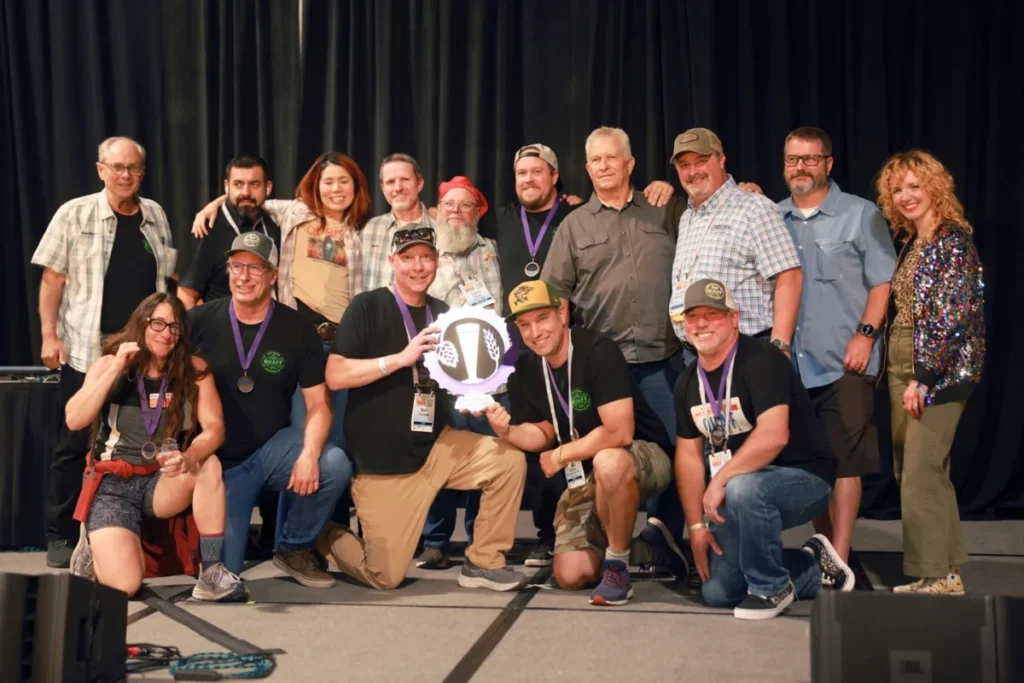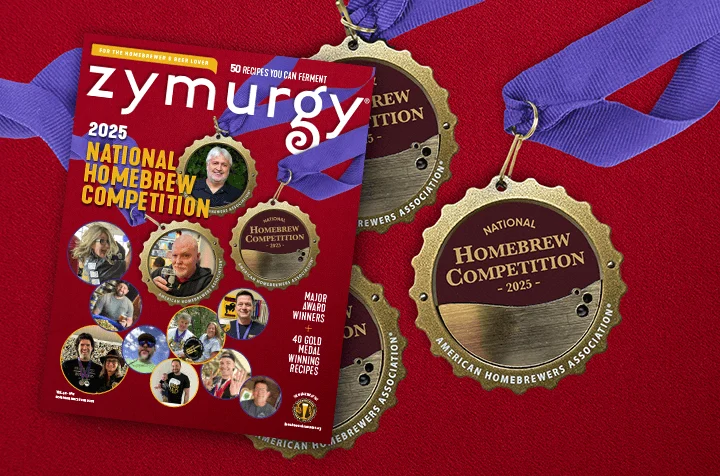

The American Homebrewers Association (AHA) has officially released the November/December 2025 edition of Zymurgy, its flagship publication dedicated to the art and science of home fermentation. This landmark issue serves as the definitive record for the 2025 National Homebrew Competition (NHC), the world’s most prestigious stage for amateur brewers, while simultaneously addressing the evolving socioeconomic landscape of the hobby. Through a combination of award announcements, technical brewing deep-dives, and social commentary, the latest issue provides a comprehensive overview of the current state of homebrewing, emphasizing resilience, inclusivity, and fiscal responsibility in the face of rising material costs.
As the primary organ of the AHA since its founding in 1978, Zymurgy continues to document the progression of fermentation culture. The 2025 year-end issue is particularly significant, as it celebrates the 47th anniversary of the National Homebrew Competition, an event that has historically acted as a springboard for some of the most influential figures in the American craft beer revolution. The issue not only lists the victors across dozens of style categories but also provides the specific recipes and methodologies that propelled these brewers to the podium, offering a masterclass in technical execution for the broader membership.
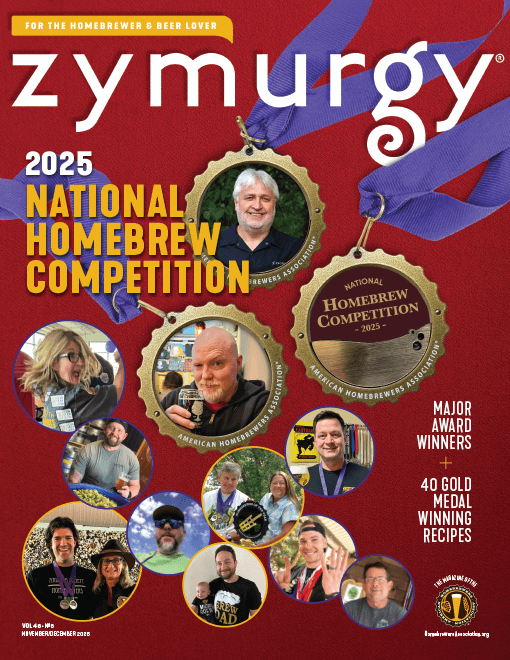
The 2025 National Homebrew Competition: A Benchmark of Excellence
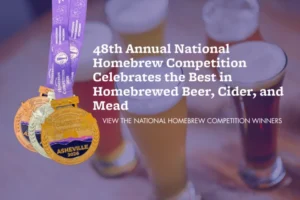
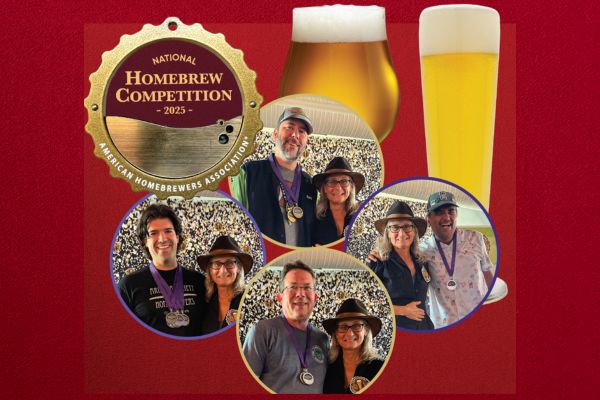
The centerpiece of the November/December issue is the detailed coverage of the 2025 National Homebrew Competition. Recognized as the largest amateur brewing competition globally, the NHC represents the culmination of a year-long journey for thousands of participants. In 2025, the competition saw a diverse array of entries across beer, mead, and cider categories, judged by panels of certified experts under the Beer Judge Certification Program (BJCP) guidelines.
The issue highlights nine major awards that represent the pinnacle of achievement in the hobby. Chief among these is the Homebrewer of the Year, an honor bestowed upon the individual whose entry is judged the best of show among all gold-medal-winning beer entries. Similarly, the Cidermaker of the Year and Meadmaker of the Year awards recognize the highest level of mastery in non-malt-based fermentation. Perhaps the most coveted institutional honor, the Samuel Adams Ninkasi Award, was also presented. Named after the Sumerian goddess of beer, this award is given to the brewer who accumulates the most points in the final round of the competition, requiring consistent excellence across multiple styles and categories.
The 2025 results underscore a continuing trend toward historical accuracy and technical precision. While experimental styles continue to draw interest, the gold medal recipes featured in this issue demonstrate a return to foundational brewing principles. From decoction mashing in traditional German lagers to the complex nutrient management required for high-gravity meads, the winning recipes serve as a vital educational resource for brewers looking to refine their processes.
Brewing in the Face of Adversity: Themes of the 2025 Edition
Beyond the accolades, the November/December 2025 issue adopts a thematic focus on "brewing in the face of adversity." This editorial direction reflects the broader challenges facing the homebrewing community, ranging from the rising costs of raw materials like malt and hops to the personal hurdles individual brewers overcome to pursue their craft.
The lead feature articles explore how the hobby is adapting to a changing world. One such article, authored by economist Jeff Weikert, addresses the financial realities of modern brewing. As global supply chains remain volatile and the price of specialized brewing equipment increases, Weikert applies economic principles to the brewhouse. His "frugal brewing" guide offers practical strategies for saving time, money, and effort without compromising the quality of the final product. This includes advice on bulk ingredient purchasing, yeast harvesting and banking, and energy-efficient boiling techniques—a reflection of a growing movement toward sustainability and cost-consciousness within the AHA.
The issue also tackles social adversity through a profile on women in the brewing industry. Robyn Schumacher, a prominent figure in the professional and amateur brewing spheres, discusses the "invisible wall of respect" that women often encounter. Schumacher notes that while the barriers are not insurmountable, they remain a persistent factor in the hobby. By highlighting these experiences, Zymurgy aims to foster a more inclusive environment, acknowledging that the future of homebrewing depends on breaking down traditional demographic barriers.
Technical Innovation and the Quest for "Unicorn" Beers
For the technically minded brewer, the issue provides an in-depth look at "homebrew unicorns"—high-gravity, mythical beers based on obscure or difficult-to-find styles. Contributor Mark Pasquinelli explores the challenges of brewing these "beasts," which often involve extremely high starting gravities, extended aging periods, and complex fermentation schedules.
These "unicorn" beers often represent the limits of what can be achieved in a home setting. Pasquinelli’s analysis covers the vital importance of yeast health, oxygenation strategies for high-sugar environments, and the chemistry of long-term maturation. By focusing on these difficult styles, Zymurgy continues its tradition of pushing the boundaries of amateur brewing, encouraging members to move beyond standard ales and lagers into the realm of professional-grade specialty releases.
The Evolution of Zymurgy and the American Homebrewers Association
The November/December 2025 issue is overseen by Editor-in-Chief Dave Carpenter, who has led the publication through a period of significant digital and editorial transition. Carpenter, a veteran brewer and writer, has emphasized a balance between "geeking out" on technical data and maintaining the hobby’s sense of community and fun. Under his leadership, the magazine has integrated more multimedia content, including the "Free Zymurgy Online Preview" mentioned in the current release, which allows non-members a glimpse into the high-value content reserved for AHA subscribers.

The AHA itself remains a critical advocate for the hobby. Founded by Charlie Papazian, the association has grown from a small group of enthusiasts to a national organization that influences legislative policy regarding home fermentation and supports a network of hundreds of local homebrew clubs. The annual NHC and the publication of Zymurgy are the twin pillars of this effort, providing both the motivation for excellence and the tools required to achieve it.
Broader Impact and Industry Implications
The trends documented in the 2025 NHC results and the articles within this issue have significant implications for the commercial craft beer industry. Historically, homebrewers have been the "research and development" wing of the beer world. Styles that are now ubiquitous in taprooms, such as the New England IPA or the Pastry Stout, often found their start in five-gallon carboys in garages and kitchens.
The focus on "frugal brewing" and efficiency in this issue may signal a shift in the commercial sector as well, as small-scale breweries look for ways to maintain margins in an inflationary environment. Furthermore, the emphasis on high-gravity, limited-run "unicorns" reflects a consumer market that is increasingly looking for "event" beers—highly specialized products that offer a unique sensory experience.
The recognition of winners in the mead and cider categories also points to the continued diversification of the fermentation market. As consumers look for gluten-free options or alternative flavor profiles, the innovations made by amateur mead and cider makers are likely to influence commercial production in the coming years.
Conclusion: A Roadmap for the Future of Fermentation
The November/December 2025 issue of Zymurgy is more than a simple list of contest winners; it is a snapshot of a hobby in transition. By celebrating the triumphs of the National Homebrew Competition while simultaneously addressing the economic and social challenges of the day, the magazine reaffirms its role as the central authority for the homebrewing community.
Through the contributions of experts like Jeff Weikert, Robyn Schumacher, and Mark Pasquinelli, and under the editorial guidance of Dave Carpenter, the issue provides a roadmap for the future. It suggests a hobby that is becoming more technical, more inclusive, and more resilient. For the members of the American Homebrewers Association, this issue serves as both an inspiration to improve their craft and a practical guide for navigating the complexities of brewing in 2025 and beyond. As the year draws to a close, the gold medal recipes and stories of perseverance contained within these pages will undoubtedly influence the next generation of fermentations, ensuring that the spirit of homebrewing remains vibrant and innovative.