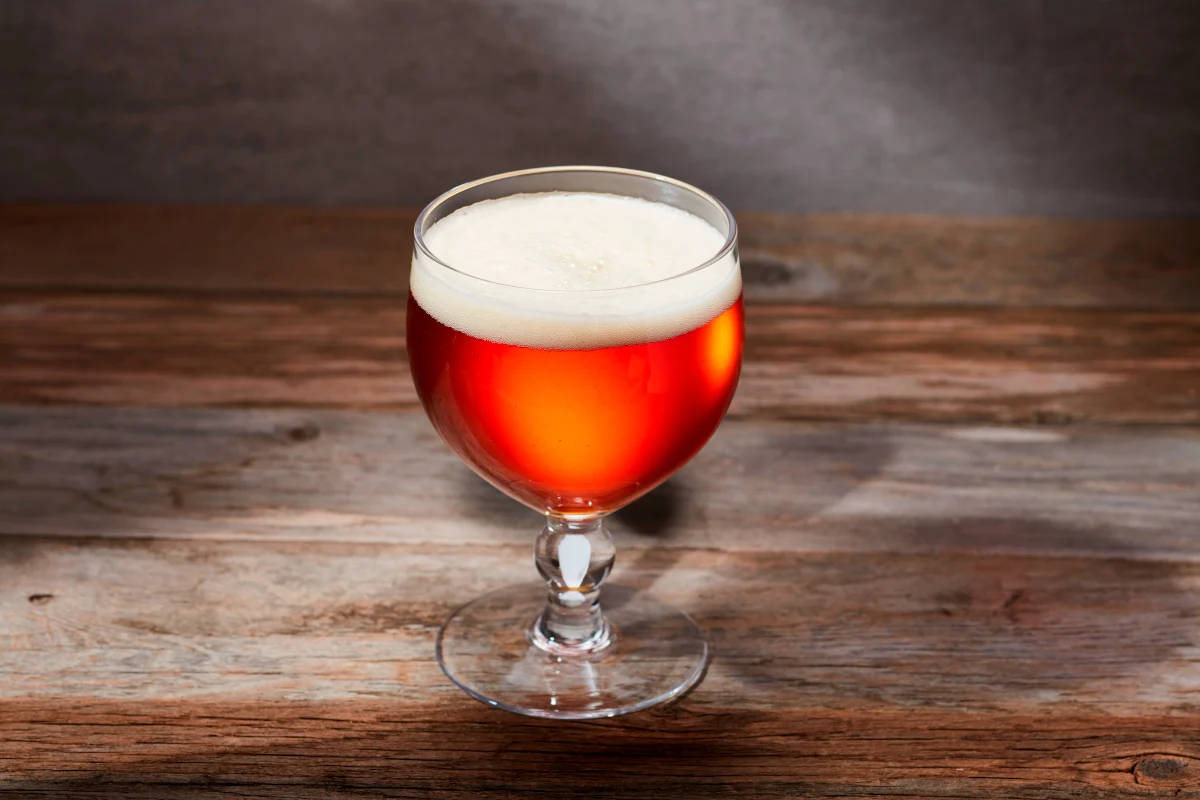

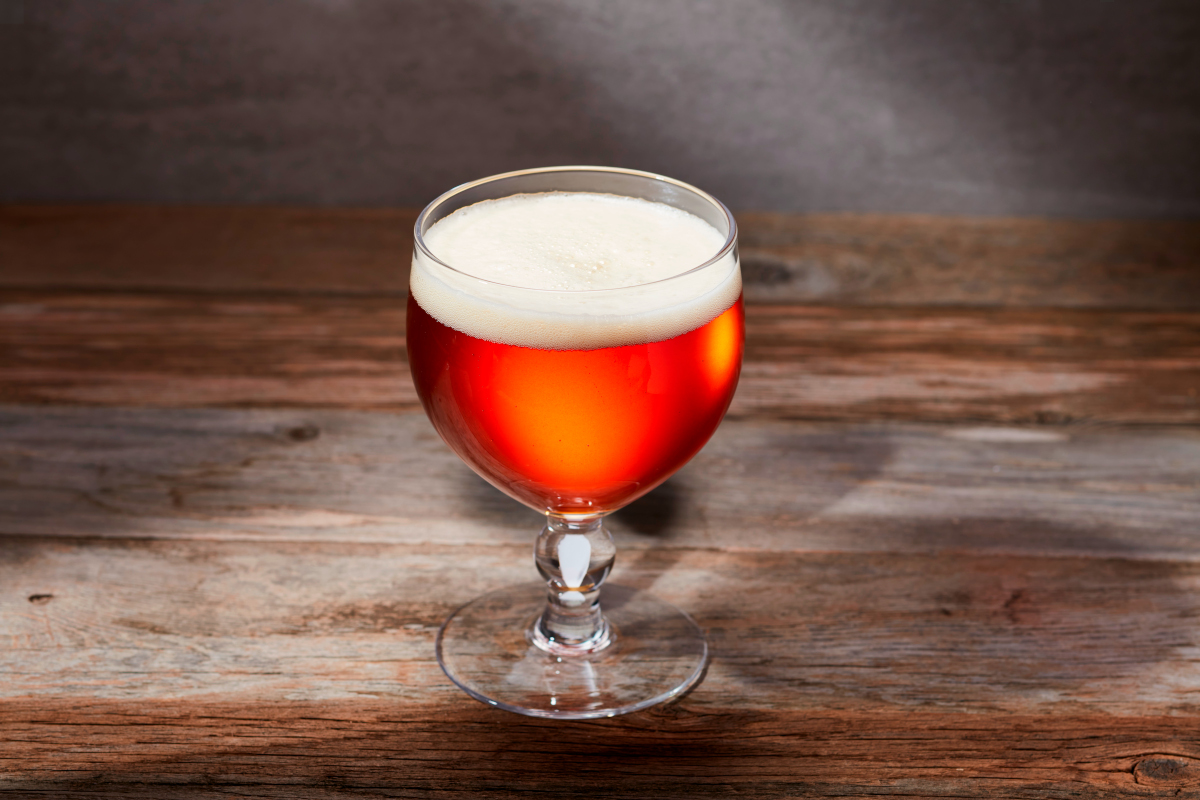
The pursuit of the perfect pint has long been a driving force for amateur and professional brewers alike, and recent developments in homebrewing methodology have brought professional-grade precision into the domestic kitchen. A newly detailed recipe for a gold-medal-standard copper lager highlights the increasing technical sophistication of the homebrewing community, emphasizing a meticulous balance of temperature control, water chemistry, and traditional German mashing techniques. This specific formulation, designed for a 5.5-gallon yield, represents the pinnacle of the "Vienna Lager" or "Märzen" style, characterized by its 5% alcohol by volume (ABV), a moderate 20 International Bitterness Units (IBU), and a striking copper hue measured at 11 on the Standard Reference Method (SRM) scale.
Technical Specifications and Recipe Foundations
At the core of this award-winning approach is a set of precise specifications that ensure consistency and quality. The recipe targets an original gravity (OG) of 1.049 (12.2°P) and a final gravity (FG) of 1.011 (2.7°P). Achieving these numbers requires a calculated brewhouse efficiency of 68%, a figure that reflects a realistic expectation for most high-end homebrewing systems while allowing for the rich malt extraction necessary for a medium-bodied lager.
The copper lager’s profile is defined by its malt-forward character, which is achieved through a specific selection of base and specialty grains. While the exact malt bill often remains a closely guarded secret among competitive brewers, the resulting 11 SRM suggests a heavy reliance on Vienna and Munich malts, possibly accented by a small percentage of Carafa or Melanoidin malts to provide the deep amber-to-copper color and the toasted bread-crust aroma typical of the style. The use of Magnum hops for the 60-minute bittering addition provides a clean, neutral bitterness that allows the malt complexity to remain the focal point, adhering to the traditional European lager profile where hop aroma is secondary to malt elegance.
The Science of the Hochkurz Mash Schedule
One of the most notable aspects of this brewing protocol is the employment of the Hochkurz mash schedule. This "high-short" mashing technique is a modern adaptation of traditional German decoction mashing, designed to work efficiently with today’s highly modified malts. The process begins with treated Reverse Osmosis (RO) water, ensuring a blank canvas for mineral additions. By targeting a mash pH of 5.3, the brewer optimizes enzymatic activity and ensures a crisp, clean finish in the final product.
The Hochkurz schedule utilized here involves two primary temperature rests:
- The Maltose Rest: The mash begins at 146°F (63°C) for 20 minutes. At this temperature, beta-amylase enzymes are most active, breaking down complex starches into fermentable maltose sugars. This stage is crucial for achieving the desired attenuation and ensuring the beer is not overly cloying.
- The Dextrinization Rest: The temperature is then raised to 156°F (69°C) and held for 35 minutes. This activates alpha-amylase enzymes, which produce unfermentable dextrins that contribute to the beer’s body and mouthfeel.
- The Mashout: Finally, the temperature is increased to 168°F (76°C). This stops enzymatic activity and lowers the viscosity of the wort, making the sparging process more efficient.
This dual-rest system allows the brewer to fine-tune the fermentability of the wort, resulting in a beer that is both highly drinkable and substantially flavorful.
Chronology of the Brew Day and Fermentation
The timeline of production for this copper lager is a testament to the patience required in lager brewing. Following the mash, the wort undergoes a rigorous 90-minute boil. This extended boiling time serves several purposes: it increases the concentration of the wort, ensures the complete isomerization of hop alpha acids, and aids in the volatilization of Dimethyl Sulfide (DMS), a compound that can impart unwanted cooked-corn flavors.
The cooling and fermentation phase is where the technical precision becomes most critical. The wort is chilled to a precise 50°F (10°C) before oxygenation and yeast pitching. The inclusion of Servomyces yeast nutrient and a Whirlfloc tablet (added during the final 10 minutes of the boil) ensures that the yeast has the ideal environment for a clean fermentation.
The fermentation timeline is structured as follows:
- Primary Fermentation: 5 to 7 days at a steady 50°F (10°C).
- Diacetyl Rest: The temperature is allowed to "free rise" to 58°F (14°C) and is held for an additional 7 days. This step is vital for lager production, as it encourages the yeast to reabsorb diacetyl, a fermentation byproduct that smells and tastes like buttered popcorn.
- Forced Diacetyl Test: Before proceeding, the brewer performs a sensory test to confirm the absence of off-flavors.
- Cold Crashing and Lagering: Once attenuation is confirmed, the temperature is dropped gradually—2 to 4°F per day—until it reaches a "lagering" temperature of 35-37°F (2-3°C).
- Finishing: The beer is then transferred to a keg, treated with gelatin for clarity, and carbonated to 2.6 volumes of CO2.
Supporting Data and Stylistic Context
According to the Beer Judge Certification Program (BJCP) guidelines, a Vienna Lager should exhibit a moderate-strength, reddish-amber color with a soft, elegant malt complexity. This recipe aligns perfectly with those standards. Data from the American Homebrewers Association (AHA) suggests that the "Amber European Lager" category remains one of the most competitive in national circuits, often requiring brewers to master the very techniques described in this recipe.
Statistically, the 5% ABV and 20 IBU profile places this beer in the "sweet spot" of sessionability and flavor. In a recent survey of craft beer consumers, 64% expressed a preference for "clean and crisp" malt profiles over the aggressive bitterness of IPAs, indicating a broader market trend toward the styles this recipe represents. The use of RO water is another data-backed decision; by starting with pure water, brewers can add calcium chloride to enhance malt roundness or calcium sulfate to crisp up the hop finish, allowing for a degree of customization that was previously impossible for homebrewers.
Industry Reactions and Expert Analysis
The release of such detailed brewing protocols has garnered positive reactions from the homebrewing community and professional consultants. Industry analysts suggest that the transparency of award-winning recipes helps to elevate the overall quality of craft beer by educating the next generation of professional brewers.
"The move toward Hochkurz mashing in the home environment shows a deep respect for brewing science," says one fermentation specialist. "By focusing on the enzymatic rests and precise fermentation temperatures, homebrewers are producing lagers that rival commercial examples in terms of clarity, stability, and flavor profile."
Furthermore, the emphasis on the "forced diacetyl test" reflects a shift toward laboratory-style quality control in the home. This test involves heating a small sample of the beer to accelerate the conversion of diacetyl precursors, allowing the brewer to detect potential issues before the beer is packaged. It is a hallmark of professional brewing that has now become a standard recommendation for serious hobbyists.
Broader Impact on the Craft Beverage Landscape
The implications of these advanced homebrewing techniques extend beyond the hobby itself. As homebrewers master complex styles like the copper lager, they drive innovation and demand for higher-quality ingredients. This has led to the rise of boutique maltsters and specialized yeast labs that cater to the specific needs of the lager enthusiast.
The copper lager, with its approachable 5% ABV, also fits into the growing "low and slow" movement in the beverage industry—a move toward lower-alcohol, high-flavor beverages that can be enjoyed over longer periods. As the craft beer market matures, the technical proficiency required to brew a flawless lager is becoming the new benchmark for excellence.
In conclusion, this copper lager recipe is more than just a set of instructions; it is a masterclass in modern brewing science. By combining traditional German mashing techniques with contemporary water chemistry and rigorous fermentation management, it provides a roadmap for any brewer looking to achieve gold-medal results. As the homebrewing community continues to push the boundaries of what is possible in a small-scale setup, the line between the amateur kitchen and the professional brewhouse continues to blur, much to the benefit of beer lovers everywhere. The dedication to process, from the initial strike water treatment to the final carbonation in the keg, ensures that the resulting beer is a true expression of the brewer’s craft—a crisp, clean, and beautifully balanced copper lager.