
A culinary masterpiece that blends delicate crispness with a soft, marshmallowy interior, the homemade meringue roulade has emerged as a quintessential show-stopping dessert, particularly appealing for special occasions due to its inherent elegance and naturally gluten-free composition. This intricate yet rewarding confection, celebrated for its customizable flavors and impressive presentation, challenges home bakers to hone their skills while promising a delectable reward.
The Allure of the Meringue Roulade: A Culinary Profile
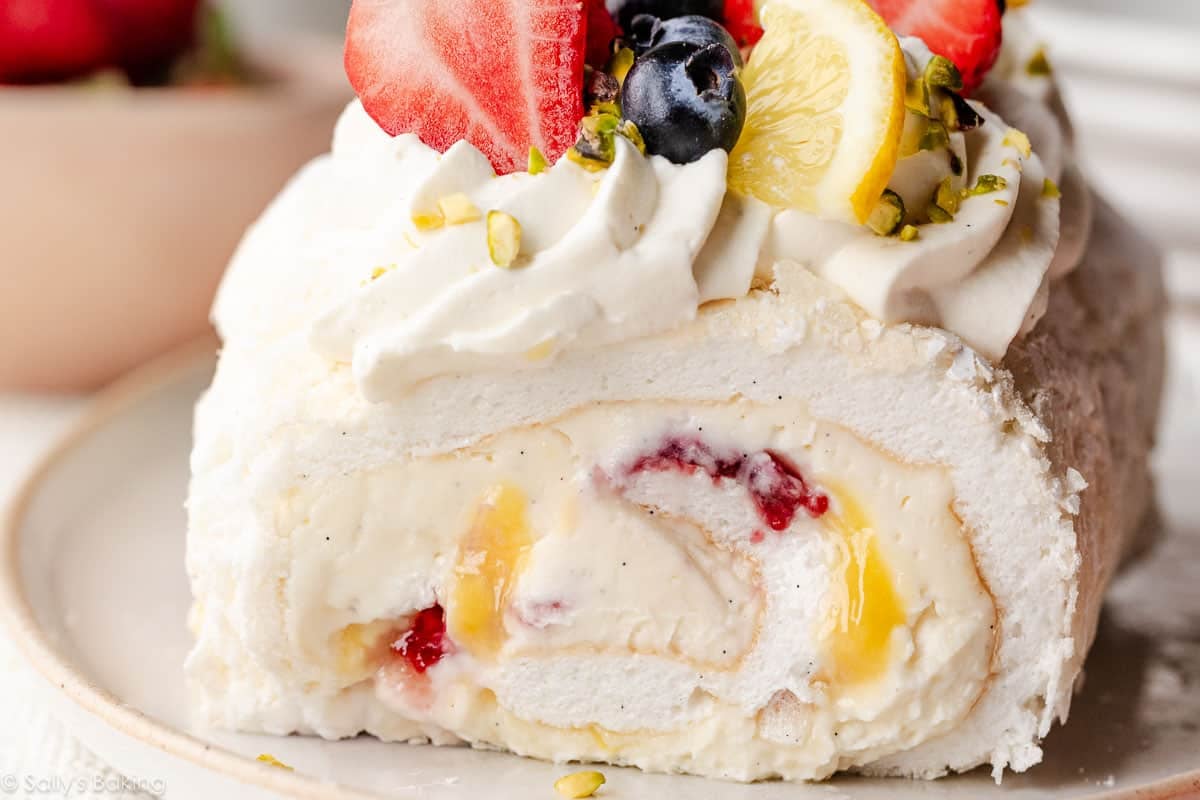
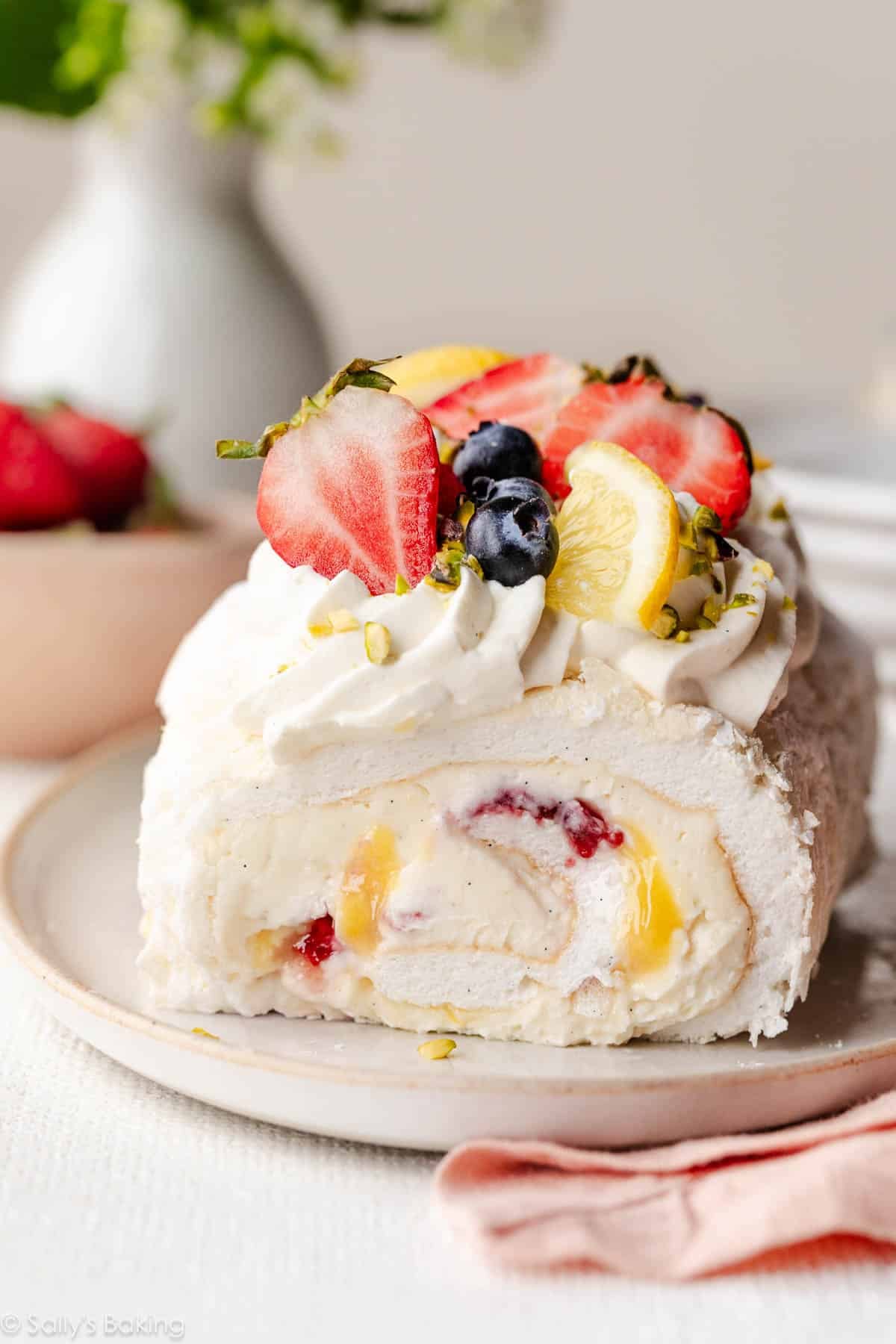
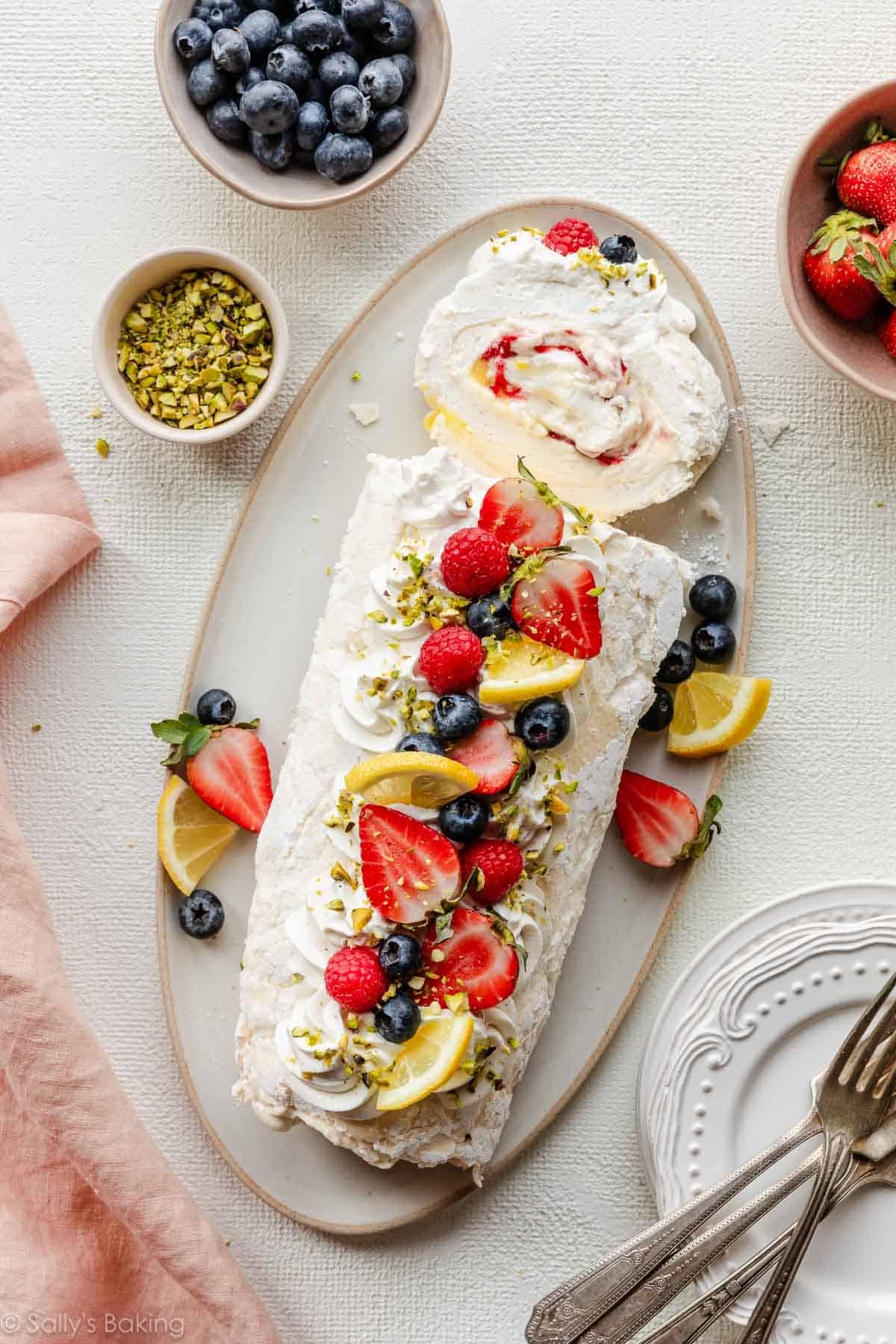
At its core, the meringue roulade is a sophisticated dessert crafted from whipped egg whites and sugar, baked to create a flexible sheet that is then carefully rolled around a creamy filling and complementary fruit curds or jams. Its signature texture—a fragile, crisp outer shell giving way to a remarkably soft, almost marshmallow-like interior—is what distinguishes it. This characteristic texture draws comparisons to a pavlova, often described as its more pliable cousin, capable of being elegantly rolled. The inherent absence of gluten makes it a versatile choice, catering to a growing demographic of diners with dietary sensitivities without compromising on luxury or flavor. The visual appeal, often featuring a beautiful spiral of cream and fruit, makes it a centerpiece worthy of any festive gathering.
Historical Roots and Modern Adaptation
Meringue, the foundational component of this roulade, boasts a rich history dating back to the 17th or 18th century, with origins often attributed to a Swiss baker named Gasparini. Early meringues were simple concoctions of whipped egg whites and sugar, baked until crisp. The concept of a "roulade" or "roll cake" has similarly evolved over centuries across various European culinary traditions, adapting to regional ingredients and techniques. The modern meringue roulade, as presented in contemporary baking, represents a refined fusion of these histories, utilizing precise methods to achieve a delicate balance of structure and flavor. Its rise in popularity reflects a broader trend in home baking towards challenging yet accessible recipes that deliver high visual impact and cater to modern dietary needs, such as gluten-free options. The increasing demand for sophisticated desserts that are also inclusive has positioned the meringue roulade as a prime example of culinary innovation meeting consumer demand.
The Science Behind the Perfect Meringue
Achieving the desired structure and texture in a meringue roulade is a testament to the precise interplay of its fundamental ingredients and the techniques employed. Each component plays a crucial role:
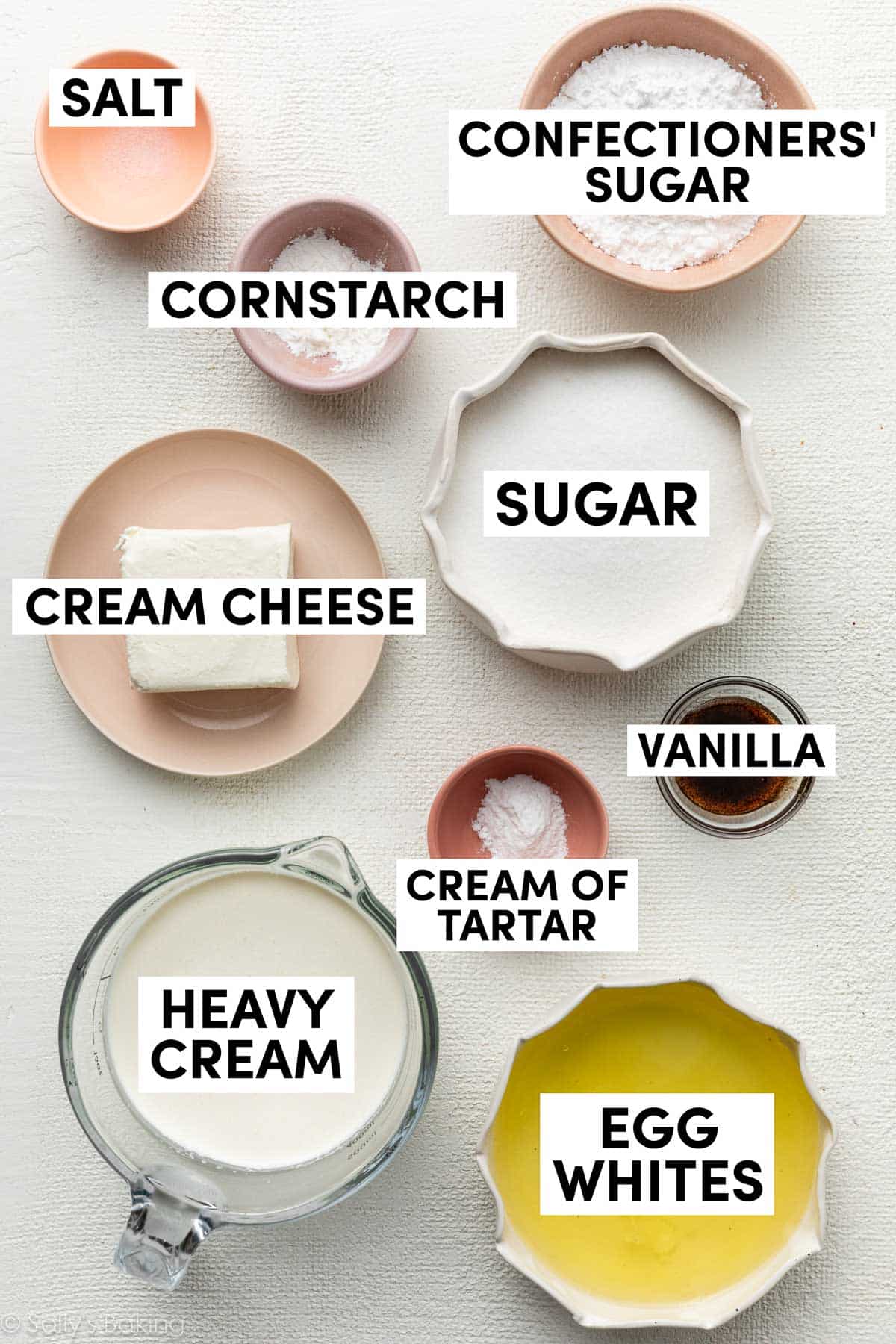
- Egg Whites: The backbone of meringue, egg whites are primarily protein. When whipped, these proteins denature and unravel, trapping air bubbles and creating a stable foam. The temperature of the egg whites is critical; room temperature egg whites whip to a greater volume more quickly than cold ones due to reduced surface tension.
- Sugar: More than just a sweetener, sugar contributes significantly to the meringue’s stability and texture. Granulated sugar, particularly superfine or caster sugar, is preferred because its smaller crystals dissolve more readily into the egg whites, preventing a gritty texture and ensuring a smooth, glossy meringue. Undissolved sugar can lead to weeping, where liquid separates from the meringue, indicating an unstable structure. The sugar helps to stabilize the whipped egg whites, preventing them from collapsing, and contributes to the crisp exterior upon baking.
- Cream of Tartar: This acidic ingredient, or an alternative like lemon juice, acts as a stabilizer. It helps to strengthen the egg white proteins, allowing them to hold more air and achieve stiffer, more stable peaks. This prevents over-whipping and enhances the meringue’s overall structure, reducing the likelihood of collapse.
- Cornstarch: A key addition for flexibility, cornstarch helps to absorb moisture during baking and contributes to the soft, marshmallowy interior. Crucially for a roulade, it provides a slight elasticity to the baked meringue, making it less prone to cracking during the rolling process. This structural reinforcement is vital for a successful roll.
The baking process itself is equally scientific. A low oven temperature for an extended period allows the meringue to dry out slowly, forming a crisp crust while maintaining a tender interior. Over-baking can lead to a brittle, hard meringue that cracks easily, while under-baking results in a sticky, wet texture. The goal is a meringue that is set on the outside, springy to the touch, and still pale with just a hint of golden color.
The Meticulous Process: A Chronological Guide to Assembly
The creation of a meringue roulade is a multi-stage process that demands precision and attention to detail.
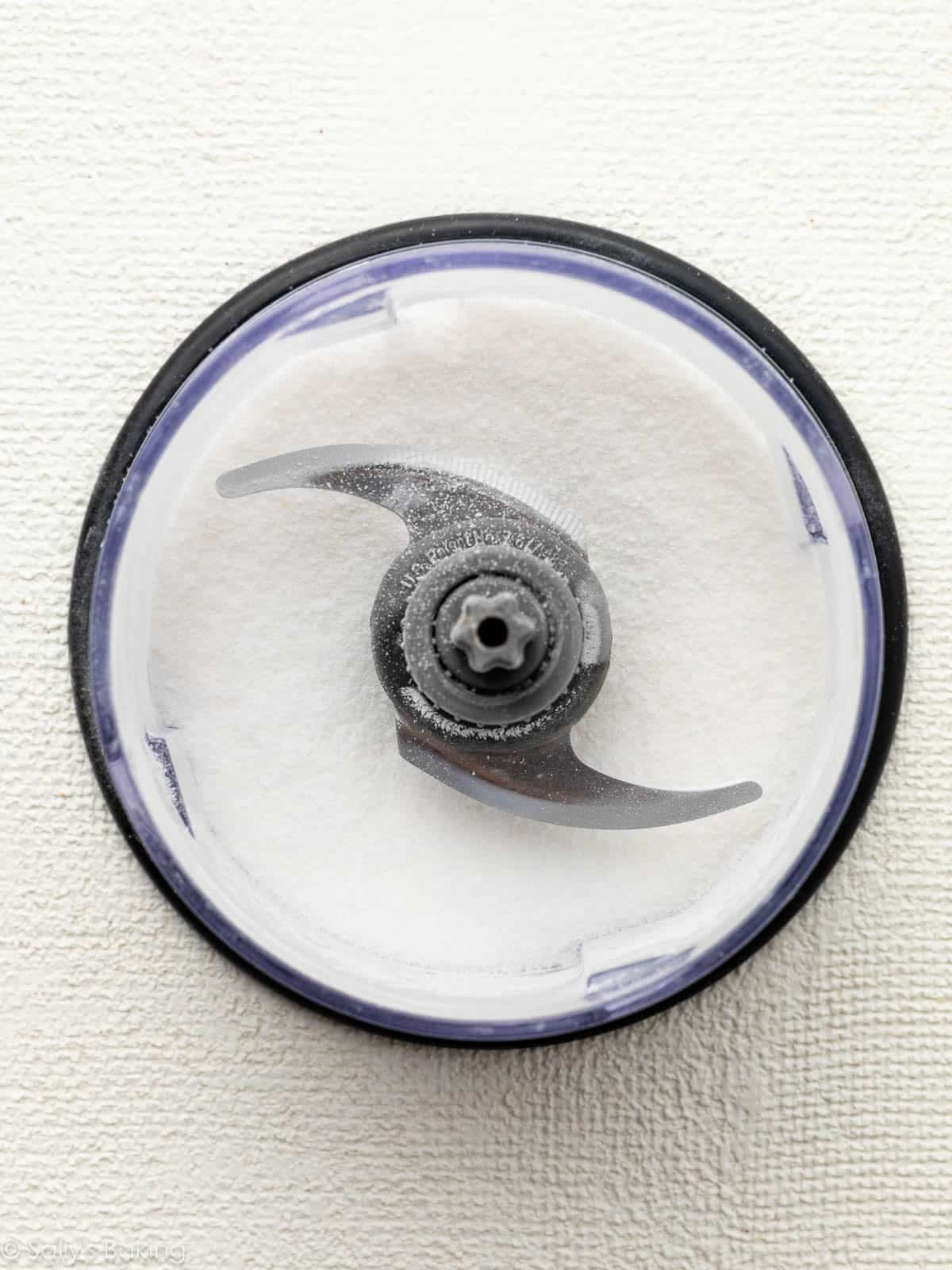
- Sugar Preparation: The initial step often involves processing granulated sugar into a superfine consistency, a critical factor for ensuring the sugar dissolves properly and integrates seamlessly into the egg whites, preventing graininess and weeping.
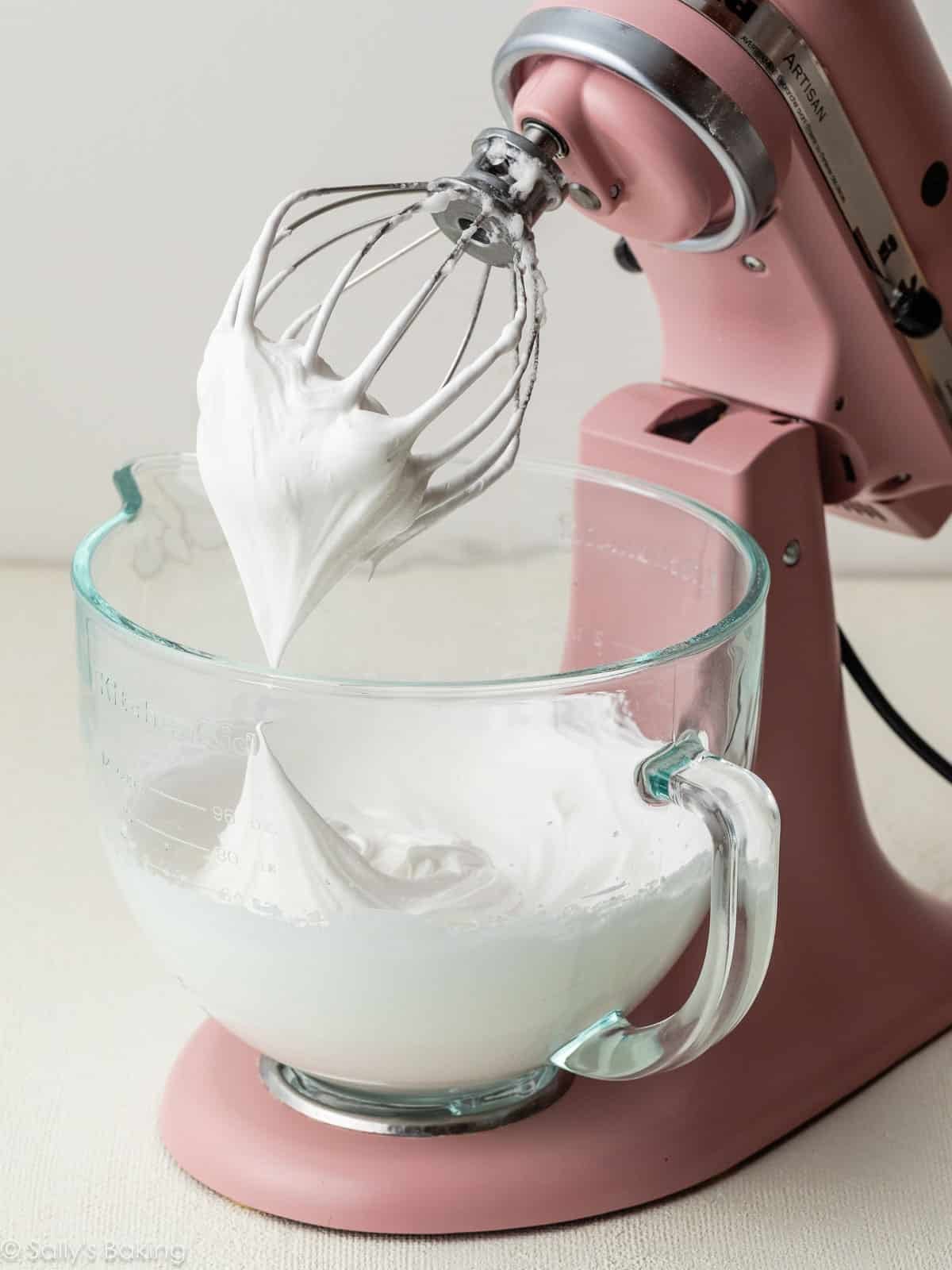
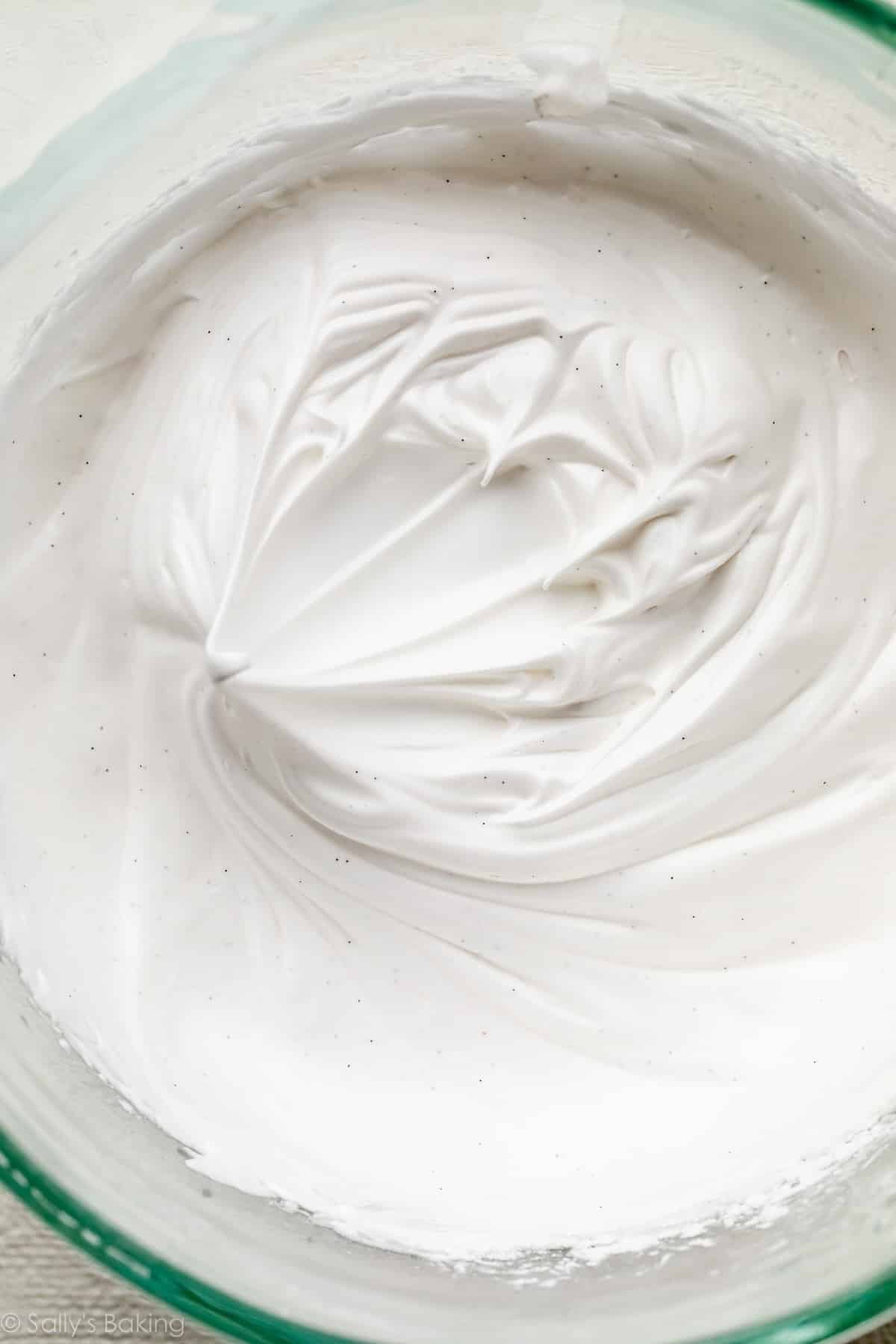
- Whipping the Meringue: Egg whites are first whipped until foamy, at which point cream of tartar is introduced to aid stability. Sugar is then gradually added, one tablespoon at a time, while the mixer continues to run. This slow incorporation allows the sugar crystals to dissolve fully and integrate, leading to a glossy meringue that holds firm, stiff peaks. The meringue is ready when a lifted whisk attachment reveals a peak that remains rigid and does not droop. Additional meringue ingredients are then folded in.
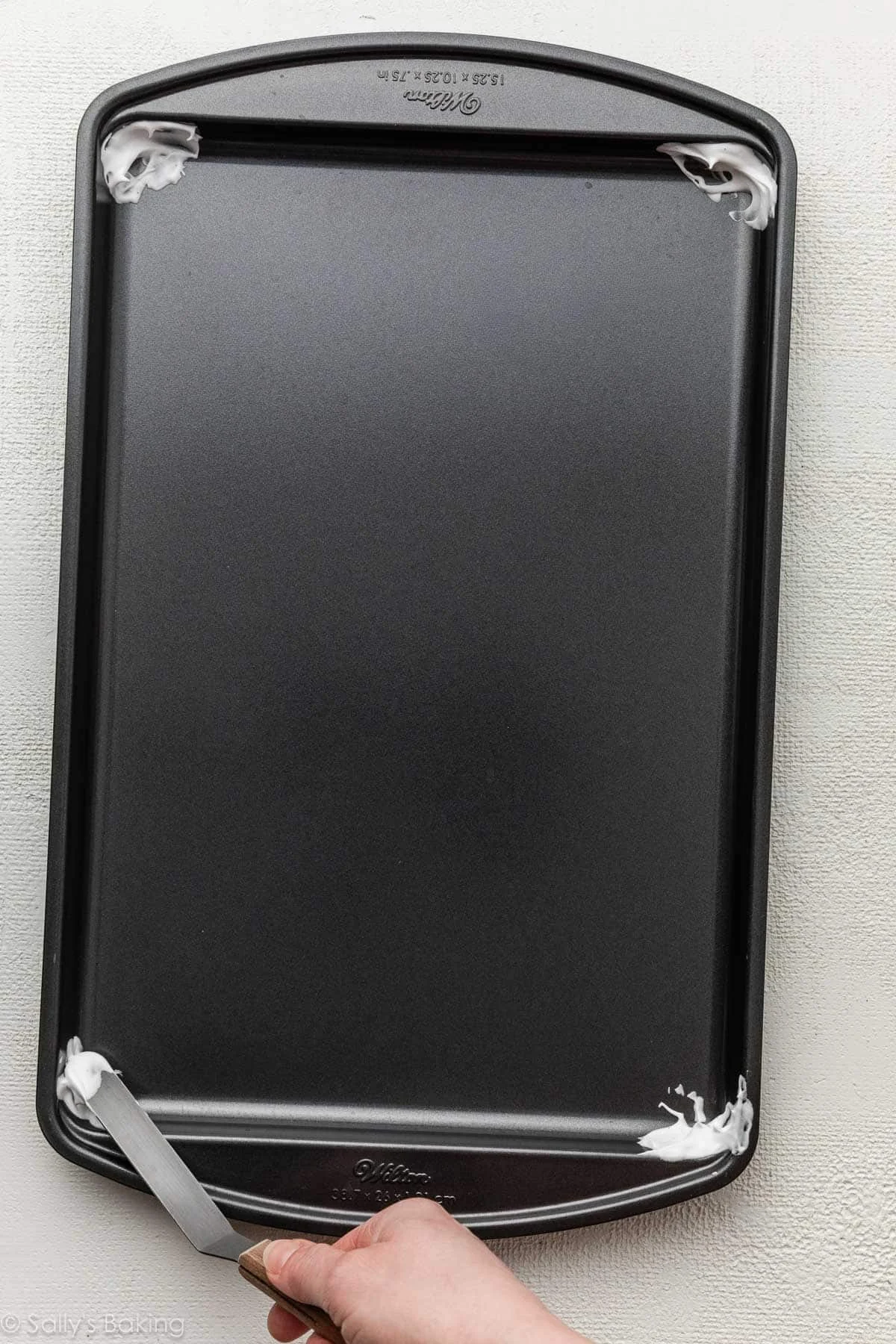
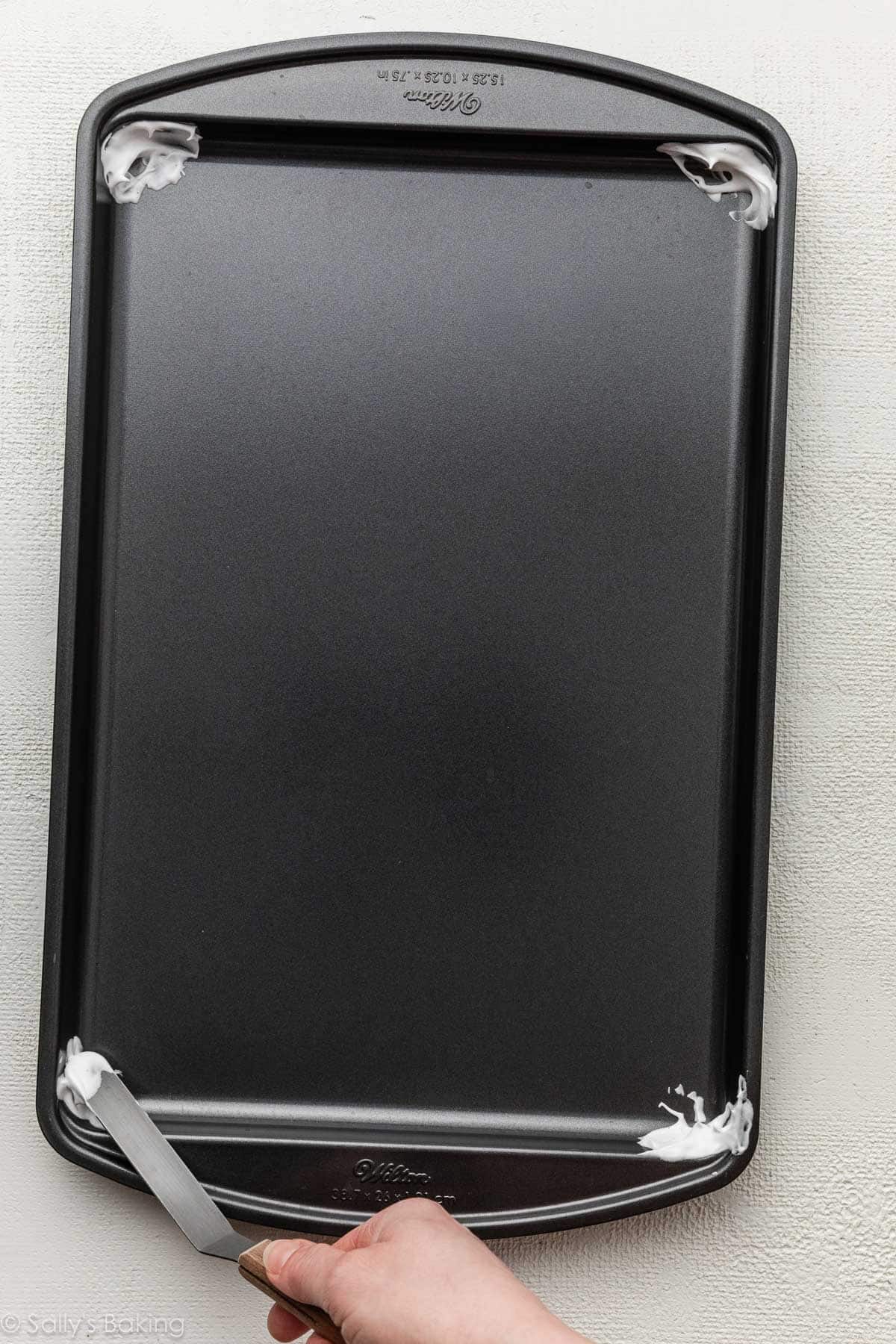
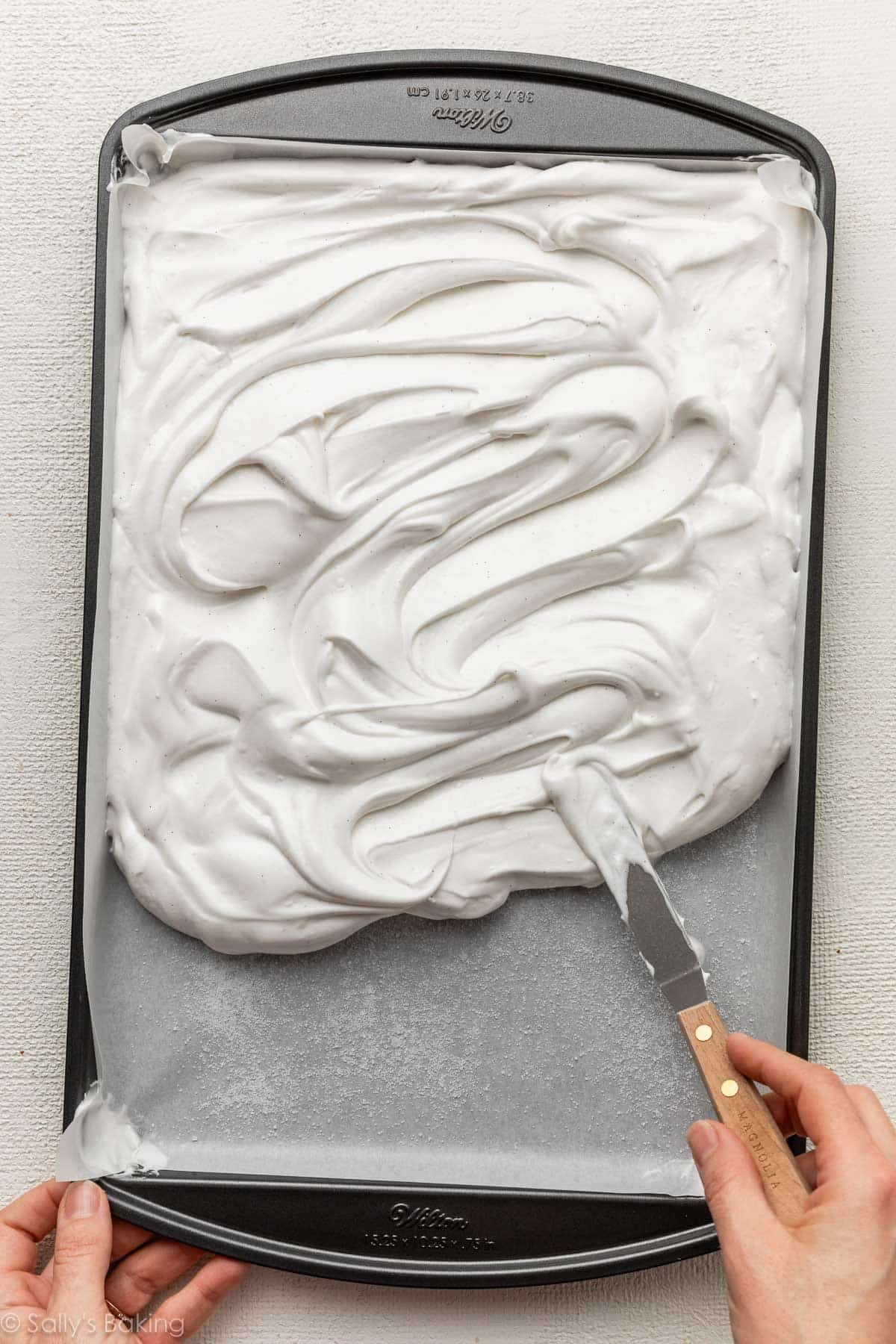
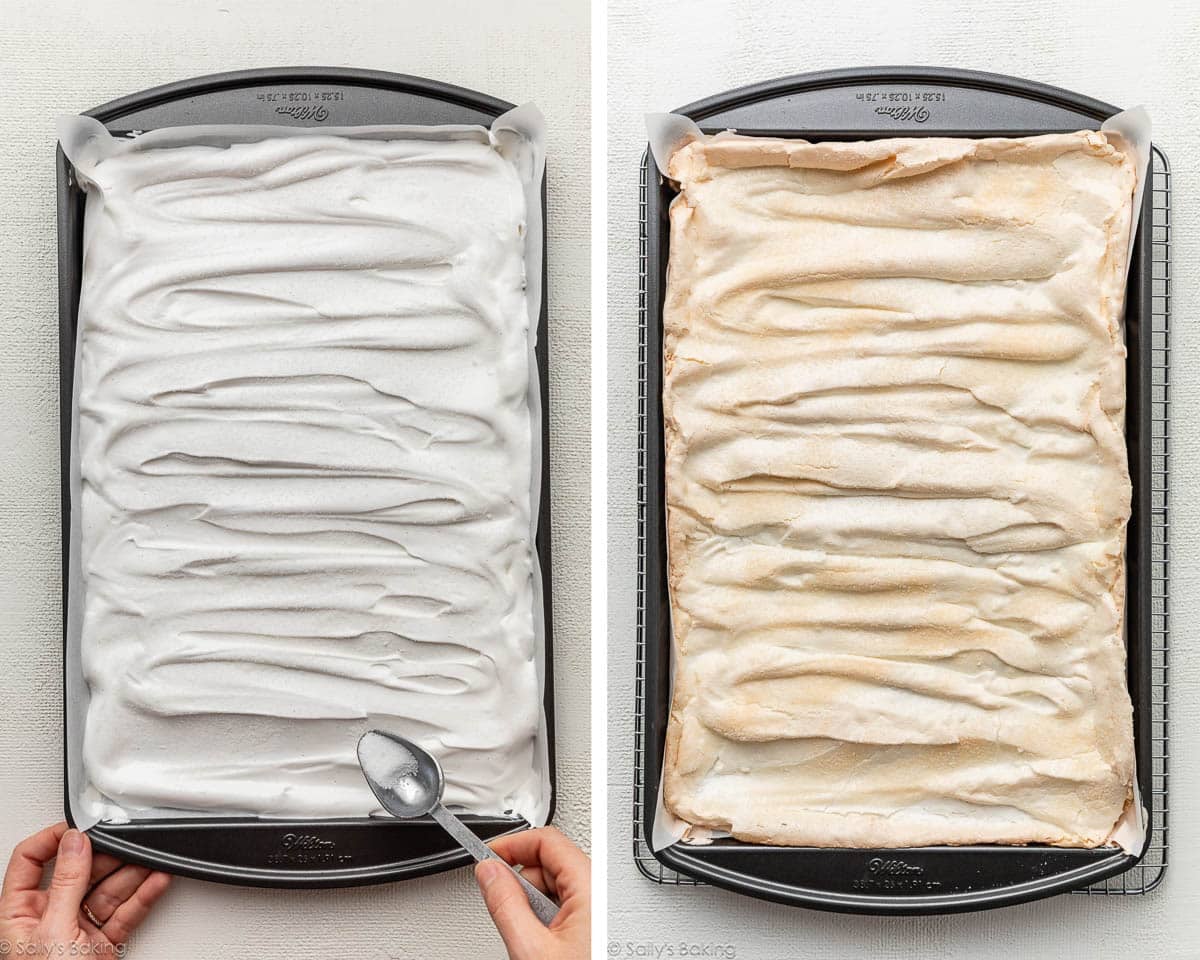
- Pan Preparation: A crucial technique involves using a small amount of meringue as an adhesive to secure parchment paper to the corners of the baking pan. This prevents the parchment from shifting, significantly simplifying the spreading of the meringue. Furthermore, a light dusting of granulated sugar over the parchment before spreading the meringue helps prevent sticking post-bake. The meringue is then evenly spread to the edges of the prepared pan using an offset spatula and dusted with more sugar before baking.
- Baking and Initial Cooling: The meringue bakes until it is visibly puffed, with a surface that is set but not wet or tacky. A gentle touch should reveal a lightly crisp exterior with a springy feel beneath. Color should remain pale, with only minimal golden edges.
- The Critical First Roll: This is perhaps the most delicate stage. After removing from the oven, the meringue is allowed to cool for precisely 10 minutes—a crucial window where it remains pliable enough to roll without cracking. Cooling for too long will result in a brittle meringue. During this brief cooling period, a clean kitchen towel is laid out, topped with a sheet of parchment paper dusted with confectioners’ sugar. The warm meringue is then inverted onto this prepared surface, and the baking parchment is carefully peeled away. A fresh sheet of parchment is placed on top. Starting from one short end, the meringue is gently rolled up with both layers of parchment and the towel, creating a "training roll." This initial roll helps the meringue remember its shape and prevents significant cracking when the filling is added later. The rolled meringue is then left to cool completely.
The Stable Cream Filling and Flavor Customization
While the meringue cools, the cream filling is prepared. This recipe opts for a slightly more robust filling than traditional whipped cream, incorporating cream cheese for added stability and body. Alternatively, mascarpone can be used, offering a similar richness and structure. The process involves whipping cream, sugar, and vanilla to soft peaks, beating cream cheese until smooth, and then combining the two. This stabilized cream is less likely to seep or lose its structure within the roulade, even when refrigerated for short periods.
Upon unrolling the cooled meringue, some minor cracking is expected and considered part of its rustic charm. However, excessive cracking or the meringue falling apart suggests either over-baking or insufficient cooling time before the initial roll. The cream filling is then spread evenly over the unrolled meringue. This stage offers extensive customization opportunities. Dollops of tangy lemon curd, sweet raspberry jam, or other preferred fruit spreads can be swirled into the cream, adding layers of flavor and visual appeal. The original article mentions the success with lemon curd and raspberry jam, with one reader, Kalani, specifically praising the lemon curd. Mocha filling is also suggested as a future variation, indicating the broad adaptability of the recipe.
The Final Roll and Presentation
With the filling distributed, the meringue is rolled up again, this time without the towel and top parchment, using the bottom parchment for guidance. This final roll completes the spiral. Once assembled, the meringue roulade can be adorned with a variety of garnishes to enhance its aesthetic appeal and flavor profile. These can include a simple dusting of confectioners’ sugar, fresh berries, white chocolate shavings, edible flowers, or crushed nuts like pistachios. These garnishes not only add visual flair but can also serve to "camouflage" any minor imperfections or cracks, as advised by the recipe developers.
Community Feedback and Broader Implications
The recipe has garnered significant positive feedback from the baking community, highlighting both its challenging nature and its rewarding outcome. Readers like Jordan acknowledge the recipe as "slightly challenging yet rewarding," emphasizing that "some skill is involved," but that detailed instructions make it manageable. Amy, another reader, expressed pride in creating "such an elegant dessert," noting it was "time consuming but so worth it." These testimonials underscore the recipe’s ability to push bakers beyond their comfort zones, fostering skill development and a sense of accomplishment. The emphasis on reading instructions thoroughly before beginning is a recurring theme in expert advice for complex baking, echoing the importance of precision.
The meringue roulade, while demanding technical precision, serves as an excellent learning experience for advanced home bakers. It hones skills such as egg white whipping, careful handling of delicate components, and understanding critical timing. Its naturally gluten-free nature broadens its appeal, positioning it as a sophisticated option for inclusive entertaining. Despite the potential for cracks or imperfections, the consensus from both recipe creators and bakers is that the taste far outweighs any aesthetic flaws. This philosophy encourages experimentation and resilience in the kitchen, reinforcing the idea that the joy of baking lies not just in perfection, but in the process and the delicious outcome.
Addressing Common Challenges: Expert Troubleshooting
Experienced bakers anticipate and address common issues associated with meringue roulades:
- Cracking: A few small cracks are normal and contribute to the dessert’s rustic charm. Large cracks typically indicate over-baking, cooling for too long before the initial roll, or rolling too tightly. The delicate nature of meringue requires a gentle, yet confident hand.
- Stickiness: Humidity is a significant enemy of meringue. Sugar, being hygroscopic, attracts moisture from the air, which can cause the meringue to become sticky and unstable. Baking on low-humidity days is often recommended. Ensuring the parchment paper is lightly dusted with granulated sugar before spreading the meringue also helps prevent sticking.
- Weeping: While some weeping can occur if the roulade is refrigerated overnight, immediate weeping usually points to under-beating of the egg whites or sugar not fully dissolving. When sugar crystals remain undissolved, they can break down and form a syrup that leaks out, destabilizing the meringue. Using superfine sugar and ensuring the meringue reaches stiff, glossy peaks are crucial preventive measures.
In conclusion, the meringue roulade stands as a testament to the artistry and science of baking. It is a dessert that, while demanding a meticulous approach, promises an extraordinary reward: a light, ethereal confection that is both visually stunning and exquisitely flavorful. Its ability to be customized, coupled with its natural suitability for gluten-free diets, ensures its continued relevance and popularity in the evolving landscape of modern culinary delights. The experience of creating such a dessert, even with its inherent challenges, offers home bakers profound satisfaction and well-earned "bragging rights."