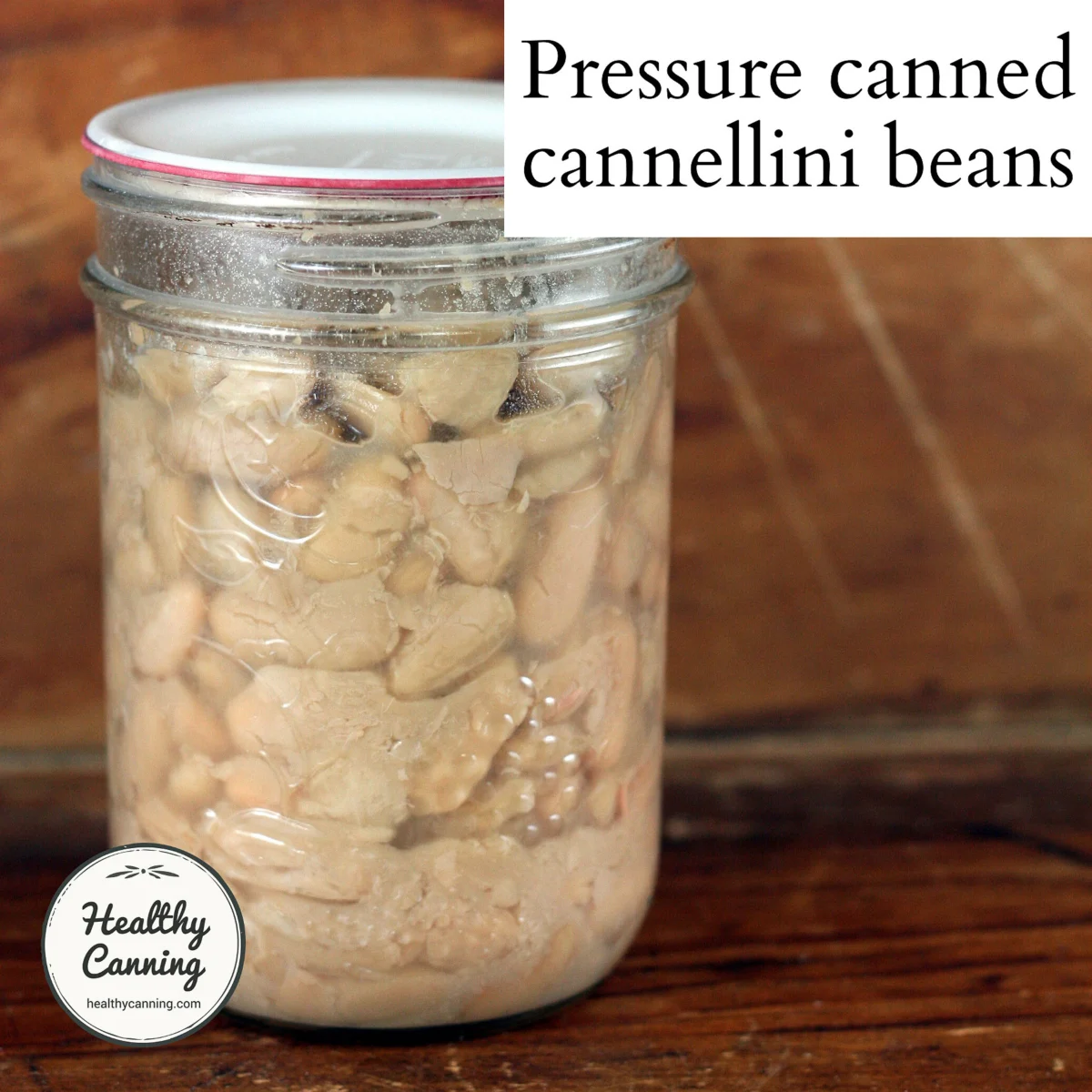

The resurgence of home food preservation has brought a renewed focus on the technical rigors of pressure canning, particularly concerning low-acid legumes such as cannellini beans. Cannellini beans, also known as white kidney beans, are a staple of Mediterranean and North American diets, prized for their creamy texture and high nutritional density. While the process of home canning allows for greater control over sodium content and additive avoidance, it requires strict adherence to established safety protocols to prevent the risk of foodborne illnesses, most notably botulism. For home food preservers, the transition from store-bought canned goods to home-processed staples represents both an economic advantage and a commitment to food security.
The Botanical and Culinary Profile of Cannellini Beans
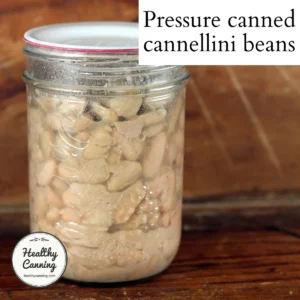
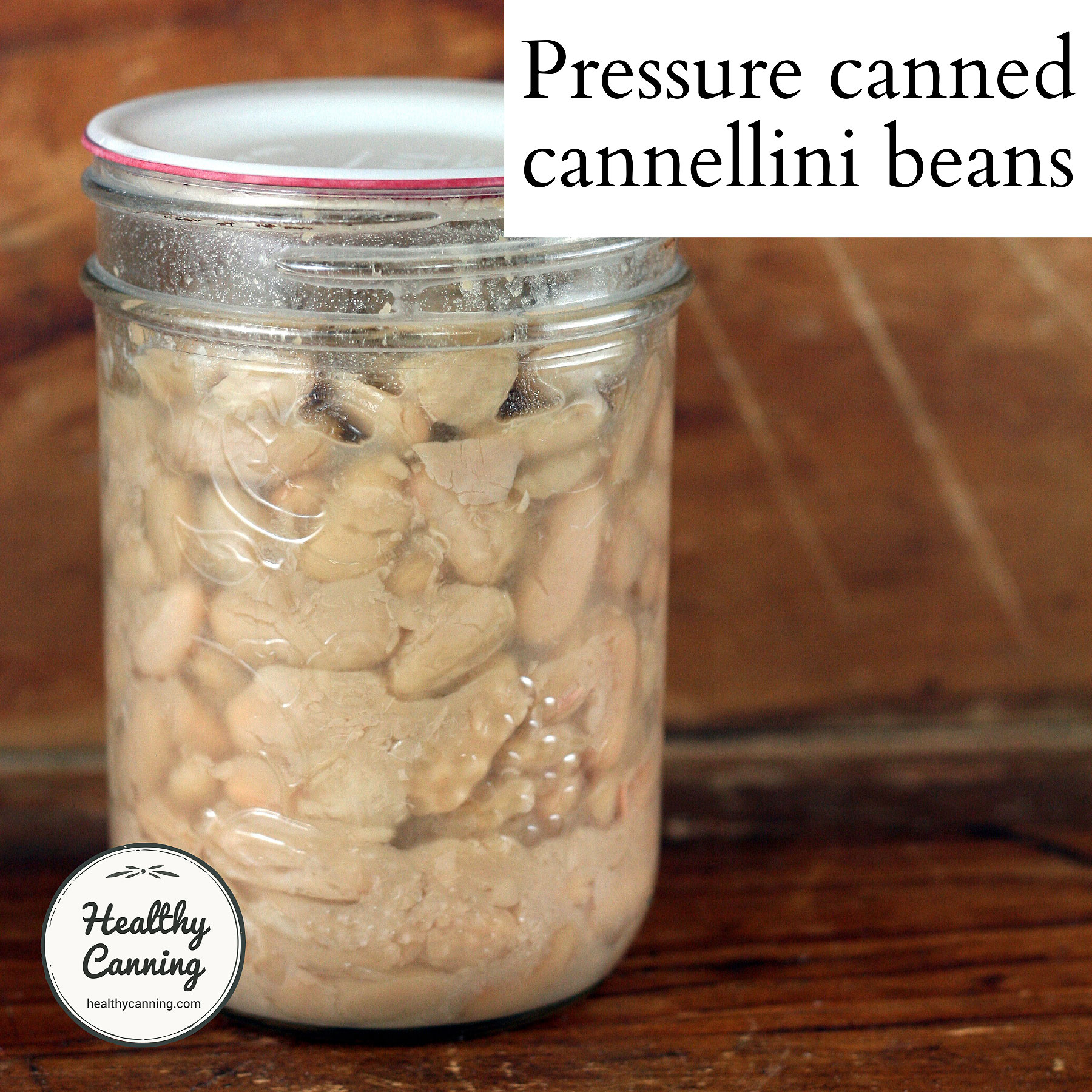
Cannellini beans are a variety of Phaseolus vulgaris, distinguished by their large, kidney-like shape and ivory-white skin. In the culinary world, they are celebrated for their ability to maintain a silky interior while absorbing the flavors of aromatics and broths. However, the high starch content that gives them this desirable texture also presents a specific challenge during the canning process. When subjected to the intense heat and pressure required for shelf-stability, cannellini beans tend to soften significantly more than heartier varieties like chickpeas or black beans.
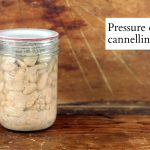
Because of this textural shift, experts note that home-canned cannellini beans are best utilized in specific culinary applications. While they may lack the structural integrity required for cold bean salads, they are an ideal thickening agent and protein source for soups, stews, and purées. Their tendency to become very soft makes them particularly suited for bean pâtés and spreads, where a creamy consistency is the primary objective.
The Safety Imperative: The Role of Pressure Canning
The preservation of cannellini beans must be conducted exclusively through pressure canning. This is a non-negotiable safety standard dictated by the pH level of the food. Low-acid foods—defined as those with a pH level greater than 4.6—do not possess enough natural acidity to inhibit the growth of Clostridium botulinum spores. These spores are heat-resistant and can survive the boiling temperatures used in water-bath canning (212°F or 100°C).
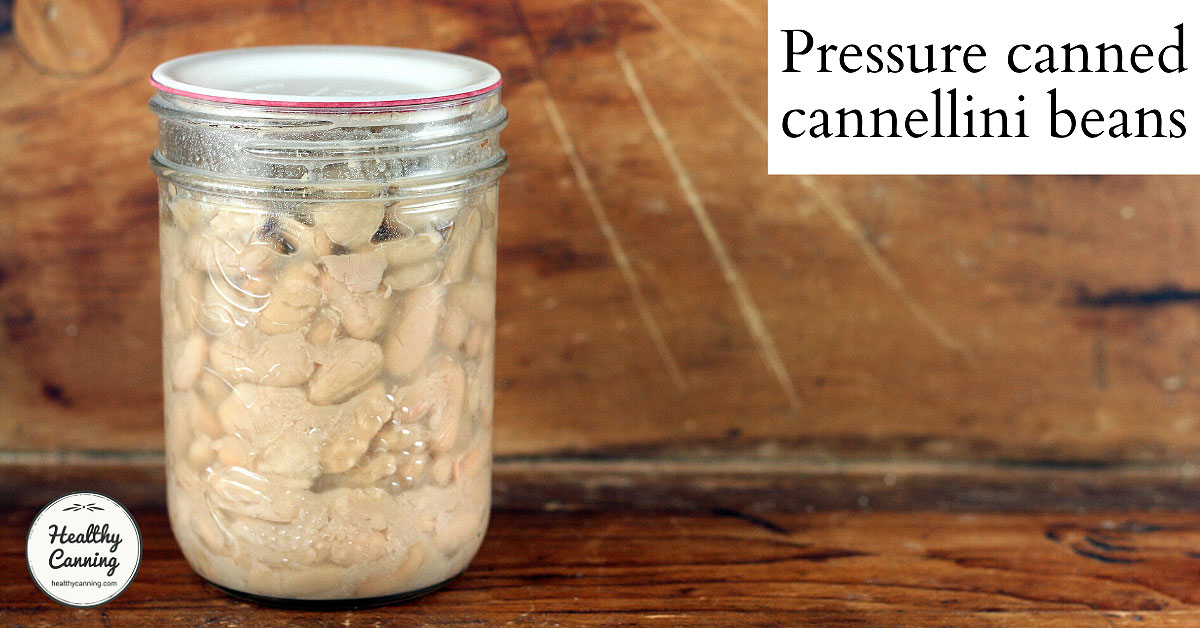
Only a pressure canner can reach the temperatures necessary (240°F to 250°F or 115°C to 121°C) to neutralize these spores. The United States Department of Agriculture (USDA) and the National Center for Home Food Preservation (NCHFP) emphasize that any attempt to preserve dried beans using a water-bath method or an electric multi-cooker not specifically rated for pressure canning poses a severe health risk. The technical precision of the pressure canner ensures that heat penetrates to the very center of the jar, accounting for the density of the beans and the liquid medium.
Technical Chronology: The Preparation and Processing Sequence
The process of canning cannellini beans begins long before the jars enter the pressure vessel. A systematic approach to hydration and pre-cooking is essential for a successful yield.
- Hydration Phase: Dried beans must be rehydrated to ensure they do not expand excessively inside the jar, which could lead to seal failure or under-processing. Two methods are generally accepted: the overnight soak (12 to 18 hours in cold water) or the "quick soak" (bringing beans to a boil, soaking for one hour, then draining).
- Boiling and Preparation: After soaking and rinsing, the beans are placed in fresh water, brought to a boil, and simmered for 30 minutes. This step is critical for stabilizing the starch and ensuring the beans are heated through before being packed into jars.
- Jar Loading: The beans are packed into sterilized jars, leaving exactly 3 cm (1 inch) of headspace. This space is vital for the expansion of the food and the creation of a vacuum seal during the cooling process.
- Pressure Processing: Once the jars are sealed with lids and rings, they are placed in the pressure canner. The processing time is determined by the jar size: 75 minutes for half-pint and pint jars, and 90 minutes for quart jars.
Quantitative Guidelines and Yield Analysis
For home preservers, calculating the necessary quantity of dried beans is essential for resource management. While exact yields can vary based on the age and dryness of the beans, standard guidelines suggest that a 1-litre (1 US quart) jar typically requires approximately 350 to 400 grams of dried beans.
A standard "canner load" of seven-quart jars will generally require about 2.5 to 3 kilograms (5 to 7 pounds) of dried cannellini beans. This transformation from dry weight to shelf-stable volume highlights the economic efficiency of home canning, as bulk-purchased dried beans are significantly less expensive than individual commercial cans.
Technical Specifications: Pressure and Altitude Adjustments
A critical component of the canning process is the adjustment of pressure based on geographic altitude. As altitude increases, the atmospheric pressure decreases, and the boiling point of water drops. To compensate and ensure the internal temperature reaches the safety threshold, the pressure within the canner must be increased.
For those using a weighted-gauge canner at altitudes between 0 and 300 meters (0–1000 feet), a pressure of 10 lbs (69 kPa) is standard. However, for any location above 300 meters, the pressure must be increased to 15 lbs to maintain safety margins. Users of dial-gauge canners must be even more precise, often adjusting to 11 lbs for low altitudes and increasing incrementally as elevation rises. Failure to adjust for altitude is one of the most common errors in home food preservation and can result in under-processed food that is unsafe for consumption.
Nutritional Profile and Dietary Implications
Cannellini beans are a nutritional powerhouse, and home canning preserves the majority of these benefits while allowing for a "salt-free" end product. A standard 130g serving (approximately half a cup) of home-canned cannellini beans provides:
- Calories: 100 kcal
- Protein: 6g
- Fiber: 5g (essential for digestive health and blood sugar regulation)
- Minerals: Significant amounts of Potassium (250mg), Iron (1.8mg), and Calcium (40mg).
- Sodium: Only 30mg (when processed without added salt), compared to upwards of 400mg in many commercial brands.
The high fiber-to-protein ratio makes cannellini beans an excellent choice for those managing diabetes or cardiovascular health. By canning at home, consumers eliminate the need for chemical preservatives and BPA-lined cans, which are often concerns in industrial food production.
Culinary Applications and Texture Management
As previously noted, the primary characteristic of home-canned cannellini beans is their softness. This is a result of the 75-to-90-minute processing time required for safety. While this may seem like a disadvantage, it is a boon for specific recipes.
In Italian cuisine, cannellini beans are the foundation of Pasta e Fagioli and Ribollita. In these dishes, the beans are meant to partially break down, creating a rich, thick broth. Home-canned beans integrate into these recipes far more seamlessly than commercially canned versions, which often contain firming agents like calcium chloride to maintain shape. Furthermore, for those following plant-based diets, the soft texture of home-canned cannellini beans makes them an ideal base for "white bean hummus" or vegan "creamy" sauces, providing a dairy-free richness without the need for heavy fats.
Economic and Environmental Impact
The shift toward home preservation has significant broader implications. Economically, home canning cannellini beans reduces the cost per serving by approximately 50% to 70% compared to purchasing premium organic canned beans. Environmentally, the use of reusable glass jars significantly reduces the carbon footprint associated with single-use aluminum or steel cans.
Furthermore, home canning contributes to a more resilient food supply chain. By processing dried staples into ready-to-eat formats, households are better prepared for supply chain disruptions or emergencies. The ability to store high-quality protein on a shelf without the need for refrigeration (as required by freezing) is a cornerstone of sustainable living.
Expert Recommendations and Safety Standards
The USDA Complete Guide to Home Canning remains the gold standard for preservation recipes. The instructions for cannellini beans are categorized under "Beans or Peas – Shelled, Dried: All Varieties." This universal protocol ensures that whether one is canning kidney beans, navy beans, or cannellini, the heat penetration variables are accounted for.
Preservation experts recommend that home canners regularly have their dial gauges tested for accuracy and inspect jar rims for any nicks or cracks that could compromise a vacuum seal. Additionally, the use of a "bubble remover" tool during the packing process is encouraged to ensure that trapped air does not interfere with the processing time or the final vacuum.
In conclusion, home canning cannellini beans is a precise scientific endeavor that rewards the practitioner with a versatile, healthy, and cost-effective pantry staple. By respecting the requirements of pressure canning and the necessity of altitude adjustments, home cooks can safely preserve the bounty of the harvest or the efficiency of bulk dried goods for years to come. While the resulting beans are soft, their culinary utility in soups and spreads makes them an indispensable asset in the modern kitchen.