
A Legacy of Fermentation Excellence
The National Homebrew Competition was founded during the infancy of the American craft beer movement. In 1979, the first competition saw only a handful of entries, yet it established the rigorous standards that would eventually define the Beer Judge Certification Program (BJCP). Today, the event is managed by the AHA with the technical support of the BJCP, ensuring that every entry is evaluated by qualified judges who hold certifications in beer sensory analysis.
The 2026 event represents nearly half a century of tradition. Over the decades, the NHC has transitioned from a niche gathering to a massive logistical undertaking. The data from previous years highlights a consistent growth in participation, with thousands of amateur brewers from all 50 states and various international territories submitting their best work. This year’s competition focuses on three primary categories: beer, cider, and mead, all of which will be judged against the 2021 BJCP Style Guidelines.
Competition Structure and Regional Logistics
The 2026 competition is organized into a two-tier system designed to manage the high volume of entries while maintaining the highest possible judging standards. The first stage consists of nine regional judging sites located across the United States. These sites serve as the preliminary filters, where entries are evaluated by panels of BJCP-certified judges, Cicerones, and experienced industry professionals.
Participants are granted the flexibility to select their preferred First Round site during the registration process. Notably, brewers are not required to choose the location geographically closest to them, allowing for strategic planning based on shipping logistics or site-specific timelines. However, the AHA has implemented a strict cap of 750 entries per location to ensure that judges are not overwhelmed and that each entry receives the requisite time for a thorough evaluation.
Following the conclusion of the First Round, the top-performing entries—specifically those awarded Bronze, Silver, and Gold in their respective categories—will advance to the Final Round. The Final Round of judging, along with the prestigious awards ceremony, will take place in June 2026 during Homebrew Con in Asheville, North Carolina. Often referred to as "Beer City USA," Asheville provides a culturally significant backdrop for the 2026 finale, offering a robust local brewing scene that mirrors the passion of the homebrewing community.
Chronology of the 2026 National Homebrew Competition
To ensure a smooth entry process, the AHA has outlined a strict timeline for the 2026 season. Participants are encouraged to adhere to these dates to avoid disqualification or logistical failures.
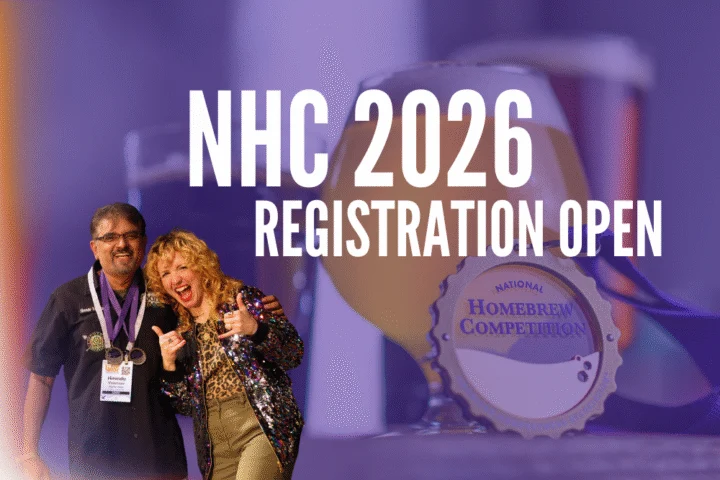
- February 3 – February 25, 2026: Official Registration Window. This period is the only time brewers can secure their entries and select their first-round judging sites.
- February 25, 2026 (8:00 AM MT): Registration Deadline. No further entries will be accepted after this time, and the Brewing Application Portal (BAP) will close for new submissions.
- March – April 2026: First Round Judging Period. During this window, the nine regional sites will receive entries and conduct blind tasting sessions. Specific receiving dates vary by site and will be communicated to registrants via the BAP.
- May 1, 2026: Notification of Advancement. By this date, all First Round participants will have received their scoresheets and feedback. Brewers who have qualified for the Final Round will be officially notified and provided with instructions for the final shipment.
- June 2026: Final Round Judging and Awards Ceremony. The culmination of the competition occurs in Asheville, NC, where the best-of-the-best compete for the title of Homebrewer of the Year and other major accolades.
Judging Standards and the Role of the BJCP
The integrity of the National Homebrew Competition rests on its judging process. Every entry is subjected to a "blind" evaluation, meaning judges have no knowledge of the brewer’s identity or location. Each entry is judged against a specific style profile, with points awarded for aroma, appearance, flavor, mouthfeel, and overall impression.
The partnership with the Beer Judge Certification Program (BJCP) is critical. The BJCP provides a standardized framework that allows for consistent judging across all nine regional sites. Furthermore, many panels include Cicerones—professionals certified in beer service and storage—and community judges with extensive industry experience.
For the 2026 competition, the AHA continues to utilize the Brewing Application Portal (BAP). This digital infrastructure allows for the rapid dissemination of scoresheets. Unlike older iterations of the competition where paper scoresheets were mailed weeks after the event, the BAP ensures that brewers receive digital feedback almost immediately after judging is completed at their specific site. This feedback is often cited by participants as the most valuable aspect of the competition, as it provides a professional roadmap for improving their brewing techniques.
Strategic Significance of the Asheville Venue
Hosting the 2026 Final Round and Homebrew Con in Asheville, North Carolina, is a strategic move by the American Homebrewers Association. Asheville has long been recognized as a hub for craft beer innovation, boasting more breweries per capita than almost any other city in the United States.
The presence of the NHC in Asheville is expected to generate significant local economic impact. Homebrew Con, the three-day conference that hosts the NHC awards, typically attracts thousands of attendees, including hobbyists, professional brewers, and equipment manufacturers. The event serves as a massive networking opportunity, bridging the gap between amateur enthusiasts and the professional industry. Many of the most successful craft breweries in the United States, including Sierra Nevada and Dogfish Head, trace their origins back to the homebrewing community and the recognition gained at competitions like the NHC.
Membership Requirements and Participation Caps
The National Homebrew Competition is an exclusive benefit for members of the American Homebrewers Association. To enter, individuals must hold a current AHA membership at the time of registration and through the duration of the competition. This requirement ensures that the competition remains a self-sustaining ecosystem that supports the advocacy and educational efforts of the AHA.
In addition to the membership requirement, the entry caps are a critical logistical factor. With a limit of 750 entries per site and nine sites in total, the competition is effectively capped at 6,750 entries for the First Round. Given the historical popularity of the event, several sites are expected to reach capacity well before the February 25 deadline. The AHA has advised brewers to complete their registrations early to ensure they can ship their entries to their preferred regional location.
Industry Implications and the Evolution of Homebrewing
The 2026 National Homebrew Competition arrives at a time when the craft beer industry is undergoing significant shifts. While the explosive growth of the 2010s has leveled off, the focus has shifted toward quality, technical precision, and style innovation. The NHC reflects these trends by introducing and refining categories for emerging styles, such as non-alcoholic homebrews and contemporary cider variations.
Furthermore, the NHC acts as a talent scout for the professional industry. Winning a medal at the NHC is often considered a "calling card" for brewers looking to transition into the professional realm. The technical feedback provided by the judges serves as a rigorous peer-review process that is rarely found in other hobbies.
As the 48th year of the competition begins, the focus remains on the community. The AHA has facilitated a Q&A forum through February 25, where the Chair and Deputy Chair of the competition engage directly with participants to answer technical questions about entry requirements and shipping protocols. This level of transparency and engagement highlights the NHC’s role not just as a contest, but as an educational institution.
In conclusion, the 2026 National Homebrew Competition stands as a testament to the enduring appeal of fermented beverages and the dedicated community of makers who strive for excellence. From the initial registration in February to the final medals awarded in the mountains of North Carolina in June, the NHC will once again set the standard for what is possible in the world of home fermentation. For the thousands of brewers currently preparing their recipes, the road to Asheville begins with a single registration, marking the start of a journey toward potential gold and a place in brewing history.