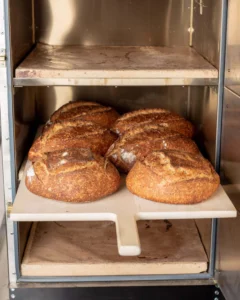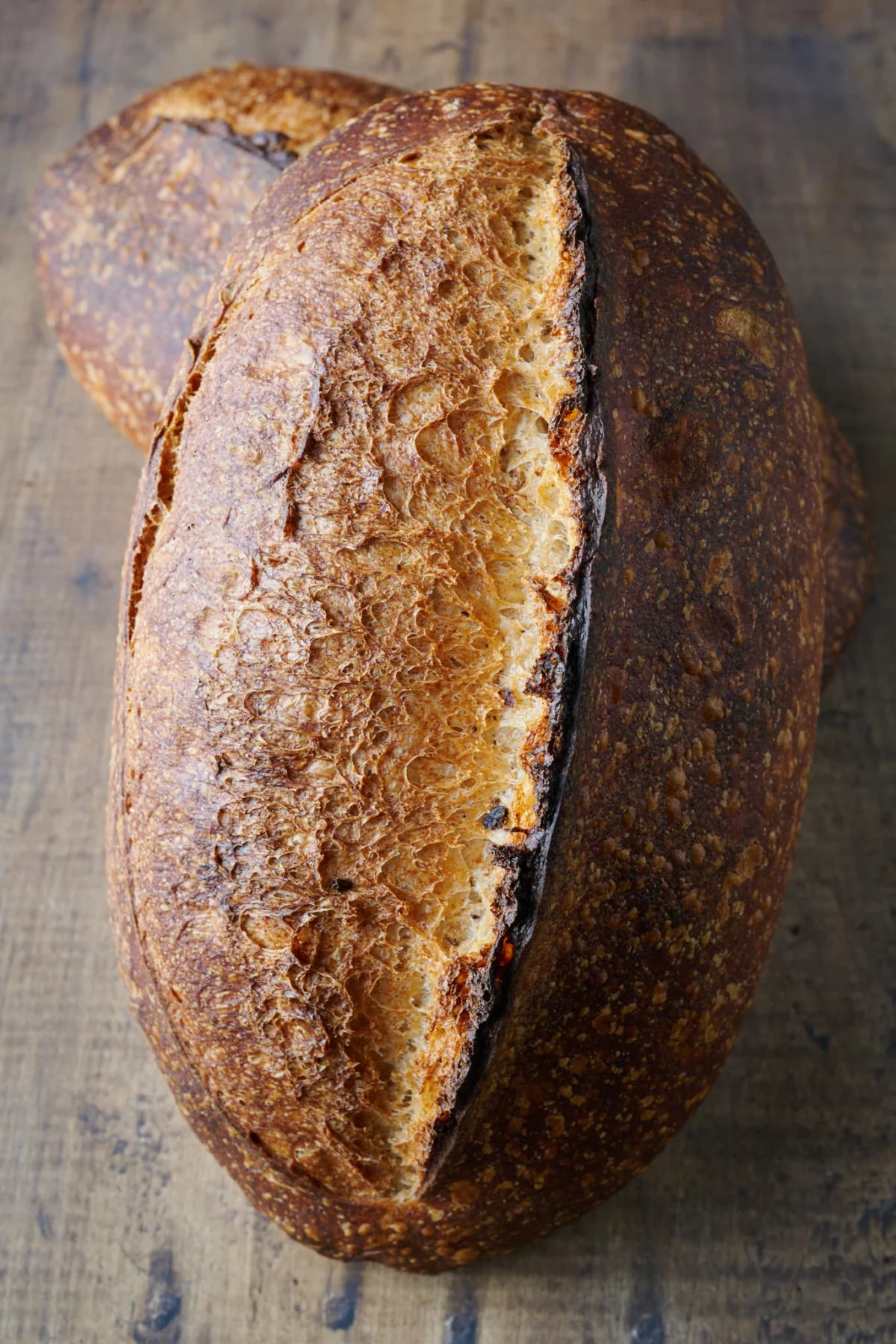

What defines a truly exceptional loaf of sourdough bread? For some, it’s the subtle complexity of flavor, the result of a long, slow fermentation that transforms humble ingredients into something extraordinary. Others are drawn to the tactile experience – the satisfying crackle of a deeply caramelized crust, the precise score that blossoms in the oven, or the gentle, rounded edges that speak of skilled hands and practiced shaping. Yet, for a significant segment of the baking community, the visual allure of an open crumb, a matrix of interconnected air pockets, holds a particular fascination. This guide delves into the intricacies of achieving that coveted open crumb, exploring the factors that contribute to it, and crucially, demystifying its true importance in the grander scheme of sourdough baking.
While the visual appeal of an open crumb is undeniable, it’s essential to establish a foundational principle: flavor reigns supreme. The complex tang and nuanced notes derived from the sourdough starter are the heart and soul of the bread. An open crumb, while desirable for many, is a secondary characteristic. As bakers progress in their craft, the focus often shifts from chasing this aesthetic to appreciating the deeper qualities of taste and texture. However, a well-executed open crumb is not merely about appearance; it serves as a tangible indicator of a healthy and well-managed fermentation process, robust dough development, and meticulous handling. It signifies a light, airy interior with evenly distributed pockets, a testament to the dough’s ability to capture and expand with the gases produced during fermentation.
Understanding the Open Crumb: Beyond the Visual
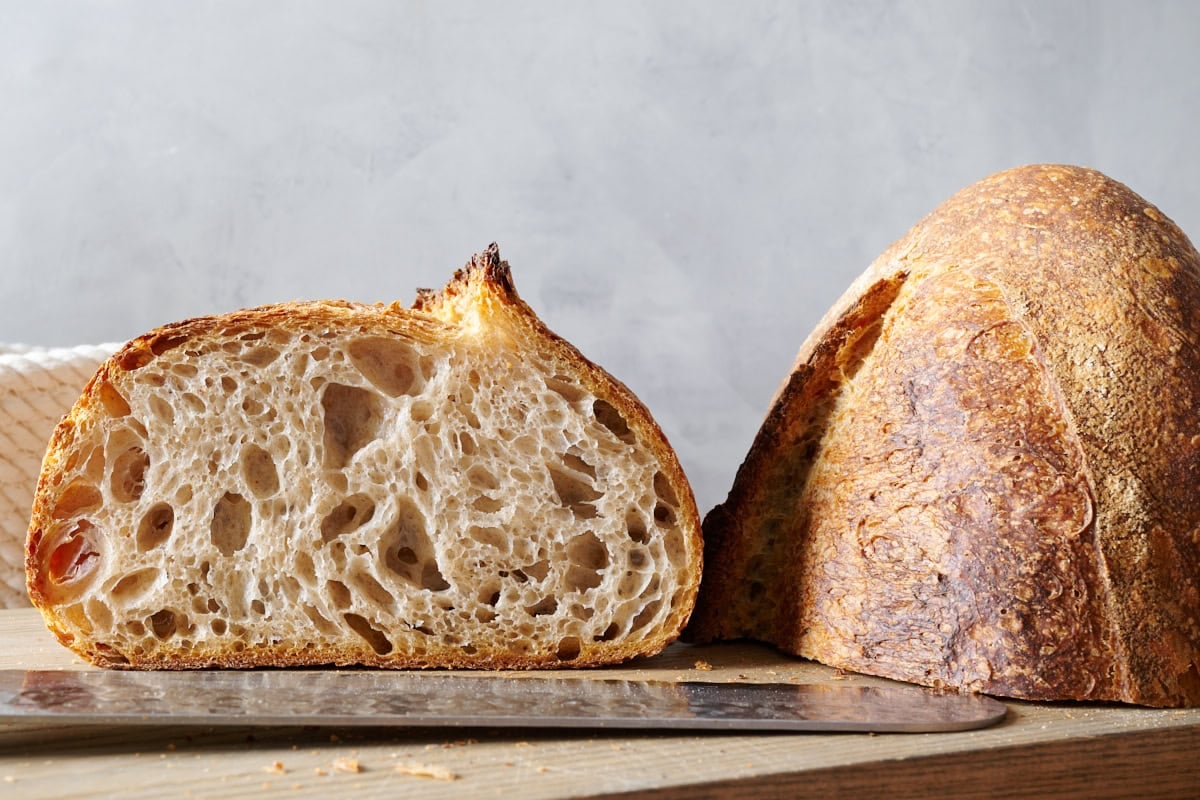
The creation of an open crumb is a direct consequence of the intricate biological and chemical processes that occur during sourdough fermentation. Yeast and bacteria, the symbiotic partners in a sourdough starter, consume sugars in the flour and produce carbon dioxide gas. Simultaneously, the gluten network, formed by the proteins in wheat flour, acts as a delicate scaffold. When properly developed and hydrated, this gluten network is elastic enough to trap the expanding carbon dioxide. As the dough bakes, the heat causes this trapped gas to expand further, creating the characteristic air pockets that define an open crumb.
However, the pursuit of an exceptionally open crumb can sometimes lead to misinterpretations, particularly regarding the stage of fermentation. A loaf that appears to have a very open crumb might, in fact, be a case of underproofing. Underproofed dough, characterized by large, irregular holes interspersed with denser, tighter areas, lacks the uniform structure that truly defines a well-developed open crumb. The erratic oven spring and the tendency for scores to burst open aggressively are often tell-tale signs. Achieving the correct proofing point is a nuanced skill, honed through experience and a deep understanding of dough behavior.
Key Factors Influencing the Open Crumb
Several critical elements contribute to the development of an open crumb, each playing a vital role in the overall success of the loaf.

Flour Selection: The Foundation of Gluten Strength
The choice of flour is arguably the most significant factor in achieving an open crumb. High-protein white flours are generally preferred. The higher protein content translates to a greater capacity for gluten formation, creating a more resilient and elastic network capable of withstanding the expansion of gases without tearing. This robust gluten structure acts like a high-quality balloon, able to inflate significantly without rupturing.
However, an excess of protein can also be detrimental. Flours with protein content exceeding 13% can result in bread that, while open, becomes chewy and gummy, detracting from the desired texture. The sweet spot for many bakers lies between 11% and 13% protein for white flours. High-extraction flours, such as Type 85, when properly hydrated, can also contribute to an open crumb while enhancing flavor complexity.
The role of whole wheat flour in achieving an open crumb is more complex. While whole wheat is rich in protein, its bran and germ components can interfere with gluten development, making it harder to achieve the same level of openness as with white flour. While whole wheat adds valuable flavor and nutritional benefits, bakers aiming for an exceptionally open crumb might consider reducing its proportion in their recipes. A 50% whole wheat loaf, for instance, will naturally exhibit a denser crumb than an all-white flour loaf, and this is a trade-off many bakers embrace for the enhanced flavor profile.
Sourdough Starter Health and Timing: The Engine of Fermentation
A vigorous and healthy sourdough starter is the cornerstone of any successful sourdough bread. Consistent feeding schedules and maintaining an optimal temperature (typically between 74°F and 78°F or 23°C-25°C) are crucial for ensuring the starter’s leavening power. The frequency of feeding can be adjusted to individual schedules, but a strong starter is non-negotiable.

The timing of starter usage is equally important. Using the starter at its peak ripeness, just as it begins to turn, is ideal. An over-fermented starter introduces an excess of protease enzymes into the dough, which can break down gluten prematurely, leading to a weaker dough structure and a tighter crumb. Signs of ripeness in a liquid starter include doubling or tripling in volume, a domed surface, a pleasant tangy aroma, and a bubbly texture. Capturing this moment ensures the starter contributes optimal leavening and flavor without compromising dough integrity.
Hydration Levels: The Dance of Water and Flour
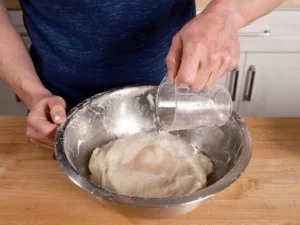
Higher dough hydration generally facilitates the creation of an open crumb. The increased water content renders the dough more extensible, allowing it to stretch and expand more readily without tearing. During baking, this moisture also contributes to steam production, which further aids in opening the crumb.
However, high hydration is not an absolute requirement. Doughs with a higher water content are inherently more challenging to handle and require greater skill in developing adequate dough strength. Pushing hydration beyond the flour’s capacity can lead to a weak, soupy dough that struggles to hold its structure, regardless of mixing techniques. The optimal hydration level is relative to the flour used; a high-protein white flour can often handle 85% hydration, while a softer all-purpose flour might be strained at 75%. The goal is to find a balance where the dough is supple, extensible, and responsive, feeling "alive" in the baker’s hands.
Dough Strength: The Art of Gluten Development
Sufficient gluten development is paramount for an open crumb. The mixing and folding process builds an elastic network capable of trapping and holding the gases produced during fermentation. Underdeveloped dough will struggle to contain these gases, resulting in a dense, tight crumb. Conversely, over-mixing can create a dough that is excessively elastic and resistant to expansion, leading to a closed crumb achieved through a different pathway.

Many home bakers, particularly those mixing by hand, tend to underdevelop their dough. It’s essential to mix for slightly longer than feels comfortable, employing techniques like stretch-and-folds or slap-and-folds to build a smooth, elastic dough that holds its shape. The dough should approach the windowpane test, where a thin membrane can be stretched without tearing. When in doubt, it is generally advisable to err on the side of more mixing.
Gentle Handling: Preserving the Delicate Structure
The hours spent developing gluten and fostering fermentation create a delicate network of gas pockets within the dough. Rough handling during preshaping and final shaping can rupture these bubbles, leading to smaller, more uniform pockets and a tighter crumb. Gentle, deliberate movements are key. Applying excessive pressure or slapping the dough against the counter can undo the structural integrity painstakingly built throughout the process.
Shaping and Baking Geometry: The Batard Advantage
In terms of achieving an open crumb, oval-shaped loaves, or batards, often outperform round boules. This is attributed to two primary factors. Firstly, batard shaping generally requires less aggressive tensioning, preserving the delicate gas pockets built during fermentation. The rolling motion used in batard shaping is more linear and less compressive than the all-around tucking involved in shaping a boule.
Secondly, the elongated shape of a batard allows for more even and rapid heat penetration during baking. This promotes a more consistent rise and expansion of the crumb. For an even more pronounced effect, consider the extreme example of a baguette, whose thin cross-section often leads to a wild, irregular crumb, compared to a thick, round miche which typically results in a tighter interior. While an open crumb is achievable with a boule, transitioning to a batard might be beneficial for bakers struggling with a consistently tight interior.

The Nuances of Proofing: The Final Frontier
The final proofing stage is where the dough transforms, preparing for its oven spring. The goal is to allow the dough to rise sufficiently – typically 75% to 80% of its final height – while retaining enough reserve strength to expand further in the oven. Pushing the proof too far can lead to the breakdown of the gluten network, resulting in a loaf that spreads rather than rises, yielding a dense and tight crumb, albeit with potentially enhanced flavor.
A properly proofed dough will feel light and yielding, but not weak. The poke test serves as a reliable indicator: a gentle indentation should slowly spring back, neither immediately receding (underproofed) nor remaining fully depressed (overproofed). Adjustments to proofing time should be made based on the dough’s response and ambient temperature.
The Autolyse Technique: Enhancing Extensibility
The autolyse technique, a simple rest period after mixing flour and water before the addition of salt and starter, can significantly enhance dough extensibility. During this rest, natural enzymes in the flour begin to break down protein bonds, making the dough more pliable and less prone to resistance. This is particularly beneficial when working with high-protein white flours that can be overly elastic. An autolyse of 30 minutes to an hour can help create a dough that is both strong and supple, allowing for greater expansion of gas pockets without tearing.
Addressing Common Misconceptions and Challenges

A frequently encountered issue is the distinction between a truly open crumb and underproofed dough. The former exhibits well-distributed, uniform holes, while the latter is characterized by large, gaping voids alongside dense patches. The solution for underproofed dough lies in allowing it more fermentation time, both during bulk fermentation and the final proof, to achieve a more even distribution of gas and a controlled oven spring.
Another common concern is a gummy or tough texture in an otherwise open crumb loaf. This is often a consequence of using flour that is too strong, leading to an overly elastic dough that results in a chewy mouthfeel.
FAQs: Demystifying Open Crumb Sourdough
How can I avoid an open crumb bread?
To achieve a less open crumb, bakers can employ gentle degassing techniques before final shaping. Patting the dough down with a flat hand redistributes gases, leading to fewer large holes and a more uniform interior.
My bread has a nice open crumb. Why is it gummy or tough?
This is often due to using flour that is excessively strong, meaning it has a protein content that results in a tough, rubber-like texture in the final bread, even if the crumb appears open.
The Broader Impact and Future of Sourdough Baking
The pursuit of the perfect sourdough crumb, whether open or dense, reflects a growing appreciation for artisanal bread-making and the intricate science behind it. As bakers become more knowledgeable about fermentation, gluten development, and ingredient interactions, the quality and diversity of homemade sourdough continue to rise. This quest for understanding, driven by a desire for both aesthetic appeal and superior taste, ultimately leads to more satisfying and delicious bread. The journey of sourdough baking is a continuous learning process, where experimentation and observation are the most valuable tools.
For those seeking a reliable recipe to practice these principles, "My Best Sourdough Recipe" from The Perfect Loaf is frequently cited as a transformative approach, yielding a loaf with a creamy, open crumb that serves as an excellent benchmark for aspiring bakers. Ultimately, the goal remains to bake bread that brings joy, whether it boasts an airy interior or a hearty, dense crumb. The true measure of success lies not in adhering to a single aesthetic ideal, but in creating bread that is deeply personal and supremely enjoyable to eat.