
The modern culinary landscape is witnessing a significant pivot as consumers increasingly move away from mass-produced, shelf-stable condiments in favor of home-preserved alternatives. Among these, the production of DIY celery salt has emerged as a prime example of how household economics, nutritional awareness, and a desire for gourmet quality are converging. This trend is not merely a hobbyist pursuit but represents a broader shift in food sovereignty and the democratization of artisanal flavoring. By utilizing basic kitchen equipment such as food dehydrators or spice grinders, individuals are now able to replicate and even exceed the quality of commercial seasonings for a fraction of the cost, often cited as "pennies on the dollar."
The resurgence of home seasoning production is rooted in several interlocking factors: the rising cost of premium spices, the health-conscious drive to reduce sodium intake, and the burgeoning "zero-waste" movement. As food prices continue to fluctuate globally, the ability to transform raw agricultural products—or even food scraps like celery leaves—into high-value pantry staples provides a tangible buffer against inflation. Furthermore, the capacity to customize ingredients allows for the creation of specialized products, such as sodium-free or smoked varieties, which are often difficult to find or prohibitively expensive in traditional retail environments.
The Economic Calculus of Home Seasoning Production
From a strictly financial perspective, the production of celery salt at home offers a compelling case for household cost-saving. Retail prices for a standard 4-ounce jar of organic or "gourmet" celery salt can range from $5.00 to $9.00, depending on the brand and the quality of the salt used. In contrast, bulk celery seeds can be purchased for approximately $1.50 per pound, and high-quality sea salt is available in large quantities for a nominal price. When calculated by weight, the cost to produce 75 grams (approximately 5 tablespoons) of homemade celery salt is estimated to be less than $0.20.
This cost differential is driven largely by the elimination of branding, packaging, marketing, and middleman markups. For a household that frequently utilizes celery salt in stocks, soups, or as a finishing spice for beverages and meats, the annual savings can be substantial. Industry analysts note that as "subscription fatigue" and high grocery bills affect the middle class, the "Maker Movement" in the kitchen is evolving from a niche aesthetic into a pragmatic financial strategy.

Nutritional Customization and Public Health Implications
Beyond the economic benefits, the ability to control the chemical composition of seasonings addresses a growing public health crisis. According to the World Health Organization (WHO), the majority of people consume too much sodium—on average 9 to 12 grams per day—which is double the recommended maximum intake. High sodium consumption contributes to high blood pressure and increases the risk of heart disease and stroke.
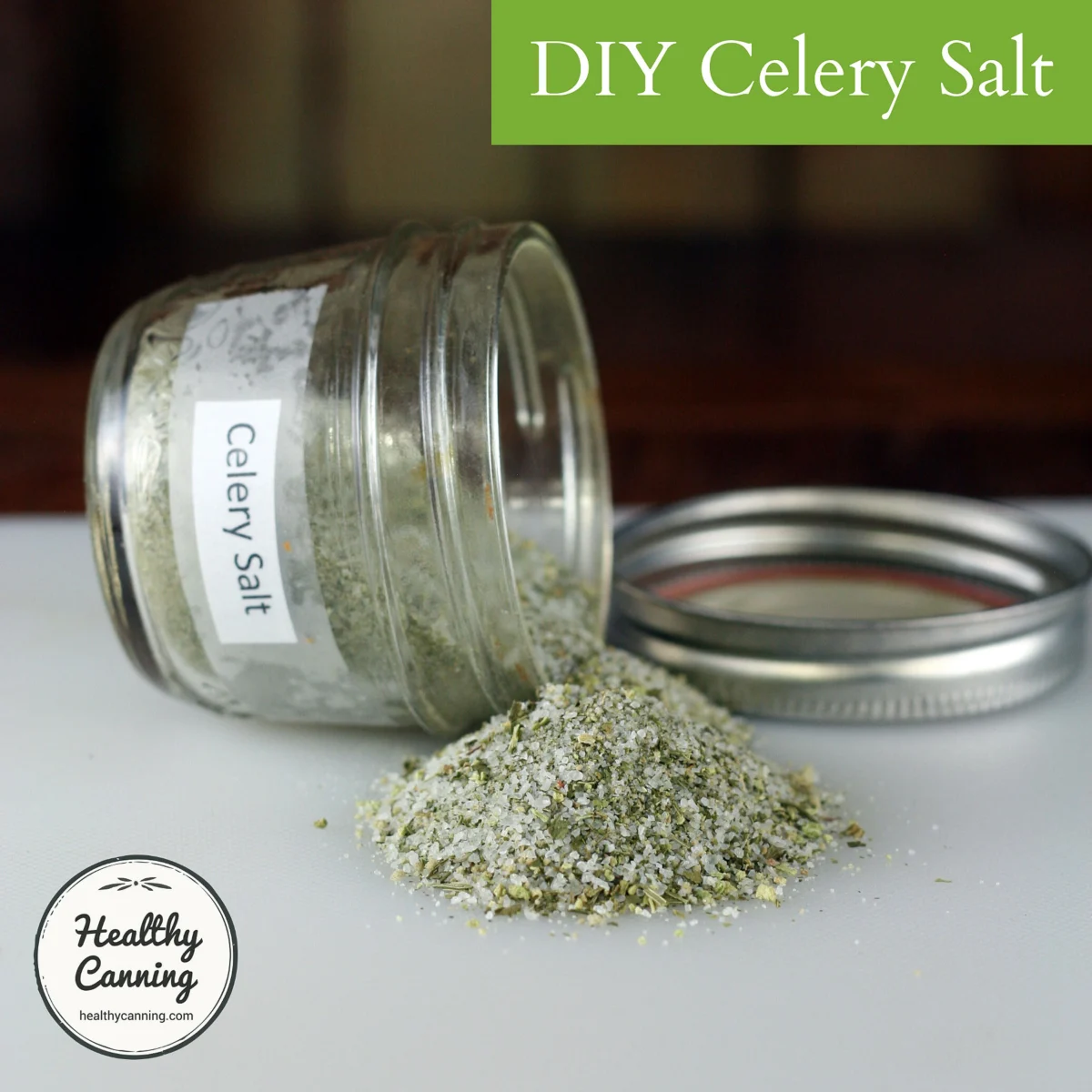
Commercial celery salt is typically composed of approximately two parts salt to one part ground celery seed. By making the mixture at home, consumers can adjust these ratios to suit their dietary requirements. The use of salt substitutes, such as potassium-based alternatives like Herbamare, allows for the creation of a "sodium-free" celery salt. This is particularly beneficial for patients managing hypertension or chronic kidney disease.
Moreover, the DIY approach eliminates the need for anti-caking agents, such as silicon dioxide or sodium aluminosilicate, which are commonly found in commercial shakers to prevent clumping. While these additives are generally recognized as safe (GRAS) by regulatory bodies like the FDA, a growing segment of the population prefers "clean label" ingredients consisting only of whole foods.
The Science of Flavor: Celery Seed vs. Celery Powder
The culinary superiority of homemade celery salt is often attributed to the freshness of the volatile oils found in the celery component. Celery (Apium graveolens) contains phthalides, which are responsible for its distinct aroma and flavor. When celery seeds are ground immediately before being mixed with salt, these aromatic compounds are at their peak potency.
Advanced home cooks often take the process a step further by using a dehydrator to create celery powder from fresh stalks and leaves. This "gourmet" version utilizes the entire plant, capturing a broader spectrum of flavor than the seeds alone. The process involves slicing celery thinly, drying it at a low temperature (usually around 125°F or 52°C) until brittle, and then pulverizing it into a fine dust. When this vibrant green powder is combined with specialty salts—such as Himalayan pink salt, French grey sea salt, or Applewood smoked salt—the resulting product is a complex seasoning that rivals those found in high-end culinary boutiques.

Historical Context and Cultural Significance
Celery salt has a storied history in American cuisine, particularly in the Midwest. It is perhaps most famously known as the "secret ingredient" in the Chicago-style hot dog and a primary component of Old Bay Seasoning, which was created in 1939. Historically, celery was considered a luxury vegetable in the 19th century, often served in elaborate glass "celery vases" as a centerpiece for dinner parties. Its transition from a high-status vegetable to a ubiquitous powdered seasoning reflects the industrialization of the American food system.
The current return to DIY production represents a full circle in culinary history. Before the mid-20th-century boom in processed foods, most households blended their own rubs and seasonings. The modern revival of these practices is supported by digital platforms and communities, such as HealthyCanning.com, which provide tested recipes and safety guidelines for preservation. These resources serve as a bridge between ancestral knowledge and modern food safety standards.
Environmental Sustainability and the Zero-Waste Movement
The environmental impact of DIY seasoning is a significant factor in its rising popularity. Commercial spice distribution involves a complex supply chain that includes international shipping, plastic or glass packaging, and retail energy costs. By producing seasonings at home, consumers significantly reduce their carbon footprint and plastic waste.
Furthermore, the use of a dehydrator allows for the total utilization of the celery plant. Often, the leafy tops and tough outer ribs of celery are discarded in professional and home kitchens alike. However, these parts of the plant contain the highest concentration of flavor and nutrients. Transforming these "scraps" into celery powder for use in salt blends is a hallmark of the zero-waste movement, turning potential compost into a shelf-stable, high-value ingredient.
Technical Chronology: From Raw Material to Finished Seasoning
The process of creating artisanal celery salt follows a specific chronology to ensure quality and shelf stability:
- Sourcing: High-quality celery seeds or fresh celery (organic is preferred to avoid pesticide residue in concentrated powders) are acquired.
- Dehydration (if using fresh celery): Fresh celery is washed, sliced, and dried for 6 to 12 hours until it reaches a moisture content of less than 10%.
- Grinding: Seeds or dried celery pieces are processed in a high-speed blender or burr grinder. For the best flavor, the material should be ground to a fine consistency but not so much that the friction generates heat, which can dissipate volatile oils.
- Blending: The celery component is combined with the chosen salt. A common ratio is 2:1 or 3:1 (salt to celery), though gourmet versions often favor a 1:1 ratio for a more intense vegetal flavor.
- Stabilization: The mixture is placed in an airtight container. If using fresh celery powder, a "conditioning" period of 24 hours is recommended to ensure no residual moisture causes clumping.
- Storage: The finished product is stored in a cool, dark place to preserve the color and aromatic integrity.
Broader Impact and Industry Implications
The shift toward DIY seasonings is part of a larger "New Homesteading" trend that has gained momentum since 2020. Market research indicates that sales of home preservation equipment, including dehydrators, vacuum sealers, and canning supplies, have seen double-digit growth over the last three years. This suggests that the move toward homemade celery salt is not an isolated phenomenon but part of a systemic change in consumer behavior.
For the spice industry, this trend poses both a challenge and an opportunity. While sales of pre-mixed seasonings may see a decline among certain demographics, the demand for high-quality raw materials—bulk spices, exotic salts, and specialized grinding equipment—is on the rise. Retailers who pivot to supply the "maker" with bulk ingredients and educational resources are likely to thrive in this new market environment.
Ultimately, the DIY celery salt movement is a testament to the modern consumer’s desire for agency over their food supply. By reclaiming the process of seasoning, individuals are improving their health, saving money, and enhancing the culinary quality of their meals. As this trend continues to mature, it will likely expand to include a wider array of spice blends, further decentralizing the flavor industry and returning the "art" of the pantry to the home kitchen.