
Roasted vegetables, a cornerstone of simple yet satisfying home cooking, offer a versatile canvas for a multitude of flavors and textures. For over 15 years in professional kitchens, from the bustling environment of restaurant menus to grand banquet halls, they have remained a reliable and nutritious staple. This enduring appeal extends to everyday family meals, serving as an effective strategy to boost vegetable consumption. Whether prepared in the vibrant hues of spring, the abundant harvest of summer, the comforting warmth of autumn, or the hearty fare of winter, roasted vegetables possess an inherent ability to complement a wide array of dishes. This exploration delves into the art of pairing these oven-kissed delights with complementary main courses and sides, transforming a simple vegetable dish into a complete and memorable culinary experience.
The Enduring Appeal of Roasted Vegetables
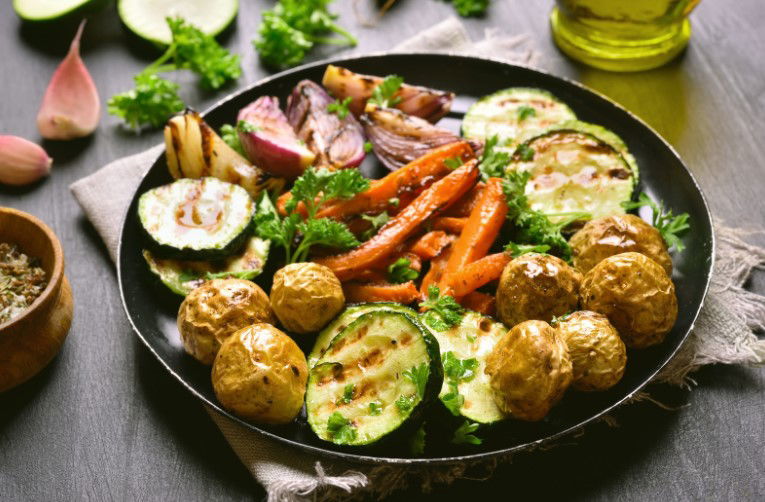
The culinary transformation that occurs when vegetables are subjected to the dry heat of an oven is remarkable. Roasting caramelizes their natural sugars, intensifying their flavors and creating a delightful textural contrast between tender interiors and slightly crisp exteriors. This method is not only flavor-enhancing but also remarkably efficient, requiring minimal active cooking time and often freeing up stovetop burners for other components of a meal. The adaptability of roasted vegetables is a key factor in their widespread popularity. They can be seasoned simply with salt, pepper, and olive oil, or elevated with herbs, spices, marinades, and glazes, making them suitable for any palate or dietary preference. Furthermore, the ability to roast a variety of vegetables together, such as root vegetables, cruciferous florets, and sweet peppers, allows for a medley of colors, nutrients, and tastes on a single plate.
Complementary Pairings for a Complete Meal
While roasted vegetables can certainly stand on their own, their true potential is unlocked when thoughtfully paired with a protein or a substantial side. The following selections represent a curated list of dishes that have proven to be exceptional companions, offering balance, depth, and culinary synergy.

1. The Hearty Embrace of Beef Roast
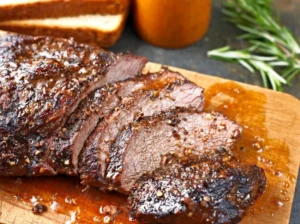
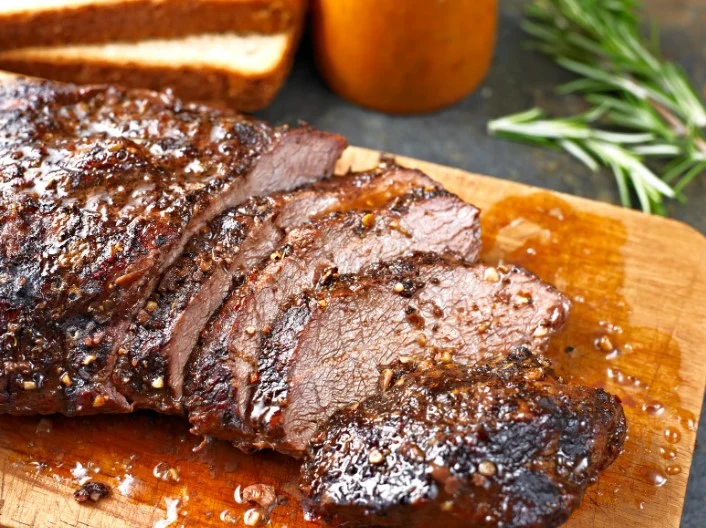
Beef roast and roasted vegetables represent a quintessential comfort food, particularly during the colder months when a substantial and warming meal is most desired. This pairing is a masterclass in efficiency, often requiring minimal stovetop intervention. A slow-cooked beef roast, when placed in the oven, becomes a largely hands-off endeavor, providing ample time to prepare and roast a medley of vegetables. The rich, savory notes of a well-prepared beef roast harmonize beautifully with the earthy sweetness of roasted root vegetables like carrots, parsnips, and potatoes, as well as the slight bitterness of Brussels sprouts or broccoli.
The practical advantages of this combination are significant. Its scalability makes it ideal for large family gatherings or dinner parties. Leftovers are a culinary bonus, transforming into delicious sandwiches or forming the base for hearty stews and hashes. To elevate this pairing further, a classic pan sauce or gravy, made from the roast’s drippings, adds an unparalleled layer of richness and moisture, binding the components of the meal together. For those seeking guidance, a classic beef roast recipe with a perfect pan sauce offers a reliable starting point for achieving this comforting classic.

2. The Light and Nutritious Chicken Breast
Chicken breast offers a lighter, nutrient-dense, and healthier counterpoint to roasted vegetables. Its mild flavor profile allows the roasted vegetables to take center stage, while its lean protein content provides a satisfying element without overwhelming the palate. A common and effective culinary technique involves searing chicken breasts in a skillet to achieve a desirable golden-brown crust, before transferring them to the oven to finish cooking alongside the vegetables. This method ensures that both components reach their optimal doneness simultaneously.
The textural contrast between a perfectly seared chicken breast and tender, caramelized roasted vegetables is a delightful sensory experience. The subtle crispness of the chicken’s exterior complements the yielding softness of the roasted vegetables. For a quick and flavorful preparation, a pan-seared chicken breast recipe provides a straightforward approach to achieving this balanced meal.

3. The Sweet and Savory Pork Chop
Pork chops possess a natural affinity for sweeter flavors, making them an exceptional partner for roasted winter vegetables such as butternut squash, sweet potatoes, and even caramelized onions. The inherent sweetness of these vegetables, intensified by roasting, creates a harmonious balance with the savory notes of the pork. This pairing can be further enhanced by incorporating fruit-based elements. The addition of baked apple slices alongside the pork and vegetables, or a reduction sauce infused with apple, can elevate the dish to new levels of complexity and flavor.
Pork chops offer flexibility in their preparation, lending themselves well to both pan-searing and oven-roasting. An advantage of this pairing is its relatively quick cooking time, making it a viable option for weeknight meals. An easy 15-minute pork chop recipe demonstrates how quickly this satisfying combination can be brought to the table.

4. The Comforting Layers of Lasagna
Lasagna, a rich and hearty Italian classic, serves as an unexpected yet brilliant accompaniment to Mediterranean-style roasted vegetables. The vibrant flavors of zucchini, bell peppers, tomatoes, and red onions, when roasted to perfection, find a natural partner in the comforting layers of pasta, cheese, and rich tomato sauce. This pairing is particularly effective as both lasagna and roasted vegetables are typically prepared in the oven, maximizing kitchen efficiency.
While lasagna can be a labor-intensive dish, its appeal lies in its ability to feed a crowd and its superior flavor when reheated. The preparation of lasagna can begin ahead of time, and the roasting of vegetables can be timed to coincide with the final stages of the lasagna’s baking. A pro-tip suggests roasting vegetables in the oven during the last hour of the lasagna’s cooking time, provided there is sufficient oven space. This coordinated approach ensures a cohesive and flavorful meal. An exemplary lasagna recipe can provide the foundation for this satisfying pairing.

5. The Versatile Bowl of Soup
Soup, in its myriad forms, offers a remarkably versatile side dish that can beautifully round out a meal centered around roasted vegetables. Its adaptability extends to catering to various dietary preferences, serving as an excellent vehicle for a completely vegetarian meal. The specific type of soup can be chosen to complement the flavor profile of the roasted vegetables. For instance, a hearty minestrone pairs wonderfully with Mediterranean-inspired roasted vegetables, while a classic chicken noodle soup complements roasted root vegetables like potatoes, carrots, and onions. Creamy chowders, with their rich and comforting texture, are an ideal match for roasted squash varieties. The sheer breadth of soup possibilities makes it a consistently adaptable and satisfying choice.
6. The Creamy Indulgence of Risotto
Risotto, a classic Italian rice dish, requires a degree of attention and technique but rewards the effort with a luxuriously creamy and filling accompaniment to roasted vegetables. While the active preparation of risotto can be time-consuming, its rich and savory nature makes it a superb partner for a wide range of roasted vegetables. A mushroom risotto, in particular, offers a deep, earthy flavor that harmonizes exceptionally well with the caramelized sweetness of roasted vegetables, regardless of their specific variety. For novice chefs, a beginner-friendly risotto recipe can demystify the process and provide the confidence to master this elegant dish.

7. The Savory Pastry of Quiche
Quiche, an egg-based savory tart, introduces a substantial protein element to a roasted vegetable dish without the need for meat. Its oven-baked nature aligns perfectly with the preparation of roasted vegetables, streamlining the cooking process and simplifying cleanup. Many quiche recipes inherently feature vegetables as a primary ingredient, further enhancing the synergy with a side of roasted vegetables. A simple five-ingredient broccoli quiche recipe exemplifies how a flavorful and protein-rich quiche can be created with minimal effort, making it an excellent complement to a variety of roasted vegetable combinations.
8. The Italian Classic: Eggplant Parmesan
Eggplant Parmesan presents a delightful and slightly lighter alternative to its meat-heavy counterparts, such as Chicken Parmesan, while still offering a satisfying and flavorful experience. This dish is particularly well-suited to pairing with Mediterranean-style roasted vegetables, sharing a similar flavor profile and culinary heritage. The inherent tenderness of eggplant, enhanced by a crisp coating, creates a pleasing textural contrast that complements the roasted vegetables. While the preparation of eggplant Parmesan can be involved, the resulting rich and satisfying dish is well worth the effort. A classic, pan-fried version before baking offers an indulgent and deeply flavorful experience.

9. The Plant-Based Powerhouse: Sliced Tofu Steaks
For those seeking a vegan and protein-rich option, sliced tofu steaks emerge as an outstanding companion to roasted vegetables. Tofu’s remarkable ability to absorb marinades and seasonings makes it incredibly versatile, allowing it to complement a wide array of flavors. Whether baked or seared, tofu steaks provide a satisfying texture and a substantial base for a light and meatless meal. The simplicity of slicing, seasoning, and cooking tofu makes it an exceptionally easy addition to a roasted vegetable ensemble. Using firm or extra-firm tofu is recommended, as its denser texture holds up better during cooking and provides a more robust "meaty" feel that stands up well to hearty roasted vegetables.
Expert Insights and FAQs
The art of roasting vegetables is as much about technique as it is about pairing. To ensure optimal results, consider these frequently asked questions:

- Should roasted root vegetables be covered? Covering root vegetables during roasting traps moisture, leading to steaming rather than browning. While harder vegetables like winter squash can benefit from covering to ensure they cook through, most other vegetables should remain uncovered to promote browning and caramelization.
- How do you keep roasted root veggies from getting soggy? Preventing sogginess is key to achieving the desired texture. Ensure your oven is preheated to a high temperature, typically around 400°F (200°C). Equally important is arranging the vegetables in a single layer on the baking sheet, avoiding overcrowding, which can lead to steaming.
By understanding these principles and exploring the diverse range of complementary dishes, the humble roasted vegetable can be transformed from a simple side into the star of a truly satisfying and complete meal. The culinary journey of roasted vegetables is one of endless possibility, inviting both novice cooks and seasoned chefs to explore new flavor combinations and textures.