
The American Homebrewers Association (AHA) has officially announced the results of its inaugural board of directors election, a landmark event that signifies the organization’s complete transition into a standalone, member-governed entity. In a vote concluded this March, the association’s membership elected four new leaders to the board, culled from a highly competitive pool of nominees. This election represents the first time the AHA has operated under its new independent dual-structure as both a 501(c)(6) membership organization and a 501(c)(3) charitable foundation, known as the A-HA Foundation.
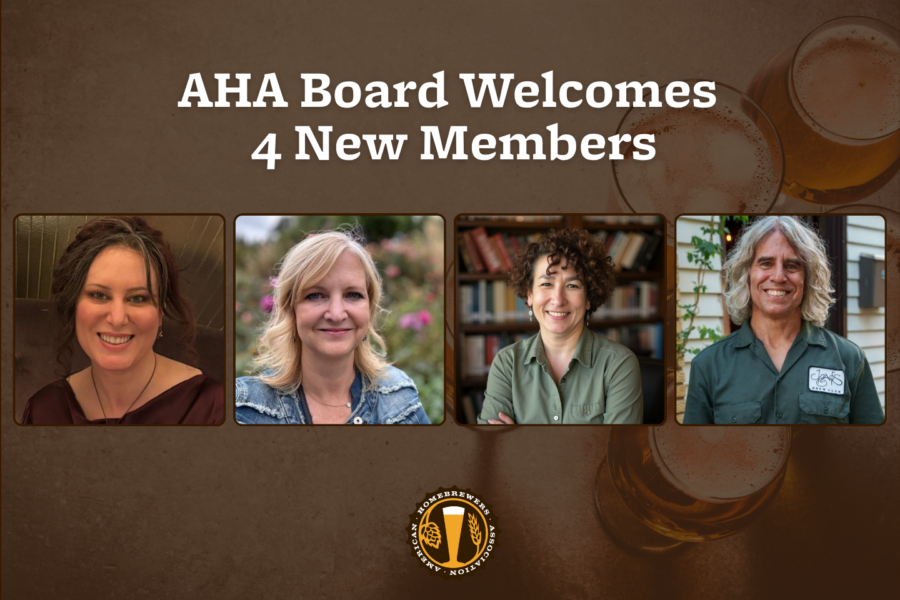
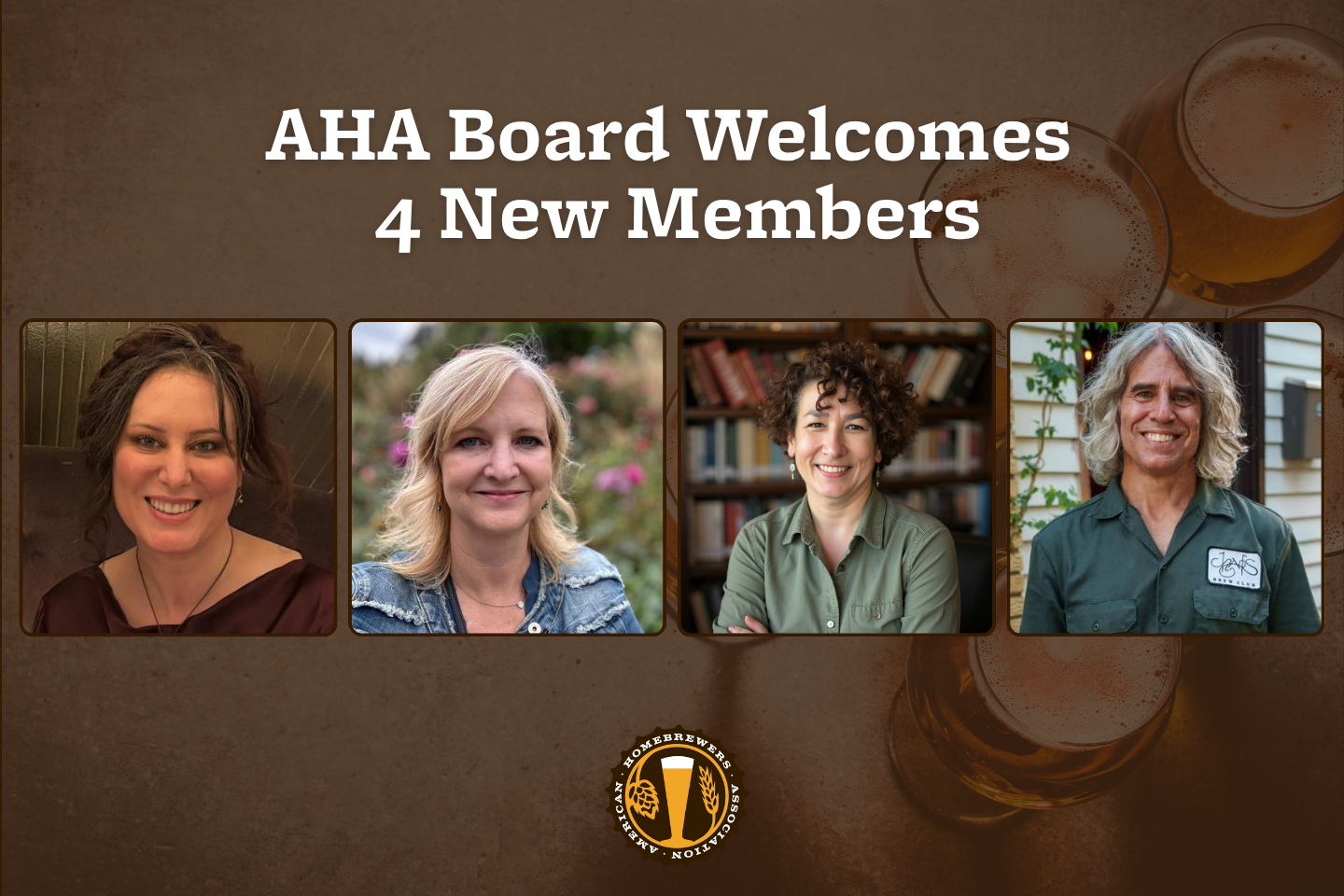
The four newly elected board members—Jen Blair, Stephanie Butler, Jen Pereira, and Jeff Whelpley—emerged from a slate of 10 finalists. The selection process began with an original pool of 28 nominees, reflecting a high level of engagement within the homebrewing community during this period of organizational transformation. Each of the new directors will serve a three-year term, tasked with steering the association through its next phase of growth and advocacy. They will join sitting board members Shawna Cormier, Drew Beechum, and Gregory Roskopf to form the leadership body that will oversee the association’s strategic initiatives.
The formal seating of the new board is scheduled for June 20, 2026, during the AHA’s annual meeting in Asheville, North Carolina. This meeting coincides with Homebrew Con, the nation’s largest gathering of amateur brewers, cidermakers, and meadmakers. The transition marks the end of an era for the founding board members who managed the association’s recent separation from its previous administrative ties, establishing it as a self-governing body dedicated exclusively to the interests of the homebrewing hobbyist.
A Chronology of Independence and Organizational Evolution
The American Homebrewers Association was founded in 1978 by Charlie Papazian and Charlie Matzen in Boulder, Colorado. For decades, the AHA operated as a division of the Brewers Association (BA), a trade group representing small and independent craft brewers. While the partnership allowed for shared resources, the evolution of the craft beer industry and the specific needs of the hobbyist community eventually necessitated a more focused governance model.
In recent years, the AHA leadership initiated a strategic plan to become a "newly independent" entity. This process involved the legal and financial separation of the AHA from the Brewers Association, a move intended to give homebrewers more direct control over their advocacy efforts, educational programming, and financial resources. The 2026 election is the culmination of this multi-year roadmap.
The establishment of the 501(c)(6) and 501(c)(3) designations is central to this new era. As a 501(c)(6) organization, the AHA functions as a business league for the homebrewing community, allowing it to engage in legislative advocacy—such as protecting the rights of homebrewers to transport their beer or host competitions—which is often restricted for other types of non-profits. Simultaneously, the 501(c)(3) A-HA Foundation focuses on the educational and scientific aspects of fermentation, allowing for tax-deductible donations to support research and public interest projects related to the craft.
Election Data and Membership Participation
The metrics of the 2026 election indicate a robust appetite for self-governance among the AHA’s membership. The initial call for nominations resulted in 28 individuals stepping forward, a figure that industry analysts suggest demonstrates a strong desire for diverse representation within the hobby. The final slate of 10 candidates was vetted based on their contributions to the brewing community, professional expertise, and vision for the association’s future.
While specific voter turnout percentages are traditionally kept internal, the association noted that the participation was instrumental in validating the new democratic framework. The election of Blair, Butler, Pereira, and Whelpley brings a blend of technical brewing expertise, organizational management, and community outreach experience to the table. This diversity is seen as essential for the AHA as it seeks to reverse the post-pandemic plateau in hobbyist participation and attract a younger, more diverse demographic to the craft of fermentation.
Leadership Transition and Official Responses
Shawna Cormier, the current AHA Board Chair, emphasized the gravity of this milestone in a statement following the announcement. Cormier noted that the work of the Founding Board was essential in laying the groundwork for a sustainable future. According to Cormier, the newly elected members are positioned to help the association "grow for generations."
"The work started by the AHA Founding Board to bring the association to a new future has been impressive to say the least," Cormier stated. She reaffirmed the association’s primary vision: "a homebrewer in every neighborhood and a homebrew club in every community."
The transition also marks the departure of two pivotal figures in the homebrewing world: Sandy Cockerham and Gary Glass. Both served as Founding Board members during the association’s independence phase. Glass, who previously served as the long-time director of the AHA before its restructuring, and Cockerham, a highly respected judge in the Beer Judge Certification Program (BJCP), were lauded for their dedication to representing member interests during the complex legal and administrative separation process. Their departure signifies the hand-off from the "architects" of the new AHA to the "stewards" who will manage its day-to-day operations and long-term strategy.
Supporting the Hobby: Infrastructure and Resources
The AHA remains the primary resource for homebrewers in the United States, providing a suite of services that the new board will be responsible for maintaining and expanding. Key among these is Zymurgy magazine, the association’s flagship publication which has served as a primary source of technical brewing information since 1978.
Furthermore, the board oversees the National Homebrew Competition (NHC), the world’s largest international homebrew competition. The 2026 seating of the board in Asheville coincides with the final round of the NHC, where thousands of entries are judged by certified experts. The revenue and logistical support for these programs now fall entirely under the purview of the independent board, requiring a heightened focus on fiscal responsibility and sponsorship procurement.
The association also manages "AHA Member Deals," a program involving over 2,000 breweries and homebrew supply shops across the country. By maintaining these partnerships, the board ensures that the $43 annual membership fee continues to provide tangible value to hobbyists, particularly as the cost of raw materials like malt and hops fluctuates due to global supply chain issues.
Broader Impact and Industry Implications
The independence of the AHA is being closely watched by other hobbyist organizations and craft beer industry stakeholders. By separating from the commercial trade group (the Brewers Association), the AHA is now free to pursue an agenda that may occasionally diverge from commercial interests. For example, while commercial brewers may focus on tax excise rates for retail sales, the AHA can focus its legislative energy on "pour laws" that allow homebrewers to share their creations at festivals and public events without the need for commercial licensing.
The move to Asheville for the 2026 annual meeting is also a strategic choice. Known as "Beer City USA," Asheville represents a hub of both commercial innovation and grassroots brewing culture. Hosting the first meeting of the fully elected board in such a location serves to reinforce the connection between the hobbyist and the broader craft beer ecosystem.
Analysts suggest that the success of this new board will be measured by its ability to modernize the association’s digital resources and increase the inclusivity of the hobby. With a mission to place a homebrew club in every community, the board will likely prioritize local chapter support and educational outreach to underserved regions.
As the June 20 seating date approaches, the AHA community remains focused on the potential of this "historic first." The transition from an appointed founding body to a member-elected board marks the final step in the AHA’s journey toward true self-determination. For the thousands of members who cast their votes, the hope is that this new governance structure will provide the stability and vision necessary to ensure that homebrewing remains a vibrant, legally protected, and accessible pursuit for decades to come.