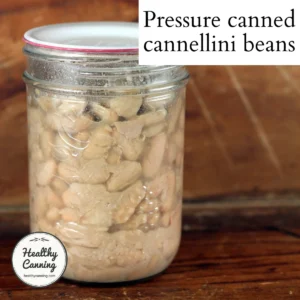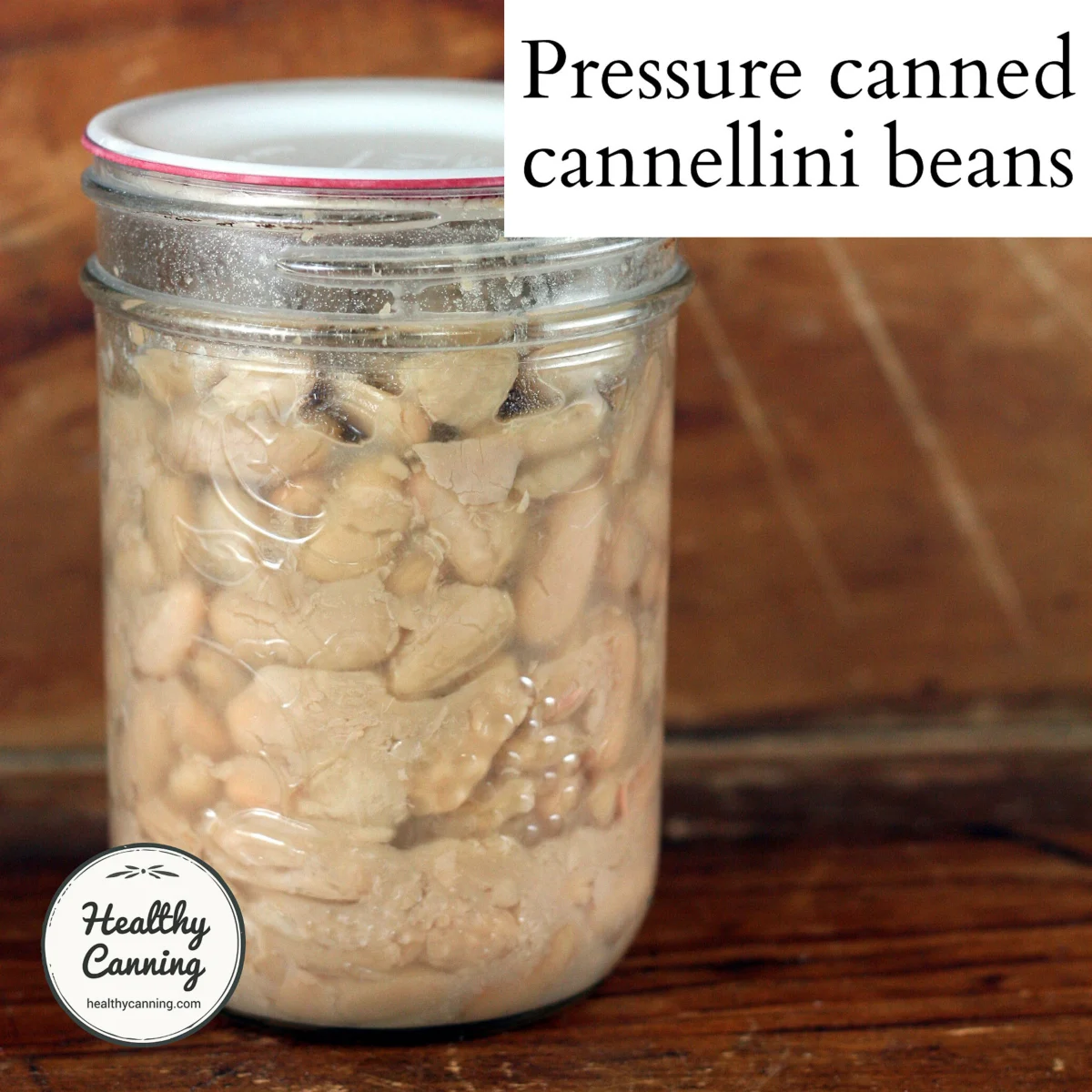

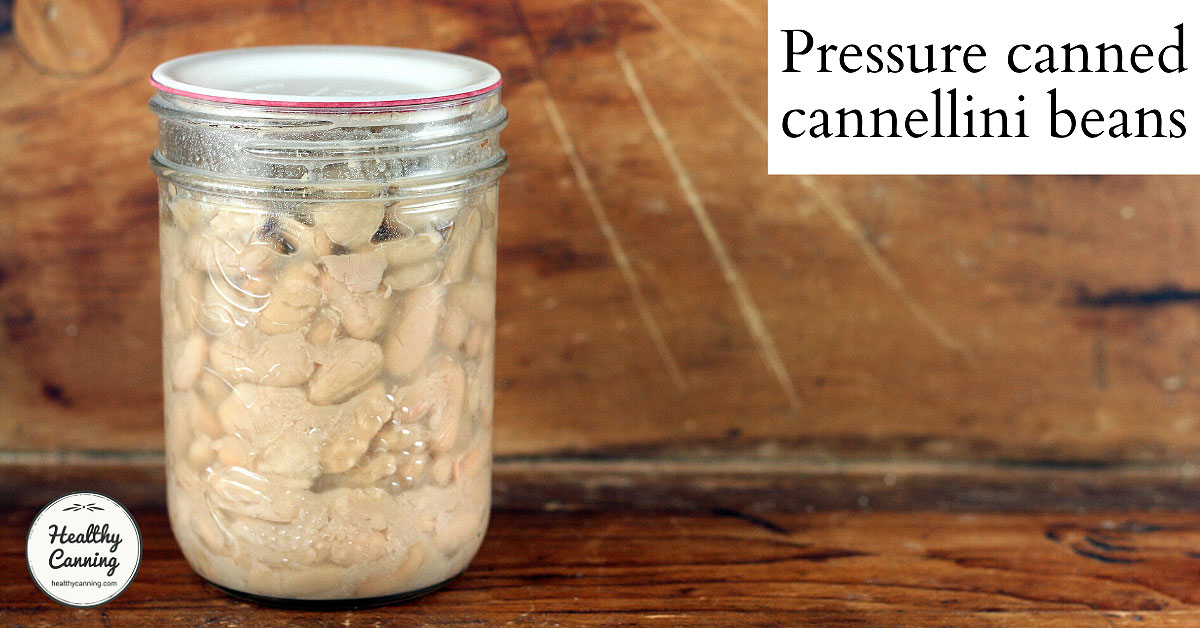
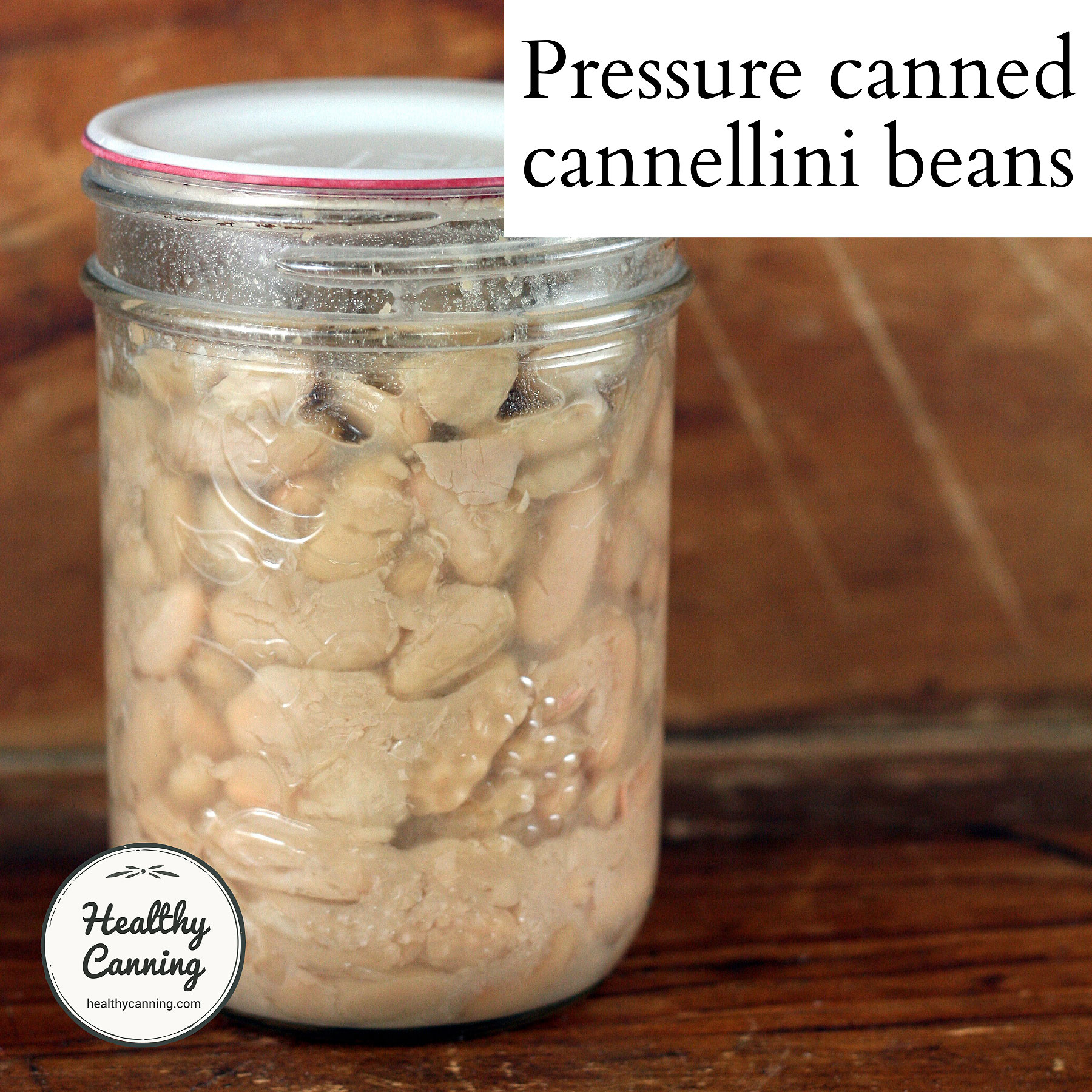
The practice of home food preservation has seen a significant resurgence in recent years, driven by a growing consumer interest in food security, the reduction of dietary additives, and the economic benefits of bulk purchasing. Among the most versatile and nutritionally dense items for the home pantry are cannellini beans, also known as white kidney beans. While the process of canning these legumes provides a shelf-stable alternative to commercial products, it requires strict adherence to scientific protocols established by the United States Department of Agriculture (USDA) and the National Center for Home Food Preservation (NCHFP). Because beans are low-acid foods, they present a specific risk for Clostridium botulinum if not processed correctly, making the use of a pressure canner an absolute requirement for home enthusiasts.
The Essential Role of Pressure Canning in Food Safety
The primary challenge in preserving cannellini beans lies in their pH level. As a low-acid food, beans do not possess the natural acidity required to inhibit the growth of harmful bacteria in a standard boiling-water bath. To ensure the safety of the final product, the internal temperature of the jar must reach 240°F (116°C). This temperature can only be achieved through the use of a pressure canner, which utilizes steam under pressure to exceed the boiling point of water.
The USDA Complete Guide to Home Canning serves as the foundational authority for these procedures. According to their research, failing to use a pressure canner for legumes can lead to botulism, a rare but potentially fatal form of food poisoning. Consequently, journalistic and culinary experts emphasize that there are no safe "open-kettle" or water-bath methods for canning dried beans. The process is defined by precision, requiring specific pressures adjusted for the user’s altitude to ensure that every pathogen is neutralized.
Chronology of the Canning Process: From Dried Legume to Shelf-Stable Jar
The transition of dried cannellini beans into a ready-to-eat home-canned product follows a rigorous timeline. This sequence is designed to ensure the beans are properly hydrated and the heat penetration during processing is uniform.
Phase 1: Selection and Hydration
The process begins with the inspection of dried cannellini beans. Producers and home canners alike must sort through the beans to remove any stones, debris, or shriveled specimens. Once cleaned, the beans must be rehydrated. There are two primary methods for this:
- The Overnight Soak: Beans are placed in a large pot, covered with water, and left for 12 to 18 hours in a cool place.
- The Quick Soak: Beans are placed in boiling water, boiled for two minutes, and then allowed to soak, covered, for one hour.
Regardless of the method, the soaking phase is critical. It allows the beans to expand fully before they are placed in the jars. Skipping this step or under-hydrating the beans can lead to them absorbing the canning liquid during the pressure cycle, resulting in "dry jars" and potential seal failure.
Phase 2: Pre-Cooking and Jar Packing
Following the soak, the beans are drained and rinsed. They are then placed in fresh water, brought to a boil, and simmered for 30 minutes. This pre-cooking ensures the beans are hot when they enter the jars, which is essential for maintaining the "hot pack" standard required for the processing times listed in the USDA guidelines.
When packing the jars, canners must leave exactly one inch (3 cm) of headspace. This space at the top of the jar allows for the expansion of the food and the boiling of the liquid during the high-pressure phase. For cannellini beans, which are particularly starchy, this headspace is vital to prevent the starch from interfering with the lid’s sealing compound.
Phase 3: The Pressure Cycle
The filled jars are placed in the pressure canner with two to three inches of simmering water. The lid is locked, and the heat is increased. A critical, often overlooked step is "venting." The canner must vent steam for 10 minutes before the weight is added or the petcock is closed. This ensures that the environment inside the canner consists of pure steam rather than an air-steam mixture, which would not reach the required temperature.
Once the target pressure is reached—typically 10 or 11 pounds depending on the gauge type—the timer begins. For cannellini beans, the processing time is 75 minutes for pints (half-litres) and 90 minutes for quarts (litres).
Technical Data and Altitude Adjustments
Precision in pressure canning is not universal; it is highly dependent on the elevation of the kitchen. As altitude increases, the boiling point of water decreases, and the pressure must be increased to compensate for the lower atmospheric pressure.
| Jar Size | Time | 0 – 300m (0-1,000 ft) | Above 300m (1,000 ft) |
|---|---|---|---|
| Half-pint (250 ml) | 75 mins | 10 lbs (Weighted) / 11 lbs (Dial) | 15 lbs (Weighted) / 12-15 lbs (Dial) |
| Pint (500 ml) | 75 mins | 10 lbs (Weighted) / 11 lbs (Dial) | 15 lbs (Weighted) / 12-15 lbs (Dial) |
| Quart (1 litre) | 90 mins | 10 lbs (Weighted) / 11 lbs (Dial) | 15 lbs (Weighted) / 12-15 lbs (Dial) |
Experts warn that even a slight deviation from these pressures can result under-processed food. Conversely, over-processing or fluctuating pressure can affect the texture of the cannellini bean, which is already prone to softening.
Nutritional Analysis and Culinary Applications
Cannellini beans are prized for their nutritional density. A standard 130-gram serving of home-canned cannellini beans (prepared without added salt) provides approximately 100 calories, 6 grams of protein, and 5 grams of dietary fiber. They are an excellent source of iron and potassium while remaining naturally low in fat and sodium.
However, the home-canning process has a distinct impact on the bean’s physical structure. Due to the long processing times required for safety, home-canned cannellini beans tend to be significantly softer than their commercially canned counterparts. Commercial facilities often use additives like calcium chloride to maintain the firmness of the bean’s skin. Home canners, usually opting for a "clean label" approach, do not use these firming agents.
As a result, the culinary application of home-canned cannellini beans should be strategic. They are less suited for bean salads or dishes where a firm "bite" is required. Instead, they excel in:
- Soups and Stews: Where they can slightly break down to thicken the broth.
- Purées and Hummus: Their soft texture makes them ideal for creamy spreads and bean pates.
- Pasta e Fagioli: A classic Italian application where the creaminess of the bean complements the texture of the pasta.
Economic and Social Implications of Home Preservation
The move toward home canning is often a response to economic volatility. Purchasing dried cannellini beans in bulk is significantly more cost-effective than buying individual cans from a grocery store. Based on current market data, the cost per serving of home-canned beans is estimated to be 50% to 70% lower than retail canned goods, even when accounting for the energy costs of the pressure canner.
Beyond economics, there is a clear social impact regarding food transparency. By canning at home, individuals have total control over the sodium content. Commercial canned beans can contain upwards of 400mg of sodium per serving, whereas home-canned versions can be produced with zero added salt, relying on the bean’s natural flavor and the preservation power of heat and pressure.
Official Guidance and Best Practices
Organizations such as the Master Food Preserver groups emphasize that "shortcuts" in canning are the primary cause of spoilage and illness. They advise that if a pressure canner’s dial gauge has not been tested for accuracy within the last year, the user should default to using a weighted gauge or have the equipment serviced.
Furthermore, the cooling process is as important as the heating process. Once the timer expires, the heat must be turned off and the canner allowed to depressurize naturally. Forcing the cooling process—such as by running cold water over the canner—can cause "siphoning," where the liquid is sucked out of the jars, or even cause the glass jars to shatter due to thermal shock.
Conclusion: The Modern Pantry
Home-canned cannellini beans represent a marriage of traditional self-sufficiency and modern food science. While the requirement for a pressure canner and the 90-minute processing times may seem daunting to the novice, the result is a high-quality, nutritious, and additive-free staple that strengthens a household’s food independence. As long as the protocols for headspace, pressure, and timing are strictly followed, the home canner can enjoy the culinary versatility of the white kidney bean with the assurance of absolute safety. By understanding the science behind the steam, the modern cook transforms a simple dried legume into a pillar of a healthy, sustainable pantry.