
The burgeoning popularity of artisanal baking has led many home cooks and professional bakers alike to explore the nuanced world of sourdough, extending its tangy complexity beyond traditional loaves. This exploration has now reached the realm of scones, with a particular focus on a seasonal delight: pumpkin. This article delves into the creation and intricacies of sourdough pumpkin scones, examining the factors that contribute to their unique texture and flavor profile, and offering insights for achieving optimal results, especially for bakers at higher altitudes.
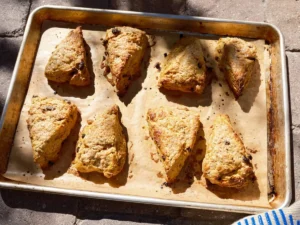
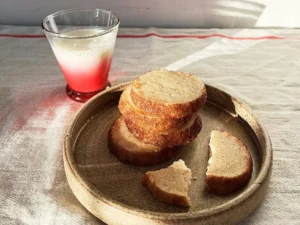
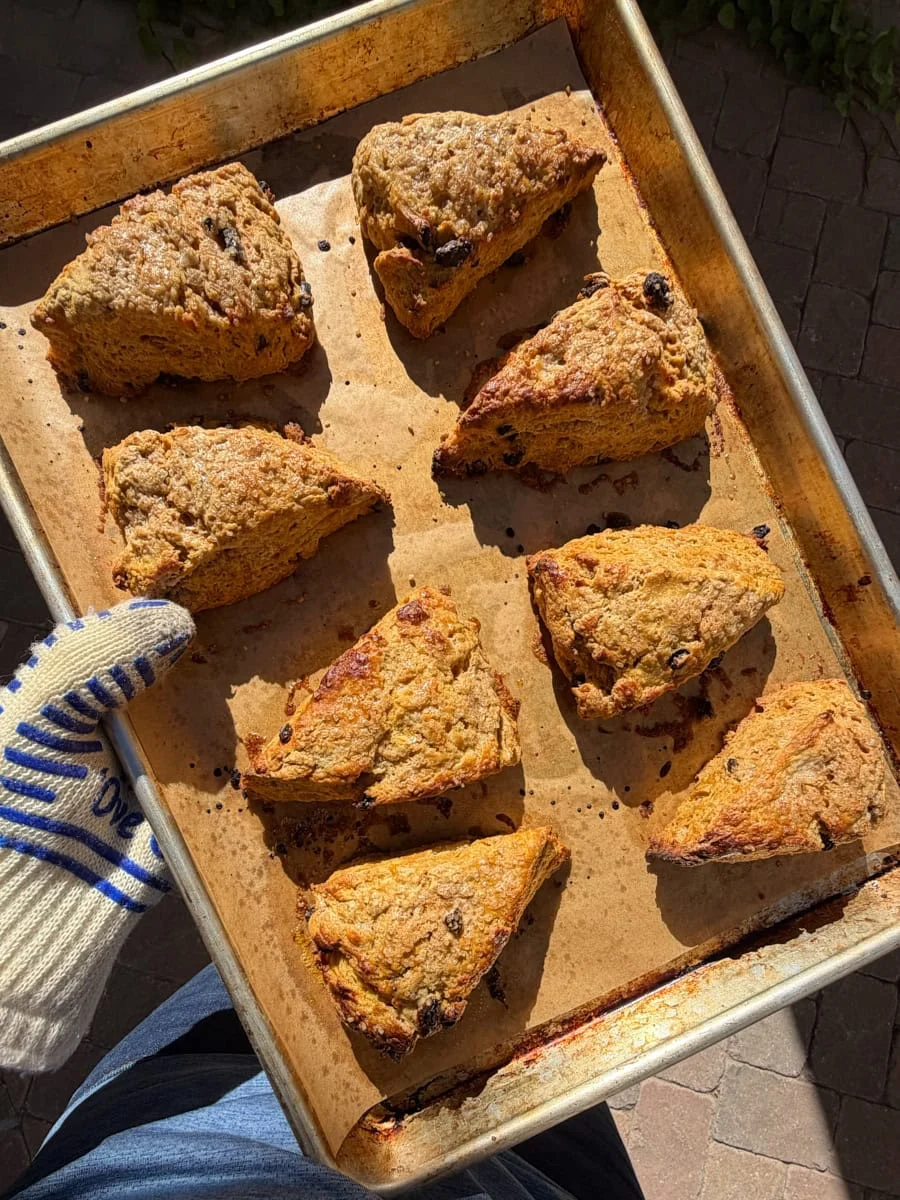
The essence of these sourdough pumpkin scones lies in their textural duality. Unlike the dense, dry scones often found in traditional baking, these are characterized by a soft, yielding interior encased in a craggy, robust crust. This dichotomy has led to spirited discussions about their classification, with some questioning whether they lean more towards scones or biscuits. However, the inherent sweetness of the pumpkin element firmly situates them within the scone category for many, bridging the gap between classic pastry and the fermented tang of sourdough.
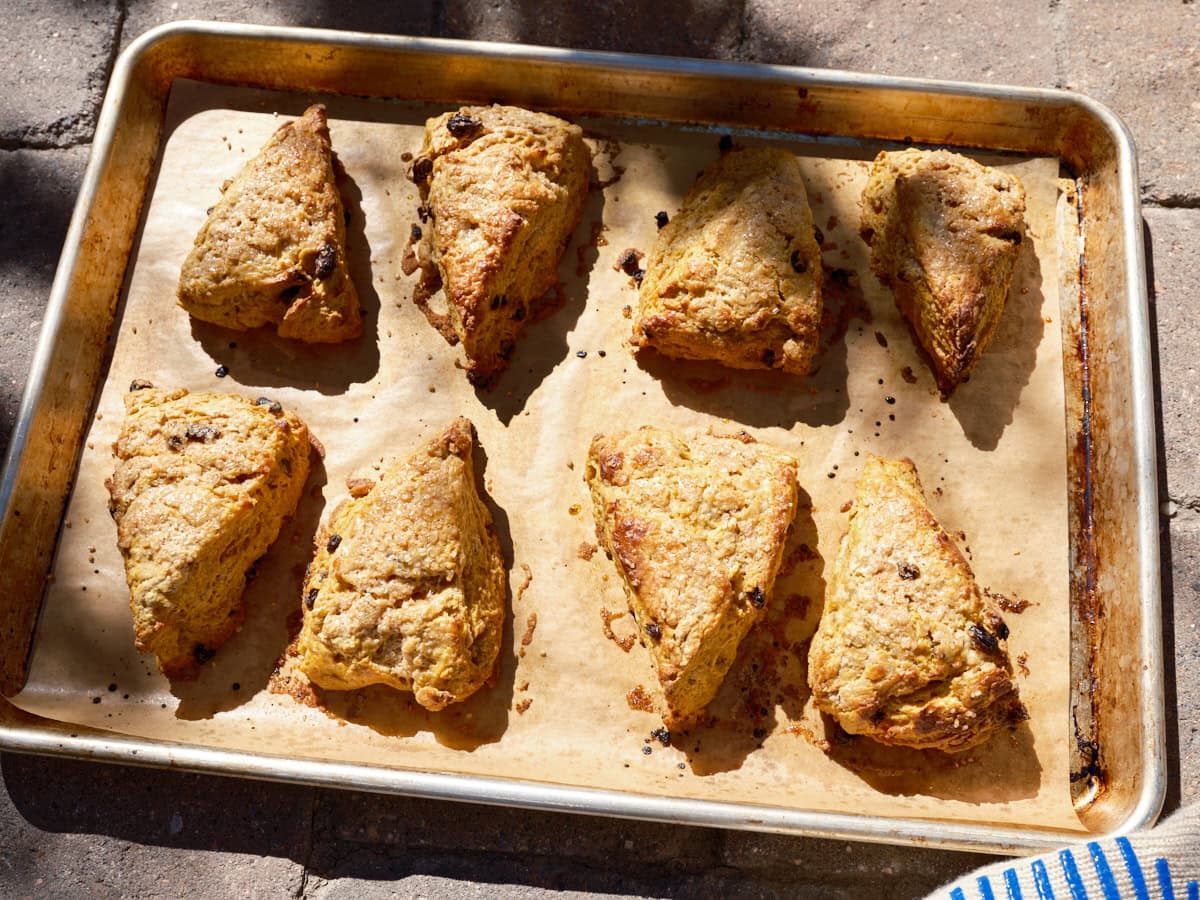
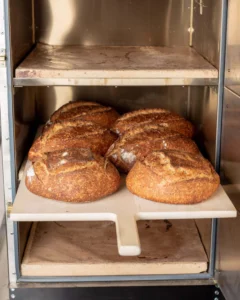
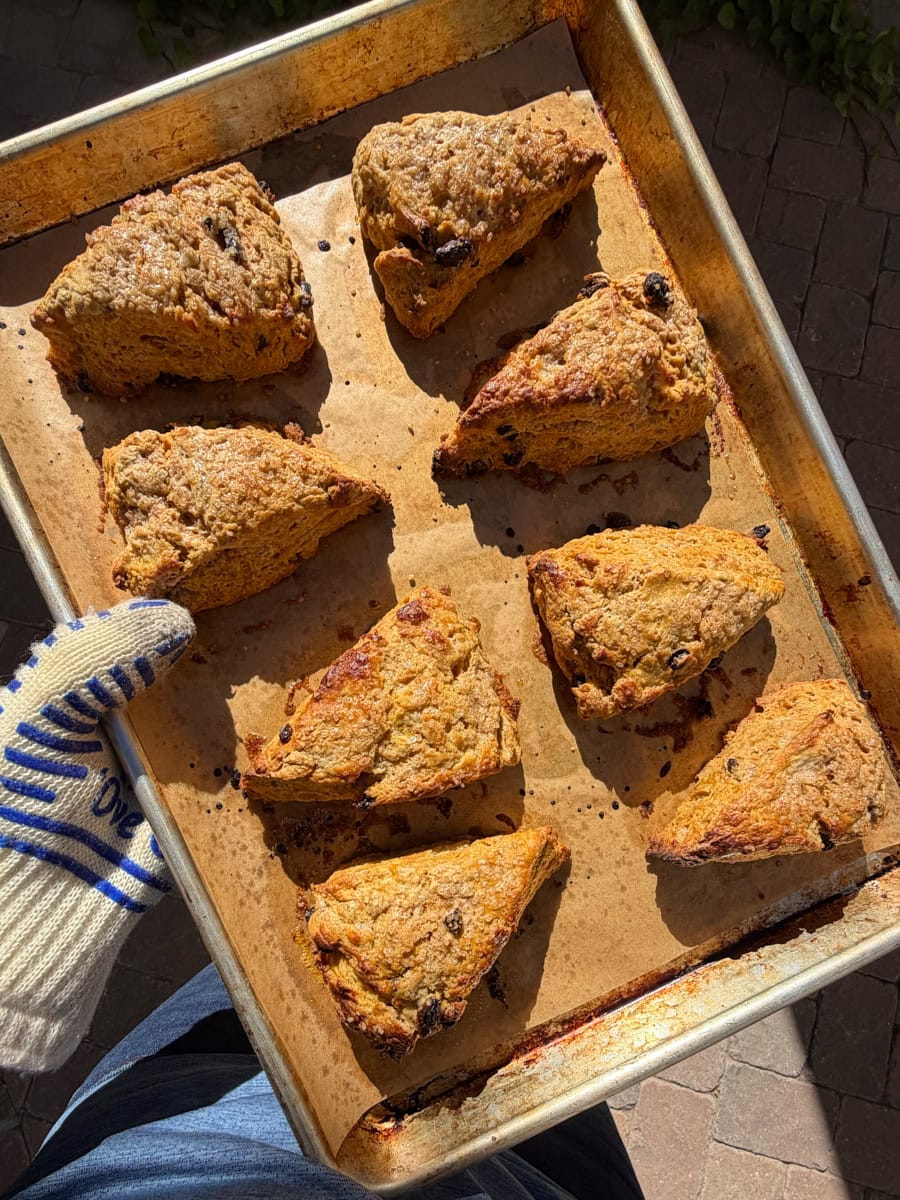
Achieving this desirable texture, particularly a tall and well-risen scone, is a nuanced process. The author’s experimentation has revealed specific techniques designed to counteract the tendency for scones to spread, yielding a more upright and aesthetically pleasing result. This is a critical consideration for bakers operating at high altitudes, where atmospheric pressure differences can significantly impact baking outcomes. Just as with high-altitude sourdough bread, subtle adjustments in ingredient ratios and baking methods can transform a flat, disappointing scone into a proud, towering creation.
The foundational element of these scones, beyond the sourdough starter, is the use of einkorn flour. Einkorn, an ancient grain, offers a distinct earthy flavor and a slightly different gluten structure compared to modern wheat varieties. For those without access to einkorn, whole wheat flour serves as a viable substitute. The article specifically recommends varietals such as Red Fife, Butler’s Gold, or Marquis, suggesting that the inherent earthiness of these whole grains harmonizes exceptionally well with the sweet and spiced notes of pumpkin. This rustic undertone provides a sophisticated counterpoint to the overall sweetness, creating a balanced and complex flavor.
The role of buttermilk in this recipe is paramount, contributing significantly to both flavor and texture. While it contains less fat than heavy cream, its acidity is a key driver of the scone’s tender crumb. The low pH of buttermilk interacts with the gluten matrix, promoting extensibility and preventing toughness, a crucial benefit when working with the more delicate structure of einkorn flour. This acidic reaction, coupled with the natural tang of the sourdough starter, creates a flavor profile that is both complex and harmonious, with the buttermilk’s zest playing beautifully against the fermented notes and the inherent sweetness of the pumpkin. This approach offers a distinct textural outcome compared to recipes that rely on the high fat content of heavy cream to create flaky layers through the coating of flour particles.
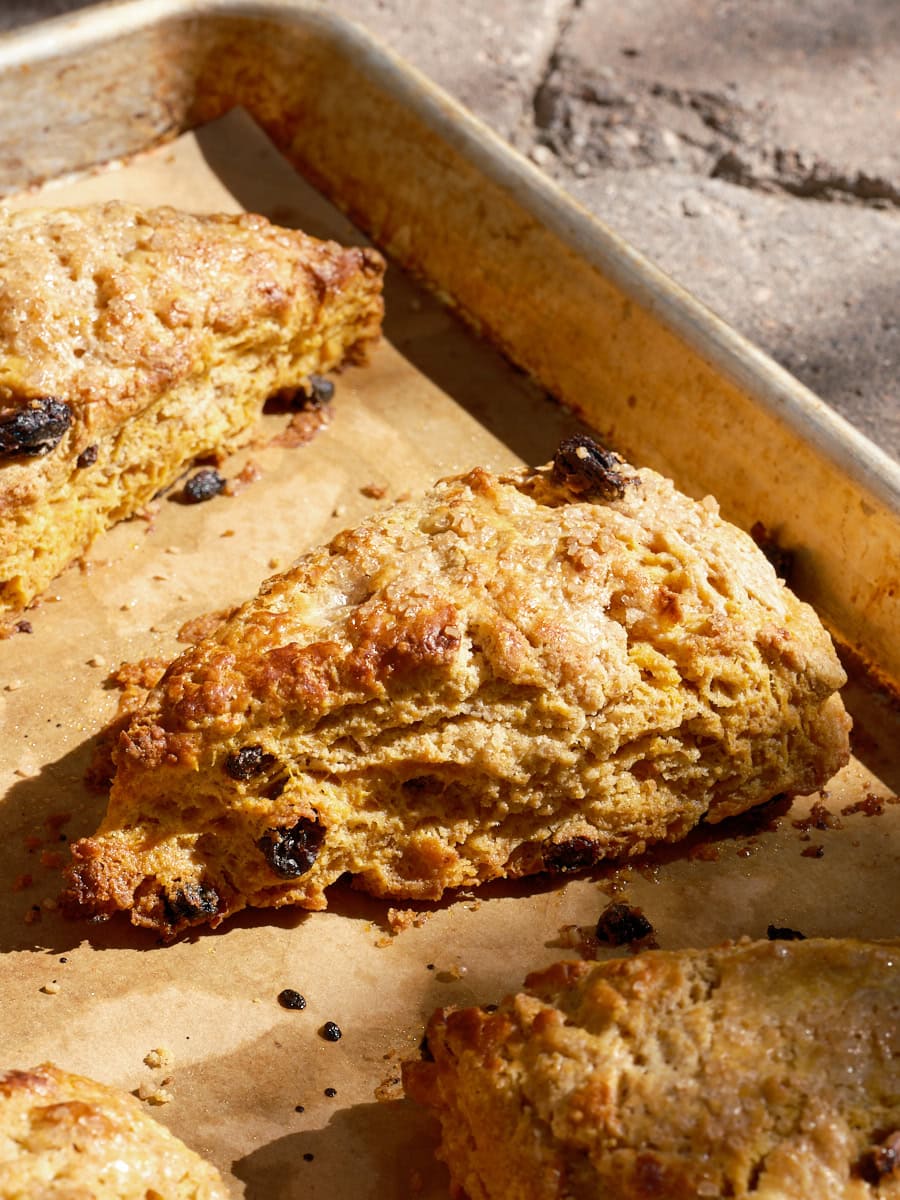
Beyond ingredient choices, the baking environment itself plays a critical role in achieving the desired height. The author advocates for the use of convection baking, citing its ability to create an intense, even heat. This rapid heat application, particularly in the initial stages of baking, helps to quickly set the outer edges of the scone dough. This "setting" effect prevents excessive spreading, thus encouraging vertical rise and resulting in the coveted tall, straight-sided scone. For ovens lacking a convection setting, a temporary increase in baking temperature by approximately 25°F (about 14°C) during the initial baking phase is suggested as a potential method to emulate the effects of convection. This technique is particularly relevant when considering the impact of high altitude on baking, where the lower atmospheric pressure can lead to a faster rise but also increased risk of spreading if not managed correctly.
The recipe itself, detailed within the article, provides a framework for home bakers to replicate these sourdough pumpkin scones. While specific ingredient quantities are not provided in this textual analysis, the accompanying recipe card typically outlines the precise measurements for dry ingredients, including flour (einkorn or whole wheat), leavening agents, spices, and sweeteners, alongside wet ingredients such as pumpkin puree, buttermilk, sourdough starter, and any binding agents. The instructions generally follow a standard scone-making procedure, involving the cutting of cold fat into the dry ingredients, followed by the incorporation of wet ingredients to form a cohesive dough. The emphasis on minimal handling to preserve the delicate gluten structure is crucial for achieving a tender outcome.
Key Considerations for Sourdough Pumpkin Scones:
- Flour Choice: While einkorn offers a unique flavor, standard whole wheat or all-purpose flour can be substituted. The protein content and milling of the flour will influence the final texture.
- Pumpkin Puree: Ensure the use of 100% pumpkin puree, not pumpkin pie filling, which contains added sugars and spices. For alternative purees, sweet potato or butternut squash are excellent choices, maintaining a similar moisture and flavor profile.
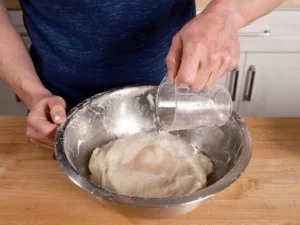
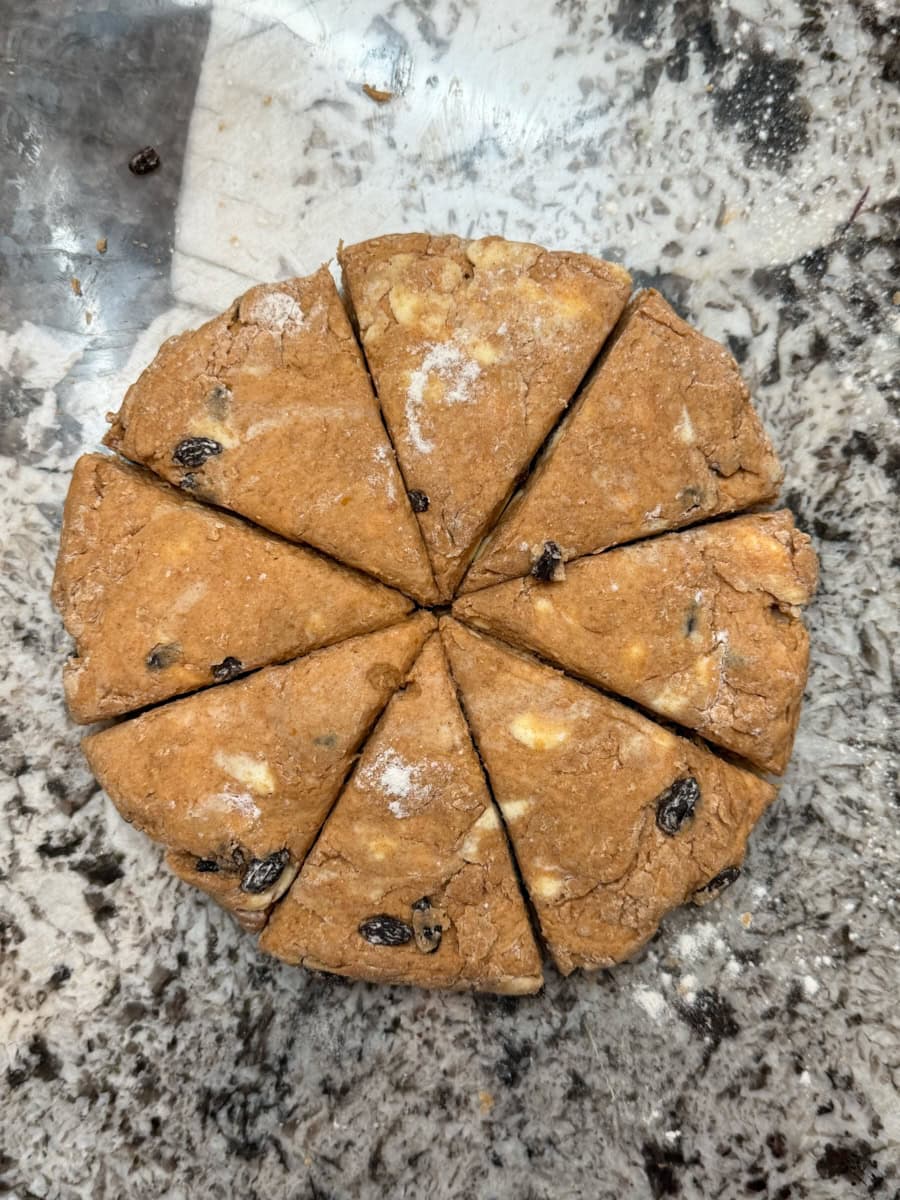
- Sourdough Starter: The maturity and hydration of the sourdough starter will impact the final flavor and leavening. A well-fed, active starter is generally recommended. Using sourdough discard, as implied by some imagery, introduces a more pronounced tang and can contribute to a slightly denser, yet still tender, crumb.
- Fat: The type of fat used (butter, coconut oil) and its temperature (cold) are critical for creating pockets of steam during baking, which contributes to lift and flakiness.
- Liquid: Buttermilk’s acidity is a significant factor. If unavailable, the homemade cultured milk substitute (milk with vinegar or lemon juice) or kefir can be used.
- Altitude Adjustments: For high-altitude baking (above 3,000 feet), reducing leavening agents slightly and increasing liquid or flour by a small percentage can help compensate for the thinner air. Increased baking temperature for the initial phase, as suggested for emulating convection, is also beneficial.
FAQs and Culinary Extensions:
The article addresses common questions regarding ingredient substitutions. For those who dislike raisins, dried cranberries are suggested as a suitable alternative, with fresh or frozen blueberries also noted as a potential variation. The FAQs also provide guidance on creating a buttermilk substitute and confirm the interchangeability of einkorn with other whole wheat flours.
Beyond the immediate enjoyment of these scones, the article encourages further culinary exploration with leftover pumpkin puree. Suggestions include incorporating it into a pumpkin cinnamon sourdough bread or a simpler batch of pumpkin pancakes, extending the seasonal flavor profile into other baked goods and breakfast items.
This detailed exploration of sourdough pumpkin scones highlights the intersection of traditional baking techniques with the complexities of sourdough fermentation. By understanding the impact of specific ingredients, baking methods, and environmental factors, bakers can elevate this seasonal treat from a simple pastry to a sophisticated culinary creation, rich in flavor and appealing in texture. The emphasis on achieving a tall, well-risen scone, especially for high-altitude bakers, underscores the thoughtful experimentation and knowledge sharing that defines the modern artisanal baking community.