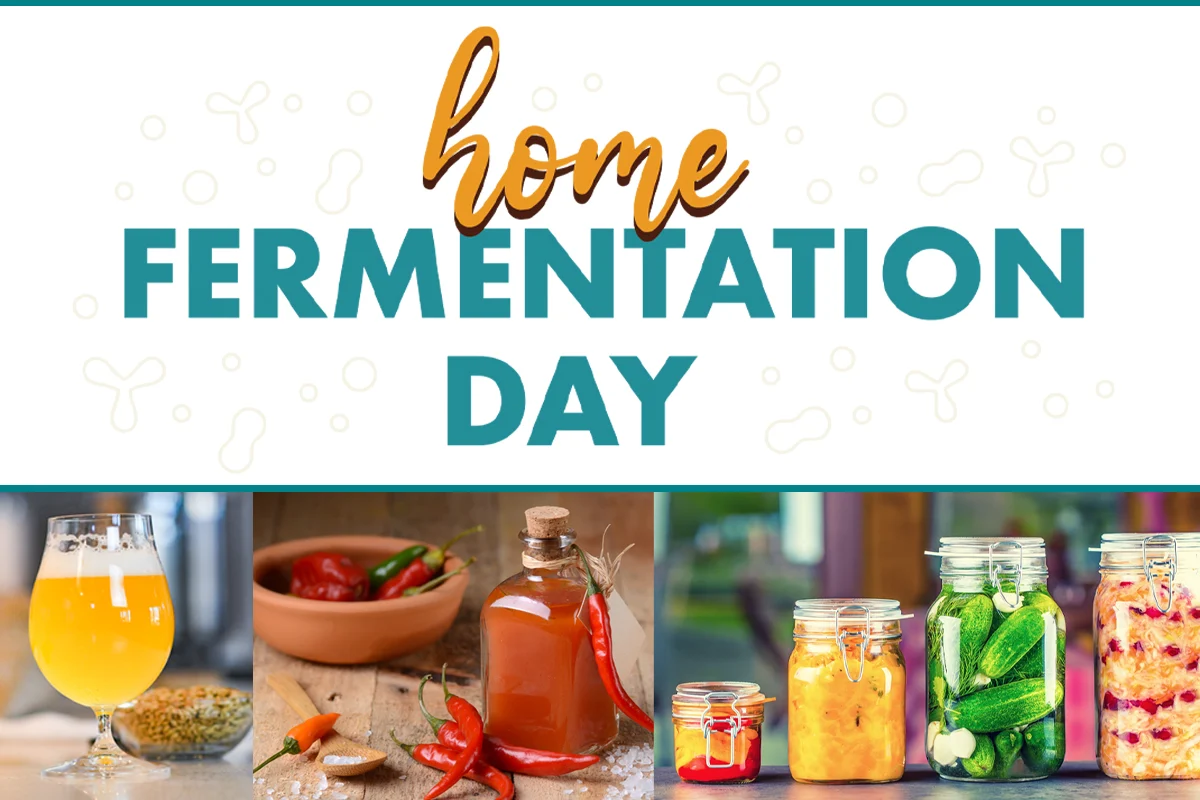

The American Homebrewers Association (AHA) has officially inaugurated Home Fermentation Day on August 1, 2025, marking a significant expansion of the organization’s mission to encompass the broader world of fermented foods and beverages. While the AHA has historically focused on the craft of homebrewing beer, this new initiative signals a pivot toward a more inclusive celebration of all biological transformations, including mead, cider, kombucha, kimchi, sauerkraut, and sourdough. By providing a centralized platform for DIY recipes, technical tutorials, and community engagement, the AHA aims to bridge the gap between traditional brewing and the modern resurgence of functional, fermented nutrition.
The Scope and Objectives of Home Fermentation Day 2025
The primary objective of Home Fermentation Day is to democratize the science of fermentation, making it accessible to hobbyists of all skill levels. The event serves as both a celebration and an educational summit, encouraging participants to explore the symbiotic relationship between microbes and food preservation. According to the AHA, the day is designed to highlight the versatility of fermentation, which extends far beyond the production of alcohol.
The association’s digital resources for the event include comprehensive guides on various fermentation styles. These range from the anaerobic fermentation required for vegetable preservation to the specific yeast management techniques necessary for high-quality mead and cider. By integrating these diverse disciplines, the AHA is positioning itself as the premier authority for the "fermentation-curious," a demographic that has seen exponential growth over the last five years.
A Chronology of Advocacy and the Evolution of the AHA
To understand the significance of Home Fermentation Day, one must look at the historical trajectory of the American Homebrewers Association. Founded in 1978 by Charlie Papazian in Boulder, Colorado, the AHA was established during a period when homebrewing was still technically illegal under federal law. The organization played a pivotal role in the passage of H.R. 1337, signed by President Jimmy Carter, which legalized homebrewing at the federal level in 1979.
Throughout the 1980s and 1990s, the AHA focused almost exclusively on malt-based beverages, fostering the "Craft Beer Revolution." However, the early 21st century brought a shift in consumer interest. The mid-2010s saw a surge in the popularity of kombucha and probiotic-rich foods, driven by a growing public interest in gut health. Recognizing this shift, the AHA began incorporating mead and cider into its National Homebrew Competition. The 2025 launch of Home Fermentation Day represents the culmination of this decades-long evolution, moving from a niche beer-centric group to a holistic fermentation advocacy body.
Supporting Data: The Rise of the DIY Fermentation Market
The decision to launch Home Fermentation Day is supported by robust market data indicating a sustained interest in home-produced goods. According to market research reports, the global fermented food and beverage market was valued at approximately $575 billion in 2022 and is projected to reach over $900 billion by 2030. Within this macro-trend, the "at-home" segment has flourished.
Surveys conducted by the Brewers Association—the parent organization of the AHA—reveal that the average homebrewer is no longer just making India Pale Ales. Data indicates that 45% of homebrewers also experiment with fermented foods like pickles or hot sauce, and nearly 30% have attempted to make kombucha or kefir. This cross-pollination of hobbies suggests that the technical skills acquired in brewing are being applied to a wider culinary context. Furthermore, the sale of fermentation kits—ranging from airlocked mason jars to sophisticated temperature-controlled fermenters—has seen a year-over-year increase of 12% since 2020.
The Science and Health Implications of Fermentation
A central theme of the AHA’s 2025 initiative is the educational focus on the health benefits associated with fermented products. Fermentation is a metabolic process that produces chemical changes in organic substrates through the action of enzymes. In the context of food, it often involves the growth of beneficial bacteria, such as Lactobacillus, which convert sugars into lactic acid.
Health professionals have increasingly pointed to the role of fermented foods in supporting the human microbiome. The consumption of live-culture foods like kimchi and kefir has been linked to improved digestion, enhanced immune function, and even better mental health outcomes through the gut-brain axis. By promoting Home Fermentation Day, the AHA is aligning itself with the "food as medicine" movement, providing the technical expertise necessary for individuals to produce these health-positive foods safely and effectively at home.
Official Responses and Industry Perspectives
Leadership within the fermentation community has praised the AHA’s broader focus. Industry analysts suggest that by embracing non-alcoholic fermentation, the AHA is diversifying its membership base to include younger, more health-conscious demographics who may not be primary beer consumers.
"Fermentation is an ancient art that connects us to our ancestors and the natural world," noted a spokesperson for the association in a statement regarding the August 1 launch. "By celebrating Home Fermentation Day, we are honoring the diversity of these traditions. Whether you are pitching yeast into a carboy of wort or submerging cabbage in a brine, you are participating in a global legacy of craftsmanship and preservation."
Culinary experts have also noted that the AHA’s move helps standardize safety protocols in home fermentation. While the process is generally safe, the association’s tutorials provide critical information on pH levels, salt concentrations, and sterilization—factors that are essential for preventing the growth of harmful pathogens like Clostridium botulinum.
Broader Impact: Sustainability and Food Security
Beyond the individual hobbyist, Home Fermentation Day carries implications for environmental sustainability and regional food security. Fermentation is one of the oldest forms of food preservation, allowing seasonal surpluses to be stored for long periods without the need for refrigeration or energy-intensive canning processes.
In an era of rising food costs and concerns over supply chain stability, the ability to ferment garden produce at home is a powerful tool for self-sufficiency. The AHA’s promotion of these skills encourages a "zero-waste" lifestyle, where overripe fruits can be turned into vinegar or cider, and excess vegetables can be preserved as nutrient-dense ferments. This aligns with global trends toward reducing food waste, which currently accounts for nearly one-third of all food produced worldwide.
Technical Advancement and Community Building
The AHA has utilized the August 1 event to showcase new technologies available to the home fermenter. Modern innovations, such as digital pH meters, Bluetooth-enabled hydrometers, and precision temperature controllers, have significantly lowered the barrier to entry. These tools allow for a level of consistency that was previously only available to commercial producers.
Furthermore, Home Fermentation Day emphasizes the social aspect of the hobby. The AHA encourages the formation of local fermentation clubs, similar to the thousands of homebrew clubs that exist across the United States. These groups provide a venue for "culture swaps," where members can share sourdough starters, SCOBYs (Symbiotic Culture of Bacteria and Yeast) for kombucha, or heirloom yogurt cultures. This community-building aspect is vital for the longevity of the hobby, as it fosters mentorship and the exchange of regional recipes.
The Future of the American Homebrewers Association
As the AHA looks toward the future, Home Fermentation Day is expected to become an annual cornerstone of the organization’s calendar. Plans are already underway to integrate fermentation education into school curriculums and community center workshops, highlighting the STEM (Science, Technology, Engineering, and Math) aspects of the process.
The transition from a beer-only focus to a "fermentation-first" philosophy reflects a broader cultural shift toward artisanal, transparent, and DIY food systems. By providing the resources and the platform for this movement, the American Homebrewers Association is ensuring that the ancient science of fermentation remains a vibrant and essential part of the modern kitchen.
In conclusion, Home Fermentation Day 2025 is more than a thematic celebration; it is a strategic expansion of a historic organization and a recognition of the growing importance of microbes in our daily lives. As thousands of enthusiasts across the country prepare their crocks and carboys this August, the AHA continues to lead the way in educating the public on the transformative power of fermentation. Through a combination of historical advocacy, scientific education, and community engagement, the association is successfully navigating the changing landscape of American hobbyism, one ferment at a time.