
Maple syrup is a staple of North American agricultural heritage, valued for its complex flavor profile and natural sweetness. However, the high cost and seasonal availability of premium maple syrup often prompt consumers to purchase the product in bulk quantities. Without a thorough understanding of the biological and chemical properties of the syrup, these large-scale purchases are frequently subject to spoilage, primarily through the colonization of xerophilic molds. To maintain the integrity, flavor, and safety of maple syrup, a rigorous approach to storage—ranging from refrigeration to long-term freezing—is required. While commercial producers follow stringent industrial protocols, home consumers must adapt these principles to a domestic setting to prevent significant product loss.
The Chemical Foundation of Maple Syrup Preservation
The preservation of maple syrup is rooted in its specific density and sugar concentration. According to the North American Maple Syrup Council, the legal definition of maple syrup requires a sugar concentration, measured on the Brix scale, of between 66° and 68°. One degree Brix is roughly equivalent to a one percent sugar concentration. This high density is achieved by evaporating significant quantities of water from maple sap.
The biological safety of the syrup is a result of low water activity ($a_w$). While the average pH of maple syrup is approximately 5.15—well above the 4.6 threshold that typically prevents the germination of Clostridium botulinum spores—the high sugar content creates an environment where most bacteria cannot thrive. However, this high sugar concentration does not provide a foolproof barrier against all microorganisms. If the syrup falls below 66° Brix, it becomes highly susceptible to fermentation and mold growth. Conversely, if the syrup exceeds 68° Brix, the excess sugar will precipitate out of the liquid, forming large crystals at the bottom of the container, which, while safe, alters the texture and usability of the product.

Chronology of Storage: From Purchase to Consumption
The storage requirements for maple syrup evolve through several stages, beginning with the type of container used by the producer and ending with the consumer’s usage patterns.
Phase 1: Unopened Room Temperature Storage
Unopened containers made of glass, metal, or high-density squeeze-type plastics generally provide an excellent oxygen barrier. These can be stored at room temperature in a dark, cool cupboard for extended periods. The integrity of the seal is the primary factor in preventing the introduction of airborne mold spores.
Phase 2: The Specific Risk of Plastic Jugs
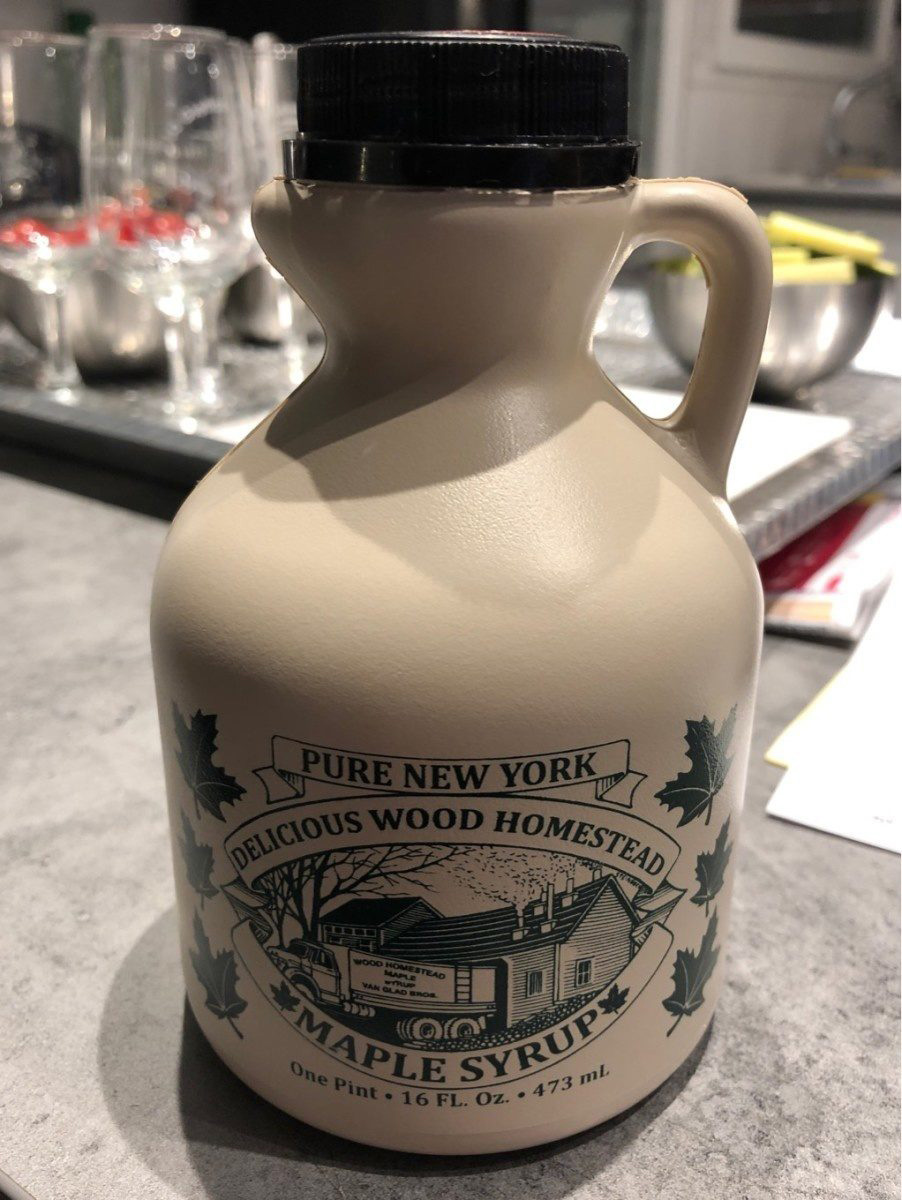
A significant exception to room-temperature storage involves the traditional beige or grey plastic jugs often associated with artisanal maple scenery. Research by the Quebec Maple Syrup Producers (QMSP) Association has demonstrated that these specific containers are not entirely impermeable to oxygen. Over time, oxygen can permeate the plastic, facilitating the growth of mold even if the original seal remains intact. Consequently, industry experts recommend that these specific jugs be stored in the refrigerator from the moment of purchase to prolong the syrup’s shelf life.
Phase 3: Post-Opening Protocols
Once the seal of any maple syrup container is broken, the product is immediately exposed to the environment. Airborne mold spores, which are ubiquitous in residential kitchens, can settle on the surface of the syrup. At this point, room-temperature storage is no longer a viable option. The syrup must be transitioned to a refrigerated environment. While refrigeration slows the metabolic processes of most fungi, it does not stop them entirely. For consumers who do not intend to finish a bulk container within a few months, refrigeration is merely a temporary measure.
Long-Term Preservation Through Cryogenic Storage
For the preservation of maple syrup over durations exceeding six months, freezing is the internationally recognized gold standard for home consumers. Unlike many other food products, maple syrup does not undergo detrimental structural changes when frozen.
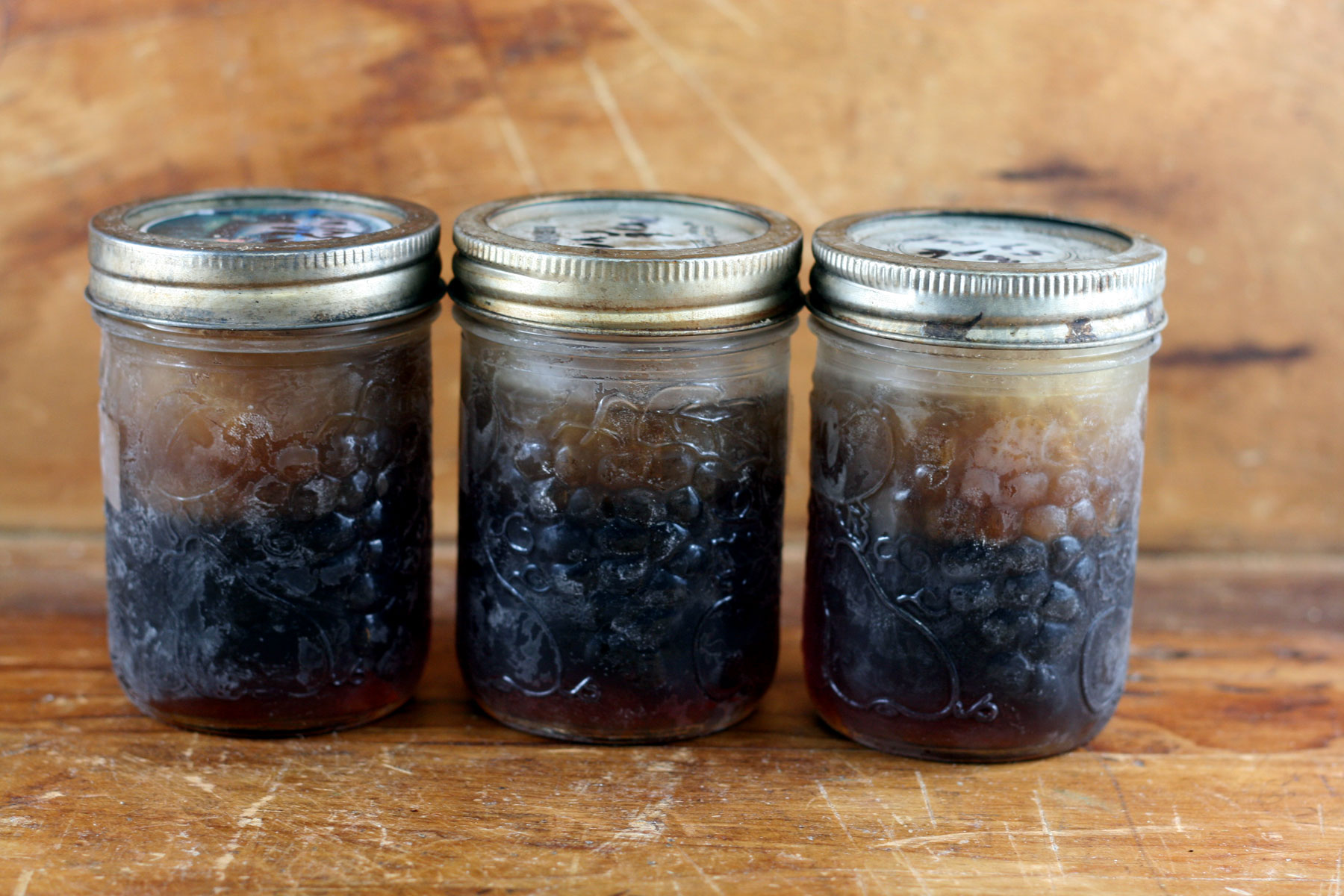
Due to its high sugar concentration, maple syrup does not freeze into a solid block of ice at standard residential freezer temperatures. Instead, it becomes highly viscous, adopting a texture similar to thick honey or molasses. This allows for a unique level of flexibility; consumers can often scoop out the desired amount of "frozen" syrup without needing to thaw the entire container.
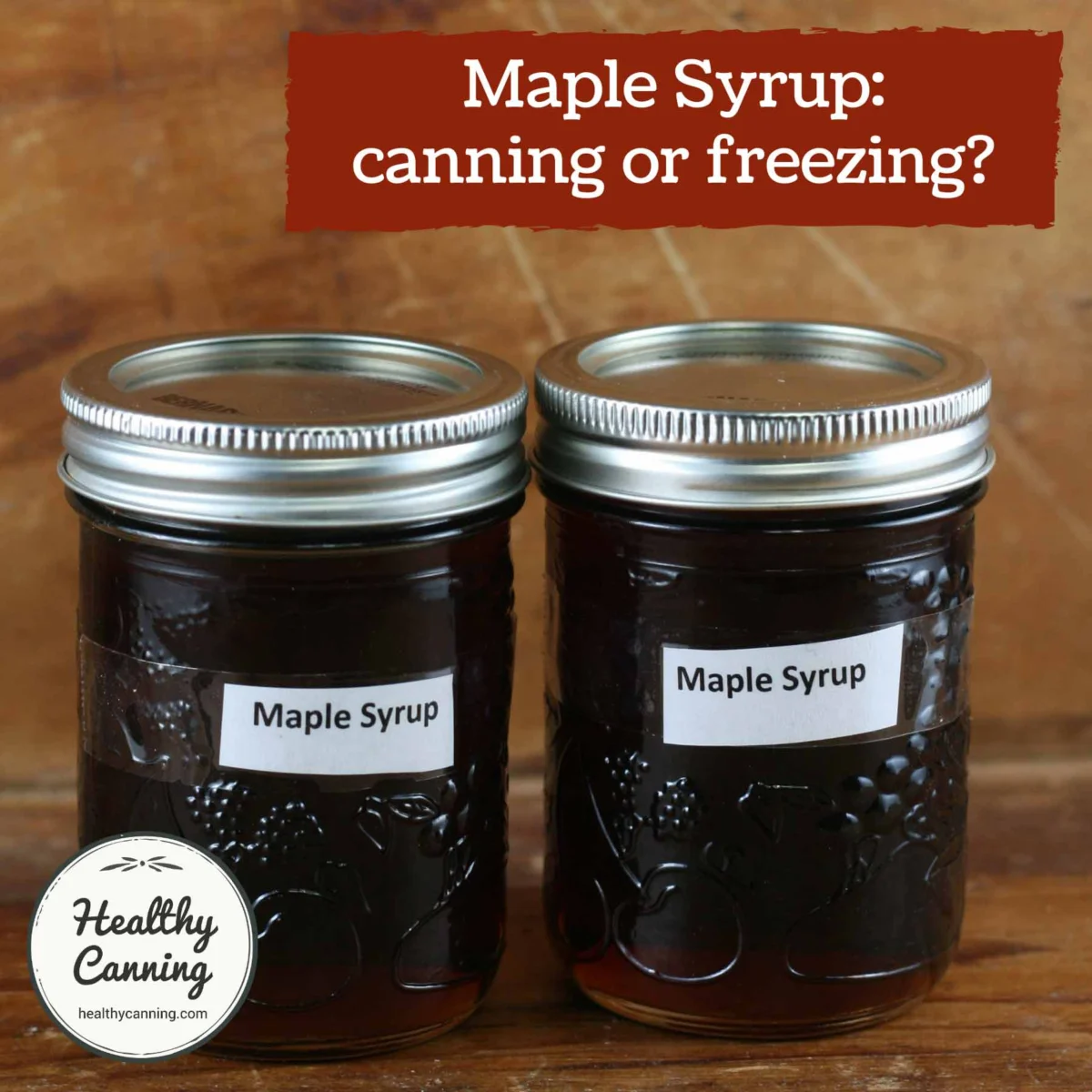
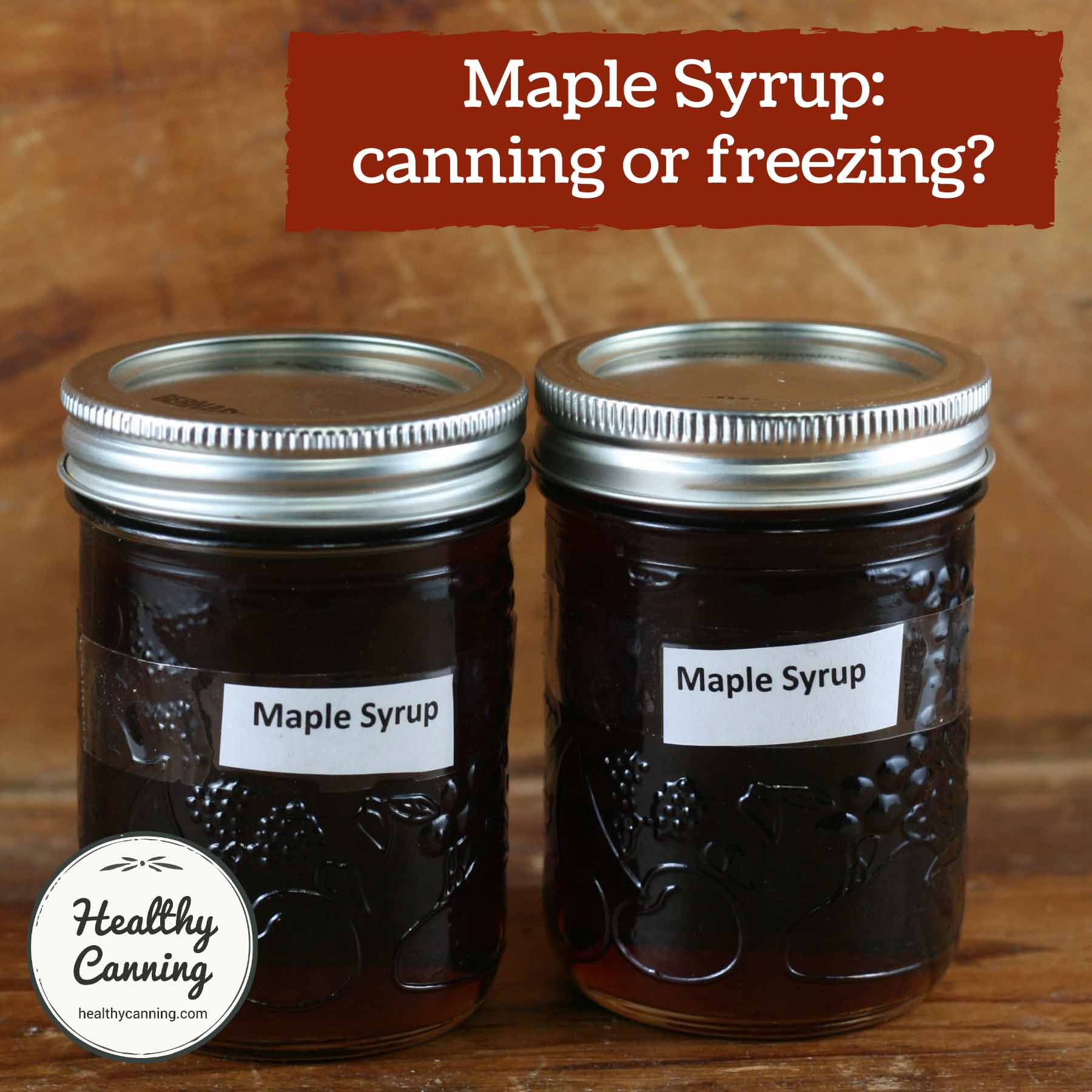
Data from the Vermont Maple Sugar Makers’ Association confirms that maple syrup can undergo multiple freeze-thaw cycles without a loss of quality, provided that any condensation forming on the surface after thawing is stirred back into the liquid to maintain uniform Brix levels. For optimal results, syrup should be transferred into glass Mason jars, leaving at least one inch (2.5 cm) of headspace to account for slight expansion and to minimize oxygen contact. Glass is preferred over plastic for long-term freezing because it is non-porous and does not impart chemical flavors to the syrup over time.
The Technical Challenges of Home Bottling and "Canning"
Many home preservationists attempt to "re-can" bulk maple syrup into smaller jars to facilitate room-temperature shelf storage. However, agricultural extension services, including those from Ohio State University and the University of Maine, generally advise against this practice for hobbyists. The primary concern is not necessarily immediate toxicity, but rather the rapid degradation of quality.
The process of heating syrup for bottling is technically demanding. To achieve a level of "commercial sterility" against mold, the syrup must be heated to a precise window of 82°C to 85°C (180°F to 185°F). If the temperature falls below this range during the filling process, mold spores—particularly heat-resistant strains of Penicillium and Aspergillus—may survive. If the temperature exceeds 90°C (194°F), the syrup may undergo "stack burn," a condition where the syrup continues to cook inside the jar, resulting in a darkened color and a burnt or bitter flavor profile.
Furthermore, high heat causes the precipitation of "sugar sand" or niter—naturally occurring minerals like calcium and magnesium malate. In a commercial setting, this is filtered out using pressurized equipment. In a home setting, this results in a cloudy, unappealing sediment at the bottom of the jar.
Chronological Procedure for Hot-Packing (Industrial Standards Adapted for Home Knowledge)
If a consumer chooses to proceed with hot-packing despite the risks to quality, the following chronology must be strictly observed to minimize spoilage:
- Preparation of Glassware: Glass jars must be pre-heated. Pouring 85°C syrup into a cold glass jar can cause thermal shock, leading to container failure. Furthermore, cold glass can instantly drop the syrup’s temperature below the 82°C threshold required to kill spores.
- Heating the Medium: The syrup is heated slowly until it reaches the 82°C–85°C range. Constant monitoring with a digital thermometer is essential.
- The Filling Stage: Jars are filled to approximately 90% capacity, leaving minimal headspace to limit oxygen availability.
- The Capping and Inversion Phase: Once capped, the jars must be inverted (turned upside down) for five to ten minutes. This ensures that the scalding hot syrup comes into direct contact with the inner surface of the lid and the neck of the jar, which are the most likely sites for mold contamination.
- Rapid Cooling: Unlike traditional canning, where jars are left to cool slowly, maple syrup jars should be cooled quickly after the initial five-minute inversion. Using a fan or placing jars in a well-ventilated, cool area helps prevent "stack burn." However, they must never be submerged in cold water, as this would cause the glass to shatter.
Official Responses and Research Findings on Mold Resistance
The University of Maine Cooperative Extension has conducted significant research into the resilience of fungi in maple products. In a study of 34 contaminated samples, researchers found that most fungal species could survive temperatures of 75°C (167°F) for three minutes. This data underscores why the industry standard is set significantly higher at 82°C.
The Ontario Ministry of Agriculture, Food and Rural Affairs (OMAFRA) has also noted that while hot-packing is the most effective room-temperature strategy, it is not a 100% guarantee of sterility. Some xerophilic molds are specifically adapted to high-sugar environments and can survive the brief heat exposure of the inversion process. This further supports the recommendation that freezing remains the only foolproof method for preventing biological spoilage in a residential setting.
Broader Impact and Consumer Implications
The implications of improper maple syrup storage are both economic and health-related. While many consumers traditionally believe that mold on syrup can simply be "skimmed off" and the syrup re-boiled, food safety experts are increasingly cautious. Certain molds can produce mycotoxins that migrate beneath the surface of the liquid, which are not always destroyed by boiling.
For the modern consumer, the transition toward freezing as the primary storage method represents a shift toward science-based home management. By utilizing the unique physical properties of maple syrup—specifically its high sugar content and low freezing point—households can enjoy the economic benefits of bulk purchasing without the historical risks of spoilage. As the maple industry continues to refine its packaging technologies, the move away from oxygen-permeable plastics in favor of glass and high-barrier synthetics will further assist in maintaining the "liquid gold" of the North American forests for year-round consumption.