
The culinary landscape of American breakfast culture continues to evolve as traditional recipes undergo significant transformations to meet modern dietary requirements and wellness trends. Among these transformations is the revitalization of the Morning Glory muffin, a dense, nutrient-rich staple that has remained a favorite in bakeries and home kitchens for nearly five decades. The latest iteration of this classic treat addresses the growing demand for plant-based and allergen-friendly options, specifically targeting the vegan and gluten-free demographic without sacrificing the complex textures and flavors that defined the original 1978 creation.

The Historical Genesis of the Morning Glory Muffin
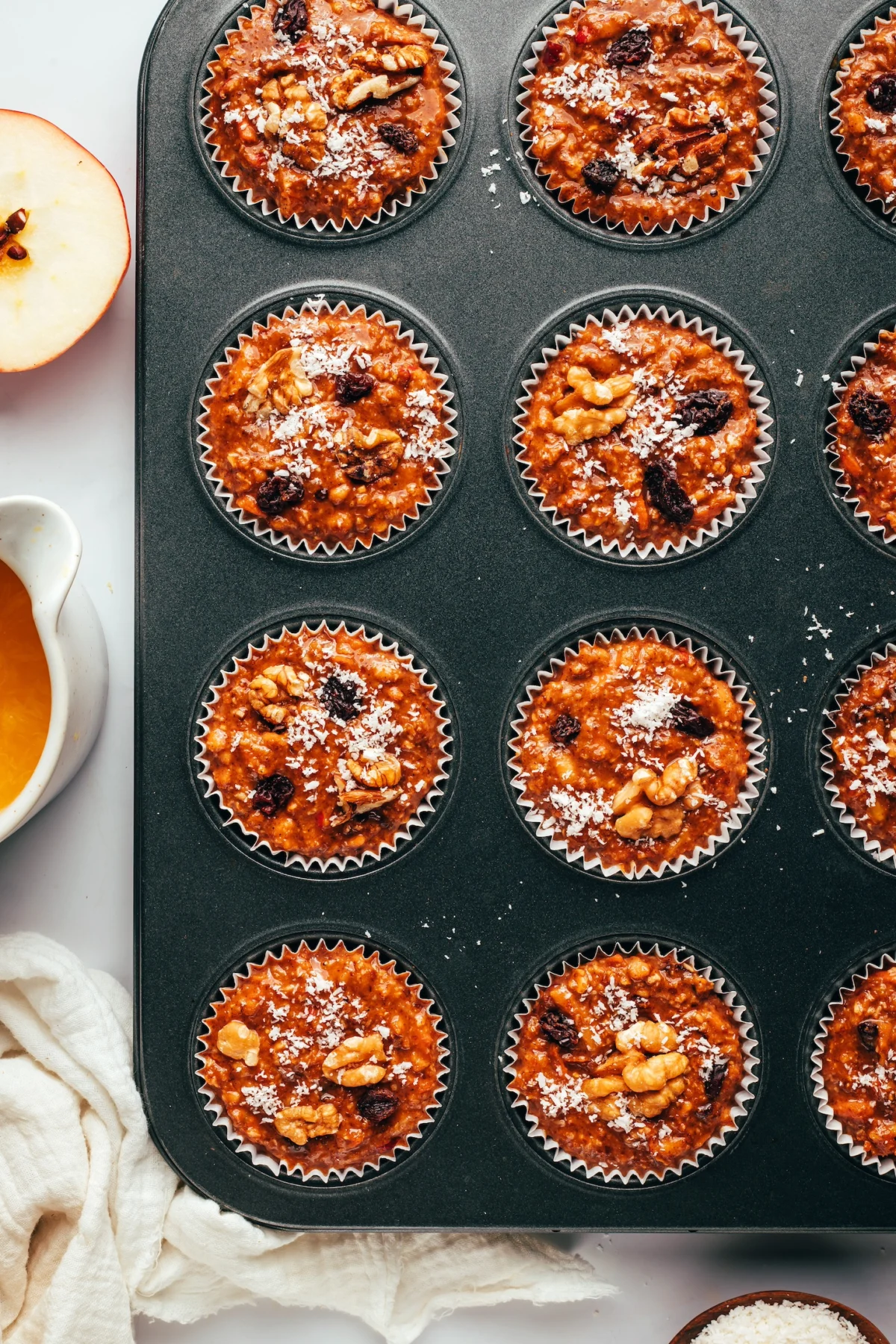
To understand the significance of the modern vegan and gluten-free Morning Glory muffin, one must look back to its origins on Nantucket Island. In 1978, Chef Pam McKinstry created the recipe for her establishment, the Morning Glory Cafe. The muffin was designed to be a "kitchen sink" style pastry, incorporating a diverse array of wholesome ingredients including shredded carrots, apples, raisins, coconut, and nuts.
The recipe gained national prominence in 1981 when it was published in Gourmet magazine. Following its publication, the Morning Glory muffin became a symbol of the burgeoning health-food movement of the late 20th century, which sought to move away from overly processed breakfast items in favor of fiber-dense, fruit-and-vegetable-forward alternatives. While the original recipe utilized standard baking staples such as eggs, vegetable oil, and all-purpose wheat flour, its structural integrity and moisture levels were primarily derived from its heavy inclusion of fresh produce.

Chronology of Culinary Adaptation
The journey from McKinstry’s original recipe to the contemporary vegan and gluten-free version reflects broader shifts in global food science and consumer health awareness.
- 1978–1990s: The Conventional Era. During this period, the recipe relied on animal fats and gluten-based proteins. The primary focus was on the novelty of including vegetables in a sweet breakfast context, similar to the rise of carrot cake and zucchini bread.
- 2000s–2010s: The Rise of Dietary Substitution. As gluten intolerance and celiac disease became more widely diagnosed, home bakers began experimenting with 1:1 flour replacements. However, early gluten-free versions often suffered from a "gummy" texture or excessive crumbliness due to the lack of specialized starch blends.
- 2020–Present: The Sophisticated Plant-Based Movement. Current culinary standards emphasize "whole-food" substitutions. Instead of simply removing gluten and animal products, modern recipes like the one featured here utilize specific chemical interactions—such as the binding properties of flaxseed meal and the moisture-retention capabilities of potato starch—to replicate the traditional crumb.
Technical Ingredient Analysis and Nutritional Profile
The modern vegan and gluten-free Morning Glory muffin is a feat of food engineering, replacing traditional binders with plant-based alternatives that offer comparable structural support.

Structural Binders and Leavening
In the absence of eggs, which provide both lift and structure, this recipe employs a "flax egg" composed of flaxseed meal and orange juice. The mucilage in the flaxseed acts as a thickening agent, while the acidity of the orange juice reacts with the baking soda to provide necessary aeration. This substitution not only makes the muffin vegan but also adds a significant dose of Omega-3 fatty acids and lignans.
Flour Composition
The transition to gluten-free status is achieved through a strategic blend of oat flour and potato starch. Oat flour provides a wholesome, nutty flavor and a significant amount of soluble fiber (beta-glucan), which is known to support heart health. Potato starch is utilized to provide the necessary "stretch" and softness that gluten typically offers, preventing the muffin from becoming overly dense or dry—a common pitfall in gluten-free baking.

The "Glory" Components
The core identity of the muffin remains intact through its high volume of inclusions:
- Carrots and Apples: These provide natural sweetness and essential moisture. From a nutritional standpoint, carrots contribute beta-carotene, while apples provide pectin and vitamin C.
- Walnuts: These offer a textural contrast and healthy fats, contributing to the muffin’s satiety index.
- Raisins and Shredded Coconut: These provide concentrated bursts of sweetness and fiber, allowing for a reduction in refined sugars.
Quantitative Nutritional Data
A single serving of the modern vegan gluten-free Morning Glory muffin contains approximately 244 calories. The macronutrient breakdown includes 11.2 grams of fat (primarily monounsaturated and polyunsaturated from avocado oil and nuts), 35.7 grams of carbohydrates, and 2.5 grams of protein. With 2.8 grams of fiber per muffin, the recipe aligns with dietary recommendations for increased fiber intake, which is often lacking in standard processed breakfasts.

Market Implications and Consumer Trends
The development of high-quality vegan and gluten-free recipes is not merely a niche culinary pursuit but a response to significant market shifts. According to recent market research reports, the global gluten-free food market is projected to grow at a compound annual growth rate (CAGR) of approximately 9.5% through 2030. Similarly, the plant-based food sector has seen a surge in "flexitarian" consumers—individuals who do not strictly follow a vegan diet but seek to reduce their consumption of animal products for environmental or health reasons.
Culinary analysts suggest that the Morning Glory muffin is uniquely positioned for this market. Unlike traditional cupcakes or muffins that rely on sugar and butter for their appeal, the Morning Glory muffin’s value proposition is its "wholesome" nature. By removing gluten and animal products, developers have removed the final barriers for health-conscious consumers who require specific dietary accommodations.

Preparation Methodology: The One-Bowl Innovation
One of the most significant advancements in the modern recipe is the move toward the "one-bowl" method. Historically, complex muffins required the separate aeration of eggs and sugar and the careful folding of dry ingredients into wet. The current iteration simplifies this process into a streamlined sequence:
- Hydration Phase: Orange juice and flaxseed meal are combined first to allow for full hydration of the flax fibers.
- Emulsification: Avocado oil and almond milk are added to the flax mixture, creating a stable liquid base.
- Integration of Soluble Solids: Coconut sugar and spices are dissolved into the liquid to ensure even distribution.
- Bulk Incorporation: The flours and produce (grated carrots and apples) are folded in. The use of a box grater for the produce is essential for maintaining the "shredded" texture that defines the muffin’s interior.
- Thermal Processing: Baking at a standard 350°F (176°C) for approximately 20 minutes allows the potato starch to gelatinize and the oat flour to set, resulting in a tender crumb.
Expert Perspectives and Culinary Reactions
Professional bakers note that the removal of almond flour—a common staple in gluten-free baking—is a strategic move in this specific recipe. While almond flour provides moisture, it can often lead to a "heavy" or oily texture. By relying on oat flour and potato starch, the recipe achieves a "lighter" and more "bread-like" quality that more closely mimics the original Nantucket version.

Dietitians have reacted positively to the inclusion of avocado oil as the primary fat source. Unlike traditional vegetable oils or butter, avocado oil has a high smoke point and a favorable profile of heart-healthy monounsaturated fats. Furthermore, the use of coconut sugar, which has a slightly lower glycemic index than refined white sugar, provides a more sustained energy release, making the muffin a viable option for a functional breakfast.
Broader Impact on Home Baking and Wellness Culture
The democratization of complex dietary recipes through platforms like Minimalist Baker has empowered home cooks to manage food sensitivities without compromising on quality. The Morning Glory muffin serves as a case study in how traditional American cuisine can be preserved through adaptation.

As society moves toward a more inclusive understanding of food—where "dietary restrictions" are viewed as opportunities for ingredient innovation—recipes like these play a crucial role. They bridge the gap between the nostalgic comfort foods of the 1970s and the science-backed nutritional requirements of the 2020s.
In conclusion, the vegan and gluten-free Morning Glory muffin is more than a simple breakfast item; it is a refined culinary product that represents the intersection of history, food science, and modern health trends. By maintaining the spirit of Pam McKinstry’s original vision while utilizing contemporary plant-based techniques, this recipe ensures that the "Morning Glory" tradition will continue to thrive in the kitchens of a new generation.