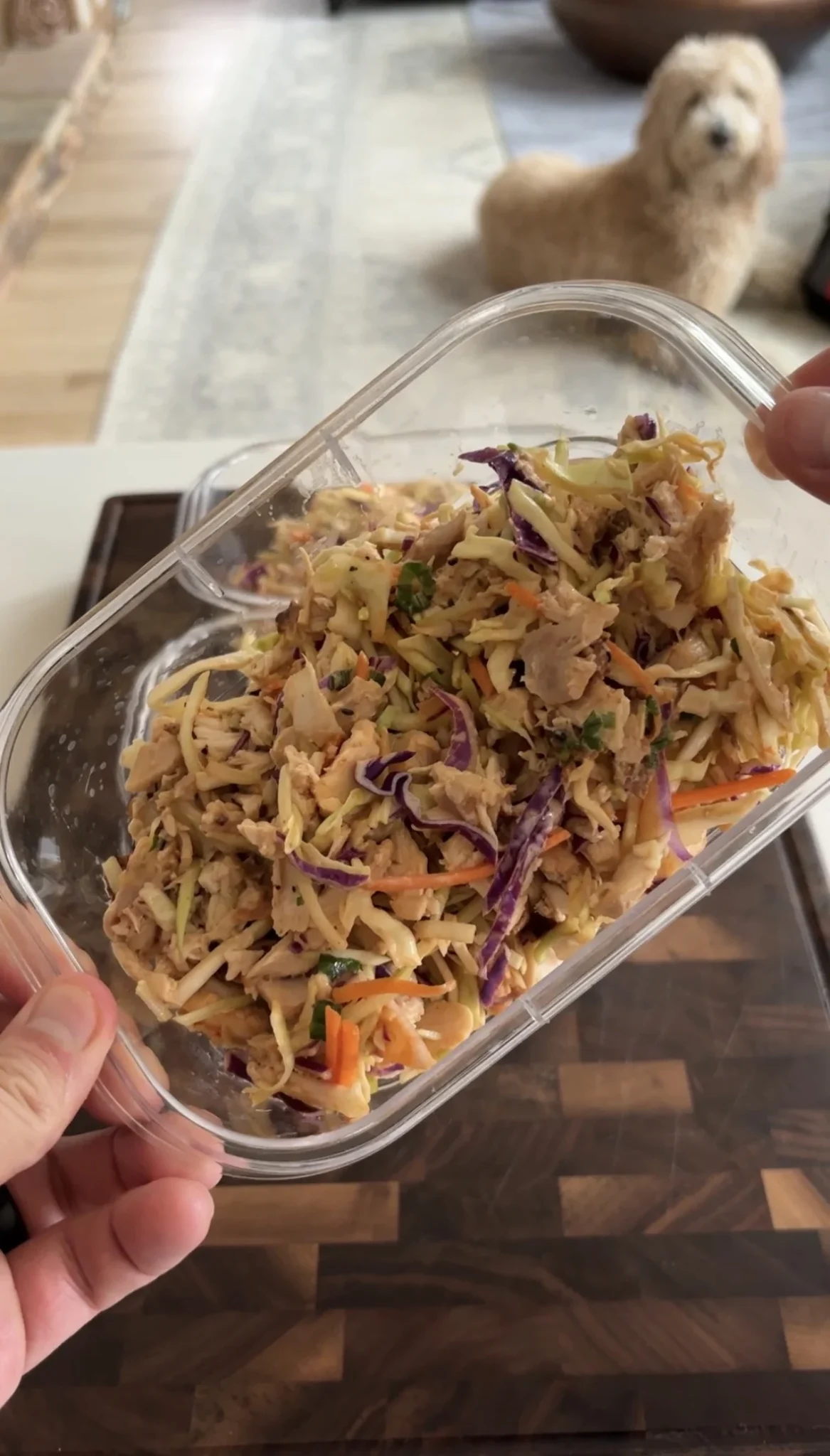

In the ever-evolving landscape of culinary trends and budget-friendly meal solutions, a seemingly simple yet remarkably effective recipe has captured the attention of home cooks and meal prep enthusiasts alike. This "Rotisserie Chicken Asian Salad," originating from a viral Costco chicken bowl trend, offers a high-protein, low-effort, and cost-effective lunch option that promises to keep consumers satisfied without breaking the bank. The key innovation lies in its strategic substitution of traditional leafy greens with a crunchy coleslaw mix, a tweak that significantly enhances its longevity and textural integrity, making it an ideal candidate for weekly meal preparation.
This culinary hack, championed by creators focused on practical and repeatable meal solutions, addresses a common pain point for many: the high cost and often insufficient satiety of pre-made lunches purchased from restaurants or delis. With an estimated protein content of 46 grams per serving and a minimal preparation time, this dish has emerged as a go-to for those seeking a nutritious and filling midday meal. Its appeal is amplified by the fact that it requires no cooking, leveraging the convenience of pre-cooked rotisserie chicken to eliminate significant prep and cleanup time.
The Rise of the Rotisserie Chicken Hack
The initial spark for this meal prep sensation can be traced back to the widespread popularity of utilizing pre-cooked rotisserie chickens from major retailers like Costco. These birds, known for their affordability and convenience, have become a staple for busy individuals and families looking for a quick protein source. The "bowl" format, which typically involves layering a protein with grains, vegetables, and a dressing, has been a recurring theme in online food communities for years. However, this particular iteration has gained traction due to its specific adaptation for meal prep.
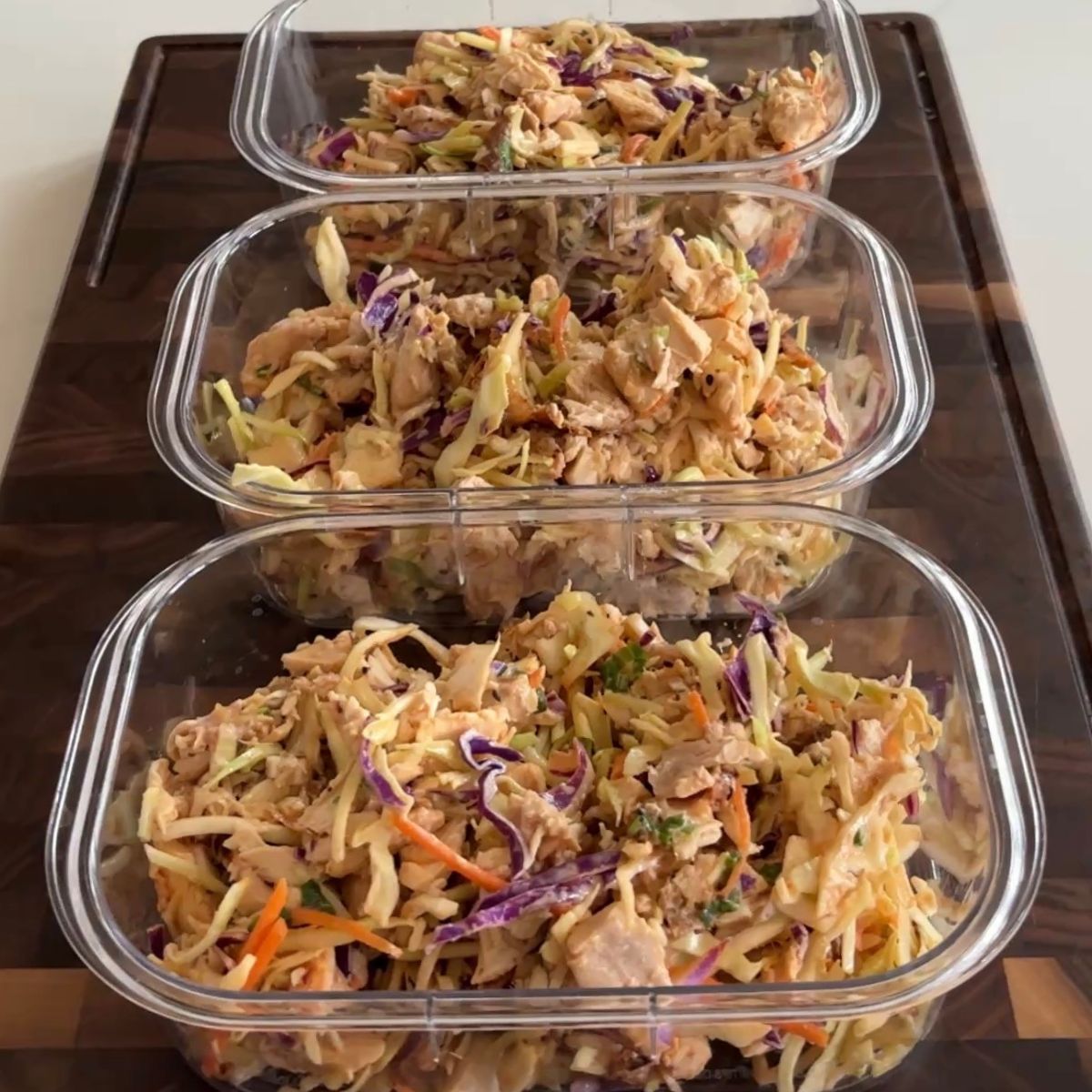
The pivotal modification, the use of coleslaw mix (shredded cabbage and carrots) instead of lettuce, addresses a critical challenge in meal prepping salads: sogginess. Leafy greens tend to wilt and release moisture when dressed and stored for several days, compromising the texture and appeal of the salad. Coleslaw mix, on the other hand, possesses a robust structure that holds up exceptionally well over time, retaining its satisfying crunch. This simple substitution transforms a potentially disappointing meal prep into a reliably fresh and appetizing option.
Nutritional Prowess and Practical Advantages
The nutritional profile of the Rotisserie Chicken Asian Salad is a significant draw. Each serving delivers approximately 46 grams of protein, a macronutrient crucial for satiety, muscle repair, and overall metabolic function. This high protein content directly combats the post-lunch slump often experienced with less substantial meals, contributing to sustained energy levels throughout the afternoon.
Beyond its protein payload, the recipe’s practicality shines. The reliance on a pre-cooked rotisserie chicken drastically reduces active cooking time and the associated cleanup. This "no-cook" aspect is a major advantage for individuals with demanding schedules or limited kitchen facilities. Furthermore, the recipe’s inherent flexibility allows for easy adjustment of macronutrient profiles. For those requiring increased carbohydrate intake, adding cooked rice is a straightforward modification. Similarly, dietary preferences or calorie targets can be met by swapping traditional mayonnaise for lighter alternatives in the dressing.
A Deep Dive into the Recipe and Its Components
The core of this meal prep solution is its simplicity and the quality of its readily available ingredients. The recipe, designed to yield three substantial servings, typically includes:
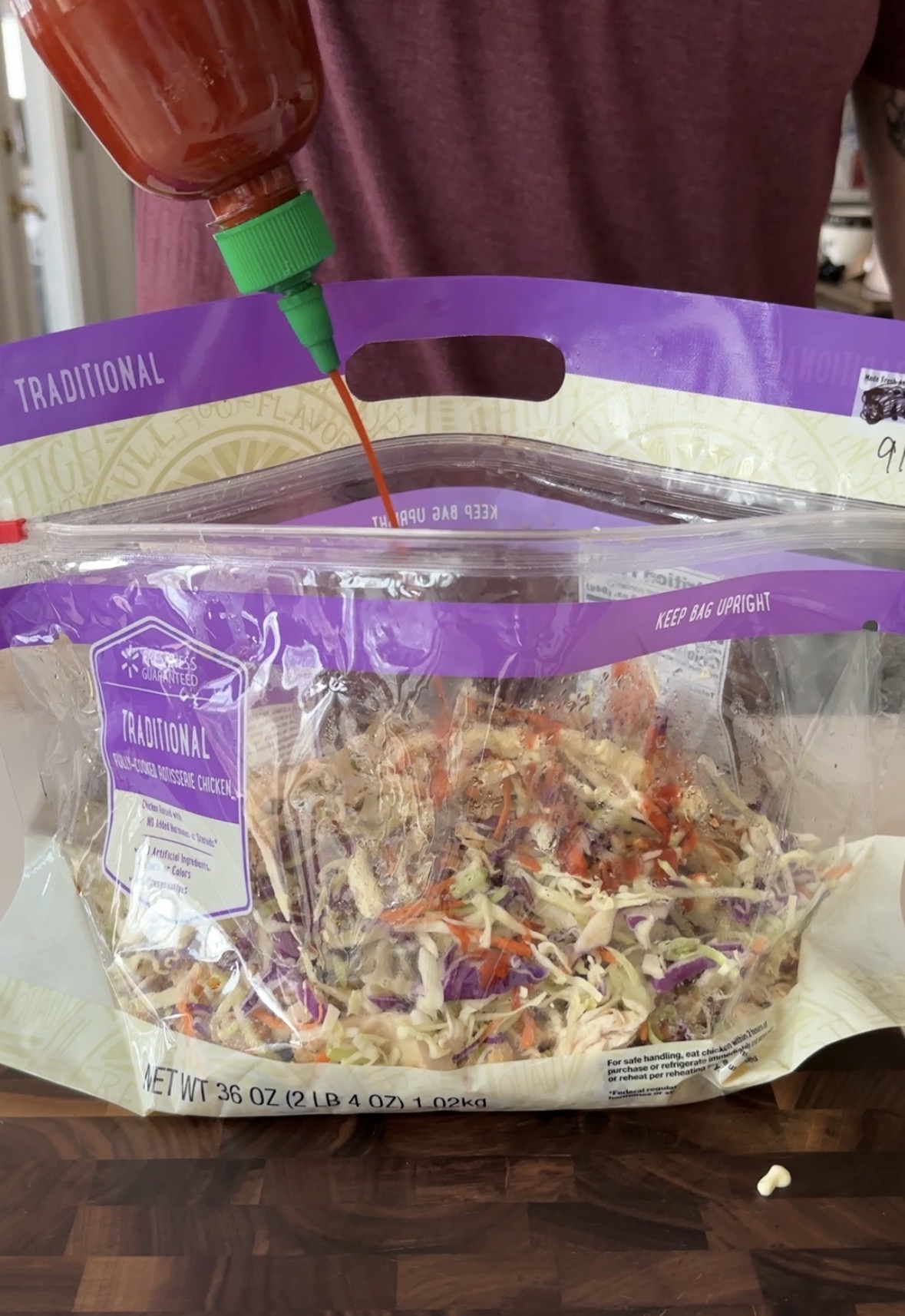
- Rotisserie Chicken: The star ingredient, providing a lean and flavorful protein base. Approximately 2 cups of shredded or diced chicken are generally recommended per batch of three servings.
- Coleslaw Mix: A convenient blend of shredded cabbage and carrots, forming the foundation of the salad and contributing significant crunch and fiber. A standard 10-12 ounce bag is often sufficient for three servings.
- Dressing: A critical element for flavor and moisture. A common base for an Asian-inspired dressing includes mayonnaise, soy sauce (or tamari for a gluten-free option), rice vinegar, sesame oil, and a touch of sweetener like honey or maple syrup. Garlic and ginger can be added for extra zest.
- Optional Additions: To enhance texture, flavor, and nutritional diversity, a range of optional ingredients can be incorporated. These often include sliced almonds, sesame seeds, chopped green onions, diced bell peppers, edamame, or mandarin oranges.
The preparation instructions are remarkably straightforward, underscoring the recipe’s efficiency:
- Prepare the Chicken: Shred or dice the meat from a pre-cooked rotisserie chicken.
- Combine Base Ingredients: In a large bowl, combine the shredded chicken and the coleslaw mix.
- Whisk the Dressing: In a separate smaller bowl, whisk together the dressing ingredients until well emulsified.
- Dress the Salad: Pour the dressing over the chicken and coleslaw mixture. Toss thoroughly to ensure even coating.
- Add Optional Ingredients: Incorporate any desired optional additions, such as nuts, seeds, or vegetables.
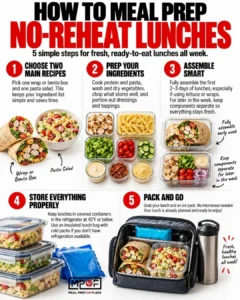
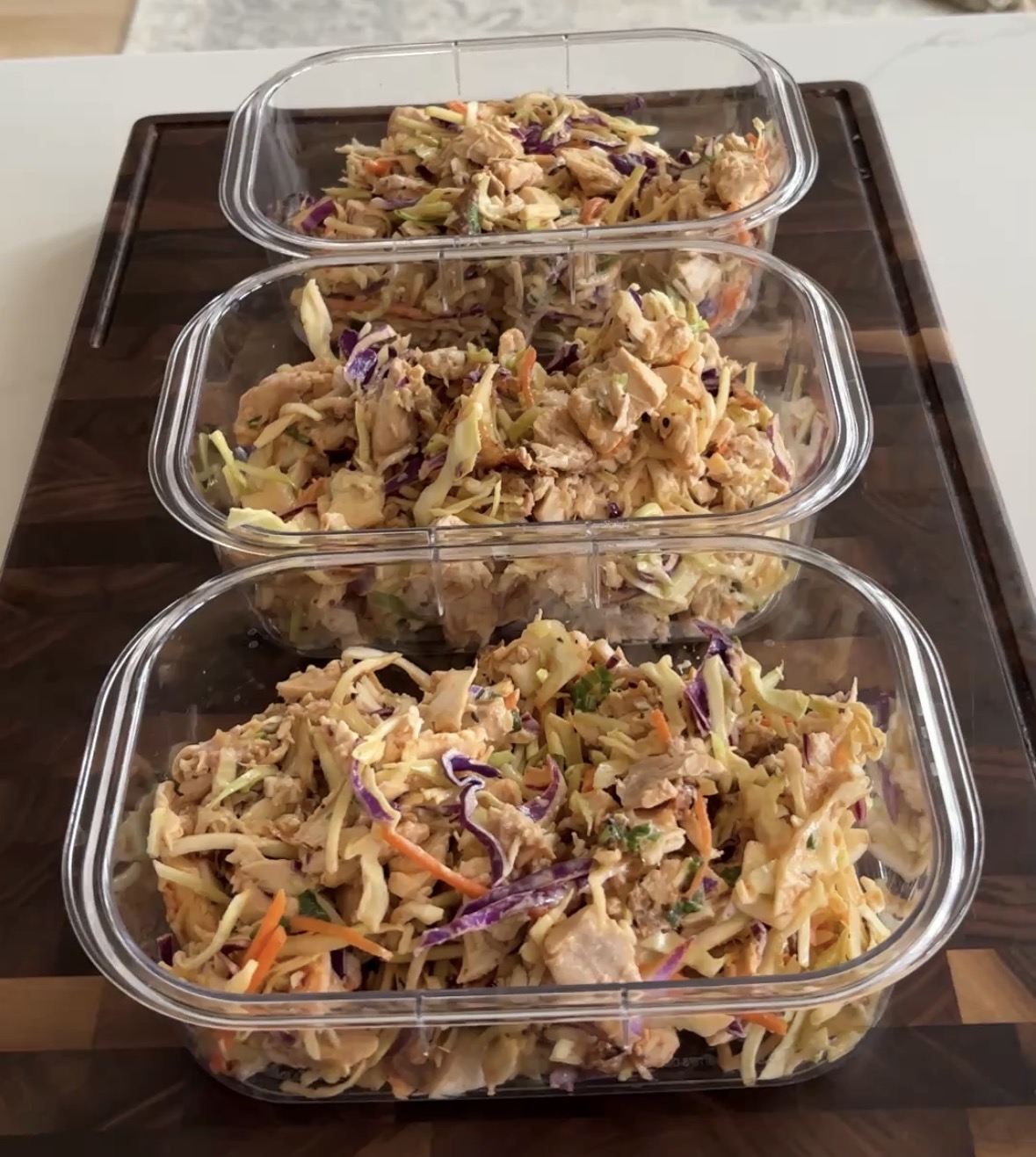
- Portion and Store: Divide the salad into three airtight containers for easy meal prep.
The recipe also provides detailed nutritional information, with approximate values per serving, excluding any optional additions like rice. These figures typically highlight the substantial protein content, moderate fat, and relatively low carbohydrate count, making it suitable for various dietary goals.
Adapting for Enhanced Nutritional Needs
For individuals with higher energy demands, such as athletes or those aiming for a calorie surplus, the recipe offers a simple pathway to increase carbohydrate intake. Adding approximately one cup of cooked white rice to each serving can significantly boost the carbohydrate content, providing the necessary fuel for intense training or sustained physical activity. This adaptation transforms the salad into a more complete meal, balancing macronutrients to support diverse physiological needs.
Storage and Reheating Strategies
The longevity of this meal prep is a key selling point. Stored in airtight containers in the refrigerator, the Rotisserie Chicken Asian Salad can maintain its freshness and appealing texture for up to four days. This extended shelf life is directly attributable to the use of the coleslaw mix, which resists the wilting that plagues lettuce-based salads.
When it comes to reheating, two primary options are presented, catering to different preferences:
- Cold: The salad can be enjoyed directly from the refrigerator, offering a refreshing and convenient option.
- Slightly Warmed: For those who prefer a warm meal, the salad can be gently heated. It is recommended to warm the chicken and coleslaw mixture briefly to avoid overcooking the vegetables. If rice has been added, it is best to heat it separately and then combine it with the salad just before serving to maintain optimal texture for both components.
Customization: A Canvas for Culinary Creativity
The Rotisserie Chicken Asian Salad serves as an excellent base for culinary experimentation. Its adaptable nature allows for a wide array of flavor profiles and ingredient substitutions, ensuring that meal prep remains exciting and personalized. Potential customization ideas include:
- Vegetable Variations: Incorporating ingredients like shredded carrots, red cabbage, snap peas, broccoli florets, or even shredded Brussels sprouts can add further nutritional value and textural interest.
- Protein Boosts: While rotisserie chicken is the primary protein, adding elements like edamame or a sprinkle of toasted sunflower seeds can further enhance protein and healthy fat content.
- Flavor Enhancements: For those seeking a spicier kick, a dash of sriracha or red pepper flakes can be added to the dressing. A squeeze of fresh lime juice can provide a brighter, more zesty flavor profile.
- Dressing Alternatives: For a lighter version, Greek yogurt can be substituted for some or all of the mayonnaise. Alternatively, a peanut-based dressing or a ginger-sesame vinaigrette can offer a different flavor dimension.
Addressing Common Queries
The popularity of this meal prep hack has naturally led to several frequently asked questions, highlighting common concerns and offering further clarification:
- Chicken Thighs vs. Breast: While chicken thighs can be used, it’s important to note that they have a higher fat content, which will alter the nutritional macros. Pre-cooked chicken thighs are also less commonly found in bulk from retailers like Costco compared to whole rotisserie chickens.
- Gluten-Free Adaptability: The recipe is easily made gluten-free by using gluten-free soy sauce or tamari in the dressing.
- Freezing Potential: This meal prep is not suitable for freezing. The texture of the vegetables, particularly the cabbage and carrots, will degrade significantly upon thawing, resulting in a mushy consistency. Refrigeration for up to four days is the recommended storage method.
This Rotisserie Chicken Asian Salad exemplifies how simple, readily available ingredients and a clever modification can lead to a highly effective and popular meal prep solution. Its balance of protein, convenience, and adaptability makes it a standout choice for anyone looking to streamline their weekday lunches without compromising on taste or nutritional value.