
Culinary science, once relegated to obscure academic journals and high-end industrial laboratories, has firmly established itself as a mainstream literary genre. Following a protracted hiatus in book reviews from notable food-science blogs such as Khymos—which had previously paused its comprehensive roundups after 2013—the year 2020 marked a renaissance for publications exploring the intersection of physics, chemistry, and cooking. This resurgence reflects a broader cultural shift toward empirical cooking, where home cooks and professional chefs alike seek to understand the molecular mechanisms underlying flavor development, thermal transfer, and sensory perception.
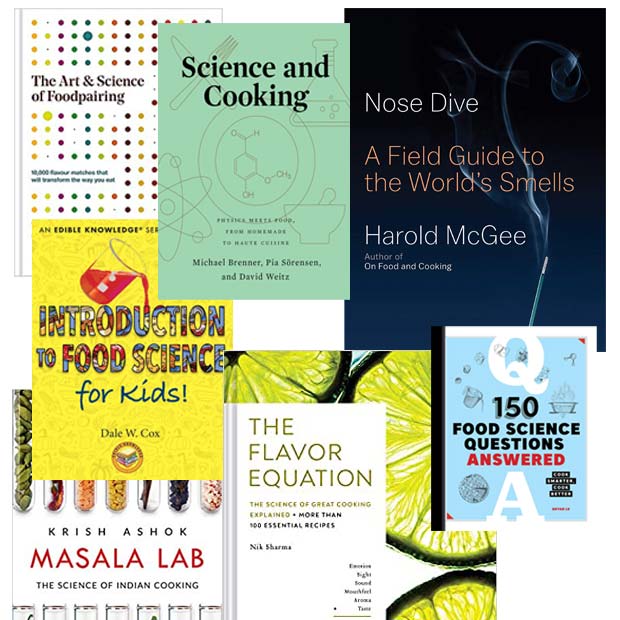
The publication boom of 2020 introduced a diverse array of texts that bridge the gap between rigorous scientific inquiry and accessible kitchen application. Far from dry academic textbooks, these modern culinary guides offer practical experimentation, demystifying traditional techniques and providing a robust framework for contemporary gastronomy.
The Evolution of Culinary Science in Publishing
To understand the significance of the 2020 literary wave, one must examine the chronology of culinary science publishing. For decades, home cooking relied heavily on institutional recipe collections, culinary folklore, and inherited wisdom. The paradigm shifted dramatically toward the end of the 20th century, catalyzed by pioneering works such as Harold McGee’s seminal 1984 text, On Food and Cooking: The Science and Lore of the Kitchen. McGee’s meticulous breakdown of food chemistry laid the groundwork for the molecular gastronomy movement of the 1990s and 2000s, popularized by chefs like Ferran Adrià and Heston Blumenthal.
Throughout the 2010s, the genre evolved from niche experimental cookbooks into comprehensive educational curricula. Universities began formalizing the discipline, most notably through Harvard University’s Science and Cooking general education course, launched in 2010 by physicists Michael Brenner, Pia Sørensen, and David Weitz. By 2020, the demand for accessible food science reached a critical mass, prompting a surge of new titles that addressed everything from sensory neuroscience and regional spice chemistry to kitchen safety and culinary education for children.
Key Publications of 2020: Bridging Science and the Plate
The 2020 publishing landscape featured several landmark texts, each approaching the science of food from a distinct methodological perspective.
Flavor Dynamics and Multisensory Perception
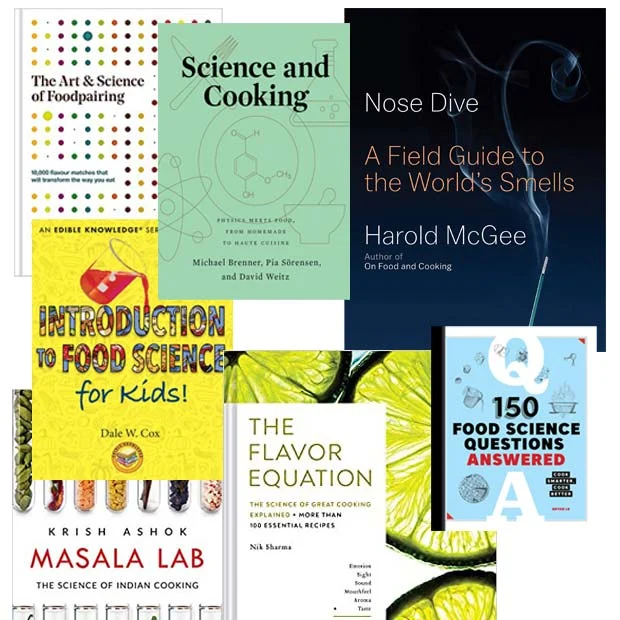
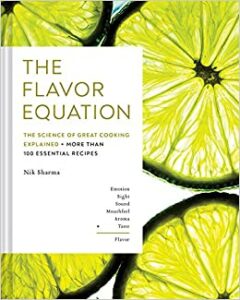
Among the standout releases was The Flavor Equation by Nik Sharma (352 pages, 2020). Sharma’s work integrates approximately 100 recipes with fundamental principles of food science, utilizing a recurring feature titled “The Flavor Approach” to explain the biochemical reasons behind successful ingredient pairings. Approximately one-third of the text is dedicated to exploring flavor from multiple perspectives—including visual, olfactory, and gustatory elements—while maintaining an accessible tone and adopting metric units for international precision.
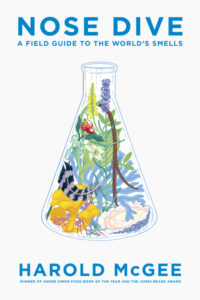
Expanding further into the realm of human sensory perception, Harold McGee returned with Nose Dive: A Field Guide to the World’s Smells (688 pages, 2020). Unlike his previous encyclopedic kitchen guides, this volume is devoted entirely to volatile organic compounds and olfaction across both culinary and non-culinary environments. By cataloging the molecular origins of everyday aromas, McGee provides readers with a profound understanding of how the human olfactory system interacts with the environment, reinforcing the principle that flavor is fundamentally driven by smell.
Academic Rigor Meets Practical Application
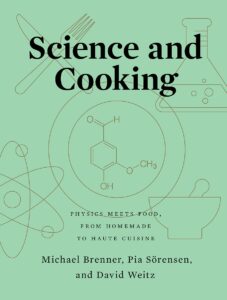
The academic sector made a significant contribution to the consumer market with Science and Cooking: Physics Meets Food, From Homemade to Haute Cuisine (320 pages, 2020), authored by Harvard professors Michael Brenner, Pia Sørensen, and David Weitz. Drawing from a decade of pedagogical experience in their renowned undergraduate lecture series—which has featured guest contributions from world-class chefs, physicists, and food historians—the authors synthesize applied mathematics, physics, and chemistry into actionable kitchen protocols. Complete with metric measurements, the book serves as both a theoretical textbook and a practical manual.
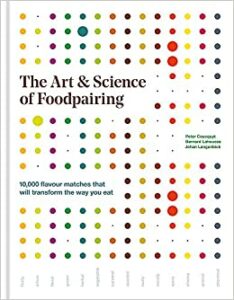
Similarly, the controversial yet influential domain of computational flavor chemistry was codified in The Art and Science of Foodpairing (388 pages, 2020) by Peter Coucquyt, Bernard Lahousse, and Johan Langenbick. Stemming from pioneering work showcased at international forums such as Belgium’s Flemish Primitives conferences, the book compiles empirical data from the Foodpairing company. It maps out molecular links between disparate ingredients, offering professional chefs and adventurous home cooks a scientifically driven roadmap for innovative recipe development.
Regional Adaptation and Educational Outreach
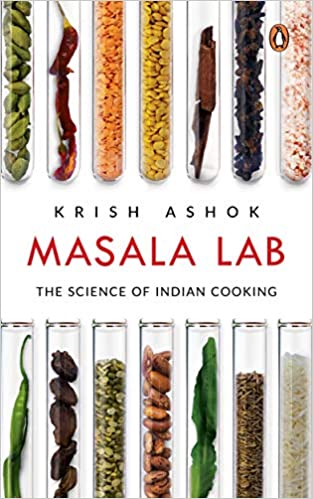
An important development in the 2020 literature was the democratization of food science across diverse culinary traditions. In Masala Lab (280 pages, 2020), author Krish Ashok—an electronic and software engineer by trade—applies rigorous first-principles thinking to traditional Indian regional cooking. By demystifying the chemical behavior of spices, fats, and thermal processing in subcontinental dishes, Ashok’s work addresses a historical gap in culinary literature, which has traditionally centered on Western European techniques.
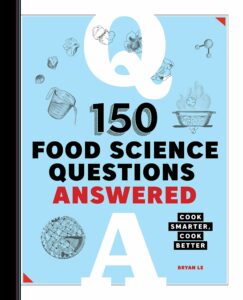
For readers seeking foundational knowledge, Bryan Le’s 150 Food Science Questions Answered: Cook Smarter, Cook Better (198 pages, 2020) adopts a Q&A format. Organized into chapters covering cooking basics, flavor principles, ingredient categories, and food safety, Le’s book functions as a quick-reference guide designed to build confidence in everyday kitchen management.
Finally, the integration of science into education manifested strongly in Dale W. Cox’s Introduction to Food Science for Kids!: A Kitchen-Based Workbook (112 pages, 2020). By utilizing the domestic kitchen as an accessible laboratory, the workbook introduces children to basic chemical and physical transformations through guided, hands-on experimentation.
Analysis of Implications and Industry Impact
The proliferation of these texts points to a permanent shift in how culinary knowledge is consumed and applied. The inclusion of metric units, molecular breakdowns, and rigorous cross-disciplinary approaches—spanning engineering, physics, and biochemistry—signals that modern consumers demand transparency and precision in the kitchen.
Furthermore, the diversification of food science literature to include non-Western culinary traditions, such as Ashok’s exploration of Indian cuisine, indicates a maturing global market. No longer restricted to elite avant-garde restaurants, culinary science has become a vital toolkit for everyday home cooking. As educational institutions and independent researchers continue to demystify the chemistry of nutrition and flavor, the boundary between the laboratory and the domestic stove will continue to blur, fostering a more informed, creative, and scientifically literate culinary culture.