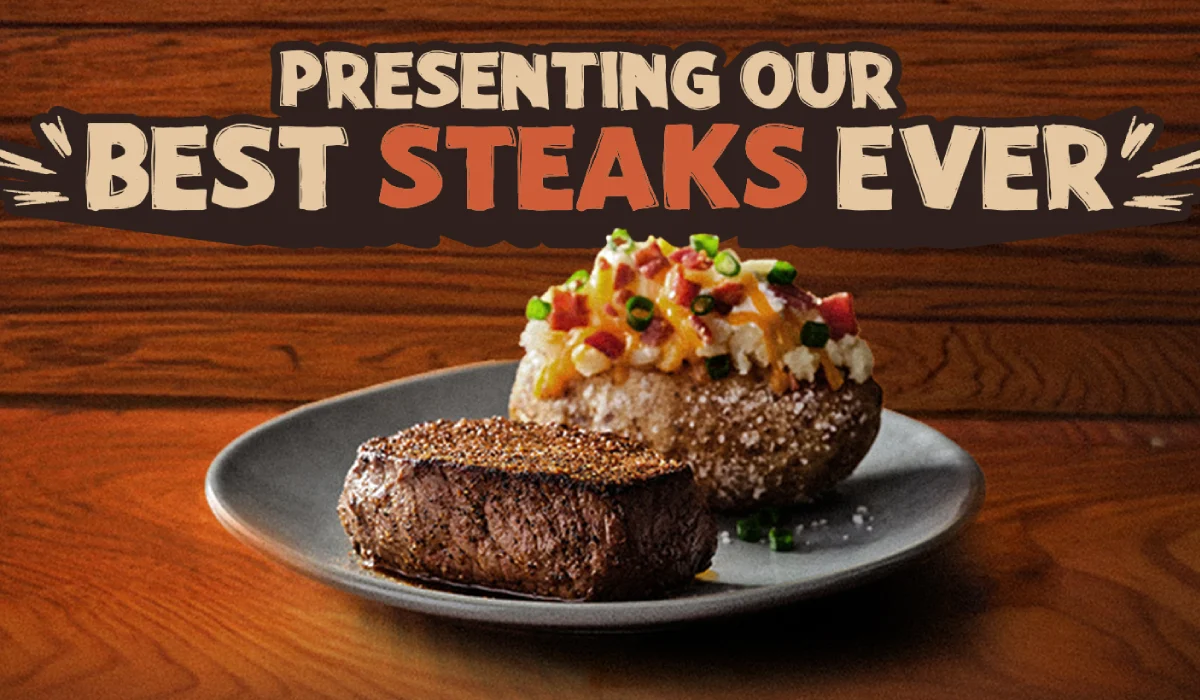

Outback Steakhouse, a prominent player in the American casual-dining sector, has officially rolled out its most comprehensive menu and operational overhaul in nearly four decades. Titled the "Best Steaks Ever" initiative, the nationwide program represents the culmination of roughly two years of intensive research, supply chain refinement, and employee training. Backed by a substantial financial commitment from parent company Bloomin’ Brands, the campaign seeks to redefine the consumer experience by focusing on the core product that established the brand’s market identity: premium beef.
The strategy arrives at a critical juncture for the casual-dining industry, which faces shifting consumer demographics, rising food costs, and heightened competition from both fast-casual establishments and high-end steakhouses. By modernizing its approach to sourcing, trimming, seasoning, and grilling, Outback aims to solidify its competitive edge while courting both legacy patrons and a younger generation of diners.
A Multi-Year Strategy Rooted in Financial Investment
The foundations of the "Best Steaks Ever" initiative were laid late last year when Bloomin’ Brands announced a $75 million, three-year turnaround strategy designed to revitalize the Outback brand experience. Within that broader financial commitment, $25 million was explicitly earmarked for menu redesign and steak excellence.
Industry analysts note that major restaurant chains increasingly rely on targeted capital investments to combat foot-traffic stagnation. For Outback, the decision to direct capital toward product enhancement rather than deep discounting reflects a broader industry trend toward value perception driven by quality rather than bargain pricing.
The two-year development period leading up to the launch involved a complete audit of the supply chain. Executives, food scientists, and culinary specialists worked backward from the restaurant kitchen to the pasture, collaborating directly with ranchers, farmers, and professional butchers. These partnerships enabled the chain to tighten specifications regarding marbling, weight, and cut uniformity, ensuring that a guest ordering a specific portion receives a consistent product regardless of geographic location.
Culinary Enhancements: New Cuts and Innovative Cooking Techniques
At the center of the menu overhaul are two significant additions to the permanent lineup: the Down Under Delmonico Ribeye and the New York Strip.
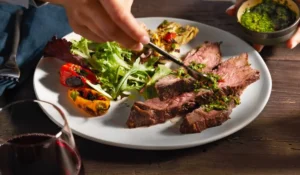
The Delmonico Ribeye, in particular, showcases a departure from traditional preparation methods. Known for its rich marbling and complex flavor profile, the thick-cut steak features three distinct muscles that contribute varied textures and tastes. To maximize the cut’s attributes, Outback introduced a proprietary seasoning blend and transitioned to an open-flame char grill for this specific item. This method diverges from the chain’s traditional flat-top griddle preparation, utilizing direct flame to create a caramelized exterior that contrasts with the tender interior.
Alongside these new offerings, the culinary team re-engineered classic staples, including Victoria’s Barrel-Cut Filet Mignon, the Outback Center-Cut Sirloin, and the Rockhampton Ribeye. Chef Efrem Cutler, who was recently appointed chief steak officer after 18 years with the company, emphasized that the improvements are designed to be felt across the entire menu rather than restricted to premium selections.
"You can have a great meal. You can have a good meal. Well, we’re spending so much time and attention and focus to sourcing, trimming, tighter specs, ensuring that our guests, if you order a 15-ounce ribeye, it’s a 15-ounce ribeye," Cutler stated during the rollout.
Bridging the Knowledge Gap Through Staff Training
Recognizing that superior sourcing and preparation must be communicated effectively to the consumer, Outback paired its culinary upgrades with an expansive front-of-house training program. Internal research cited by the company revealed a notable hurdle in the dining public: only 41 percent of American consumers express confidence in their understanding of the differences between various steak cuts and terminology.
To address this gap, Outback instituted mandatory education for both kitchen teams and service staff, encouraging employees to adopt a "steak obsessed" mentality. Servers are now trained to act as culinary guides, helping patrons navigate the menu by identifying individual preferences regarding marbling, juiciness, tenderness, and beef flavor intensity.
Additionally, the brand introduced a visual steak temperature guide designed to alleviate the intimidation often associated with ordering meat doneness. By allowing guests to point to a visual reference rather than relying solely on industry jargon like "medium-rare" or "medium," the chain aims to make the fine-dining element of steakhouses more accessible.
Physical and Digital Menu Redesign
Accompanying the staff education initiative is a complete redesign of the physical menu. Steaks have been given heightened visual and spatial prominence, arranged to guide customers logically through cuts, cooking styles, and customizable flavor additions—such as chimichurri sauce and roasted garlic toppings.
The redesign is intentionally structured to encourage longtime patrons to venture beyond their usual orders. By spotlighting new preparation methods and flavor pairings, Outback hopes to increase average guest check sizes while enhancing overall satisfaction.
Marketing and Consumer Engagement
To build momentum around the launch, Outback integrated an interactive experiential marketing campaign dubbed "Spokesbooth." Deployed at select restaurant locations, the booth invites diners to record unscripted, immediate reactions to the improved steak offerings. Selected video clips are slated for integration into the chain’s digital platforms and broader upcoming advertising campaigns.
According to Becky Boyd, senior director of food and beverage innovation, the marketing strategy seeks to lean into the brand’s distinct cultural positioning. "The steak is definitely a star. But we think the Outback experience is one that is different as well," Boyd noted, highlighting the company’s unique blend of relaxed hospitality and culinary seriousness. "You’re going to have a server that can walk you through the steak experience if you want them to, or you come in and you know exactly what you want the way you want it. There are no rules at Outback Steakhouse."
Broader Industry Implications and Outlook
The success of Outback’s $25 million investment will serve as a key case study for the casual-dining sector’s ongoing post-pandemic recovery. As operators grapple with persistent labor pressures and commodity cost fluctuations, balancing elevated food quality with accessible pricing remains a delicate operational challenge.
By focusing on holistic value—combining premium sourcing, rigorous employee training, and customizable dining experiences—Outback is positioning itself to capture market share from competitors reliant on promotional discounting. Whether the "Best Steaks Ever" campaign successfully drives long-term traffic and brand loyalty will depend on execution at the store level, but the foundational changes signal a serious, structural reinvestment in the brand’s core identity.