
Purchasing maple syrup in bulk is a popular practice for households seeking to enjoy the natural sweetener year-round or economize on large quantities. However, when large volumes of maple syrup are left unsealed or improperly stored, they become highly susceptible to mold colonization and subsequent spoilage. Understanding the science of maple syrup preservation is essential for preventing waste and ensuring food safety, particularly for home consumers rather than commercial producers who must follow specialized regional protocols. While various methods exist for managing bulk syrup, agricultural extension services and culinary experts universally point to freezing as the gold standard for long-term home preservation.
Shelf Storage Guidelines and Container Variations
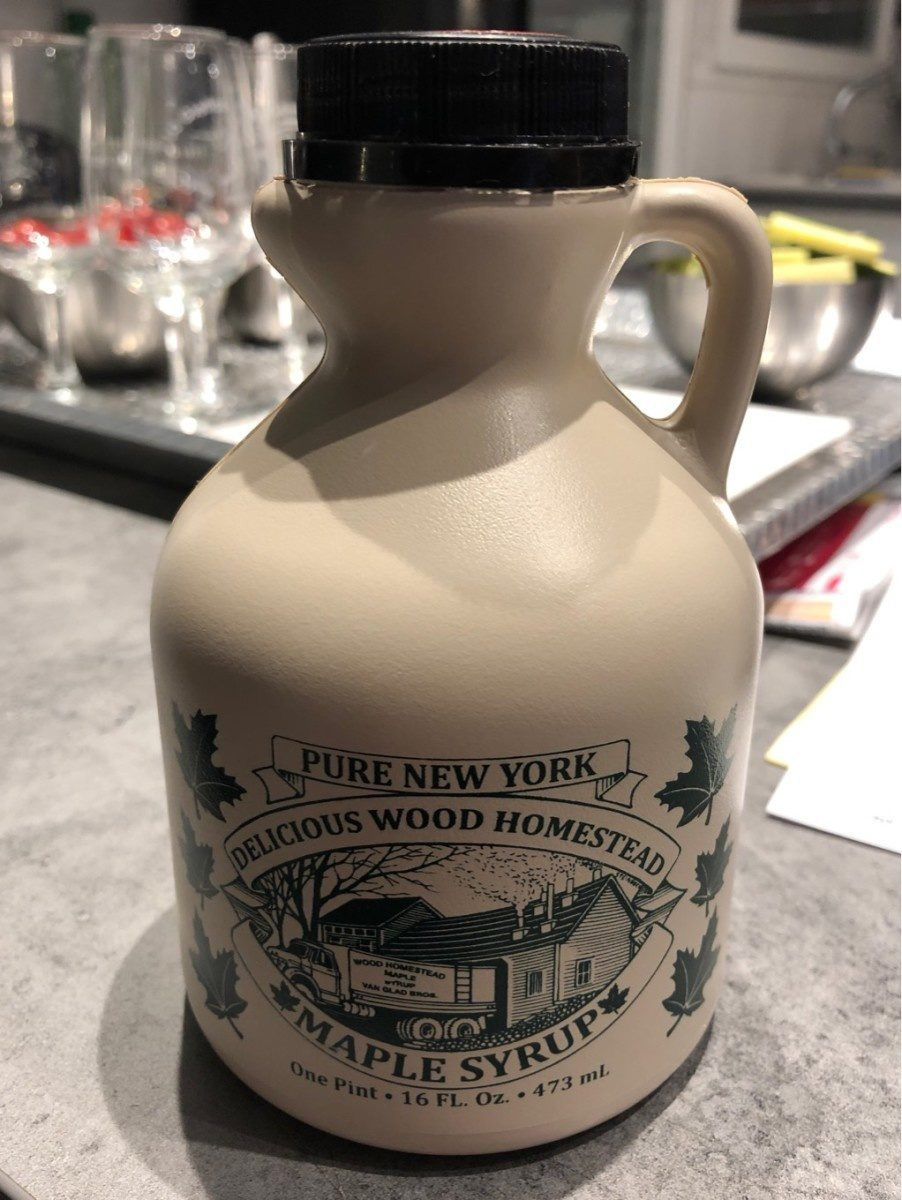
Unopened metal, glass, or squeeze-type plastic containers of maple syrup purchased directly from a store or producer maintain a remarkably long shelf life at normal room temperatures in a cupboard, provided their factory seals remain entirely intact. The high sugar concentration naturally acts as a preservative, inhibiting bacterial growth under standard ambient conditions. However, a notable exception applies to unopened beige or grey plastic jugs featuring traditional maple scenery motifs.

According to the Quebec Maple Syrup Producers (QMSP) Association, while these decorative containers are common, tests indicate they do not provide foolproof barriers against oxygen over extended periods. Consequently, the QMSP recommends storing sealed beige plastic jugs directly in the refrigerator to prolong the syrup’s overall usability. Once any container of maple syrup is opened and its vacuum or factory seal is broken, it must be immediately transferred to the refrigerator. Exposure to ambient air introduces airborne mold spores, meaning room-temperature shelf storage is no longer viable. Refrigeration successfully slows down mold proliferation, though it does not completely prevent it over a prolonged timeline.
The Science of Safety: Brix, pH, and Water Activity
To legally qualify as pure maple syrup in North America, harvested sap must undergo a controlled boiling process to drive out excess moisture, concentrating the natural sugars to a precise threshold. The North American Maple Syrup Council dictates that the correct density for finished maple syrup must fall strictly between 66° and 68° Brix, where one Brix equals approximately one percent sugar content. Finished syrup falling below 66° Brix is prone to mold growth and fermentation, whereas syrup exceeding 68° Brix frequently develops unwanted sugar crystals at the bottom of the container.
Chemical analysis highlights the unique composition of this sweetener. Research published in Food Research International indicates that moisture content in pure maple syrup typically ranges from 26.5% to 39.4%, with pH values spanning 5.6 to 7.9 and Brix readings stretching from 62.2° to 74.0°. Furthermore, data from the United States Food and Drug Administration (FDA) establishes an average pH of approximately 5.15 for maple syrup. Because this pH level sits above the standard threshold of 4.6, theoretical risks regarding Clostridium botulinum spore germination in anaerobic environments like sealed jars are occasionally raised. Nevertheless, it is the exceptionally high sugar content and resulting low water activity within properly boiled syrup that ultimately render it safe from pathogenic threats, restricting spoilage primarily to harmless environmental molds.
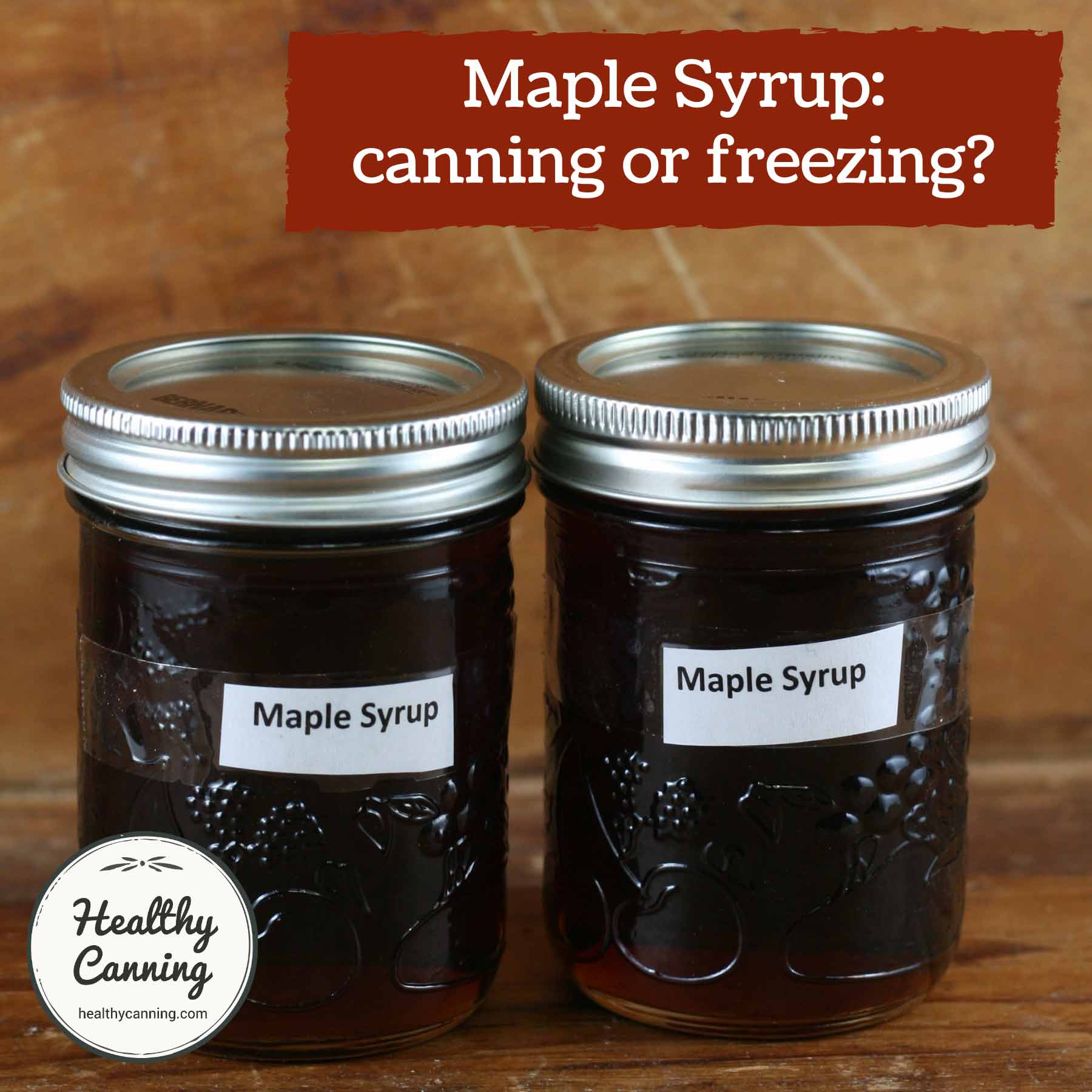
Freezing as the Optimal Long-Term Preservation Method
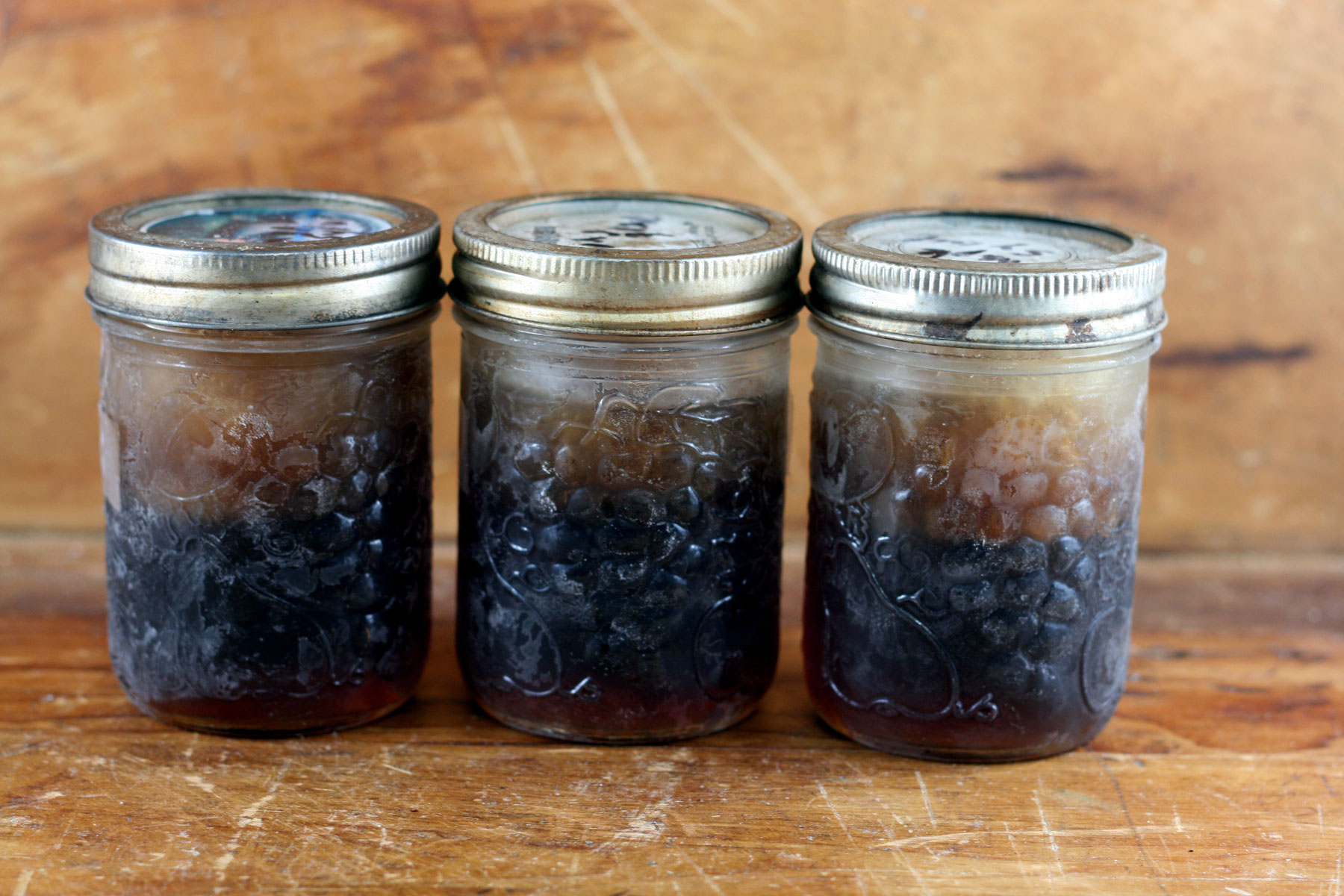
For households managing surplus maple syrup, freezing serves as the preferred and most effective long-term preservation technique. Freezing preserves product quality exceptionally well, offers complete usage flexibility, and completely halts mold growth by depriving spores of the thermal energy required to germinate. Because of its high sugar content, maple syrup never freezes solid into a hard block. Instead, it transforms into a thick, viscous consistency resembling honey while sub-zero, effortlessly returning to its liquid state upon thawing.
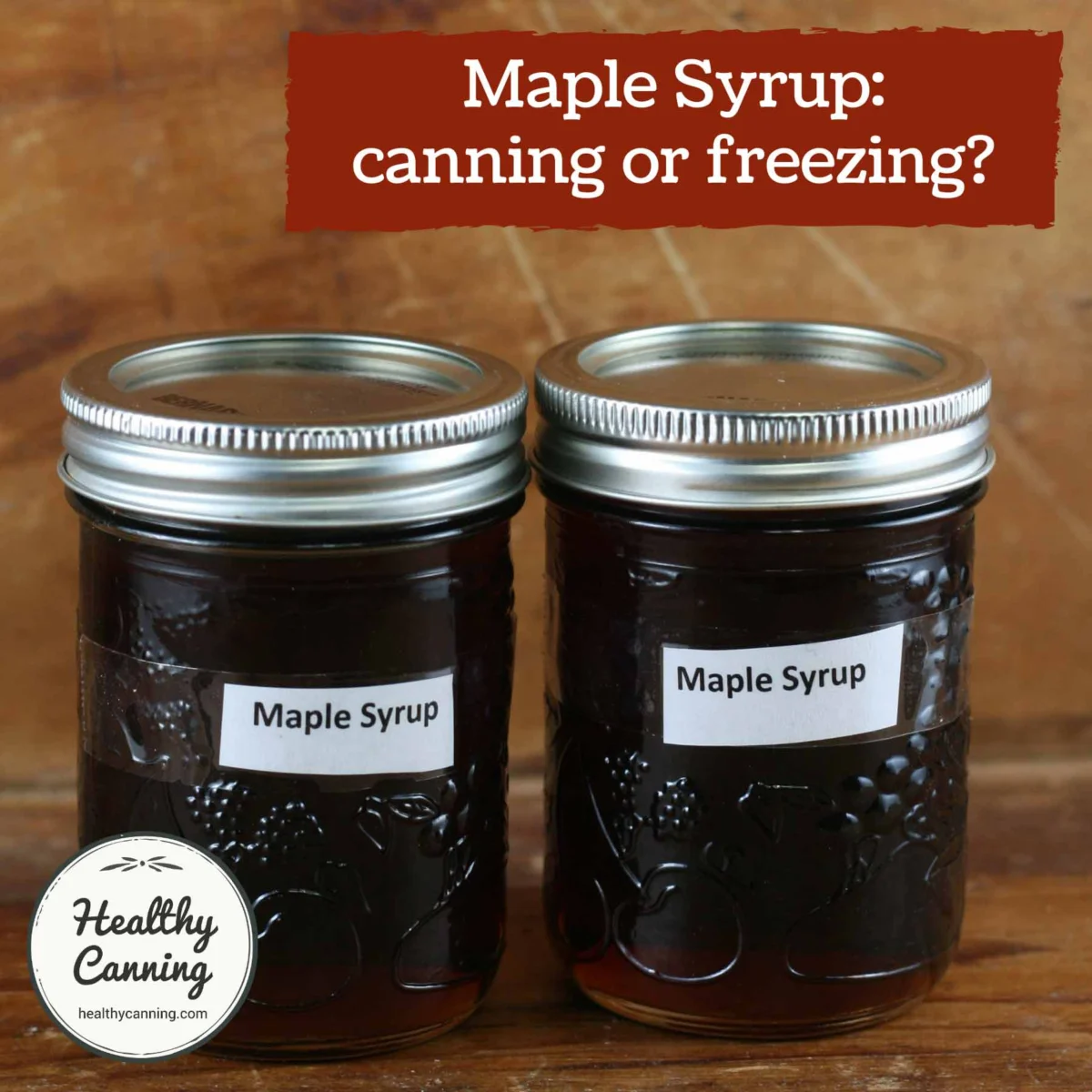
Agricultural extension services from institutions such as Purdue University and Ohio State University recommend repackaging bulk syrup into clean glass freezer jars, leaving a designated headspace to allow for minor liquid expansion. Unlike plastics that can allow oxygen permeability or metals that risk imparting metallic flavors or rust, glass containers maintain optimal flavor profiles. Furthermore, freezing, thawing, and refreezing cycles remain entirely safe for the product. The Vermont Maple Sugar Makers’ Association notes that syrup can undergo repeated freeze-thaw cycles without degradation, provided it is fully thawed and any surface condensation is thoroughly stirred back into the liquid prior to use. Thawing can be expedited safely by placing the jar in a basin of cool water or briefly warming small portions in a microwave-safe container at 10-to-15-second intervals without bringing the liquid to a boil.
The Complexities and Risks of Home Bottling
Some consumers attempt to replicate commercial practices by "hot packing" or home bottling bulk maple syrup into smaller Mason jars for shelf storage. Food safety experts emphasize that applying the term "canning" to this process is technically a misnomer, as true home canning requires calibrated heat-processing times in a boiling water or steam canner. University extension services generally advise against home-bottling maple syrup due to severe quality concerns. Heating and re-canning the syrup can cause the product to darken significantly, alter its delicate flavor profile, and precipitate suspended mineral solids known as "sugar sand."
Industrial hot-packing procedures require maintaining syrup temperatures between 82°C and 85°C (180°F to 185°F) during container filling, followed by securely capping and immediately inverting the containers for 3 to 10 minutes. This inversion technique forces the scalding syrup across all interior surfaces, including the lid liner, to eliminate environmental mold spores introduced during the bottling process. However, research has demonstrated that hot packing does not guarantee the destruction of all resilient fungal spores, some of which can survive temperatures exceeding 82°C. Additionally, while raising temperatures to 92°C (198°F) can further reduce mold incidence, it accelerates stack burn, darkens the syrup color grade, and causes mineral precipitation that leaves the liquid cloudy and necessitates specialized fine-cloth filtration.
Implications for Consumers and Best Practices
The absence of standardized laboratory guidelines for small-scale home bottling underscores the inherent unpredictability of attempting commercial preservation techniques in domestic kitchens. Because home-bottled syrup remains vulnerable to residual mold survival and quality degradation from thermal stress, agricultural authorities strongly discourage the practice.
Ultimately, consumers seeking to maximize the shelf life of bulk maple syrup while retaining its pristine flavor, clarity, and nutritional integrity should bypass complex thermal bottling methods altogether. By portioning excess syrup into clean glass jars with appropriate headspace and utilizing the freezer for long-term storage, households can completely eliminate spoilage risks, prevent product waste, and enjoy farm-fresh maple syrup indefinitely.