
In an era defined by persistent grocery inflation and a growing consumer preference for culinary self-reliance, home cooks are increasingly turning to pantry-staple DIY mixes as both a cost-saving measure and a practical convenience. Among the latest culinary trends gaining traction across domestic kitchens is the bulk preparation of homemade dessert mixes. A prime example is a newly highlighted, highly adaptable recipe for a large-batch, cake-style brownie mix that can be assembled at home for pennies on the dollar compared to commercial boxed alternatives.
Designed to yield a robust 8-cup (1-kilogram) bulk quantity per batch, this foundational dry mix provides enough raw material to produce up to five distinct pans of brownies. By investing a minimal ten minutes of active preparation time upfront, home bakers secure ongoing convenience and significant financial savings over time, bypassing the repetitive purchasing of single-use, brand-name boxed mixes from supermarket aisles.

Anatomy of the Bulk DIY Brownie Mix
Unlike the dense, ultra-fudgy variations that dominate contemporary commercial markets, this specific formulation pays homage to classic American cake-style brownies. The resulting baked goods offer a lighter, more tender crumb structure that pairs exceptionally well with various icings, glazes, or a simple dusting of powdered sweetener.
The baseline recipe, adapted from professional culinary resources originally pioneered by commercial sweetener developers such as Splenda, accommodates dietary preferences without sacrificing textural integrity. While the baseline formulation utilizes granulated sucralose to cater to diabetic-friendly and calorie-conscious baking needs, the mix is structurally versatile. Bakers who prefer traditional ingredients can seamlessly substitute standard granulated white sugar at a ratio of four cups (approximately 900 grams) per batch. Similarly, generic brands of sucralose or measured powdered stevia products can replace name-brand sweeteners on a direct one-to-one volume basis.

To assemble a full batch, dry ingredients are whisked together in precise proportions and stored in an airtight container at room temperature. When ready to bake, a designated portion of the mix is drawn from the pantry, combined with wet ingredients, and transferred to the oven with minimal fuss.
Step-by-Step Preparation and Usage Mechanics
The utility of a pantry-stable baking mix lies in its division of labor: the messy, time-consuming measuring of dry ingredients occurs all at once, while individual baking sessions require only liquid additions.
When preparing a single pan of brownies from the bulk mix, standard culinary procedures apply. However, food safety experts emphasize proper handling of uncooked dry components. Because flour is an agricultural product that undergoes minimal processing prior to retail sale, raw flour must be handled with the same sanitary precautions applied to raw meat. Following the preparation of either the dry mix or the wet batter, home bakers are advised to thoroughly wash their hands and sanitize all kitchen surfaces, utensils, and countertops that came into contact with the raw flour.
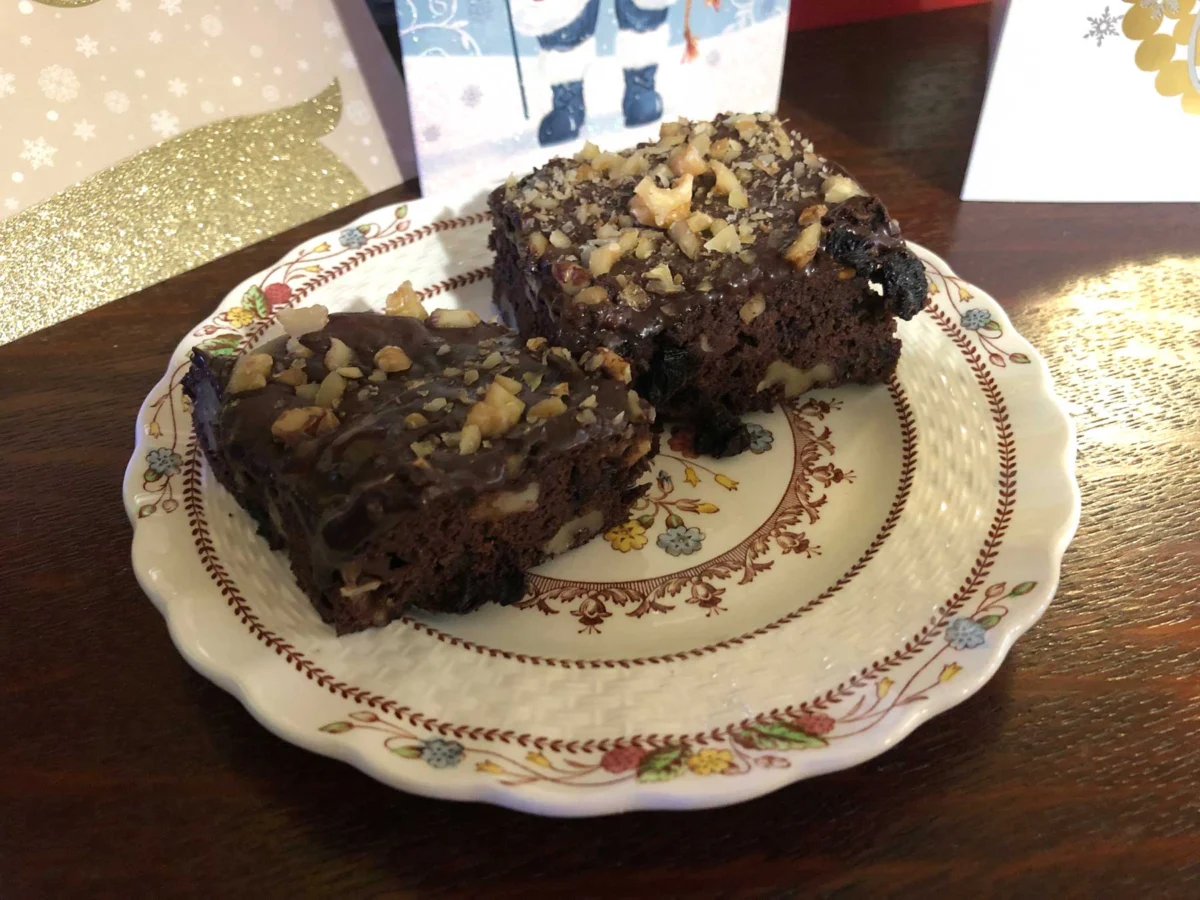
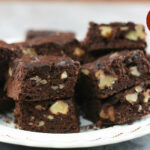
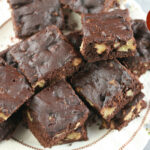
Once baked, an entire standard pan of brownies produced from this mix weighs approximately 420 grams (15 ounces), excluding the weight of the baking pan itself. When sliced into the standard configuration of nine equal squares, each individual brownie yields a weight of roughly 50 grams (2 ounces)—though this figure can fluctuate slightly depending on whether mix-ins such as chopped walnuts or pecans are incorporated into the batter. For those looking to elevate the final presentation, the finished cake-style squares serve as an ideal canvas for homemade low-calorie icing, such as a companion DIY icing sugar mix.
Nutritional Profiling and Dietary Adaptations

In response to rising consumer demand for transparent nutritional data, culinary researchers have mapped out the precise caloric and macronutrient impacts of the DIY brownie mix. Nutrition metrics inherently vary depending on the specific fats and sweeteners selected by the baker, but standardized models provide a clear baseline.
When the mix is prepared using granulated sucralose and low-fat margarine, a single 50-gram (2-ounce) brownie—assuming a nine-square cut per pan—contains approximately 116 calories and 8 grams of total fat. For bakers who choose to fold in traditional chopped walnuts for added texture and flavor, the caloric and lipid profile adjusts moderately to 131 calories and 10 grams of fat per serving.
These figures hold significant appeal for individuals enrolled in structured weight-management programs. Under contemporary tracking frameworks such as the WeightWatchers Freestyle system, a standard brownie crafted from this recipe accounts for just 2 SmartPoints, with an additional point assigned if nuts are included in the baking process. This enables dieters to enjoy traditional comfort foods without exceeding daily nutritional allocations or resorting to expensive, highly processed commercial diet snacks.
Economic and Culinary Implications
The shift toward homemade convenience foods reflects a broader economic reality. Food price volatility over recent years has prompted households to re-evaluate their grocery spending habits. Pre-packaged baking mixes, while convenient, carry a steep markup attributable to packaging, brand licensing, shipping logistics, and retail overhead. By shifting the manufacturing process to the home kitchen, consumers retain a larger share of their disposable income.
Furthermore, bulk pantry mixes empower home cooks to exercise absolute quality control over their food supply. Commercial mixes frequently contain chemical preservatives, artificial anti-caking agents, and sodium compounds designed to extend shelf life on warehouse shelves. In contrast, a DIY brownie mix utilizes straightforward pantry staples whose origins are entirely transparent to the consumer.

Industry analysts note that the popularity of scratch-made dry mixes also aligns with a post-pandemic surge in home baking and culinary education. Consumers are increasingly confident in their ability to manipulate basic baking chemistry—adjusting sweetness levels, swapping out fats, and experimenting with mix-ins—to suit individual household tastes.
Broader Industry Response and Consumer Trends
While major food manufacturers continue to market convenience-driven baking kits, community-based culinary networks and Master Food Preserver groups report a steady rise in inquiries regarding bulk dry storage recipes. Consumer advocates point out that pantry-building not only cuts grocery bills but also reduces household packaging waste by minimizing the accumulation of single-use cardboard boxes and plastic inner liners.

As economic pressures and health consciousness continue to intersect in the modern kitchen, recipes that bridge the gap between thrift, health, and indulgence are expected to remain staple resources for home cooks. Whether prepared as a sugar-free treat for health-related dietary restrictions or baked with traditional cane sugar for a classic weekend dessert, the DIY brownie mix demonstrates that culinary excellence does not require commercial pre-packaging.