
The art of home food preservation has experienced a significant resurgence in recent households, driven by consumer interest in locally sourced produce, dietary customization, and sustainable living practices. Among the staples of home canning, raspberry jam remains a perennial favorite due to its vibrant color, distinctive sweet-tart flavor profile, and versatility in culinary applications. However, traditional jam-making often requires vast amounts of sugar to achieve the necessary gel set, presenting a hurdle for health-conscious consumers, diabetics, and those adhering to low-sugar dietary regimens.
In response to these evolving nutritional demands, home preservers have increasingly turned to specialized setting agents like Pomona’s Universal Pectin. Unlike conventional pectins that rely on high concentrations of sugar to activate the gelling process, Pomona pectin is citrus-based and uses calcium to gel, allowing cooks to produce stable, shelf-ready preserves using little to no sugar, honey, alternative sweeteners, or even fruit juice concentrates. A newly detailed formulation for home-canned raspberry jam utilizing Pomona pectin offers a reliable, safe method for preserving both fresh summer harvests and frozen berries while maintaining strict adherence to modern home canning safety guidelines.
Historical Context and Evolution of Low-Sugar Canning
For generations, high-sugar preserves were a necessity rather than a mere preference. Sugar acted as the primary preservative, working in tandem with natural fruit acids and thermal processing to inhibit microbial growth and spoilage. Standard commercial pectins required a high soluble solids (sugar) content—typically a minimum of 55 to 65 percent—to form a gel. Consequently, reducing sugar in traditional recipes often resulted in a runny, unstable product that was prone to mold and rapid spoilage unless frozen or heavily refrigerated.
The introduction of low-methoxy pectins, such as Pomona pectin, revolutionized home food preservation by decoupling the gelling mechanism from sugar. By utilizing a separate calcium water solution to activate the pectin, home cooks gained the freedom to reduce, substitute, or completely eliminate refined sugars without compromising the structural integrity or safety of the finished preserve. This technological shift aligns with broader public health initiatives aimed at reducing added sugar consumption, providing a vital tool for individuals managing metabolic conditions such as type 2 diabetes or seeking weight management solutions.
Technical Specifications and Recipe Parameters
The standardized recipe for low- or no-sugar raspberry jam is engineered for precision, ensuring that home preservers achieve consistent results while meeting microbiological safety standards established by agricultural extension services and food safety authorities.
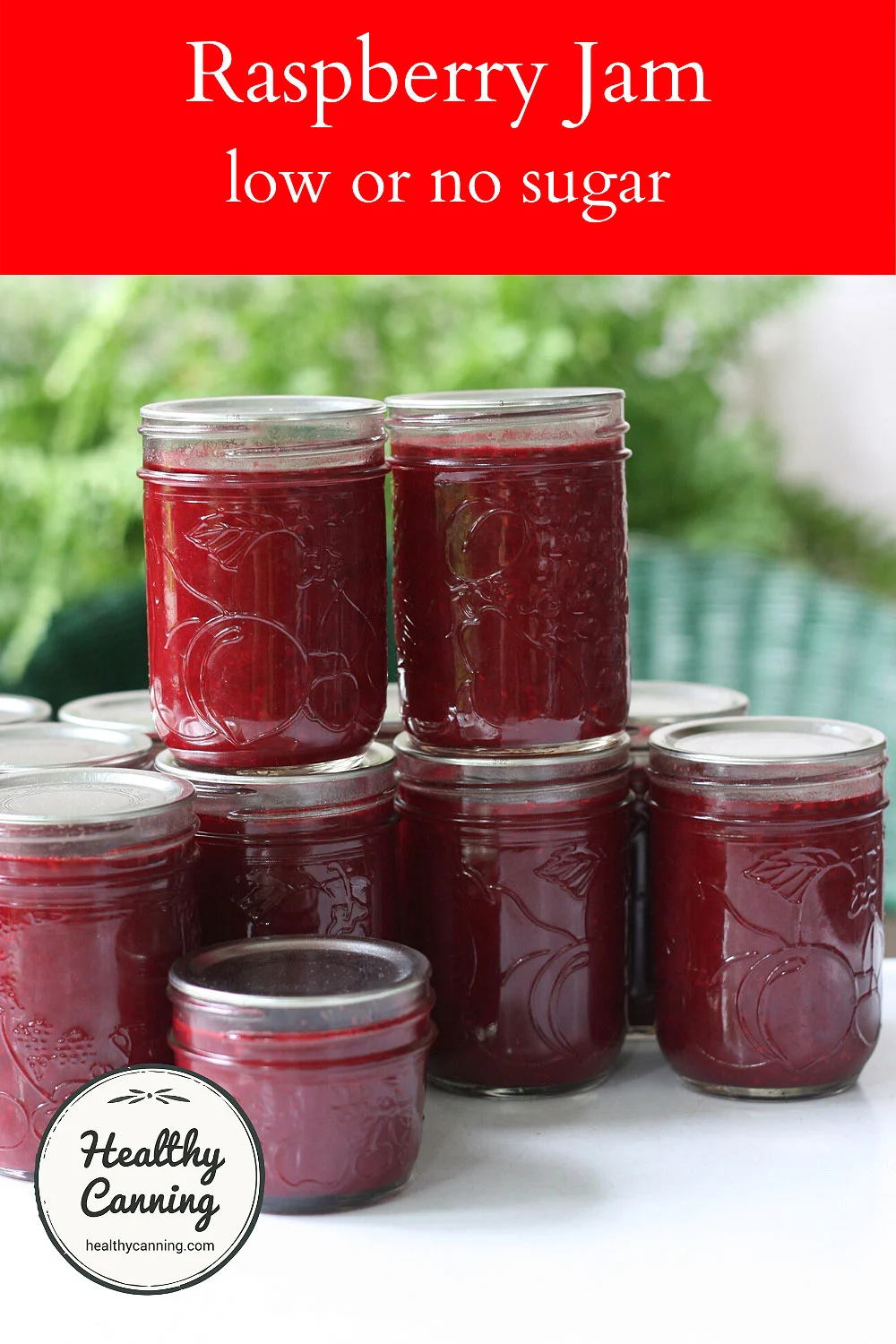
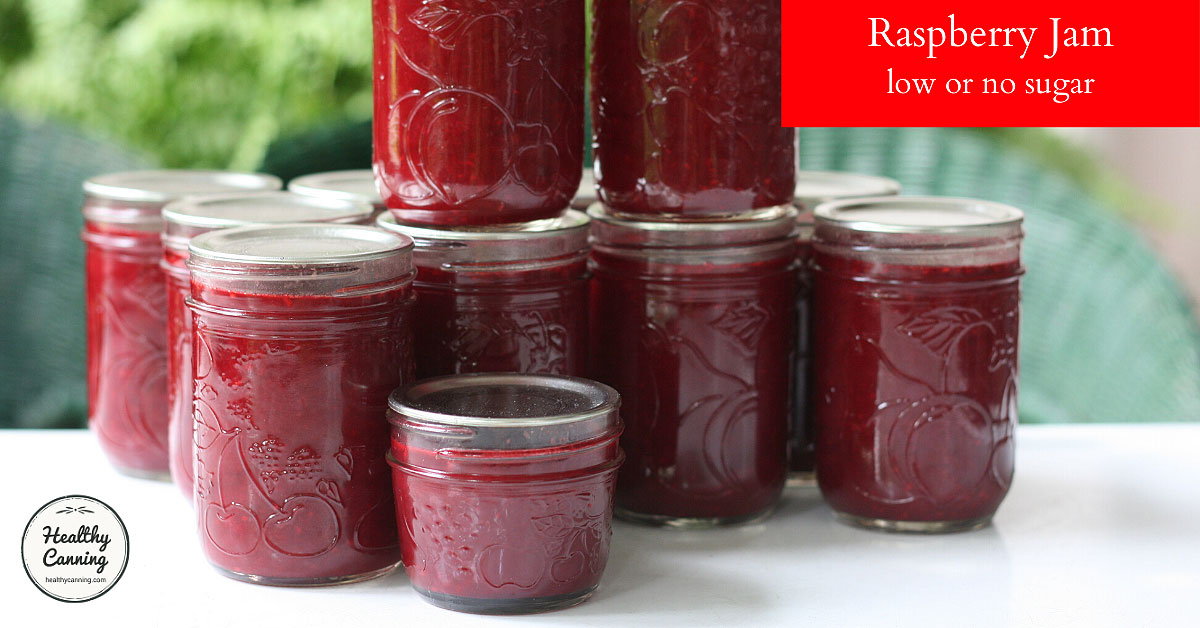
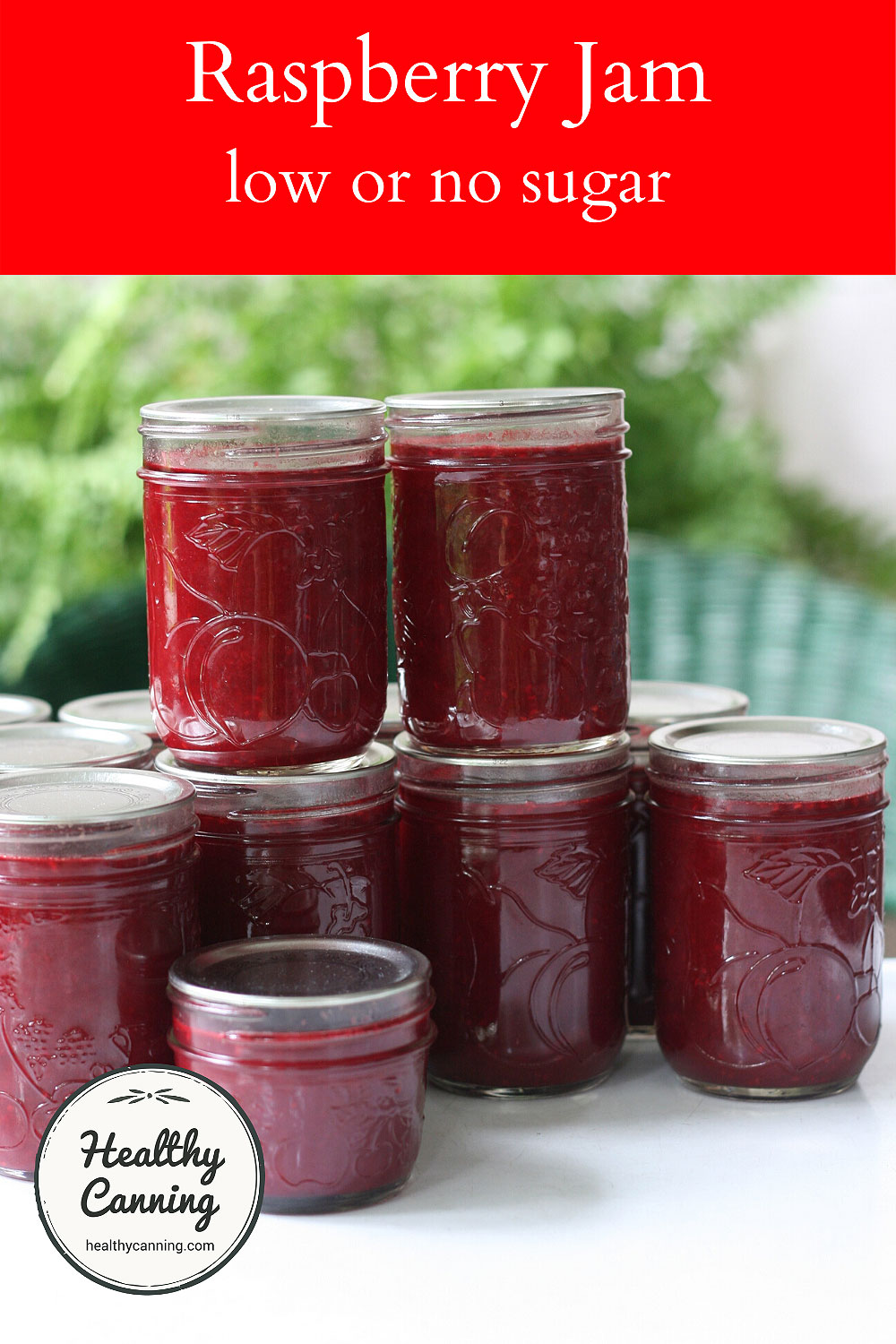
The formulation is designed to yield four quarter-litre (half-US pint, or 8-ounce) jars, or alternatively, smaller 125 ml (4-ounce) containers. Preparation requires approximately 15 minutes of active kitchen time, followed by 20 minutes of cooking. The thermal processing phase requires an additional 10 minutes in either a boiling water bath or a steam canner, with mandatory altitude adjustments for locations situated significantly above sea level.
Ingredients and Sweetener Flexibility
At the core of the recipe are raspberries, which can be sourced fresh from seasonal gluts or utilized from frozen stocks, making the recipe adaptable year-round. To achieve a smooth, seedless texture favored by many culinary purists, the fruit can be strained through a fine-mesh sieve—an optional step for home cooks who prefer a rustic, seed-heavy preserve.
The formulation’s primary strength lies in its sweetener versatility. While traditional iterations utilize 1 cup (200 grams) of granulated sugar—yielding a modest 21 calories per tablespoon—the recipe accommodates a broad spectrum of alternative sweeteners without altering the gelling process. Options include:
- 1 cup (25 grams) of granulated sucralose (Splenda)
- Half a cup to 1 full cup (125 ml to 250 ml) of honey
- 2 teaspoons of liquid stevia
Depending on the chosen sweetener, the nutritional profile varies significantly. Utilizing granulated Splenda, for instance, reduces the caloric load to approximately 10 calories and 2 grams of carbohydrates per tablespoon, making the preserve accessible to restricted-calorie diets.
Step-by-Step Processing and Safety Protocols
Ensuring the safety of home-canned goods requires strict adherence to standardized processing methods. The raspberry jam mixture, once combined with the activated Pomona pectin and chosen sweetener, must be packed into sterilized jars while maintaining a precise 1-centimeter (quarter-inch) headspace. Proper headspace is critical for creating a reliable vacuum seal during the canning process.
Jars are sealed with two-piece metal canning lids and processed using either a traditional boiling water bath or an approved atmospheric steam canner for 10 minutes, adjusted upward for higher elevations. Master Food Preservers and extension agents emphasize that failure to account for altitude can result in underprocessing and subsequent spoilage. Once processed, the jars are left undisturbed to cool, after which seals are verified. Properly canned and sealed jars boast an extended shelf life, remaining safe and flavorful for months when stored in a cool, dark, and dry environment.
Economic and Environmental Implications
The adoption of low-sugar, pectin-flexible canning practices carries notable economic and environmental benefits. For home gardeners experiencing seasonal surpluses—such as a sudden glut of raspberries—preserving the harvest prevents food waste and reduces grocery expenditures. Furthermore, the ability to utilize frozen berries allows consumers to purchase fruit when economically advantageous or to preserve out-of-season produce efficiently.
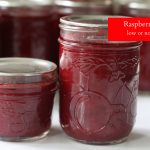
From an environmental standpoint, home canning minimizes the carbon footprint associated with commercial food transportation, industrial packaging, and cold-chain storage. By utilizing reusable glass jars and locally procured or home-grown fruit, participants in the home canning movement contribute to a circular, sustainable food economy.
Expert Guidance and Resources
Given the critical nature of food safety in home preservation, food safety authorities consistently urge practitioners to consult verified educational resources rather than unverified internet forums. Organizations such as Master Food Preserver volunteer networks, university agricultural extension offices, and specialized testing bodies like the National Center for Home Food Preservation provide vital guidance on acidity levels, processing times, and equipment maintenance. Many regional networks operate seasonal telephone hotlines to assist novice and experienced canners alike in troubleshooting recipes and verifying safety parameters.
Through the integration of modern food science innovations like Pomona pectin and adherence to rigorous processing standards, home preservers can successfully navigate the dual demands of modern nutritional health and culinary tradition, ensuring that classic preserves like raspberry jam remain a viable, safe, and customizable staple in the contemporary kitchen.