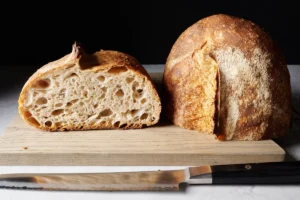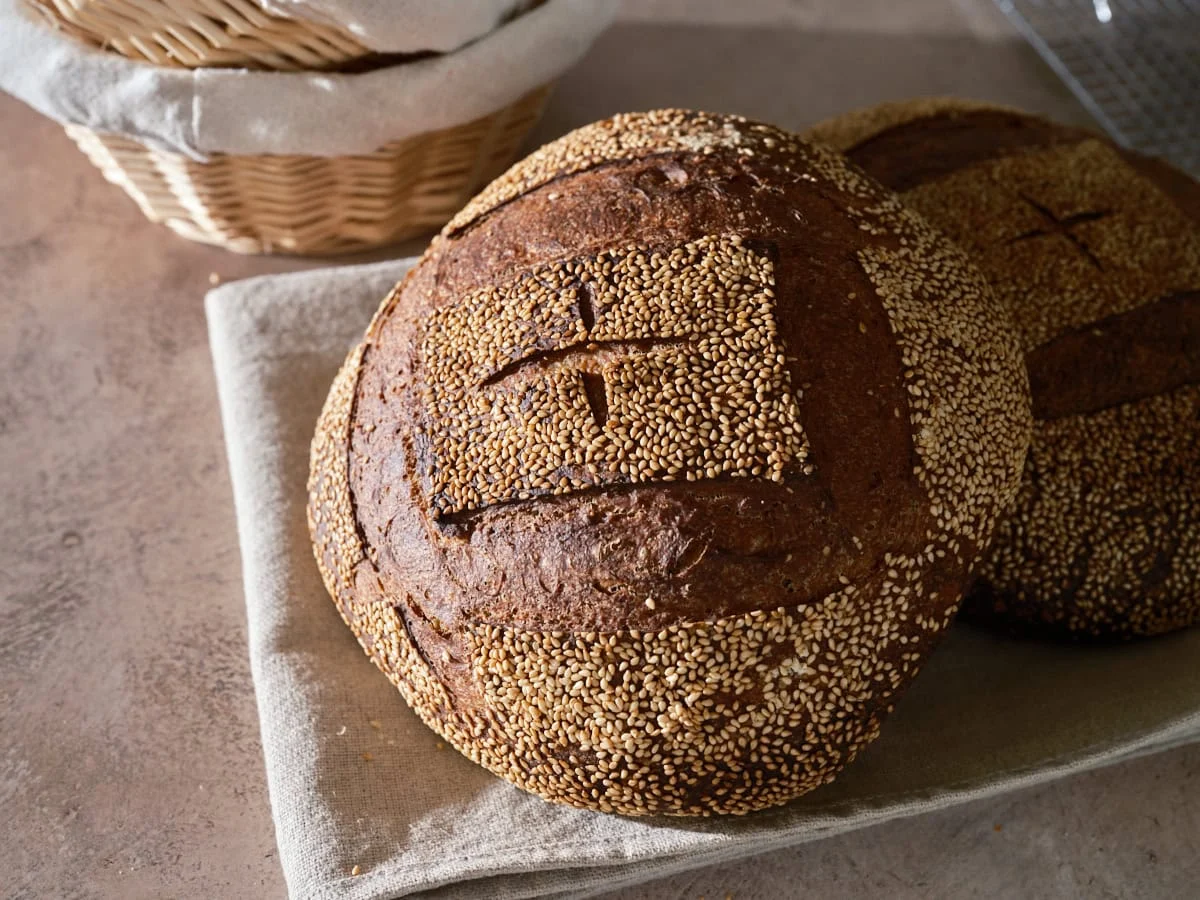

The craft baking community has seen a notable surge in the development of winter-centric artisan sourdough recipes, with a particular emphasis on moisture-retaining techniques and warming botanicals. Amidst extended periods of seasonal cold weather, professional and home bakers alike have turned to innovative dough-conditioning methods to produce hearty, nutrient-dense loaves. A prominent example gaining traction in early 2026 is the Scalded Buckwheat and Malt Sourdough Bread, a formulation designed to counter frigid temperatures by utilizing high-extraction grains, aromatic spices, and advanced gelatinization techniques.
Background Context and Nutritional Evolution in Artisan Baking
The culinary impetus behind this specific loaf stems from a broader industry trend toward maximizing the flavor and shelf-life of whole-grain sourdoughs without sacrificing structural integrity. Traditional whole grains, such as buckwheat and whole wheat, introduce deep, earthy flavor profiles and elevated mineral content to baked goods. However, because they lack the traditional gluten matrix found in refined wheat, incorporating them frequently results in a dense crumb and rapid staling.
To solve this physical limitation, artisan bakers have increasingly adopted flour scalding—a technique historically rooted in Eastern European and Asian bread-making traditions, functionally analogous to the Japanese yudane and tangzhong methods. By pouring boiling water over a portion of buckwheat flour prior to the main mix, bakers achieve complete gelatinization of the starches. This process traps ambient moisture within the flour matrix, resulting in a remarkably silky crumb texture, enhanced natural sweetness, and a significantly extended shelf-life.
When paired with high-extraction type 85 wheat flour—which retains more of the grain’s original bran and germ than standard white flour—the resulting loaf balances modern nutritional demands with traditional artisan craftsmanship.
Chronology of the Two-Day Baking Process
The production of Scalded Buckwheat and Malt Sourdough Bread requires a structured, multi-stage timeline spanning approximately 36 hours. The process demands minimal active intervention from the baker, relying instead on precise temperature controls and extended fermentation periods to develop complex flavor compounds.
Day One: Preparation and Mixing
- 9:00 a.m. (Levain Preparation): A small inoculation of ripe 100% hydration sourdough starter is combined with high-extraction wheat flour and water, then left to ripen at a controlled ambient temperature of 74 to 76 degrees Fahrenheit (23 to 24 degrees Celsius) for three hours.
- 9:10 a.m. (Flour Scald): Organic buckwheat flour is combined with boiling water in a separate vessel, stirred vigorously until a cohesive paste forms, covered, and set aside.
- 11:00 a.m. (Autolyse): High-extraction wheat flour, whole wheat flour, and warm water calculated to achieve a final dough temperature of 78 degrees Fahrenheit (26 degrees Celsius) are mixed with the prepared flour scald. This rest period allows natural enzyme activity to begin gluten development without mechanical kneading.
- 12:00 p.m. (Main Mix): The ripe levain, fine sea salt, barley malt syrup, ground aniseed, and secondary hydration water are incorporated into the autolyzed mass using either mechanical spiral mixers or manual slap-and-fold techniques.
- 12:30 p.m. to 3:30 p.m. (Bulk Fermentation): The dough undergoes a three-hour bulk fermentation phase punctuated by two systematic sets of stretches and folds at 30-minute intervals to build structural elasticity.
- 3:30 p.m. (Pre-shaping): The fully fermented dough—having expanded by approximately 30 percent in volume—is divided into equal portions, gently rounded into loose pre-shapes, and rested uncovered for 30 minutes.
- 4:00 p.m. (Shaping and Inoculation): Each round is inverted over a bed of raw white sesame seeds and transferred into proofing baskets, seam-side up.
Day Two: Cold Proofing and Baking
- 4:15 p.m. (Overnight Retardation): Baskets are sealed within plastic liners and placed into a refrigerator overnight to slow yeast activity and promote the development of organic acids.
- 9:00 a.m. (Baking Phase): The loaves are un-molded onto parchment paper, scored to control expansion, and baked in a preheated environment utilizing steam injection for the first 20 minutes to maximize oven spring. After steam is vented, the loaves complete their baking cycle until the internal temperature reaches 204 degrees Fahrenheit (95 degrees Celsius), yielding a deeply colored crust and a moisture-locked interior.
Technical Specifications and Formula Breakdown
Professional recipe standardization relies on precise baker’s percentages to ensure reproducibility across different kitchen environments. The master formula for the Scalded Buckwheat and Malt Sourdough yields a total dough weight of 1,800 grams, designed to produce two 900-gram loaves.
- Total Dough Weight: 1,800g
- Hydration Rate: 75.0% base hydration, increasing to 83.0% when factoring in the moisture absorbed by the flour scald.
- Prefermented Flour: 5.8%
- Levain in Final Dough: 18.5%
Core Ingredient Composition:
- Type 85 High-Extraction Wheat Flour: 75.0% (687g)
- Whole Red Wheat Flour: 20.0% (183g)
- Buckwheat Flour (Scald): 5.0% (46g)
- Boiling Water (Scald): 8.0% (73g)
- Water 1 (Levain and Autolyse): 65.0% (596g)
- Water 2 (Final Mix): 10.0% (92g)
- Barley Malt Syrup: 5.0% (46g)
- Ground Aniseed: 0.6% (6g)
- Fine Sea Salt: 2.0% (18g)
- Ripe Sourdough Starter: 5.8% (53g)
Sensory Profile and Flavor Architecture
Culinary analysts tracking flavor trends note that the integration of ground aniseed introduces an assertive, licorice-forward aromatic profile that distinguishes this loaf from standard rustic sourdoughs. Unlike milder spices that dissipate during long fermentation cycles, aniseed interacts synergistically with the mineral-heavy, tannic qualities of buckwheat and the sweet, rich notes of barley malt syrup.
The addition of barley malt syrup serves a dual purpose: it provides fermentable sugars that feed the lactic acid bacteria and wild yeasts, while also contributing a deep, amber coloration to the crumb and a rounded sweetness on the palate. Topping the exterior with raw white sesame seeds introduces a toasted, nutty crunch that contrasts with the silky texture of the interior crumb, providing a balanced sensory experience.
Broader Industry Implications and Adaptability
The success of recipes utilizing high-hydration scalding techniques reflects a broader shift in home and commercial baking toward functional nutrition and sensory diversification. As consumers increasingly seek out breads that offer sustained energy, complex flavors, and improved digestibility, formulas that successfully incorporate alternative grains like buckwheat without compromising texture are expected to remain popular.
Furthermore, the recipe’s inherent flexibility allows bakers to substitute ingredients based on regional availability or personal preference. For instance, bakers seeking a more bitter flavor profile frequently swap barley malt syrup for blackstrap molasses, while those preferring floral sweetness substitute honey. Similarly, where high-extraction type 85 flour is unavailable, standard bread flour blended with a minor percentage of whole wheat serves as an effective substitute.
As winter baking traditions continue to evolve, techniques that prioritize moisture retention, thermal precision, and aromatic complexity will likely continue to anchor the repertoires of artisan bread makers worldwide.