
Buying maple syrup in large quantities is a popular practice for households seeking to enjoy the natural sweetener year-round while taking advantage of bulk pricing. However, without prompt usage and proper storage methods, these substantial purchases frequently fall victim to spoilage, most notably through mold colonization. Home cooks and culinary enthusiasts navigating bulk syrup acquisitions must understand the specific environmental thresholds, packaging materials, and preservation techniques required to maintain both safety and quality.
This technical guide outlines evidence-based practices for storing maple syrup at home. It is strictly tailored for domestic consumers and hobbyists rather than commercial producers and industrial packers. Commercial operations must consult regional agricultural extension services, state guidelines, and professional industry associations to address their unique regulatory frameworks, large-volume sanitation standards, and specialized packaging equipment. For home preservation, the definitive consensus among agricultural authorities points to freezing as the superior long-term storage strategy.
Shelf Storage Dynamics for Unopened Commercial Containers
Unopened commercial containers of maple syrup—whether composed of metal, heavy glass, or flexible squeeze-type plastic—possess a remarkably long shelf life at standard ambient room temperatures when stored in a dark, cool cupboard. Straight from the store or directly from a local sugar shack, these factory-sealed vessels maintain their integrity because the hermetic seal successfully blocks airborne fungal spores from entering the sugary medium.
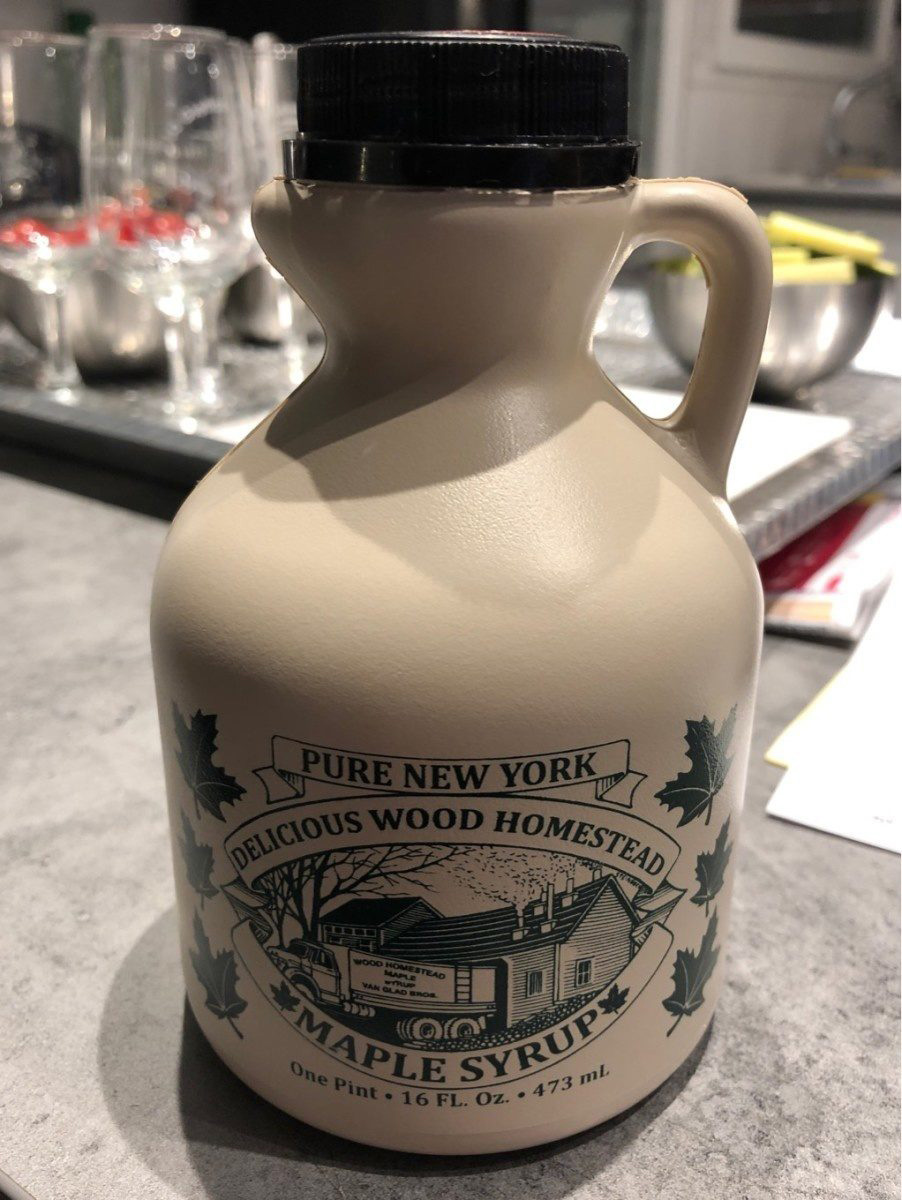
An important exception exists, however, for traditional beige or grey opaque plastic jugs commonly utilized by specific regional packers. Even when completely unopened and structurally sealed, these specific containers require refrigeration. According to the Quebec Maple Syrup Producers (QMSP) Association, rigorous testing reveals that while these decorative jugs are aesthetically appealing, their specific polymer composition fails to provide a foolproof barrier against ambient oxygen penetration over extended periods. Consequently, transferring unopened beige plastic jugs directly into the refrigerator significantly prolongs the usable lifespan of the enclosed syrup by mitigating gradual oxidation and moisture fluctuations.
The Science of Shelf Stability: Brix, pH, and Water Activity
To legally qualify as pure maple syrup in North American commercial markets, concentrated sugar solutions must meet strict biochemical standards driven by evaporation. Raw sap collected from sugar maple trees undergoes extensive boiling to drive out excess moisture until the liquid reaches a specific high concentration of dissolved sugars.

The North American Maple Syrup Council specifies that the correct density for finished maple syrup must register strictly between 66° and 68° Brix, with regional jurisdictions enforcing even narrower legal tolerances. One degree Brix corresponds approximately to one percent sugar content by weight. Finished products falling below 66° Brix are highly susceptible to fermentation and mold growth due to elevated moisture levels. Conversely, syrup exceeding 68° Brix frequently precipitates unwanted sugar crystals, creating a crunchy, dense sediment at the bottom of the storage container. Traditional testing methods, such as observing the "aproning" or sheeting of syrup off a metal paddle, help producers approximate readiness, but modern hydrometers and refractometers provide the exact precision necessary for compliance.
Comprehensive chemical analysis highlights the inherent stability of this product. Research published in Food Research International examined eighty pure North American samples and documented moisture levels ranging from 26.5% to 39.4%, pH values spanning 5.6 to 7.9, and Brix readings between 62.2° and 74.0°. Furthermore, data compiled by the United States Food and Drug Administration (FDA) establishes an average pH of approximately 5.15 for commercial maple syrup.
Because these pH levels sit above 4.6, theoretical risks regarding the germination of Clostridium botulinum spores in anaerobic environments like sealed jars might initially concern food scientists. However, the exceptionally high sugar concentration drastically lowers the water activity ($a_w$) of the syrup. This depressed water activity completely inhibits microbial proliferation, keeping the ambient shelf-stored product safe from pathogenic bacterial hazards, provided the container remains uncontaminated.
Refrigeration Protocols for Opened Containers
The moment a seal is broken on any container of maple syrup, the internal environment is instantly exposed to ambient air and contaminated with microscopic mold spores. Consequently, room-temperature shelf storage is no longer viable, and the container must be immediately moved to the refrigerator.
Refrigeration does not sterilize the syrup or eradicate spores; rather, the combination of low cold-storage temperatures and suppressed water activity works synergistically to drastically slow down metabolic processes, preventing mold colonies from actively germinating and growing. Households working slowly through a large volume of opened syrup over several months must monitor the product closely. Over extended durations, even refrigerated syrup can eventually develop surface mold if ambient kitchen contaminants are introduced repeatedly via utensils or pouring spouts. To mitigate this risk, consumers should decant only small, manageable amounts into table dispensers while keeping the primary bulk supply safely preserved using alternative long-term methods.
Long-Term Preservation Through Freezing
For long-term home storage of excess maple syrup, freezing is unequivocally the gold standard recommended by agricultural extension services across North America. Freezing offers superior quality retention, exceptional ease of execution, and complete usage flexibility. By dividing bulk purchases into smaller, portion-controlled freezer-safe containers, households can access fresh supplies incrementally while completely preventing mold growth for extended periods.
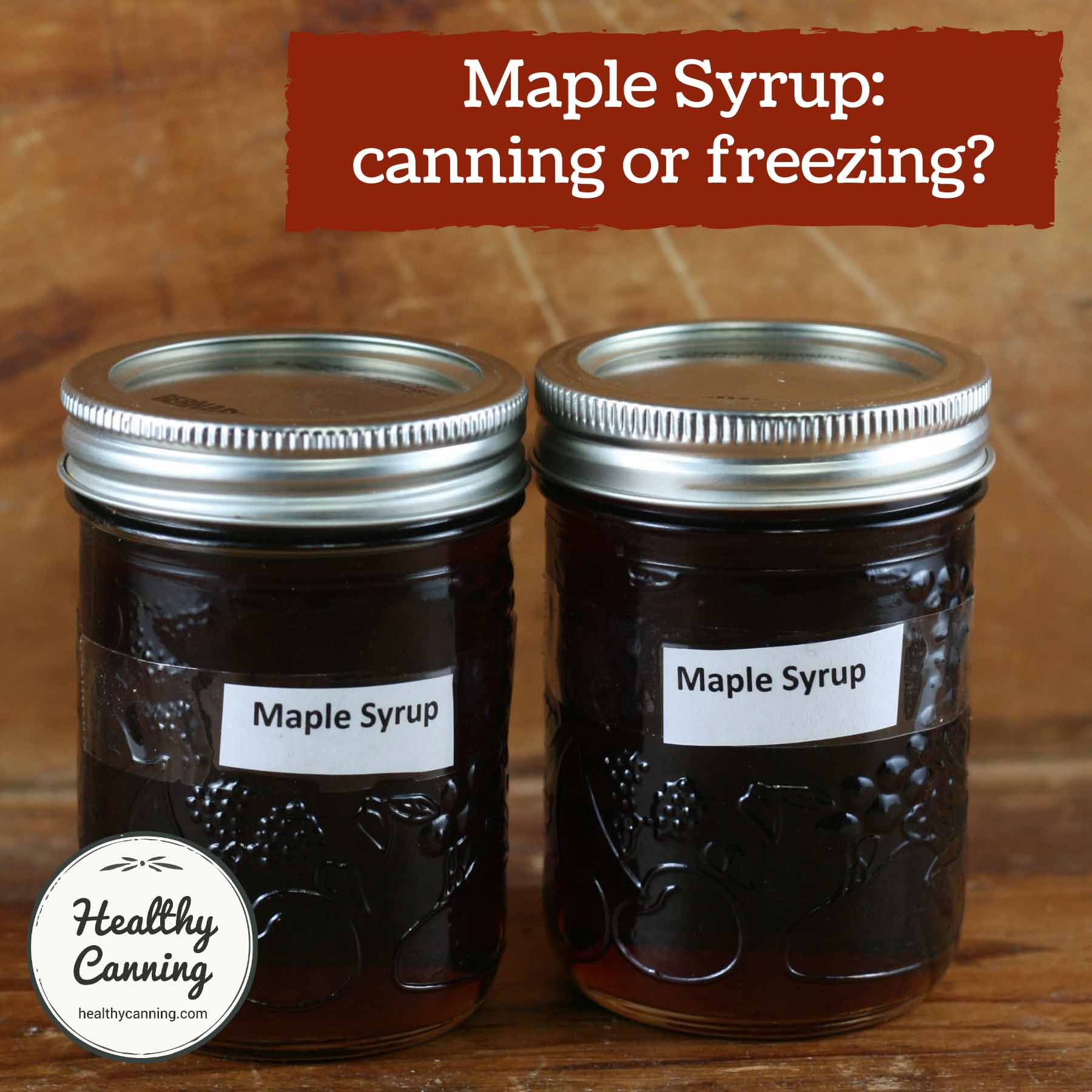
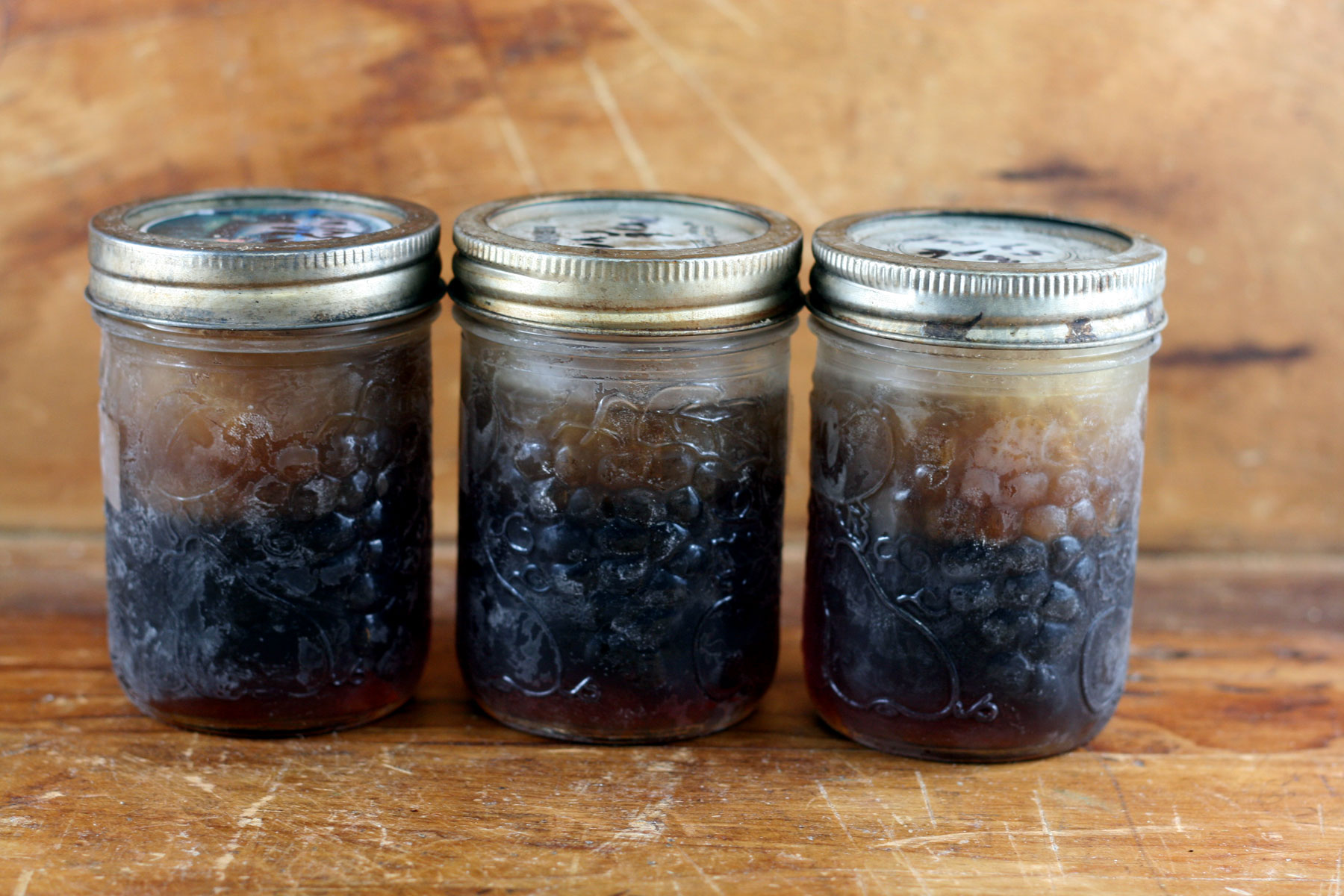
Due to its high sugar content, maple syrup never solidifies into a hard, rigid block when placed in a standard home freezer. Instead, it transitions into a thick, highly viscous state sharing the physical consistency of cold honey, and quickly returns to its familiar liquid fluidity once thawed.
Freezing, thawing, and subsequent refreezing cycles remain entirely safe from a food safety standpoint. According to guidelines from the Vermont Maple Sugar Makers’ Association, consumers can freeze and thaw syrup repeatedly without degrading its fundamental composition, provided the jar is allowed to thaw completely and any surface condensation accumulated during the temperature transition is thoroughly stirred back into the liquid.
Selecting and Preparing Containers for the Freezer
Glass represents the optimal material for freezing maple syrup. Plastic containers can remain slightly porous, slowly allowing air transmission that degrades flavor over time, while metal containers risk rusting or imparting an off-metallic taste. Standard Mason jars constructed of tempered glass are exceptionally well-suited for this purpose. Crucially, there is no requirement to sterilize glass jars or lids prior to freezing. Home cooks may safely reuse flat metal canning lids from previous canning projects, while standard screw rings can be utilized indefinitely.
University extension services provide clear volumetric instructions for safe packaging:
- Purdue University Extension emphasizes pouring syrup into freezable glass jars while maintaining a precise one-inch headspace at the top, sealing tightly, and freezing immediately.
- The Ohio State University Extension Service recommends repackaging into clean half-pint, pint, or quart glass freezer jars, leaving the same one-inch headspace to accommodate liquid expansion.
Managing Headspace and Rapid Thawing Techniques
Understanding proper headspace is vital when freezing liquids in glass. The objective is to leave sufficient empty space to allow for minor volumetric expansion during the freezing phase—preventing the glass from shattering—while simultaneously minimizing residual oxygen trapped inside the jar.
When rapid thawing is required, home cooks can submerge a frozen glass jar into a basin of cool or lukewarm water. Alternatively, solidified syrup can be scooped out with a clean utensil, placed into a microwave-safe container, and heated in short 10- to 15-second intervals until liquefied. Cooks must strictly avoid bringing the syrup to a rolling boil during microwave thawing, as excessive heat damages delicate flavor profiles. Furthermore, safety protocols strictly prohibit placing frozen glass jars directly into a microwave oven or plunging them into extreme boiling water, as thermal shock will instantly shatter the glass.
Freezer Storage Life and Microbiological Inactivation
When properly packaged in airtight glass containers, maple syrup maintains its pristine quality and flavor profile in the freezer for an extended period without a strict expiration limit. While general freezer guidelines often cite a 6- to 12-month window for optimal quality, the high sugar content protects maple syrup from standard freezer burn, allowing institutional sources to classify its freezer lifespan simply as "extended." To maintain organization, containers should always be clearly labeled with the freezing date using a waterproof marker directly on the lid.
It is a common misconception that freezing kills mold spores. While freezing does not necessarily eradicate dry mold spores entirely, it successfully inactivates them by stripping away the ambient warmth required for germination and hyphal development. The spores remain dormant indefinitely while held at sub-zero temperatures.
The Controversies and Risks of Home Bottling (Hot-Packing)
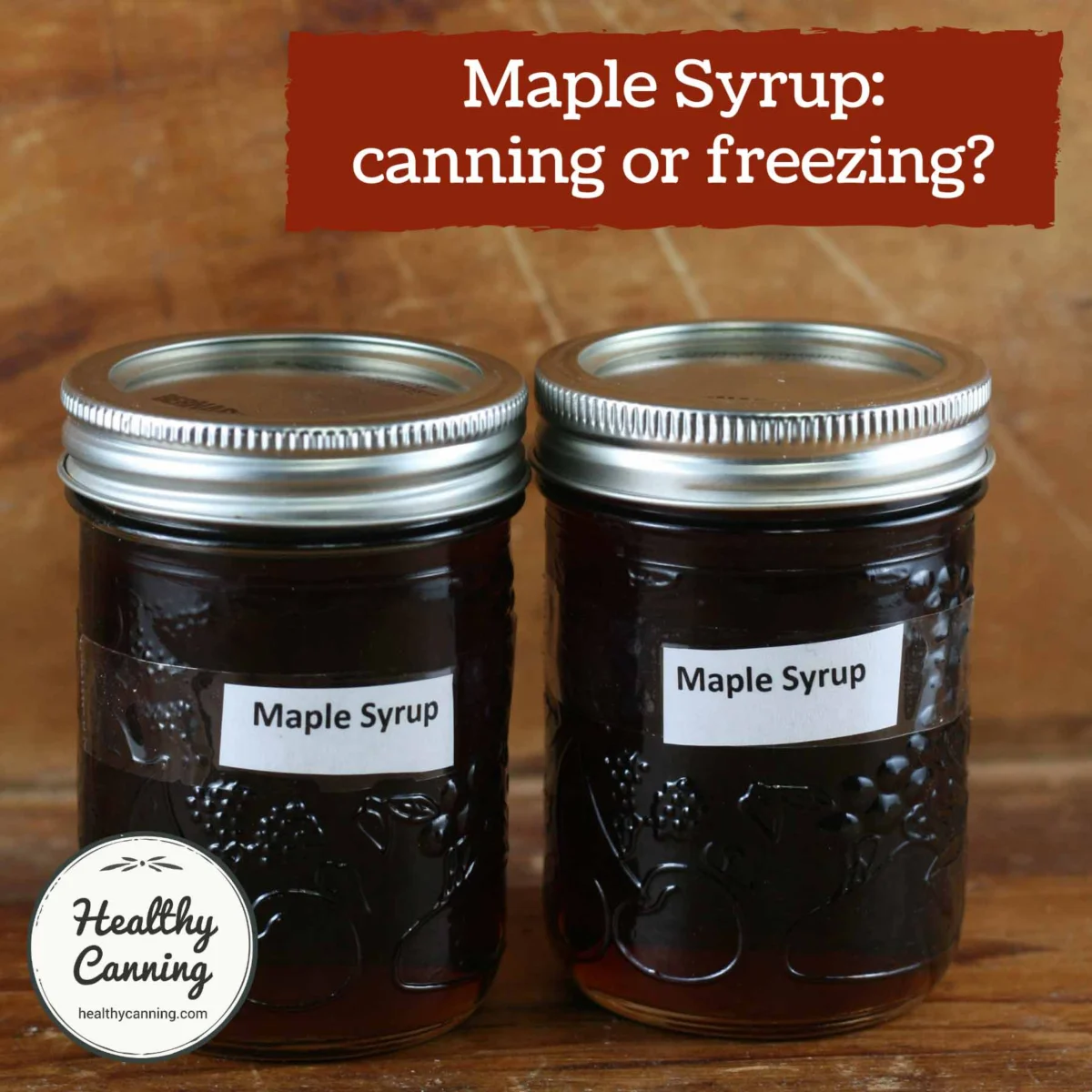
Some consumers attempt to replicate commercial preservation by heating bulk maple syrup and transferring it into smaller sealed Mason jars for ambient shelf storage. Food scientists emphasize that calling this process "home canning" is technically inaccurate because true home canning requires thermal processing of filled jars in a boiling water bath or pressure canner for a scientifically validated duration. For maple syrup, actual hot-water bath processing is explicitly discouraged because the prolonged heat destroys the delicate flavor compounds and darkens the product’s color grade. Instead, the process relies entirely on a technique known as "hot-packing" or bottling.
Agricultural extension services generally advise against home-bottling maple syrup due to severe quality degradation and high failure rates regarding mold prevention. Heating and bottling can cause unwanted caramelization, darkening, and flavor shifts. Moreover, unlike commercial facilities equipped with precision temperature controls, automated fillers, and sterile cleanrooms, home environments lack the rigorous standardization necessary to guarantee safety and prevent product loss.
Procedural Mechanics of Hot-Packing and Inversion
For individuals who choose to attempt home hot-packing rather than freezing, understanding the industrial protocols adapted for hobbyists is critical. The process requires heating the maple syrup to a specific temperature range, pouring it into preheated jars, sealing, and inverting.
- Temperature Threshold: Commercial and extension guidelines stipulate that maple syrup must be heated to between 82°C and 85°C (180°F to 185°F)—and maintained within this exact window during filling—to effectively reduce spoilage organisms.
- Container Preparation: Glass jars must be thoroughly preheated in hot water or an oven to prevent thermal shock upon contact with scalding syrup and to ensure the glass does not instantly absorb the syrup’s heat, which would drop the liquid below the necessary pasteurization threshold.
- Filling and Headspace: Containers must be filled to a minimum of 90% capacity, leaving a minimal headspace to restrict available oxygen.
- Capping and Inversion: Immediately after filling, clean lids must be securely tightened. The hot container is then inverted onto its side or placed upside down for 3 to 10 minutes. This critical "inversion" technique forces the scalding syrup into direct contact with the inner neck and cap liner surfaces, utilizing residual heat to destroy airborne mold spores that may have drifted into the container during the pouring process.
- Protective Equipment: Due to the extreme temperatures involved, handlers must wear heavy-duty silicone or rubber protective gloves to maintain a secure grip on hot glass and prevent severe burn injuries.
Downsides and Limitations of Home Bottling
Despite following hot-packing and inversion procedures, home bottlers face significant drawbacks. Research demonstrates that hot-packing does not guarantee absolute sterility. Certain heat-resistant fungal species, such as specific strains of Penicillium and Aspergillus, are capable of surviving temperatures exceeding 82°C (180°F). When spores survive, the residual oxygen trapped in the container headspace permits mold colonies to flourish, resulting in spoiled product surfaces covered in floating fungal mats.
Furthermore, raising syrup temperatures past 90°C (194°F) in an attempt to kill resilient spores triggers severe quality issues. Excessive heat causes dissolved minerals—collectively known as "sugar sand" or niter—to precipitate out of the solution, creating a cloudy, visually unappealing liquid that requires specialized fine-cloth re-filtering. Elevated heat also accelerates "stack burn," a condition where prolonged high temperatures darken the syrup grade and impart a scorched, inferior flavor profile.
Conclusion and Final Recommendation
While traditional hot-packing and bottling techniques allow commercial producers to distribute shelf-stable retail units, the complex variables of temperature control, container mass, and spore tolerance make these methods unreliable and risky for home cooks. The potential for product loss through mold spoilage, coupled with the permanent degradation of delicate maple flavors caused by excessive heating, strongly reinforces the guidance issued by agricultural extension experts. For domestic consumers managing bulk acquisitions, freezing remains the safest, easiest, and most effective method to preserve the integrity, flavor, and safety of pure maple syrup indefinitely.