
The landscape of health and fitness coaching has undergone a radical transformation since the widespread adoption of glucagon-like peptide-1 (GLP-1) receptor agonists. In 2017, when the FDA first approved semaglutide for the treatment of type 2 diabetes, the drug was largely viewed as a niche clinical intervention. By 2026, however, the pharmaceutical shift has become seismic, with recent data indicating that more than 10% of the United States adult population is currently utilizing GLP-1 medications for weight management or glycemic control. For the fitness industry, this surge initially sparked existential anxiety, with many professionals fearing that pharmaceutical intervention would render traditional coaching obsolete.
The reality, however, has proven to be far more nuanced. Rather than replacing the coach, the rise of GLP-1s has created a new, complex ecosystem that requires a specialized approach to client support. Industry experts, including those from Precision Nutrition, suggest that the most successful coaches are those who have transitioned from being "weight-loss facilitators" to "GLP-1 support specialists."
A Chronology of the GLP-1 Era
The trajectory of these medications from clinical obscurity to household name is unprecedented. Following the 2017 approval of Ozempic, the medical community initially monitored these drugs primarily for diabetic patients. The clinical pivot occurred in 2021 when the FDA approved Wegovy—a higher-dose version of semaglutide—specifically for chronic weight management. This triggered a massive consumer demand. By 2023, the cultural impact of "Hollywood’s weight loss drug" had reached a fever pitch, creating a shortage of supply that disrupted medical care for those with type 2 diabetes. By 2026, the market has stabilized, but the focus has shifted toward the long-term management of patients who are navigating the physical and psychological complexities of life on—and off—these medications.
Supporting the Patient-Client: A Data-Driven Framework
The skepticism surrounding GLP-1s often stems from the potential for muscle mass loss and the "band-aid" perception of the medication. Clinical studies have shown that without intervention, approximately 40% of the weight lost through GLP-1 usage can be attributed to lean body mass, which includes muscle tissue. This creates a critical imperative for fitness coaches: to provide the resistance training and nutritional guidance necessary to preserve metabolic health.
Coaching in this environment requires a precise understanding of the client’s "readiness level." Rather than applying a one-size-fits-all protocol, professionals are increasingly categorizing clients based on their psychological and physiological relationship with the drug.
1. The Honeymoon Phase and the Righting Reflex
Clients early in their GLP-1 journey often report high satisfaction with minimal effort. Because the medication effectively suppresses appetite and regulates glucose, these individuals may see rapid scale fluctuations without changing their exercise habits. Coaches are cautioned against the "righting reflex"—the urge to immediately lecture the client on the dangers of muscle loss or the necessity of exercise. Prematurely intervening can alienate the client. Instead, the professional strategy is to foster rapport and remain available for when the initial "honeymoon" phase inevitably wanes.
2. Managing Ambivalence and Decision-Making
A significant portion of the population remains on the fence, caught between the desire for health improvements and fear of side effects or long-term dependency. Coaches are reminded that while they cannot prescribe medication, they can provide the data necessary for the client to have an informed discussion with their physician. Utilizing tools like the "4 Crazy Questions" exercise allows clients to explore the risks of both starting and not starting the medication, moving them out of a state of paralysis and into a state of informed action.

3. Addressing the "Ready-to-Quitter"
Side effects—including nausea, vomiting, and extreme fatigue—are primary drivers for discontinuation. Data suggests that nearly 50% of users discontinue GLP-1 therapy within the first year, often due to these adverse reactions. Coaches play a pivotal role here by providing "neutral education." By normalizing the experience and helping clients identify dietary triggers or eating patterns that exacerbate symptoms, coaches can provide the support necessary for the client to remain adherent to their medical plan until the side effects subside.
The Critical Role of Nutrition and Strength Training
For the client who remains on the medication, the coaching focus must be on nutrient density. Because appetite is significantly blunted, the risk of under-fueling is severe. Coaches are now emphasizing a "small and frequent" meal strategy, prioritizing protein intake to prevent catabolic muscle loss.
Furthermore, the integration of resistance training is no longer an optional "extra"—it is a physiological necessity. For clients who have never lifted weights, the approach must be scaled. Simple, functional movements like sit-to-stands or band-resisted exercises provide a manageable entry point that protects lean mass without overwhelming the client.
Life After the Medication: The "Graduate" and the "Priced-Out"
The most challenging phase for any coach is the transition period. Whether a client is a "Graduate"—someone who has reached their goal and is intentionally weaning off—or is "Priced-Out"—someone forced off by insurance or economic changes—the risk of weight regain is significant.
Research indicates that individuals who fail to implement healthy habits while on the medication see almost universal weight regain within 18 months of cessation. Conversely, those who successfully integrate strength training and high-protein nutrition during their treatment are four times more likely to maintain a 10% or greater weight loss once the medication is stopped.
The strategy for these clients is to view the habits built during the medication phase as the "ruts in the trail." Much like wagon ruts that persist long after the wagons are gone, these neural pathways and lifestyle routines are the primary defense against the return of the hunger signals that the medication previously silenced.
Broader Implications for the Coaching Profession
The rise of GLP-1s has effectively raised the bar for what it means to be a "qualified" health coach. It is no longer sufficient to simply track calories or assign basic workouts. Today’s professional must be equipped to handle medical terminology, understand the psychosocial elements of chronic disease management, and navigate the socioeconomic barriers that prevent many individuals from accessing consistent care.
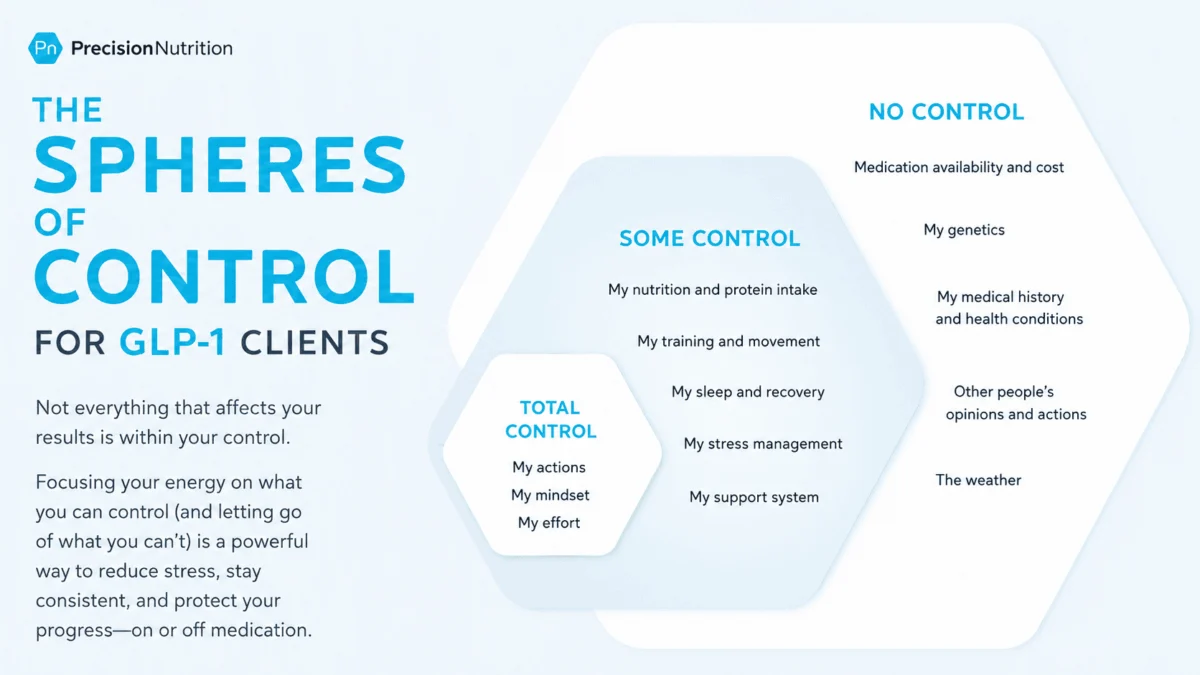
The industry is moving toward a model where coaches act as a bridge between the clinical world and the real world. By focusing on the "spheres of control"—emphasizing factors the client can influence like sleep, movement, and nutrition—coaches can empower clients to thrive regardless of their pharmaceutical status. Ultimately, the goal remains the same: the cultivation of a new identity. Whether a client is on a medication or not, the person who views themselves as someone who prioritizes protein, strength, and consistent movement is the person who will achieve sustainable, long-term health outcomes. As the landscape continues to evolve, the coaches who succeed will be those who embrace this role not as a competitor to medical science, but as an essential partner in it.