
Evolution of the Traditional Bolognese
The classic bolognese, historically known as ragù alla bolognese, is a meat-based sauce originating from Bologna, Italy. Traditionally, the dish relies on a soffritto base of finely diced onions, carrots, and celery, which is then sautéed alongside minced beef or pork, deglazed with wine, and simmered with a small amount of milk or cream to achieve a silky consistency.
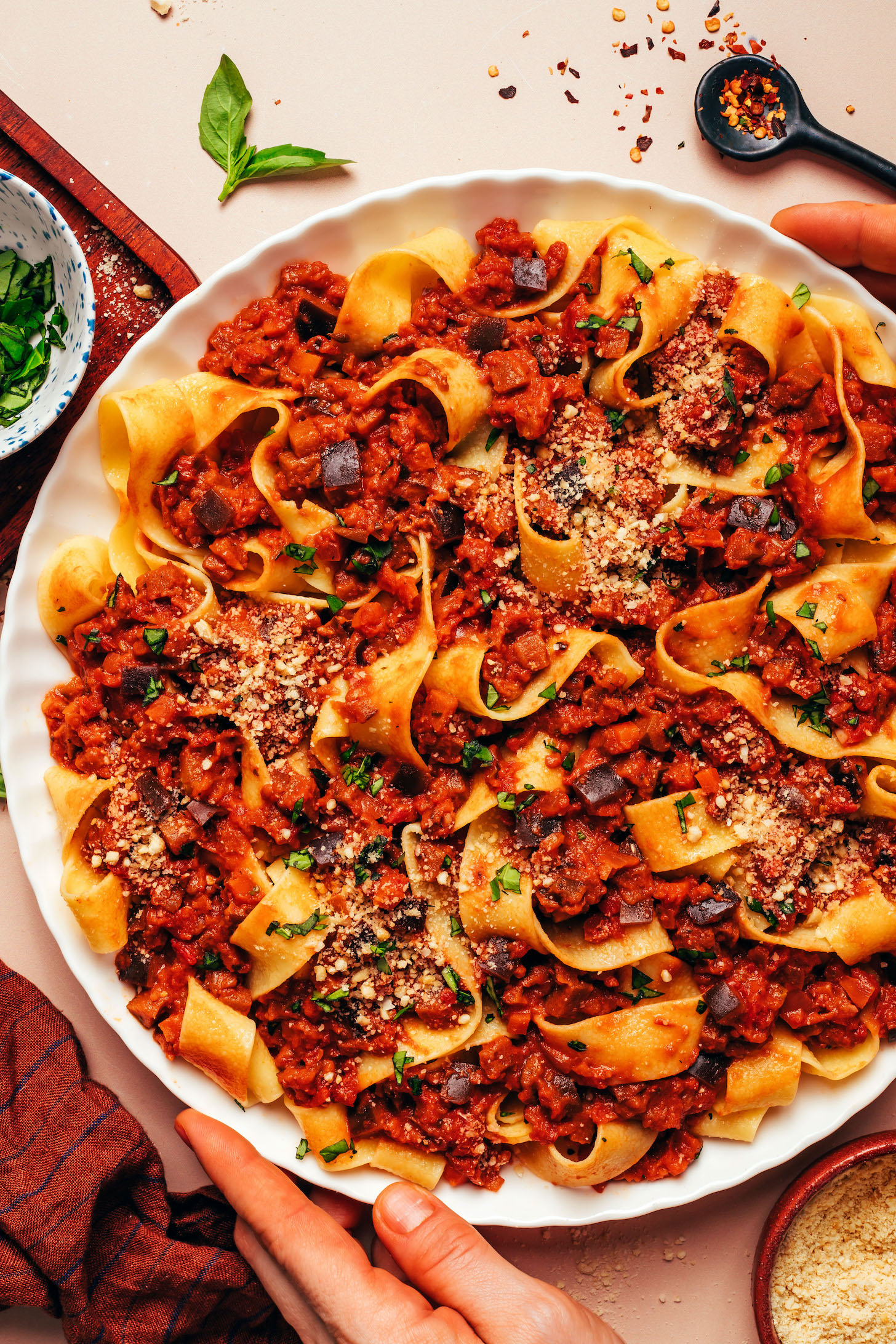
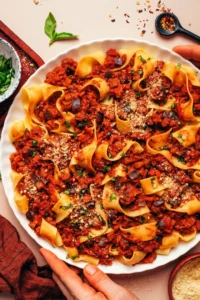
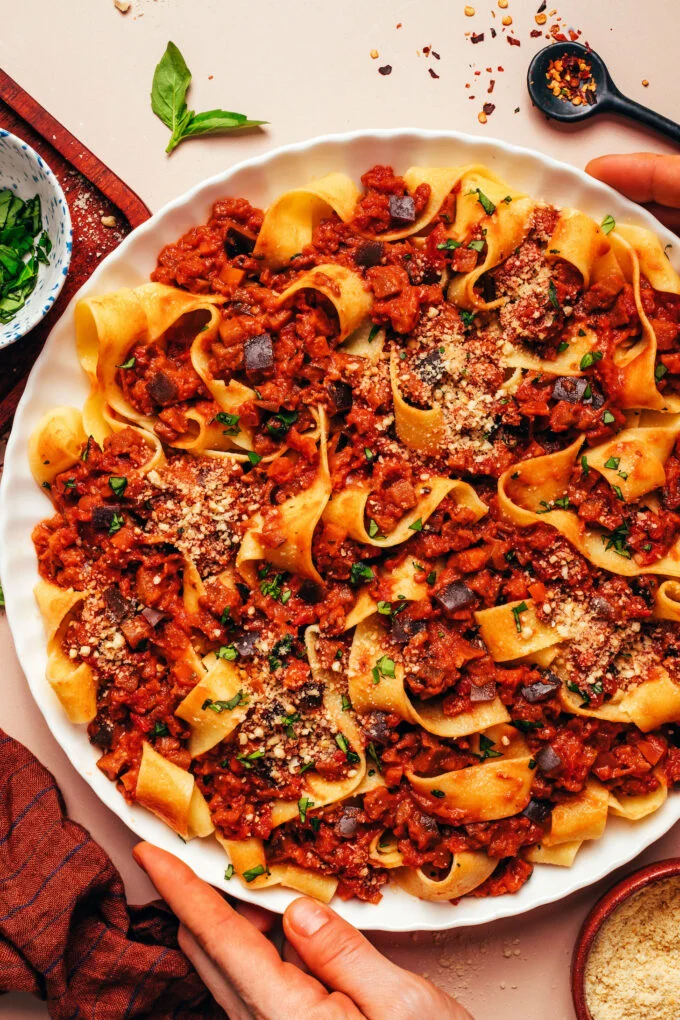
In recent years, the culinary landscape has seen a pivot toward plant-based adaptations of such staples. The rise of "veggie-forward" cooking is supported by data from the Plant Based Foods Association, which indicates that over 60% of American households now purchase plant-based food products. This specific iteration of an eggplant-based bolognese addresses a common hurdle in plant-based cooking: the need for a "meaty" texture and deep, umami-rich flavor profile without the use of animal proteins. By using cubed eggplant, which offers a soft, absorbent structure that mimics the texture of ground meat once broken down through heat, the dish achieves a familiar mouthfeel while remaining entirely vegan.
The Methodology of the One-Pot Technique
The primary efficiency of this recipe lies in its streamlined workflow, which effectively reduces the total prep and cook time to 45 minutes. The process begins with the foundational soffritto, where diced onions and carrots are sautéed to create a flavor base. The eggplant is then introduced to the pot, where it is cooked until it achieves a significant level of caramelization—a crucial step for developing the depth of flavor required to stand in for traditional meat.

The development of the sauce follows a precise sequence:
- Aromatic Base: Garlic and red pepper flakes are incorporated to provide a spicy, pungent foundation.
- Deglazing: The addition of wine serves to lift the browned bits from the bottom of the pot, integrating those concentrated flavors back into the sauce.
- Tomato Integration: Crushed tomatoes and tomato paste are added, providing the acidic backbone and color.
- Creamy Enrichment: A dairy-free alternative, such as house-made cashew milk, is introduced to provide the necessary richness that balances the acidity of the tomatoes, replacing the traditional splash of dairy milk.
- Simmering: The mixture is allowed to reduce for 20 to 60 minutes, allowing the eggplant to fully break down into the sauce, creating a thick, cohesive consistency.
Nutritional Profile and Dietary Implications
From a nutritional standpoint, the dish provides a high-fiber alternative to meat-based sauces. According to the provided recipe specifications, a single serving contains approximately 284 calories and 8.3 grams of dietary fiber. The high potassium content (1,040 mg per serving) is largely attributed to the eggplant and tomato base.

The absence of cholesterol—a direct result of the plant-based ingredients—aligns with current dietary recommendations from the American Heart Association regarding heart health. Furthermore, the inclusion of cashew milk provides a source of healthy fats without the saturated fat content associated with traditional heavy cream or dairy-based bolognese. For those seeking additional protein, the recipe allows for the modular addition of lentils or vegan meat substitutes, demonstrating the versatility of the base formula.
Industry Context and Culinary Trends
The emergence of this recipe reflects broader trends in the food blogging and digital culinary space. "Minimalist cooking," defined by a reduction in ingredients and kitchen equipment, has gained traction as consumers look for ways to reduce the cognitive load associated with meal preparation. The "one-pot" category has seen a significant increase in search volume on platforms like Pinterest and Google Trends over the past 24 months, indicating that home cooks are increasingly prioritizing convenience without sacrificing cultural authenticity or nutritional value.

Industry experts note that by offering a recipe that bridges the gap between traditional Italian techniques and modern dietary preferences, creators are effectively expanding the reach of plant-based cuisine to "veggie-skeptics." The success of this approach is measured by the scalability of the recipe; the inclusion of instructions for adding ground meat for non-vegan audiences demonstrates a pragmatic approach to recipe development that prioritizes the user’s flexibility.
Economic and Practical Considerations
The use of eggplant as a primary protein substitute is also a matter of economic efficiency. Eggplant is a seasonal vegetable that is widely available and typically more affordable than high-end plant-based meat alternatives. When combined with pantry staples like canned tomatoes, dried herbs, and aromatics, the dish serves as a budget-friendly option for families.
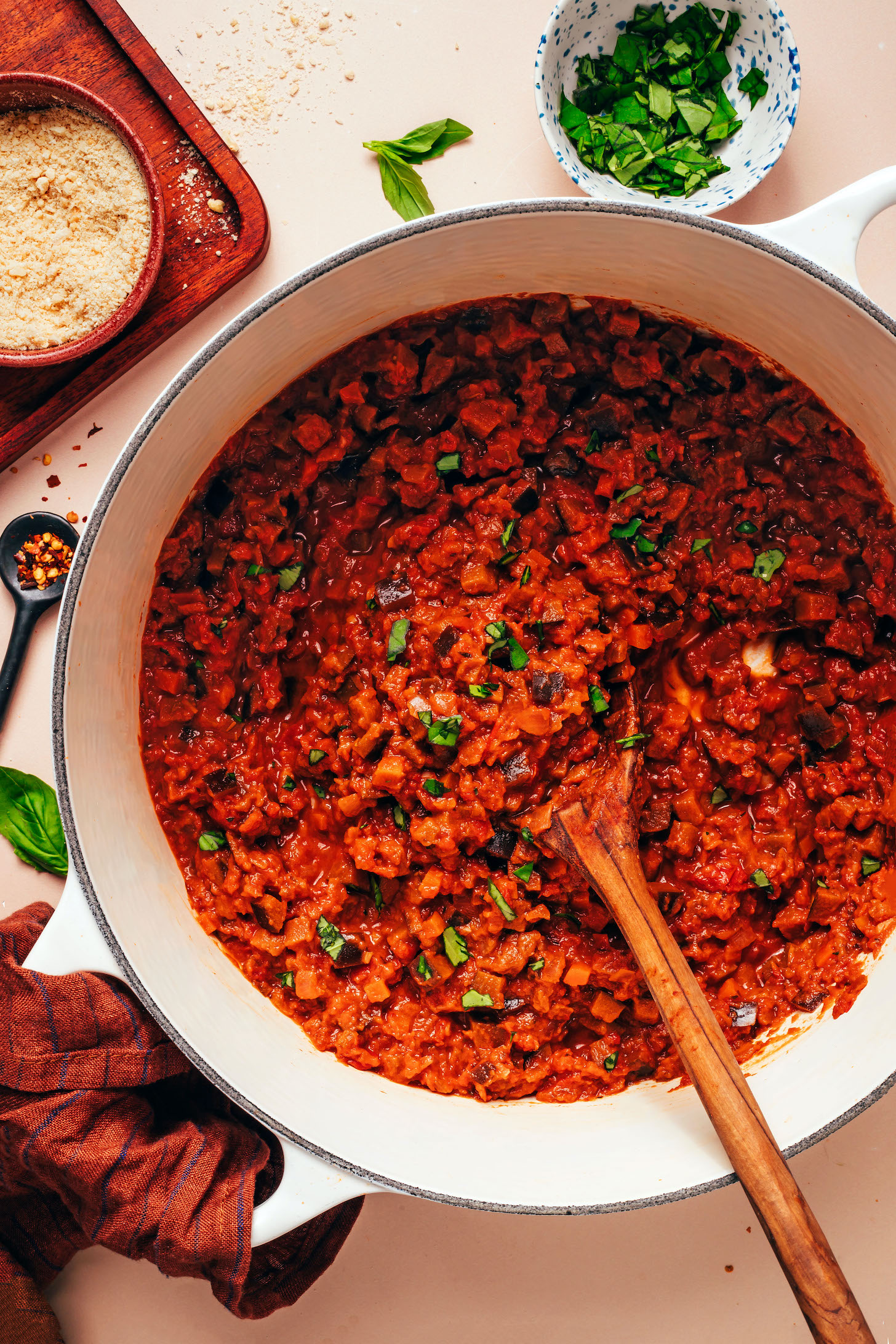
The freezer-friendly nature of the sauce—which can be stored for up to one month—further adds to its practical value. This longevity is a key selling point for urban professionals and families who rely on meal prepping to manage busy schedules. The ability to prepare a large batch in one vessel reduces the amount of dishwashing, contributing to the "low-fuss" appeal that characterizes the modern home kitchen movement.
Broader Impact on Home Cooking
The shift toward recipes like the Eggplant Bolognese represents a departure from the "complicated gourmet" era of the early 2000s, favoring a more utilitarian approach. By documenting the process with clear photographic evidence of each step—from the initial sauté to the final emulsification of the sauce—the developers provide a tutorial-style experience that demystifies the cooking process.
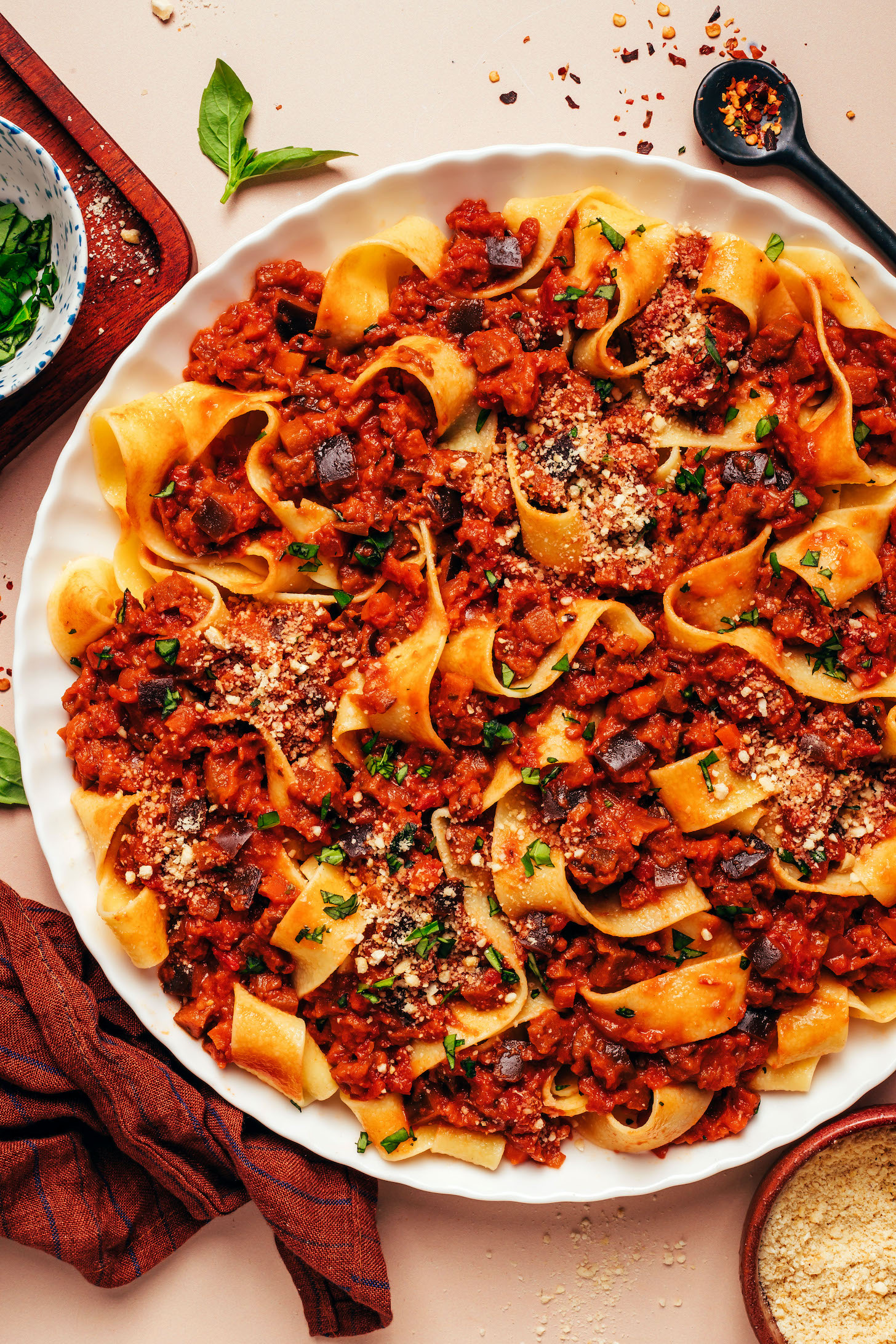
This model of instruction, combined with social media integration for feedback and community building, creates a closed-loop system of culinary development. The request for user engagement—asking for ratings and photo tags on platforms like Instagram—allows the recipe to be refined based on real-world testing. Such data-driven recipe development ensures that the instructions are accessible to amateur cooks while remaining technically sound for those with more experience.
In conclusion, the development of the one-pot eggplant bolognese serves as a case study in how traditional cultural dishes can be adapted to meet contemporary requirements for speed, health, and inclusivity. As home cooking continues to evolve, the emphasis on recipes that minimize environmental and kitchen labor while maximizing flavor will likely remain a dominant theme in the culinary industry. Whether viewed as a seasonal late-summer meal or a year-round pantry staple, the dish stands as a testament to the versatility of simple, plant-derived ingredients.