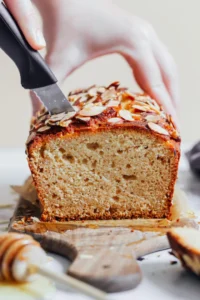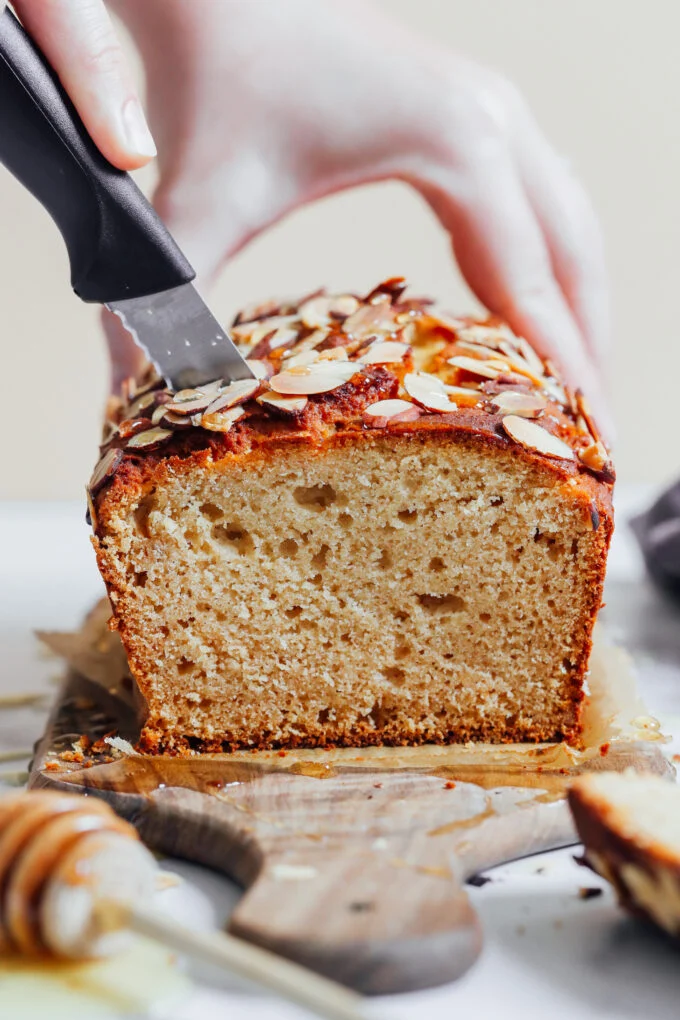

The culinary landscape has seen a significant shift toward inclusive baking, with a growing segment of the population seeking recipes that cater to gluten-free and dairy-free dietary requirements without sacrificing texture or flavor. The recent release of a one-bowl honey almond snack cake recipe highlights this trend, offering a streamlined approach to home baking that emphasizes efficiency and accessibility. By utilizing almond flour and a specialized gluten-free flour blend, this recipe addresses the common challenges associated with alternative baking, specifically the difficulty of achieving a moist, sponge-like crumb without traditional wheat-based proteins or dairy fats.
Evolution of Inclusive Home Baking
Over the past decade, the demand for gluten-free products has expanded from a medical necessity for those with celiac disease to a broader lifestyle choice for health-conscious consumers. Market research indicates that the global gluten-free food market is projected to grow significantly through 2030, driven by increased awareness of food sensitivities and the rising popularity of plant-based diets.
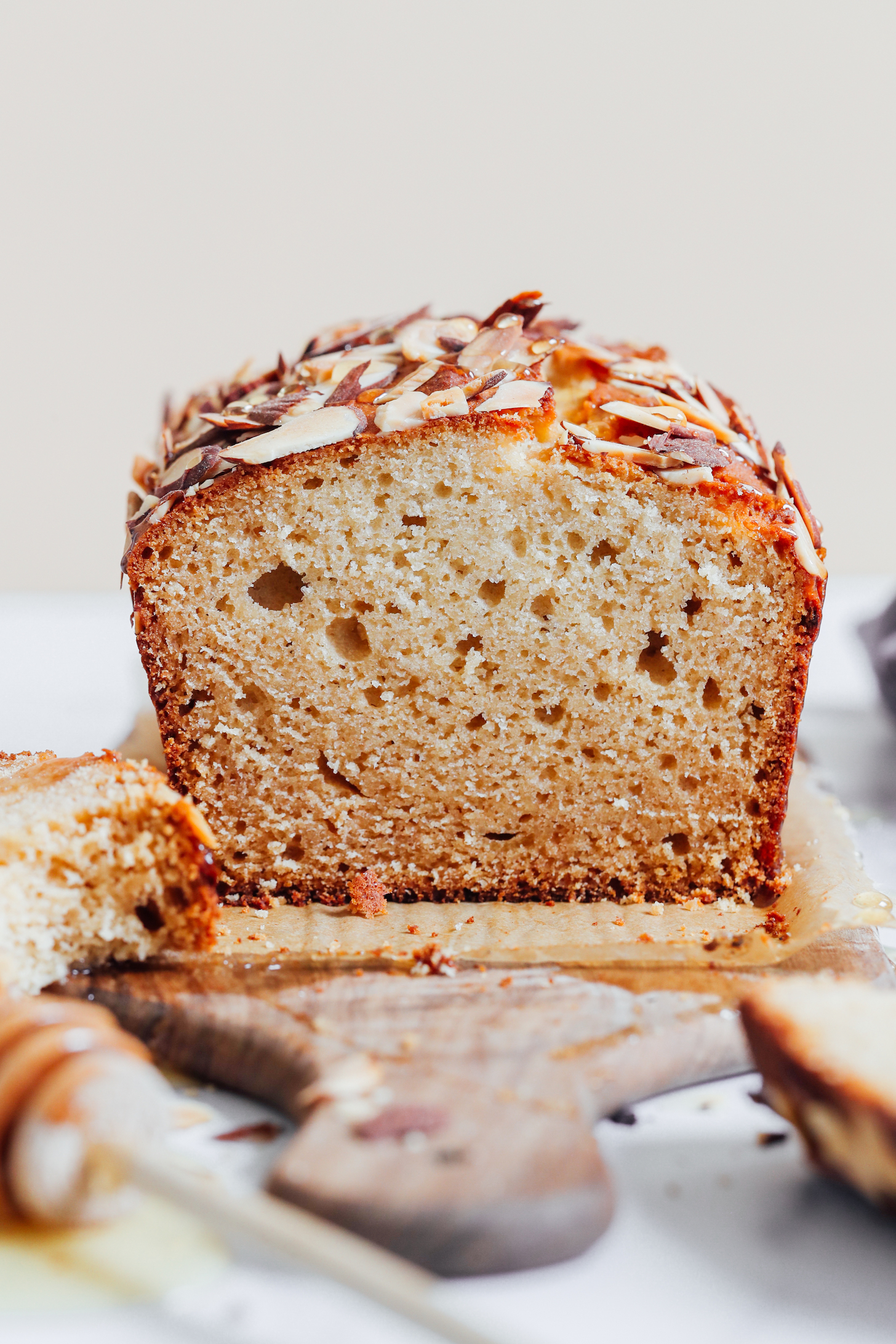
Traditional baking relies heavily on gluten—the protein complex formed by wheat—to provide structure and elasticity to cakes and breads. Removing these elements often leaves bakers with dense or dry results. The current innovation in home baking involves the strategic use of alternative binders and moisture-retaining agents. In this specific recipe, the combination of almond flour, which is rich in natural oils, and dairy-free yogurt creates the necessary lipid content to replicate the mouthfeel of traditional butter-based cakes.
Technical Composition and Preparation Methodology
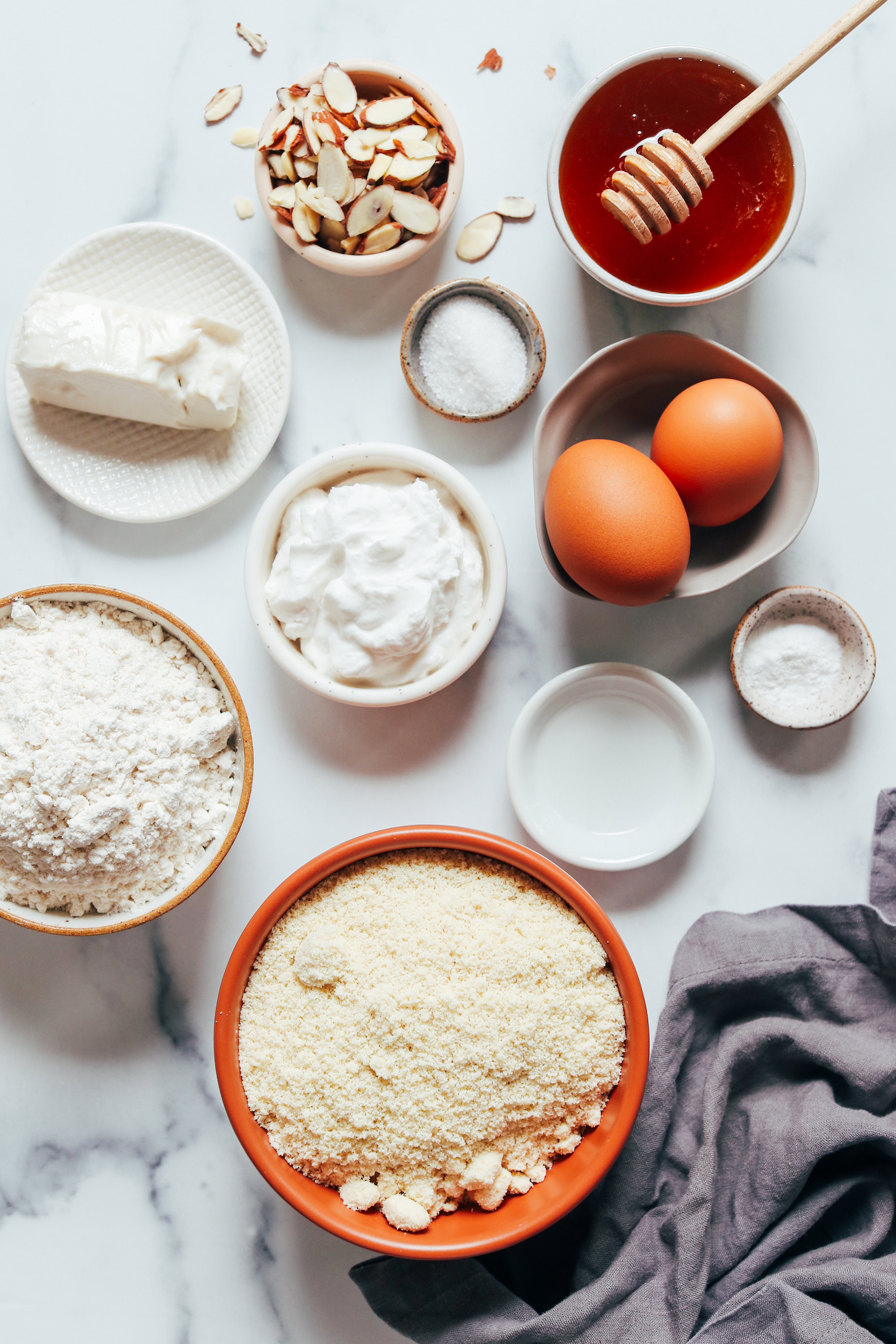
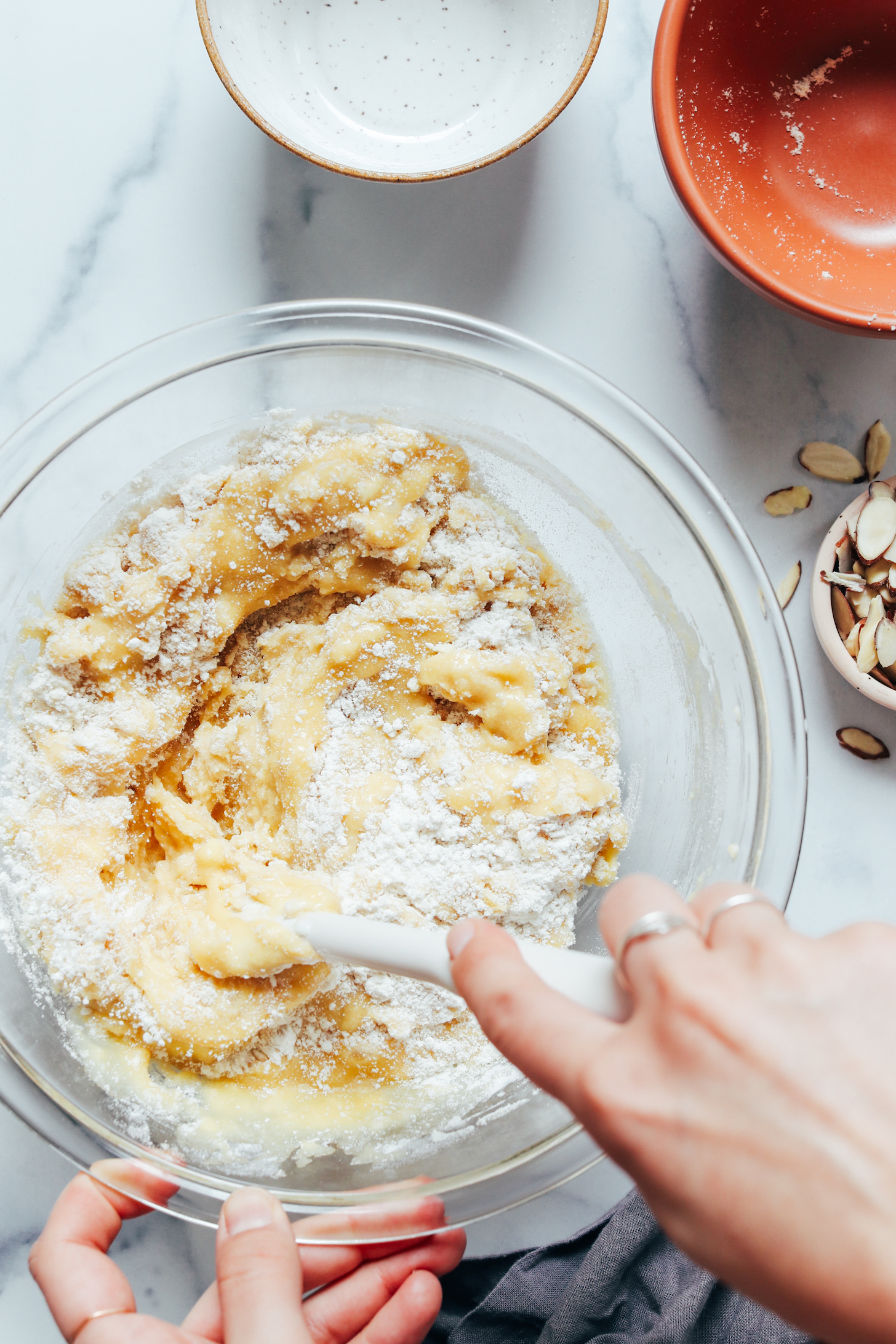
The efficiency of this recipe lies in its "one-bowl" methodology, which minimizes kitchen labor and cleanup while ensuring consistency in the emulsification process. The ingredient list is limited to ten components: almond flour, a gluten-free all-purpose flour blend, dairy-free butter, sliced almonds, dairy-free yogurt, salt, eggs, honey, and almond extract.
The preparation process involves a sequence that optimizes the chemical reactions necessary for a proper rise. By combining the wet ingredients—eggs, honey, and yogurt—with the dry ingredients in a single vessel, the baker can ensure that the hydration of the gluten-free flours is uniform. The use of parchment paper in a standard loaf pan is a critical technical step, as it serves as a non-stick barrier that prevents the delicate crumb from fracturing upon removal.
From a nutritional standpoint, this cake offers a more favorable profile for those monitoring specific dietary markers. While standard cakes often rely on refined white sugar, the reliance on honey as a primary sweetener introduces complex carbohydrates and trace minerals. Furthermore, the use of almond flour increases the protein and healthy fat content of each serving. According to current estimates, a single slice provides approximately 245 calories, 33.7 grams of carbohydrates, and 3.7 grams of protein, making it a viable option for a nutrient-dense snack rather than a purely indulgent dessert.
Industry Perspectives and Market Implications
Professional pastry chefs and food scientists have long noted that home-baking trends often mirror the innovations found in commercial artisanal bakeries. The focus on "snack cakes"—loaves that are less ornate than layer cakes but more substantial than cookies—reflects a shift in consumer habits toward "permissible indulgence."
The removal of dairy does not merely cater to those with lactose intolerance; it also aligns with the broader movement toward dairy alternatives, a sector that has seen an explosion of growth due to environmental and health considerations. By using dairy-free yogurt, the recipe leverages fermentation to provide a subtle tang, which balances the sweetness of the honey. This scientific approach—balancing pH levels and lipid profiles—is the hallmark of modern, successful recipe development.
Chronology of Preparation and Service
The preparation timeline is optimized for the contemporary home cook. The process requires approximately 10 minutes of active prep time, followed by a 45-minute bake time. This 55-minute total duration is designed to fit into the schedules of busy households.
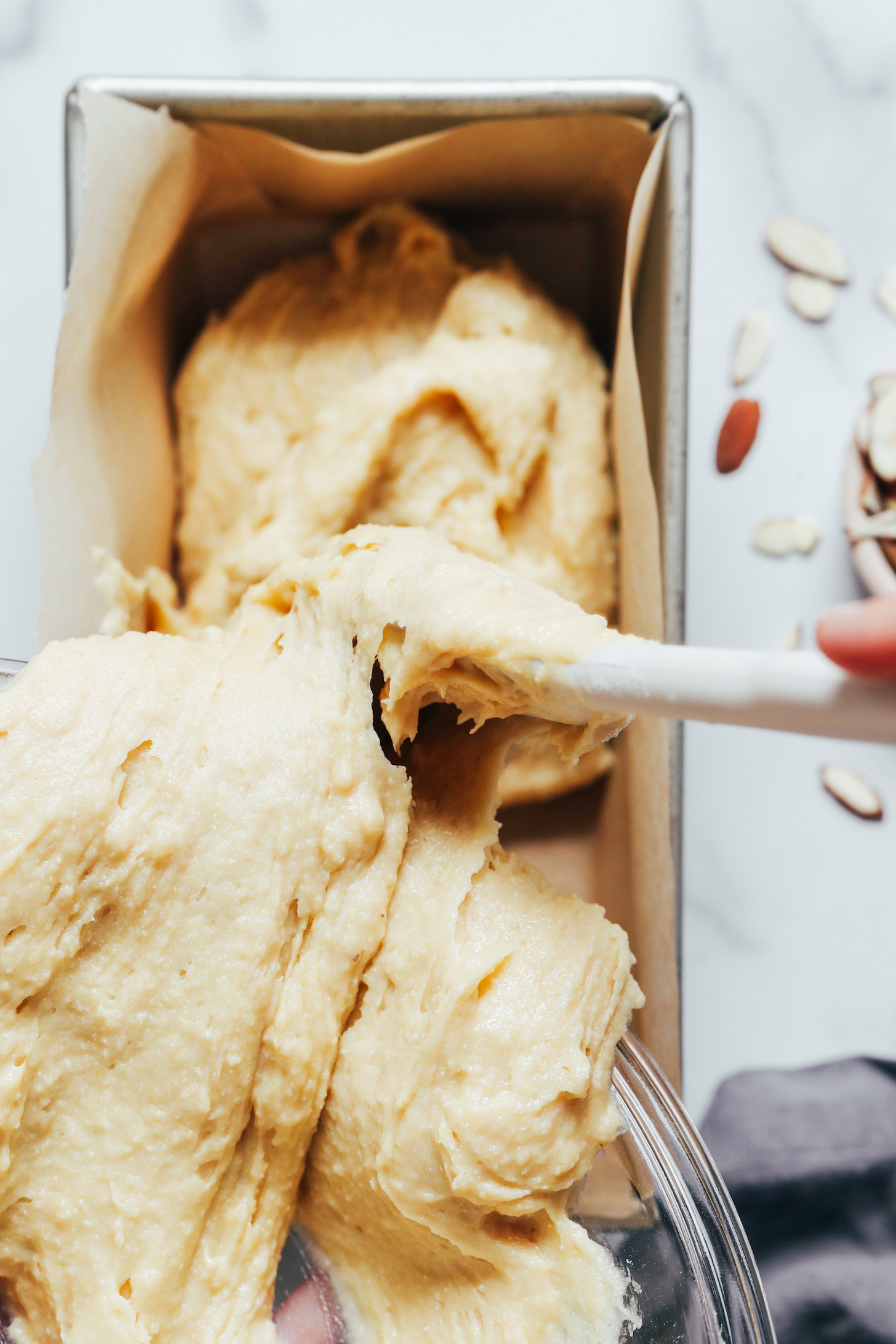
- Initial Phase (0–10 Minutes): Assembly of ingredients and preheating the oven. The use of a single bowl reduces the need for heavy kitchen equipment, such as electric stand mixers.
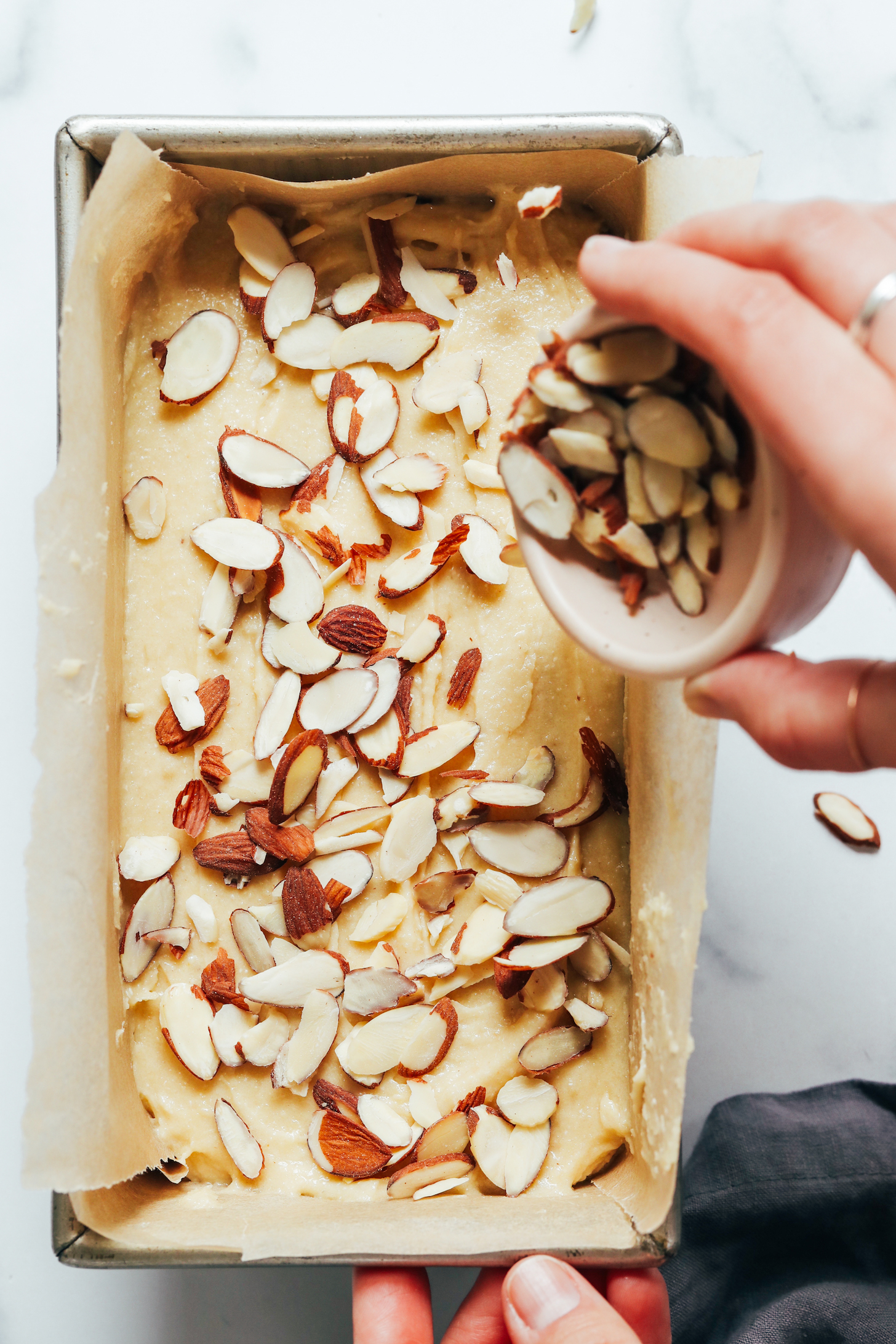
- Intermediate Phase (10–55 Minutes): The baking period in a temperature-controlled environment. The use of sliced almonds as a topping provides a structural crust that protects the top of the cake from drying out during the Maillard reaction.
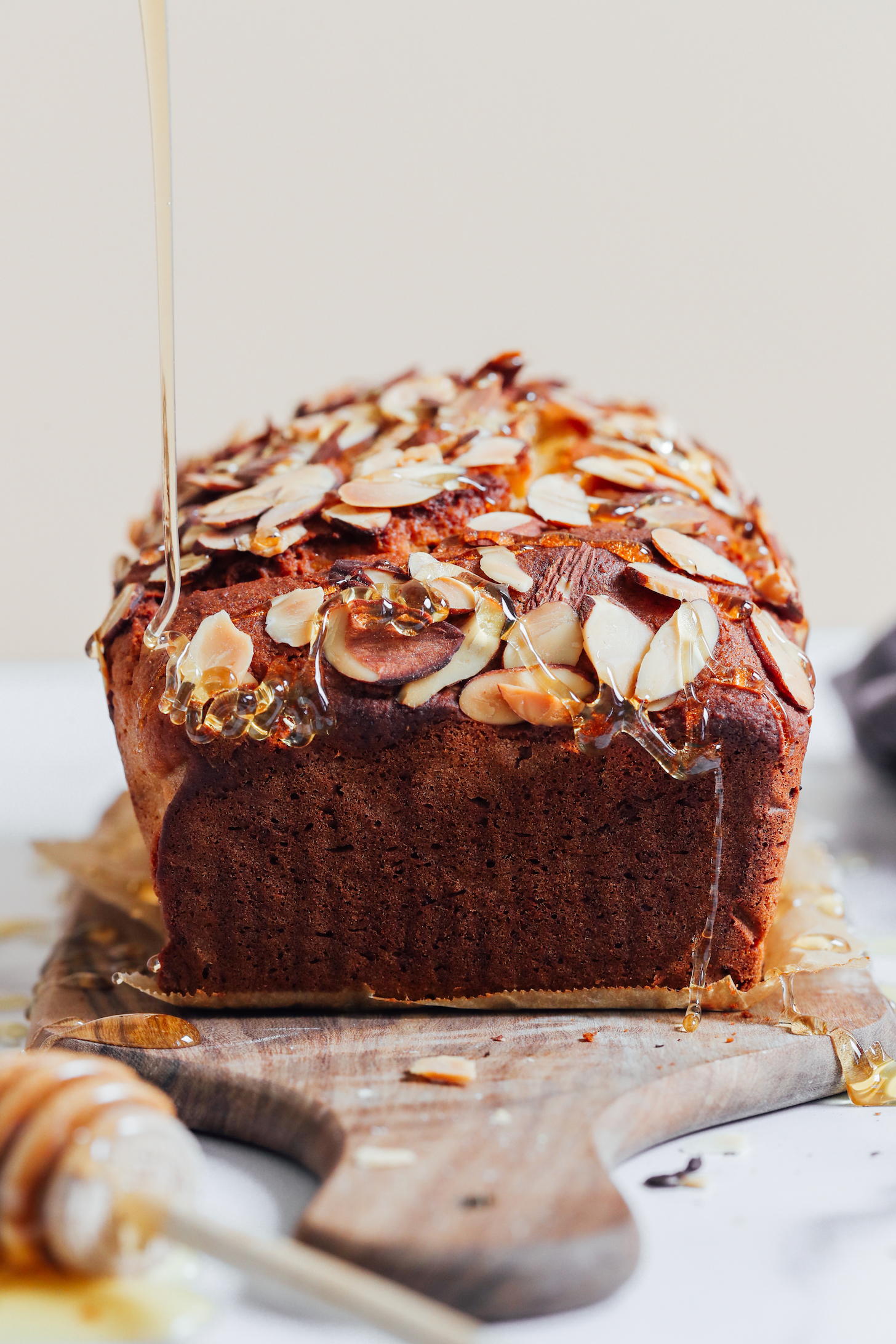
- Cooling and Finishing: A critical, often overlooked step, where the cake is allowed to stabilize. The final addition of a honey drizzle post-bake enhances the floral notes and provides a visual aesthetic often associated with high-end café offerings.
Broader Impact on Dietary Accessibility
The democratization of professional-quality, gluten-free baking through platforms that share accessible recipes has had a measurable impact on the domestic food economy. As more individuals gain confidence in baking at home, there is a corresponding increase in the purchase of specialized ingredients like almond flour and alternative flours, which encourages supermarkets to stock these items more reliably.
Furthermore, the "one-bowl" format serves as an entry point for novice bakers. By reducing the barrier to entry—specifically the intimidation factor of complex multi-step techniques—this recipe encourages culinary experimentation. The flexibility of the recipe, including potential modifications for egg-free requirements using alternatives like applesauce or aquafaba, demonstrates a sophisticated understanding of ingredient substitution, which is a vital skill for anyone managing a restrictive diet.
Analysis of Future Trends
As the culinary industry looks toward the next phase of development, the focus remains on "undetectable" alternatives. The goal is no longer just to create a cake that is gluten-free, but to create a cake that is indistinguishable from its wheat-based counterpart. The honey almond snack cake serves as a case study for this trend. Its success lies in the balance of moisture, crumb structure, and flavor intensity.
Looking ahead, we can expect to see more recipes that prioritize pantry-staple efficiency. The trend toward using ingredients that are both shelf-stable (like flours) and fresh (like eggs and yogurt) suggests that the future of home baking will continue to prioritize convenience without compromising on dietary inclusivity.
Ultimately, the popularity of such recipes underscores a fundamental shift in how modern consumers view their food. There is an increasing demand for transparency, simplicity, and versatility. By stripping away the unnecessary complexities of traditional baking—without sacrificing the sensory experience—this recipe provides a blueprint for the future of the home kitchen. Whether served with tea or coffee, this snack cake represents the intersection of health, convenience, and professional-grade culinary results, proving that restricted diets do not have to result in restricted flavor profiles.