
The modern landscape of craft beverages has witnessed a profound renaissance in ancient fermentation styles, with mead—often celebrated as the world’s oldest fermented drink—taking center stage in contemporary experimentation. Among the most intriguing modern adaptations of this ancient craft is the bochet, a traditional style that incorporates caramelized honey, which has recently inspired boundary-pushing variations such as the Coca-Cola bochet. As homebrewers increasingly turn to unconventional adjuncts, culinary science, and historical techniques to redefine the boundaries of fermentation, beverages that bridge the gap between commercial soda culture and medieval brewing traditions are capturing the imagination of both amateur enthusiasts and professional beverage developers alike.
Understanding the Roots of Mead and the Bochet Technique
To appreciate the modern fascination with avant-garde meads, one must first examine the foundational history of the beverage. Mead is fundamentally a fermented alcoholic drink produced by combining honey with water, often infused with various fruits, spices, grains, or hops, and fermented with yeast. Historical evidence suggests that primitive mead was consumed thousands of years before recorded history, spanning diverse cultures from ancient China and Greece to Norse and Celtic societies.
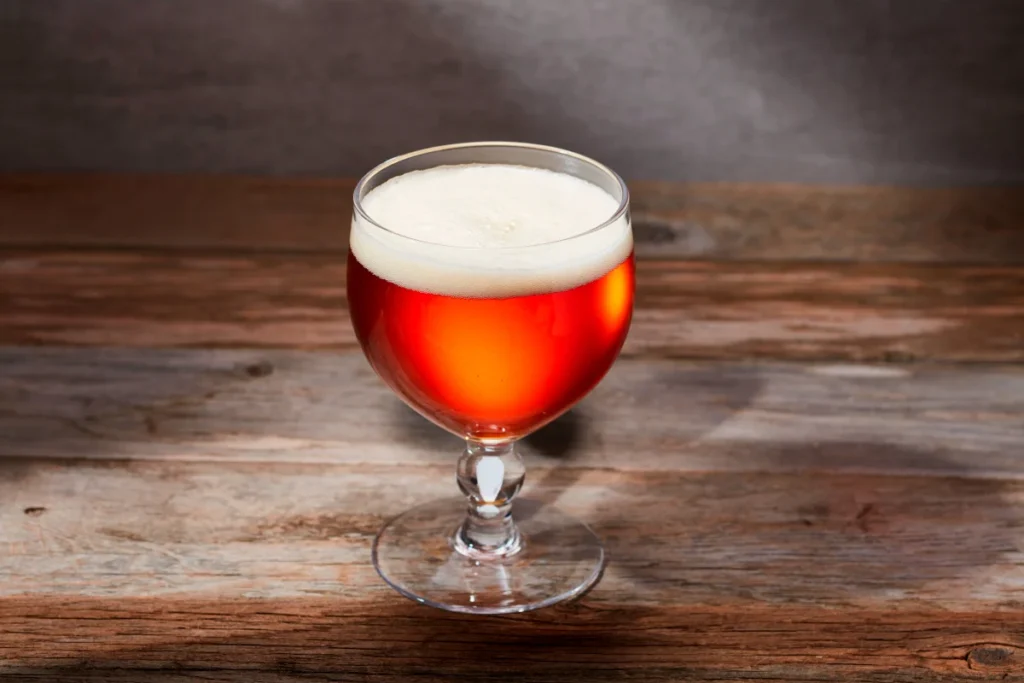
Within the broader spectrum of meadmaking, the bochet occupies a distinct and specialized niche. Originating as a French historical style, a traditional bochet is created by boiling or caramelizing the honey before water and yeast are introduced. This prolonged thermal processing alters the chemical composition of the honey, breaking down complex sugars and producing Maillard reaction compounds. The resulting beverage typically exhibits deep, complex flavor profiles characterized by notes of toasted marshmallow, dark caramel, toffee, molasses, and subtle dark-fruit undertones.
Over the past decade, the American Homebrewers Association (AHA) and similar global organizations have reported a steady surge in specialty mead entries at regional and national competitions. Brewers are no longer content with standard fruit-and-honey combinations (melomels) or spiced meads (metheglins); instead, they are looking toward molecular gastronomy and everyday consumer products to inspire their next batches. The integration of commercial colas, such as Coca-Cola, into the bochet-making process represents a logical, albeit highly experimental, extension of this culinary curiosity.
The Chemistry and Methodology Behind Soda-Infused Meads
Crafting a hybrid beverage that incorporates a mass-market carbonated soft drink alongside caramelized honey requires a sophisticated understanding of fermentation dynamics, sugar density, and yeast health. Commercial colas introduce several unique variables into a must—the unfermented mixture of honey, water, and additives prior to fermentation.
Colas typically contain carbonation, high-fructose corn syrup or cane sugar, phosphoric acid, caffeine, and a proprietary blend of flavor extracts that often feature citrus oils (orange, lime, lemon), cinnamon, vanilla, and other secret botanicals. When a brewer decides to experiment with a soda-infused bochet, they must account for the initial acidity and preservative loads present in the commercial product. Phosphoric acid, for instance, lowers the pH of the must significantly. While a moderately acidic environment is beneficial for preventing bacterial contamination during the early stages of fermentation, an excessively low pH can shock or stall standard wine and mead yeast strains, leading to sluggish fermentations or off-flavors.
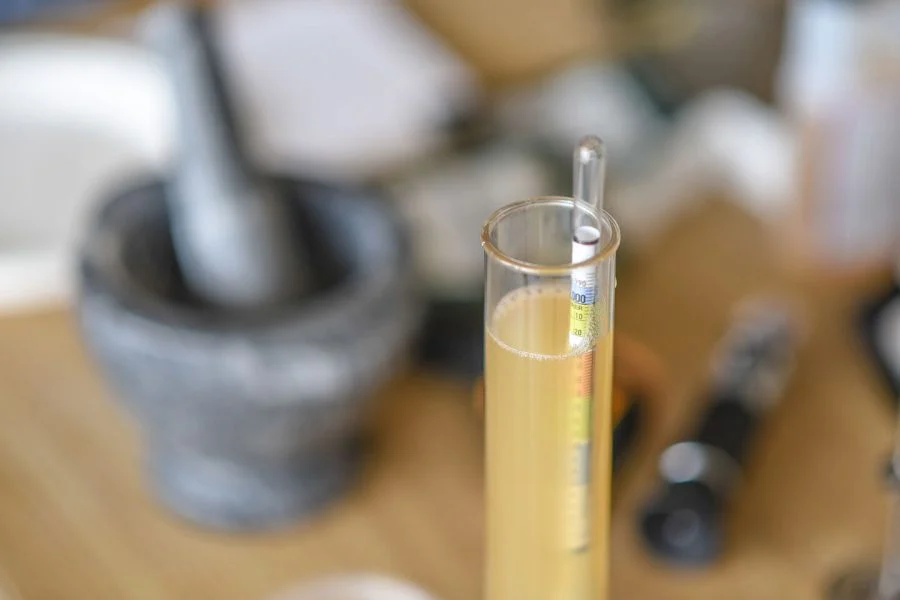
Furthermore, the addition of pre-caramelized honey combined with the simple sugars from the soda creates an exceptionally high original gravity (OG)—a measure of the sugar concentration in the liquid. Brewers must carefully calculate yeast nutrient additions, oxygenation levels, and temperature control to ensure that the yeast can metabolize the complex mixture without producing excessive higher alcohols or sulfur compounds. The caramel notes of the bochet complement the spice notes of the cola, resulting in a finished product that bridges the gap between a traditional dessert wine, a fortified beverage, and a nostalgic soda.
The Broader Context of Homebrewing Innovation and Community Engagement
The rise of recipes like the Coca-Cola bochet highlights a broader cultural shift within the global homebrewing community. Platforms such as the American Homebrewers Association play a critical role in documenting, vetting, and sharing these unconventional techniques. Through member-exclusive recipe portals, forums, and educational seminars, homebrewers continuously test the limits of traditional style guidelines, pushing the envelope of what beverages can taste like.
Industry analysts note that homebrewing has evolved from a purely economical hobby—once pursued primarily to bypass commercial taxes or mass-market homogenization—into a vibrant, creative outlet akin to artisanal cooking or craft-cocktail mixing. Enthusiasts invest significant time and financial resources into temperature-controlled fermentation chambers, water chemistry adjustments, and specialized yeast strains.

This culture of experimentation does not exist in a vacuum; it frequently bleeds into the commercial craft beverage sector. Many contemporary craft breweries and meaderies began as garage-based hobbyists tinkering with unconventional ingredients. When a homebrewer successfully stabilizes a complex, high-risk recipe like a cola-infused bochet, the formulation can serve as the blueprint for small-batch commercial releases that appeal to adventurous consumers seeking novelty.
Challenges, Regulatory Considerations, and Quality Control
While experimentation yields exciting sensory experiences, it also presents distinct challenges for both amateur and professional makers. One of the primary hurdles in utilizing commercial food products like Coca-Cola in fermentation is consistency. Commercial formulations can vary slightly by region, and the inclusion of proprietary flavor compounds can sometimes yield unpredictable results when subjected to yeast metabolism.
Additionally, quality control becomes paramount. The high sugar content inherent in both honey and soda means that without proper stabilization—either through chemical agents like potassium sorbate and campden tablets, cold crashing, or sterile filtration—bottled meads can undergo refermentation. This poses a safety risk, as refermentation in a sealed glass bottle can lead to excessive pressure buildup, resulting in exploding bottles and potential injury.
From a regulatory standpoint, homebrewers operate under specific legal frameworks that allow personal consumption and competition entry but strictly prohibit commercial sale without the appropriate federal, state, and local licensing. As commercial meaderies look to replicate the innovative flavors born in homebrewing circles, they must navigate complex compliance issues regarding the labeling of beverages that combine honey wine bases with commercial additives.
Economic and Market Implications for the Craft Beverage Industry
The intersection of ancient mead traditions and modern consumer culture has significant economic implications for the broader beverage market. Mead has historically struggled with consumer awareness, often pigeonholed as a niche medieval-themed novelty rather than a versatile, premium dining beverage. However, by embracing playful, accessible flavor profiles that resonate with modern palates—such as the nostalgic notes of cola combined with the artisanal depth of caramelized honey—producers are successfully dismantling these perception barriers.
Market research indicates a growing consumer appetite for "blended category" beverages, which defy traditional classifications by combining elements of beer, wine, cider, and spirits. Experimental meads fit neatly into this trend, attracting younger demographics who prioritize novelty, bold flavor pairings, and a story behind what they drink.
As educational resources hosted by organizations like the American Homebrewers Association continue to demystify complex brewing techniques, the barrier to entry for mastering advanced styles like bochets decreases. This democratization of brewing knowledge fosters a continuous loop of innovation, where everyday homebrewers act as an R&D department for the wider fermentation industry.
Future Outlook for Experimental Fermentation
Looking ahead, the trajectory of meadmaking and experimental homebrewing points toward increased cross-pollination between culinary arts and beverage science. As brewers gain access to advanced analytical tools—such as digital refractometers, pH meters, and specialized nutrient protocols—the margin for error in producing unconventional batches shrinks, allowing for greater creative risks.
Whether variations like the Coca-Cola bochet remain a niche pursuit for adventurous hobbyists or inspire a broader commercial trend, they underscore a fundamental truth about human culinary history: fermentation is a living art form. By respecting ancient foundations while fearlessly embracing modern adjuncts, today’s fermenters ensure that the ancient craft of mead remains as vibrant, surprising, and relevant as ever.