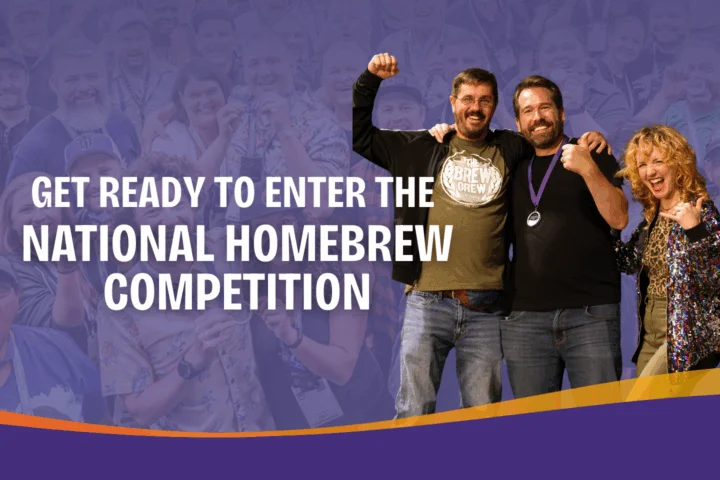

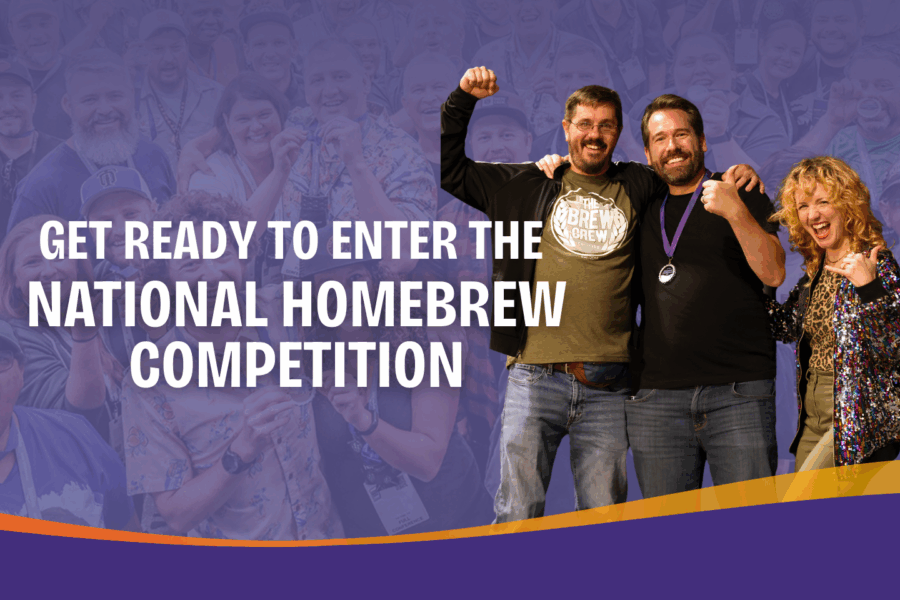
The American Homebrewers Association (AHA) has officially announced the upcoming launch of the 2026 National Homebrew Competition (NHC), marking the 48th consecutive year of the world’s largest and most prestigious amateur brewing event. Supported by the Beer Judge Certification Program (BJCP), the historic competition continues a tradition that began in 1979, serving as a cornerstone for the global craft brewing community. As the homebrewing landscape undergoes significant structural shifts, the 2026 tournament represents a pivotal moment of continuity and renewal for hobbyists across the globe who specialize in crafting beer, cider, and mead.
Since its inception nearly five decades ago, the National Homebrew Competition has received more than 170,000 entries. Each submission reflects the technical precision, creative experimentation, and deep-seated passion of amateur brewers. The competition has historically acted as a proving ground and a cultural incubator for the craft beer industry, with numerous commercial craft breweries tracing their origins back to recipes perfected and awarded on the NHC stage.
A Transition Era for the American Homebrewers Association
The 2026 competition carries unique administrative significance. In July 2025, the American Homebrewers Association officially transitioned into an independent organization. Following this structural milestone, the newly established administrative staff, alongside dedicated volunteer member leaders serving on the AHA Founding Board and Events Committee, have dedicated months to preparing the 2026 NHC. Organizers have emphasized that the upcoming event is designed to honor the legacy of the competition while introducing operational refinements intended to elevate the participant experience.
According to leadership within the organization, the transition to independence has allowed for a renewed focus on core member benefits, chief among them being world-class competitive platforms like the NHC. The collaborative efforts between staff and the Events Committee are aimed at streamlining logistics, enhancing the quality and depth of judging feedback, and fostering an inclusive environment for both veteran competitors and first-time entrants.
Structure and Expectations for the 2026 Competition
While comprehensive logistics regarding the 2026 competition cycle are scheduled for official release in February, organizers have outlined the foundational framework of what participants can expect. The competition will once again evaluate entries across an extensive spectrum of styles encompassing traditional beers, complex ciders, and sophisticated meads.
The NHC operates through a rigorous multi-tier evaluation system. Typically, the competition begins with first-round judging held at various regional sites across the United States. Entries that achieve high scores during these regional evaluations advance to the prestigious Final Round, where a panel of master-level judges—certified extensively through the BJCP—determines the gold, silver, and bronze medalists in each official category, as well as the highly coveted Homebrewer of the Year award.
For participants, the competition offers more than just the pursuit of hardware; it provides an invaluable educational resource. Detailed score sheets completed by certified judges offer granular technical feedback on fermentation profiles, aroma, appearance, flavor balance, and adherence to style guidelines. This feedback loop has historically been cited by amateur brewers as one of the most effective tools for refining recipes and advancing brewing science at the hobbyist level.
Strategic Advice for Prospective Competitors
As planning for the 2026 NHC progresses, experienced competitors and competition organizers recommend that brewers begin strategic preparations well in advance of the official registration window. Navigating the complexities of the BJCP style guidelines requires meticulous attention to detail, from water chemistry and malt selection to yeast management and packaging practices.
Seasoned NHC participants frequently emphasize several best practices for success:
- Style Adherence: Carefully review the specific sub-category definitions outlined by the BJCP. Even minor deviations in gravity, bitterness, or color can impact a beer’s score in a rigorous competitive environment.
- Process Documentation: Maintain comprehensive brew logs. Understanding the exact parameters of a batch allows a brewer to replicate successes or correct flaws identified in previous feedback sheets.
- Packaging and Storage: Ensure that entries are packaged correctly—typically in standard bottles or cans without distinctive markings—and stored under temperature-controlled conditions to prevent oxidation or off-flavors from developing prior to judging.
- Timeline Management: Monitor official announcements regarding registration dates, drop-off windows, and shipping deadlines closely to avoid logistical bottlenecks.
Broader Impact and Implications for the Craft Brewing Industry
The endurance of the National Homebrew Competition for nearly half a century underscores the enduring vitality of the homebrewing hobby. Beyond its immediate community, the NHC plays a vital role in the broader fermentation ecosystem. Amateur brewing has long served as the research and development wing of the commercial craft beer industry. Countless professional brewmasters, head brewers, and proprietors of award-winning taprooms first honed their craft in garages, basements, and kitchens, testing the limits of adjuncts, wild fermentation, barrel aging, and historical style revivals within the safety of the homebrewing community.
Furthermore, the rigorous standards upheld by the BJCP judges during the NHC help elevate the sensory literacy of the entire beverage community. Consumers who engage with homebrewing often develop a deeper appreciation for quality control, flavor chemistry, and the complex agricultural supply chains underlying malted grains, hops, and specialty yeasts.
Looking Ahead: Key Dates and Information Rollout
The official release of the complete 2026 NHC rulebook and schedule is slated for February. When published, the documentation will provide prospective entrants with precise dates for registration, regional shipping instructions, drop-off center locations, category breakdowns, and information regarding the Final Round event, including host hotel accommodations and associated conference activities.
Organizers encourage all interested participants, volunteers, and supporters to monitor official communications channels and subscribe to the American Homebrewers Association newsletter to ensure timely receipt of critical competition updates. As the 2026 season unfolds, the homebrewing community stands poised to demonstrate once again the creativity, camaraderie, and technical excellence that have sustained the movement for nearly fifty years.