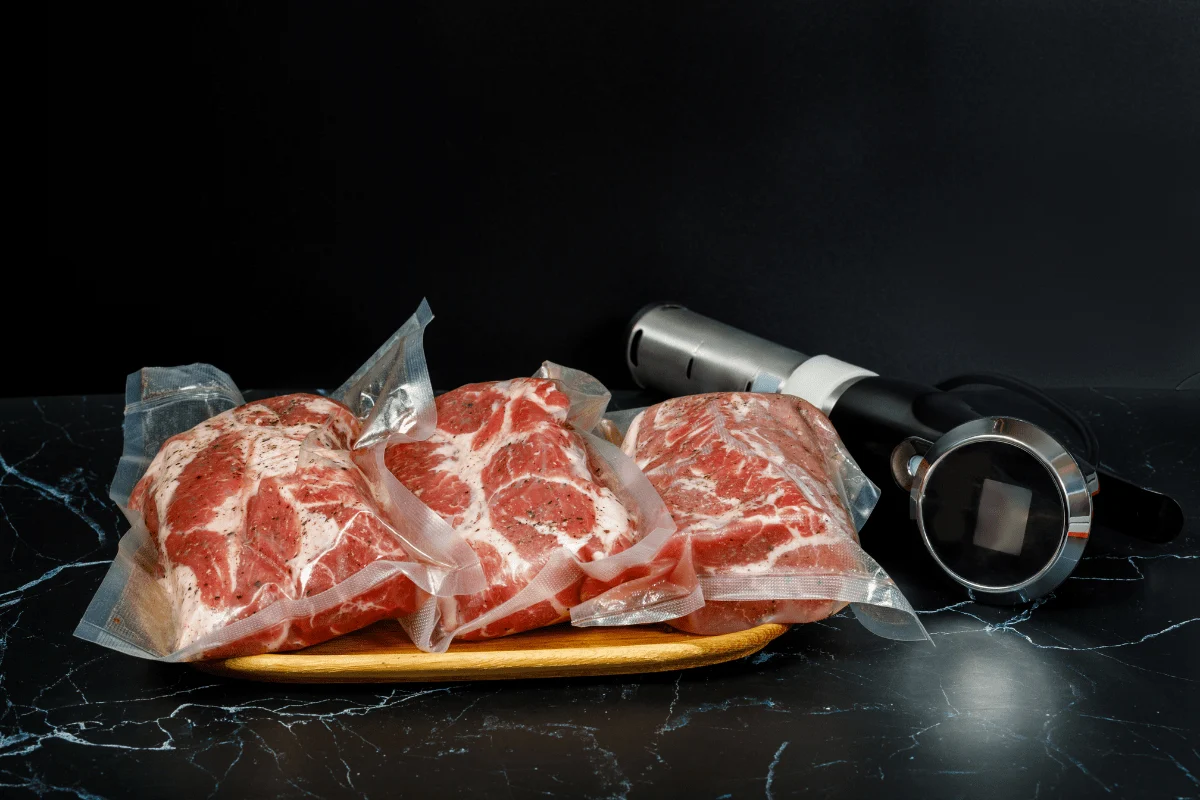

My journey into the world of sous vide began in the rigorous environment of culinary school, where a substantial, multi-compartment water bath served as our primary tool for meticulously comparing proteins cooked via sous vide against traditional methods. The results were nothing short of revelatory. Subsequently, my entry into the professional restaurant industry coincided with a pivotal moment: the burgeoning availability of sous vide technology. This allowed me to gain intensive, hands-on experience with these advanced cooking systems. Drawing upon over a decade of dedicated use of industry-leading commercial sous vide machines, this comprehensive guide aims to equip you with the knowledge to select the optimal equipment, enhance operational efficiency, and achieve significant cost savings within any commercial kitchen.
Our Top Picks for Commercial Sous Vide
In the demanding landscape of professional kitchens, where consistency, precision, and durability are paramount, selecting the right sous vide equipment can significantly impact operational efficiency and culinary outcomes. After extensive testing and real-world application, two units stand out for their exceptional performance and value.
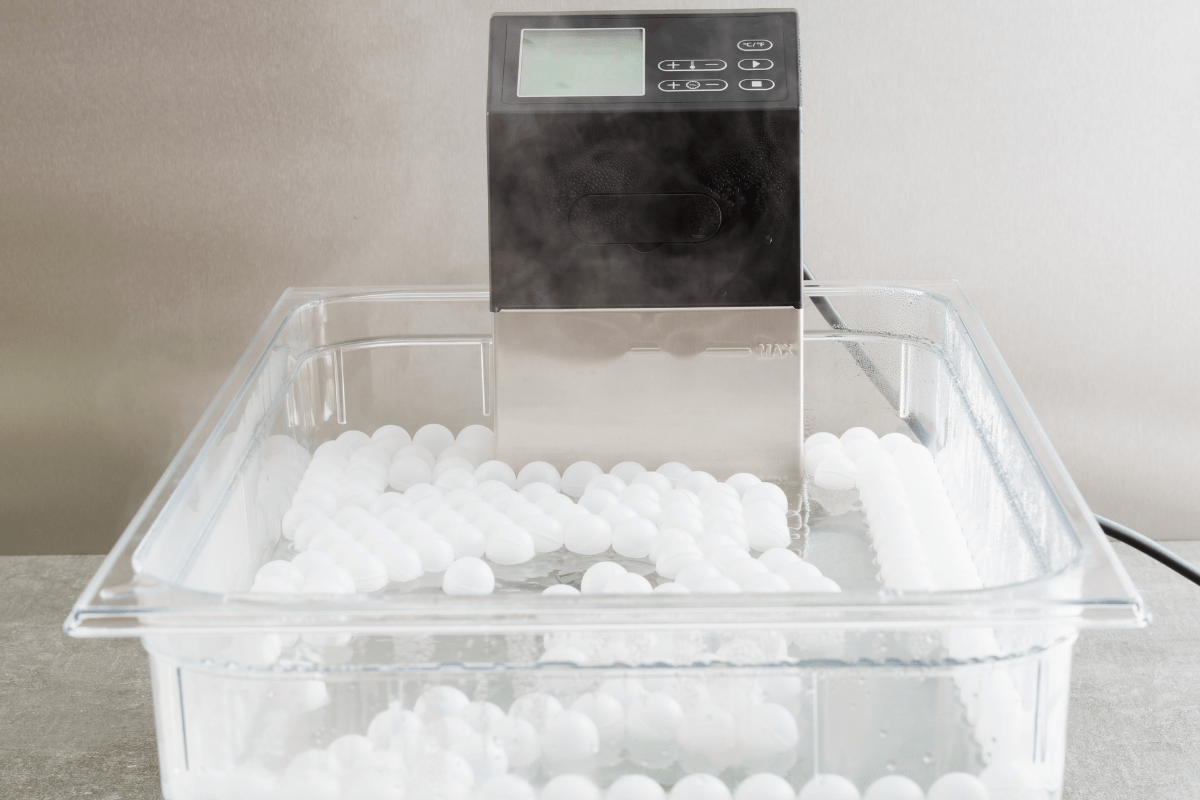
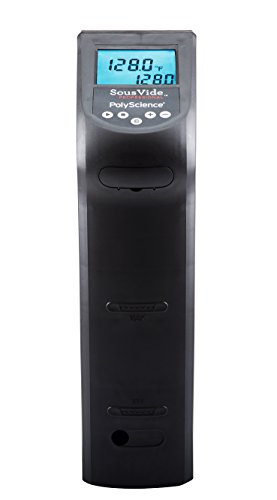
Best Overall: PolyScience Creative Series Sous Vide Commercial Circulator
The PolyScience Chef circulator represents the pinnacle of commercial sous vide cooking. While it has previously been recognized as an excellent "upgrade" choice for home cooks, its true prowess is unleashed in a professional setting. This immersion circulator masterfully blends substantial power and pinpoint accuracy within a remarkably compact and portable form factor, making it an ideal solution for kitchens of all sizes.
Key Features and Performance:
- Exceptional Accuracy: The PolyScience Chef circulator is engineered to maintain water bath temperatures with an astonishing accuracy of within 0.1°F. This level of precision is critical for achieving consistent and repeatable results, particularly with delicate proteins and complex preparations.
- Robust Construction and Durability: Designed for the rigors of commercial use, this model is built to withstand multi-day cooking tasks and continuous operation. Its durable components and reliable water pump ensure longevity, even under demanding schedules. The manufacturer’s commitment to quality is underscored by reports of PolyScience circulators remaining operational for over a decade in commercial environments.
- User-Friendly Interface: The intuitive controls simplify operation, requiring only the setting of the desired temperature to commence cooking. A clear, back-lit LCD display provides at-a-glance readability of both current and target temperatures, allowing chefs to monitor the water bath’s status from across a busy kitchen.
- Capacious Water Bath Management: Despite its compact size, this immersion circulator possesses the capability to accurately heat and maintain temperatures in water baths of up to 8 gallons, reaching a maximum temperature of 200°F. This capacity is sufficient for a wide range of culinary applications.
- Automatic Restart Functionality: A crucial feature for extended cooking cycles, the PolyScience Chef circulator includes an automatic restart function. In the event of a power interruption, the unit will resume operation at the last set temperature once power is restored, safeguarding against ruined product and operational downtime. This feature has been extensively tested in real-world scenarios, with recipes requiring up to 72 hours of continuous use demonstrating the machine’s unwavering accuracy and dependability.
Considerations:
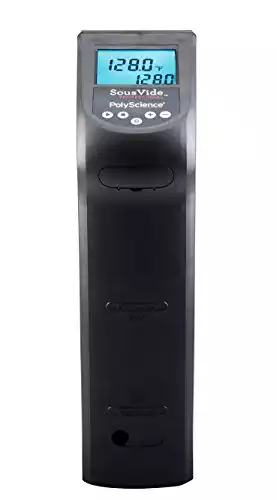
- Absence of Integrated Timer: It is important to note that this model does not feature an integrated timer. Chefs will need to utilize a separate timing device to accurately track cooking durations.
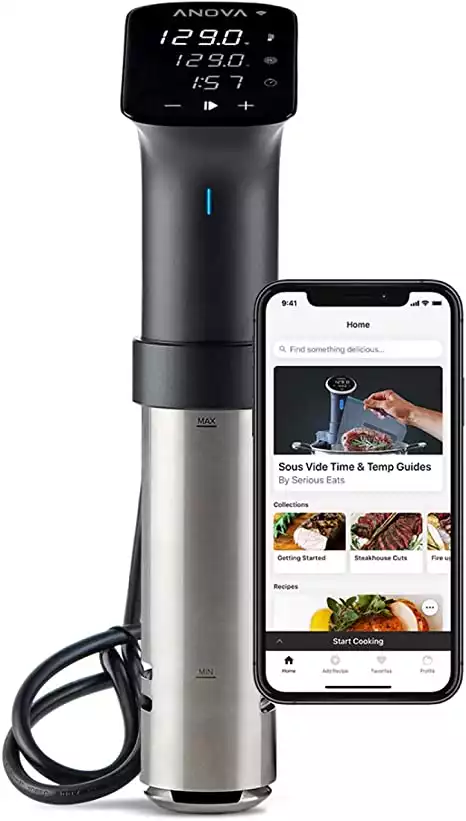
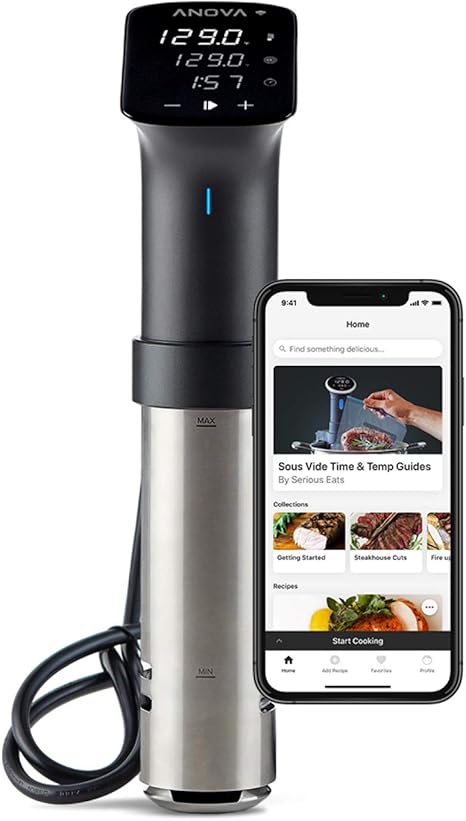
Best Value: Anova Culinary Sous Vide Precision Cooker Pro
While not exclusively designated as a "commercial" unit, the Anova Culinary Sous Vide Precision Cooker Pro offers an exceptional balance of accuracy, reliability, and cost-effectiveness, making it a compelling choice for smaller operations or those seeking to maximize budget without compromising quality.
Key Features and Performance:
- Cost-Effective Multi-Bath Capability: The Anova Precision Cooker Pro’s significant advantage lies in its affordability. For the price of a single high-end commercial unit, multiple Anova Pros can be acquired, enabling simultaneous operation of several water baths at different temperatures. This is particularly beneficial for large-scale prep work or during peak service hours when diverse proteins require simultaneous cooking.
- Impressive Power and Precision: For its price point, the Anova Pro delivers remarkable performance. It boasts temperature accuracy to within 0.09°F, rivaling that of more expensive commercial counterparts. Its ability to operate continuously for an estimated 10,000 hours further attests to its robust engineering.
- Integrated Timer and Smart Connectivity: Unlike the PolyScience Chef, the Anova Pro features a built-in timer, simplifying the management of cooking durations. Furthermore, its wireless connectivity allows for control and monitoring via the Anova smartphone app, providing convenient notifications upon completion of cooking cycles.
- Versatile Controls: Operation is streamlined through either the unit’s touch-sensitive buttons or the accompanying mobile application, offering flexibility in how chefs interact with the device.
Considerations:
- Long-Term Durability: The primary distinction between the Anova Pro and a dedicated commercial unit lies in its perceived long-term durability. While Anova units are generally reliable, the extensive track record of PolyScience circulators in enduring over a decade of continuous commercial use suggests a potential difference in the longevity under extreme, constant operational stress. However, firsthand experience has shown no significant issues with Anova units in smaller restaurant settings.
Essential Considerations for Commercial Sous Vide Equipment
Beyond specific product recommendations, understanding the fundamental characteristics of commercial sous vide equipment is crucial for making an informed purchasing decision.
Type of Cooker: Immersion Circulators vs. Alternatives
Immersion circulators have emerged as a dominant force in precision cooking due to their portability, ease of storage, and cost-effectiveness when compared to other commercial cooking appliances.
- Water Ovens: These all-in-one units integrate a water reservoir, heating element, and circulation motor. While offering precision and dedicated functionality, they are often bulky, consume significant storage space when not in use, and are limited to a fixed bath size.
- Combi-Ovens: These versatile appliances combine dry heat and steam for a wide array of cooking techniques. While capable of cooking vacuum-sealed items, they generally lack the precise temperature control of immersion circulators for low-temperature cooking and represent a substantial investment, typically starting at $5,000 and escalating rapidly.
Power, Wattage, and Speed: The Engine of Performance
The power output, measured in wattage, directly influences a sous vide machine’s ability to heat water rapidly and manage larger bath volumes.

- Wattage Benchmarks: True commercial-grade immersion circulators typically operate within the 1000 to 1200-watt range. Units below this threshold are generally designed for home use.
- Heating Times: Within this power range, expect small water baths (3-5 gallons) to reach the target temperature in approximately 15 minutes, while larger baths (around 8 gallons) may take up to 30 minutes. Utilizing preheated water can significantly expedite this process.
- Temperature Recovery: Higher-wattage machines exhibit superior performance in rapidly restoring water temperature after the introduction of cold ingredients, ensuring consistent cooking conditions.
Precision: The Cornerstone of Sous Vide
The defining characteristic of sous vide cooking is its unparalleled precision.
- Accuracy Standards: All reputable sous vide units, even home models, should offer temperature accuracy of at least 0.1°F. Any deviation below this standard warrants reconsideration.
- Temperature Ranges: Most immersion circulators begin their heating capabilities around 100°F, which is suitable for most sous vide applications. Maximum temperatures typically reach approximately 200°F; exceeding this range offers little practical advantage over conventional boiling or combi-oven methods.
Compatible Containers: Versatility in Kitchenware
The selection of an appropriate water bath container is straightforward, with many readily available options within a commercial kitchen.
- Cambro Food Boxes: These polycarbonate food storage boxes are an ideal and widely used solution for sous vide cooking. Their standardized sizes facilitate efficient organization within walk-in refrigerators and are perfectly suited for immersion circulators. Available in various capacities, including 4.75-gallon and 8-gallon models, they accommodate a broad spectrum of cooking needs.
- Alternative Containers: While Cambro boxes are recommended, large pots can also serve as water baths, though they may be less convenient for countertop or table placement. Smaller 3-gallon containers are also suitable for less demanding tasks.
Controls: Simplicity and Readability
The user interface of an immersion circulator should prioritize simplicity and clear visibility.
- Essential Controls: The primary function required is the ability to set the desired cooking temperature.
- Display Clarity: A well-lit, back-lit, or LED display is essential for easy temperature reading, even in low-light conditions or from a distance.
- Smart Features: While not a primary necessity for all commercial operations, wireless connectivity and app control, as seen in the Anova Pro, offer convenience, particularly for notifications.
Vacuum Sealer: The Indispensable Companion
While not strictly mandatory for all sous vide applications, a vacuum sealer significantly enhances the process and is highly recommended for commercial kitchens.
- Waterproof Integrity: Vacuum sealing creates a watertight barrier, preventing any risk of water dilution or contamination of food during the sous vide process. This also allows for more efficient packing of multiple items within a water bath.
- Enhanced Marinades and Consistency: Vacuum sealing promotes faster and more effective marination, leading to deeper flavor penetration. It also contributes to a more consistent and predictable cooking outcome.
Care and Maintenance: Ensuring Longevity
Proper care and maintenance are key to maximizing the lifespan and performance of commercial sous vide immersion circulators.
- General Cleaning: Regular wiping of the heating coil and ensuring the top control unit is not submerged for extended periods will contribute to its longevity.
- Descaling: For any mineral buildup on the heating coil, running a cooking cycle with a solution of equal parts water and white vinegar effectively cleanses the component.
- Pump Maintenance: Keeping the water bath clean and filled solely with water is crucial for the pump’s optimal function. Periodically inspect the pump intake and remove any debris using tweezers or a toothpick.
Investment Considerations: Understanding the Costs
The financial outlay for commercial sous vide equipment varies, reflecting the differences in durability and intended use.
- Commercial-Grade Investment: True commercial-grade immersion circulators typically range from $1,000 upwards. While this may appear substantial, it is often among the more affordable pieces of equipment in a professional kitchen.
- Value-Oriented Options: For operations with less intensive sous vide needs, or for those prioritizing cost savings, units like the Anova Culinary Sous Vide Precision Cooker Pro offer impressive performance at a more accessible price point, often in the few hundred dollar range.
Frequently Asked Questions About Commercial Sous Vide
What is a Commercial Sous Vide Used For?
Commercial sous vide cooking offers unparalleled versatility across various kitchen sectors, including bar operations, savory preparations, and pastry arts. A primary application involves the precise cooking and holding of proteins during service, eliminating guesswork regarding doneness and accelerating food delivery to the dining room. Its precision also extends to delicate items like eggs, where minute temperature variations can drastically alter texture.
Commercial vs. Home-Use Sous Vide: Which is Right for You?
For home culinary applications, dedicated home-use sous vide models are generally sufficient. They provide comparable accuracy to professional units at a significantly lower cost. The primary advantage of commercial models lies in their enhanced durability and, in some cases, commercial-grade sanitation certifications, designed to withstand the relentless demands of a professional kitchen environment.
What Type and Size of Cooking Vessel Will I Need?
The 4.5-gallon Cambro food box is an ideal size for many common sous vide applications. Larger, 8-gallon models are recommended for substantial cooking tasks, such as accommodating large cuts of meat. While standard pots can be utilized, Cambro containers offer superior convenience and space efficiency.
Is There a Cost Economy or Value-Add Benefit to Cooking with Sous Vide in a Commercial Kitchen?
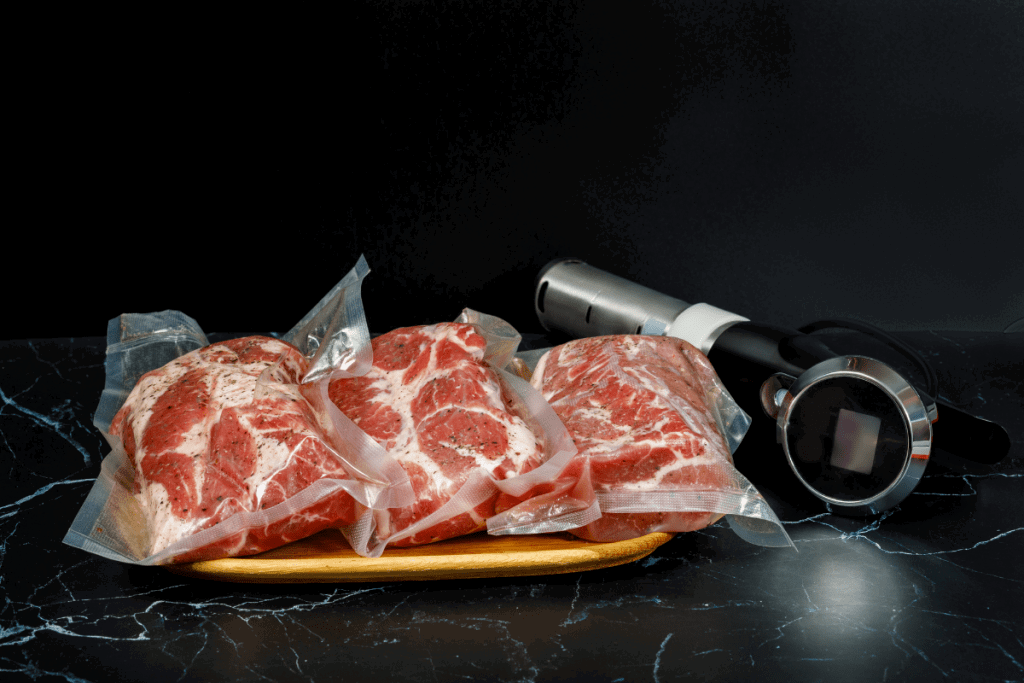
Sous vide cooking presents a significant value proposition in commercial kitchens by enhancing consistency and reducing waste. Its precise temperature control minimizes over- or under-cooking, leading to less food spoilage and improved cost management. Furthermore, it liberates valuable oven and stovetop space, alleviating congestion during busy service periods.
What Happens If My Power Supply is Interrupted?
Many commercial circulators, including the PolyScience Chef and Anova Pro, feature an automatic restart function. This critical feature ensures that upon restoration of power, the unit will resume cooking at the previously set temperature, thereby protecting culinary investments and maintaining operational continuity, especially during extended cooking cycles when direct supervision may not be constant.
Expert Recommendation for Your Commercial Kitchen
Integrating commercial sous vide equipment into your operation is a strategic decision that promises both economic benefits and enhanced culinary precision. The PolyScience Chef circulator stands as a testament to reliability and accuracy, a proven performer that justifies its premium price through its exceptional durability and consistent results. For establishments with more modest sous vide demands or budget constraints, the Anova Culinary Sous Vide Precision Cooker Pro offers an attractive, less expensive alternative that still delivers impressive accuracy and power. Regardless of your choice, ensure you complement your circulator with appropriately sized containers for your water baths and consider incorporating a wire rack for optimized food placement. This investment will undoubtedly elevate the efficiency and quality of your culinary output.