
For countless women navigating midlife, a creeping mental "sludginess" often dismissed as typical aging or even depression may, in fact, be a significant, yet frequently misdiagnosed, symptom of menopause. This profound cognitive and emotional shift can dramatically impact daily life, productivity, and overall well-being, as illuminated by a personal account and corroborated by growing scientific understanding. The experience of struggling to recall basic information, battling brain fog, and enduring persistent fatigue, only to find relief not in antidepressants but in hormone therapy, underscores a critical gap in medical awareness and patient care.
The Disorienting Fog of Midlife Cognition
The insidious onset of cognitive impairment can begin subtly, manifesting as difficulty recalling proper nouns—a common complaint among those in their late 40s and early 50s. However, for many, this progresses beyond typical age-related forgetfulness into a debilitating "brain fog." One individual recounted a frustrating inability to name familiar restaurants, people, or even movie titles, feeling as though "thoughts were under a pile of garbage." This experience extended into the professional realm, with once-clear mental faculties becoming hazy and unresponsive, making constructive work feel like an insurmountable task. Mornings might offer a brief reprieve, allowing for intense, compressed periods of productivity, but often, the haze persisted throughout the day, rendering even simple tasks, like reading, impossible. This profound lack of mental clarity and energy often leads individuals, and their healthcare providers, down a path of misdiagnosis.
A Quest for Answers: Misdiagnosis and the Medical Maze
The search for relief from such pervasive symptoms frequently begins with consultations for what appears to be depression or chronic fatigue. In one compelling case, three different healthcare professionals recommended antidepressants, with varied dosages and formulations proving ineffective and even exacerbating symptoms, leaving the individual feeling "like a zombie." Sleeping pills offered no true rest, only a further drugged sensation. Extensive tests for common culprits like thyroid dysfunction and anemia yielded no answers. A multitude of supplements, "mushroom coffee," and other purported brain-boosting products also failed to penetrate the persistent fog. This two-year odyssey of revolving doctors and ineffective treatments highlights a systemic challenge in diagnosing menopausal symptoms.
The turning point often arrives serendipitously. For the individual in question, a routine gynecological exam, combined with a casual mention of vaginal dryness, prompted a series of questions that finally connected the dots: sleep patterns, mood, energy levels, hot flashes, and, crucially, brain fog. The realization that the profound mental and emotional distress was not depression but menopause, and the subsequent prescription of estradiol and progesterone, marked an immediate and dramatic transformation. Within days, the fog lifted, cognitive function returned, sleep normalized, and a sense of vitality was restored. This personal narrative serves as a powerful testament to the often-overlooked neurocognitive impact of menopause and the potential for effective treatment.
Menopause: A Transformative Life Stage, Not a Disease
It is crucial to understand that menopause is not a medical condition or a disease, but a natural and transformative life stage, akin to puberty. It signifies the permanent cessation of menstruation, officially confirmed after 12 consecutive months without a period, after which a woman is considered "postmenopausal." The period leading up to this—perimenopause—is characterized by significant fluctuations and eventual decline in hormone levels, primarily estrogen and progesterone. These hormonal shifts trigger a wide array of symptoms, many of which are well-known, such as weight gain and reduced sex drive.
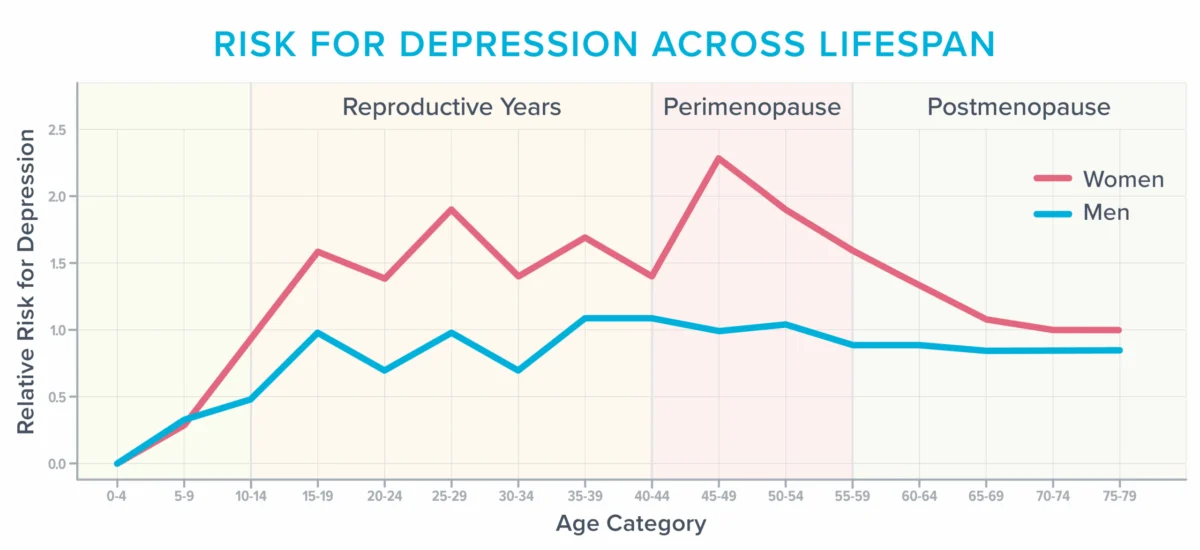
However, the cognitive and emotional dimensions of menopause are often underestimated. According to the American College of Obstetricians and Gynecologists (ACOG), approximately 40 percent of women report increased irritability, mood swings, anxiety, fatigue, and difficulty concentrating during and after menopause. This period also represents a heightened vulnerability for developing depression, particularly for women with a prior history of mood disorders. Data illustrate a distinct peak in depression risk for women around the perimenopausal years, a trend not observed in men, whose risk remains relatively stable throughout adulthood. Symptoms like unprovoked crying spells, sensory hypersensitivity (e.g., normal sounds causing discomfort), jumpiness, and anxiety about previously non-threatening situations are also common, further underscoring the broad impact on mental and emotional well-being.
The Biological Underpinnings: Vasomotor Symptoms and Brain Changes
While fluctuating hormone levels and typical age-related changes undoubtedly contribute to cognitive and emotional symptoms, a lesser-known but significant driver is the presence of vasomotor symptoms (VMS), commonly known as hot flashes and night sweats. These physiological events, characterized by the constriction or dilation of blood vessels, involve a surge in norepinephrine and cortisol, leading to increased heart rate, blood pressure, and a sensation of intense warmth, often accompanied by sweating, palpitations, and anxiety.
For many years, VMS were largely considered inconvenient or embarrassing, with their deeper impact on health often overlooked. However, a growing body of research now indicates that VMS can have profound effects on the brain and cardiovascular system, leading an increasing number of experts to classify them as a treatable medical condition.
Studies utilizing objective measures, such as wearable monitors to track hot flashes and magnetic resonance imaging (MRI) of the brain, have revealed significant correlations. In one study of 226 women, those experiencing the most frequent hot flashes exhibited an abundance of "whole-brain white matter intensities"—patchy areas in the brain once attributed solely to aging. Neuroscientists now understand these lesions as predictive markers of future cognitive decline, with individuals presenting them being twice as likely to develop dementia and three times as likely to suffer a future stroke.
The mechanism behind these brain changes appears to be linked to the cardiovascular system. A three-year study involving 492 women demonstrated that frequent hot flashes were associated with unhealthy changes in blood vessels, specifically a reduced ability to dilate and accommodate increased blood flow. This impaired vascular function can lead to increased oxidative stress, endothelial dysfunction (damage to the inner lining of blood vessels), and systemic inflammation, all of which contribute to brain health issues.

The Crucial Role of Sleep Disruption
Beyond direct vascular impacts, frequent VMS also severely compromise brain health by disrupting sleep. A critical insight is that many women are unaware that night sweats are the root cause of their awakenings, often attributing it to insomnia or sleep apnea. This is because the intense heat of a hot flash may dissipate by the time a woman is jolted awake by the surge of cortisol and norepinephrine, leaving her to wonder why she’s waking repeatedly.
These frequent, often unrecognized, awakenings have a devastating cumulative effect on the brain. They interfere with the brain’s ability to consolidate memories, metabolize toxins accumulated during the day, and effectively store new information. Chronic sleep deprivation also leads to reduced connectivity in the hippocampus, a brain region vital for learning and memory. Furthermore, the amygdala, the brain’s emotional processing center, becomes hyper-reactive, resulting in increased stress, anxiety, irritability, and even rage. These detrimental brain changes can manifest within days or weeks of insufficient sleep, highlighting the severe long-term consequences of years of menopausal sleep disturbances.
Systemic Barriers: Why Getting Help is So Difficult
Despite the clear and debilitating impact of menopause on cognitive and emotional health, many women struggle to receive appropriate diagnosis and treatment. Several systemic issues contribute to this challenge:
- Symptom Overlap: Diagnostic tools like the Patient Health Questionnaire (PHQ-9) depression scale include symptoms such as trouble sleeping, fatigue, changes in appetite, and feeling down, which significantly overlap with menopause-related sleep deprivation. This can lead to a misdiagnosis of depression, even when the underlying cause is hormonal.
- Lack of Specialized Training: A significant barrier is the inadequate training in menopause care among healthcare professionals. Surveys indicate that 80 percent of medical residents feel "barely comfortable" discussing menopause, and few residency programs, including obstetrics and gynecology, offer comprehensive training in this area. This educational deficit means many doctors may not consider asking about VMS or sleep disturbances when patients present with fatigue, lack of motivation, and cognitive difficulties.
- "Defensive Medicine" and Hormone Therapy Stigma: Even when VMS are identified as the likely cause of cognitive and emotional symptoms, many healthcare professionals are hesitant to prescribe menopausal hormone therapy (MHT), often citing concerns about safety and risk. This reluctance is partly driven by "defensive medicine," where practitioners fear malpractice lawsuits.
Re-evaluating Hormone Therapy: A Shifting Consensus
The apprehension surrounding MHT stems largely from research conducted several decades ago, particularly the Women’s Health Initiative (WHI) study, which linked certain types of hormones to a slightly increased risk of breast cancer and stroke. The WHI findings, while groundbreaking, were often broadly interpreted and led to a dramatic decline in MHT prescriptions.
However, more recent and nuanced research has refined our understanding. Experts now emphasize that the associated risks are highly dependent on several factors, including age, the specific type of hormonal preparation, the dose, and the duration of use. The current consensus among many experts is that for women under 60 and fewer than 10 years postmenopausal, particularly those experiencing moderate to severe menopausal symptoms, the benefits of MHT often outweigh the risks. These benefits extend beyond symptom relief to include a reduced risk of developing Alzheimer’s disease and osteoporosis. Dr. Jerrold H. Weinberg, a Michigan-based menopause-trained gynecologist, affirms that for most women, the health benefits of MHT significantly outweigh the risks. While some antidepressants can alleviate mood, improve sleep, and reduce hot flashes, they come with their own side effects and are often chosen by practitioners practicing defensive medicine as a "safer" alternative, despite MHT being potentially more effective for the underlying hormonal imbalance.
Empowering Advocacy: Strategies for Seeking Effective Care
Given the complexities of diagnosis and treatment, women must become proactive advocates for their own health during menopause. Experts like Dr. Weinberg and Dr. Helen Kollias, a physiology and molecular biology expert, offer key strategies:
- Seek Menopause-Trained Professionals: Prioritize healthcare providers who explicitly list menopause as an area of focus or hold certifications from reputable organizations like the Menopause Society. Online databases can help locate such specialists.
- Document Symptoms Meticulously: Maintain a detailed log of symptoms, including their nature, frequency, severity, and any potential triggers. This provides objective data, which can be invaluable during appointments, especially if brain fog makes it difficult to articulate concerns clearly. Track specific elements like sleep duration, number of awakenings, mood fluctuations, and hot flash occurrences.
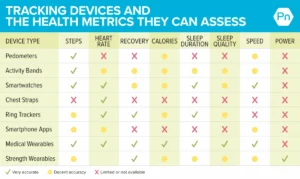
- Be Specific and Data-Driven: Vague statements like "I don’t sleep well" are less impactful than precise data: "Over the past seven days, I’ve had only one uninterrupted four-hour stretch of sleep. I wake, on average, five times a night, with my longest sleep segment being three hours." Utilize data from smartwatches or health apps to provide concrete evidence.
- Engage in Shared Decision-Making: Actively participate in discussions about treatment options, including the benefits and risks of MHT. Ask questions such as: "What are the specific risks for me, given my health history and age?" "What are the potential benefits I can expect?" "Are there non-hormonal alternatives, and what are their pros and cons?" This collaborative approach can help shift a clinician away from a purely defensive stance.
Holistic Well-being: Lifestyle Strategies for Mental and Emotional Health
While medical intervention can be transformative, lifestyle habits remain foundational for supporting mental and emotional health during menopause. These strategies are largely consistent with overall health principles but become even more critical during this transitional phase:
- Lean into Fundamentals: Prioritize nutrition, physical activity, stress management, quality sleep, social connection, and a sense of purpose. Evaluate current habits: Are you eating nourishing foods, moving regularly, managing stress effectively, sleeping seven to nine hours, and fostering meaningful connections? Identify barriers and seek support to optimize these core behaviors.
- Experiment with Creatine: This supplement, known for its muscle and bone benefits, also shows promise in bolstering mood, brain function, and reducing mental fatigue, even counteracting some negative effects of sleep deprivation. A daily dose of 5-7 grams of creatine monohydrate is often effective.
- Regular Light Exposure: Morning and late afternoon sunlight exposure helps regulate the body’s internal clock, promoting alertness during the day and better sleep at night. Studies show that morning outdoor light exposure can lead to faster sleep onset, longer sleep duration, and fewer awakenings. Sunlight also positively influences mood and concentration.
- Mindful Exercise: While physical activity is crucial, intense, long exercise sessions can be counterproductive if the body is already fatigued, increasing injury risk and recovery time in midlife. Short bursts of activity, like a 5-10 minute walk or quick squats, can boost alertness. Gentle exercises like yoga can aid relaxation before bed. The key is to listen to your body, especially after poor sleep, and adjust intensity and volume accordingly, balancing vigorous sessions with moderate ones and adequate recovery.
- Cognitive Behavioral Therapy for Insomnia (CBT-I): This evidence-based therapy equips individuals with skills and mental reframes to improve sleep quality, such as maintaining a consistent wake-up time regardless of prior night’s sleep.
- Realistic Stress Management: Acknowledge that you may not have the same energy or capacity as in younger years. Critically assess responsibilities, track time and bandwidth, and identify areas to reduce or delegate tasks. Tools like a "Wheel of Stress Assessment" can pinpoint specific stressors. Learning to say "no" more often and without guilt is a powerful strategy for preserving mental and emotional resources.
- Cooling Technology: Optimize the sleep environment by lowering the thermostat, using fans, or investing in electric cooling mattress pads to mitigate night sweats and improve sleep quality.
- Frequent Breaks: When brain fog sets in, productivity plummets. Permit short periods of "doing nothing"—stretching, listening to music, meditating, or simply resting the eyes. A 5-minute mind-body scan can offer a quick refresh, allowing for observation of physical sensations and thoughts without judgment.
- Diet for Circulation: Adopt eating patterns that promote healthy circulation, benefiting both heart and brain. Diets like the MIND and Mediterranean diets, rich in vegetables, fruits, whole grains, healthy fats (olives, fish), and legumes, are linked to reduced risks of Alzheimer’s disease and depression. Nitrate-rich foods like beets and leafy greens can temporarily improve memory by dilating blood vessels and increasing blood flow to the brain.
The Hidden Opportunity of Menopause
The challenges of menopause, particularly the profound cognitive and emotional shifts, can be deeply frustrating. However, this life stage also presents a unique and often hidden opportunity for introspection and re-evaluation. For the individual who shared her story, the diminished capacity forced a fundamental question: "Do I really need to be doing this?" This existential inquiry allowed her to reassess how to allocate limited mental resources, leading to conscious choices about work hours, domestic responsibilities, and social commitments.
Menopause can become a catalyst for prioritizing self-care, setting boundaries, and intentionally cultivating a life that aligns with one’s deepest values. By embracing this re-evaluation, many women discover the profound liberation of saying "yes" to what truly matters—nurturing relationships, pursuing passions, and cherishing moments of quiet contemplation—and "no" to the incessant demands that once defined their lives. Thanks to appropriate medical intervention and conscious lifestyle adjustments, the fog can lift, energy can return, and this transformative period can become a powerful chapter of self-discovery and empowered living.