
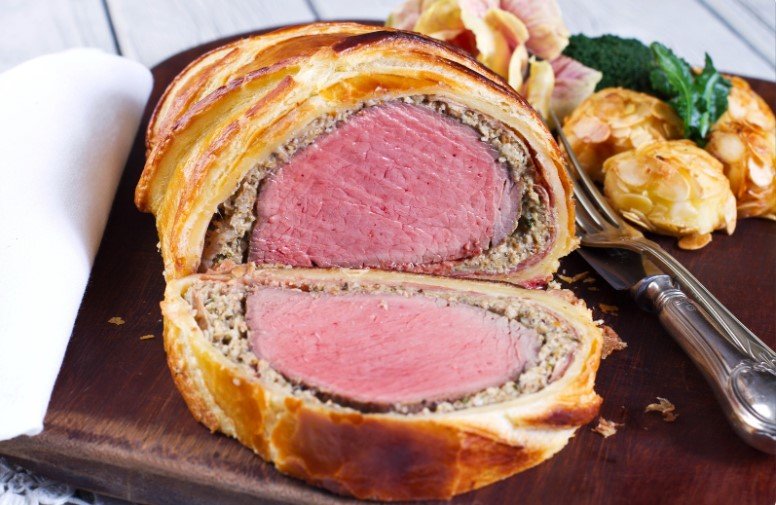
The creation of a Beef Wellington is often considered the pinnacle of home culinary achievement. This elaborate dish, featuring a tender beef fillet coated in mushroom duxelles, pâté, and wrapped in delicate puff pastry, demands precision and patience. Once this masterpiece is brought forth from the oven, golden and fragrant, the question arises: what accompaniments will best complement its rich, complex flavors without overpowering it? This culinary exploration delves into the art of pairing, offering a curated selection of sauces and side dishes designed to elevate the Beef Wellington experience to extraordinary heights.
The inherent richness of Beef Wellington, with its layers of savory beef, earthy mushrooms, and buttery pastry, calls for accompaniments that offer a counterpoint or a harmonious extension of its core flavors. The goal is to enhance, not detract, creating a symphony on the palate. This involves careful consideration of acidity, texture, and aromatic profiles.
Complementary Sauces: The Elixir for Wellington Perfection
The sauce is often the crowning glory, a liquid ribbon that ties all the elements of a dish together. For Beef Wellington, several classic and innovative sauces stand ready to perform this vital role.
The Timeless Elegance of Red Wine Reduction Sauce
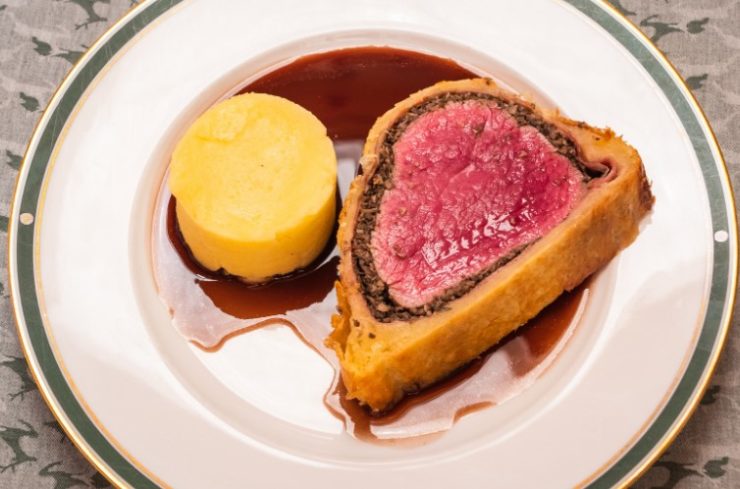
Few pairings are as classic or as intrinsically suited to Beef Wellington as a robust red wine reduction. This is the esteemed choice of culinary titans like Gordon Ramsay, a testament to its enduring appeal and flavor synergy. The reduction process concentrates the inherent sweetness and tannins of the wine, creating a deep, complex sauce that sings alongside the red meat.
The foundation of a successful red wine reduction lies in quality ingredients. A dry red wine, such as a Cabernet Sauvignon, Merlot, or Pinot Noir, provides the ideal base. Aromatics like finely minced shallots or garlic are gently sautéed to release their fragrance, followed by fresh herbs, often thyme or rosemary, which impart an herbaceous brightness. A touch of balsamic vinegar can add a subtle tang and further deepen the flavor profile, while a splash of beef stock or demi-glace provides body and a savory foundation. The magic happens as the liquid simmers and reduces, thickening to a velvety consistency that coats the tongue.
The beauty of this sauce lies in its relative simplicity and speed. While the Beef Wellington rests after baking, a skilled hand can whip up a spectacular red wine reduction in under ten minutes. This timing is crucial, allowing the sauce to be served piping hot, a perfect contrast to the resting pastry. The resulting sauce, with its punchy garlic notes, earthy thyme, and the sophisticated depth of red wine and balsamic, doesn’t just complement the Beef Wellington; it elevates it, echoing the savory notes of the mushroom duxelles and the richness of the beef.
Pro-Tip: For those occasions when wine is not an option or a preference for an alcohol-free sauce exists, a direct substitution with an equal amount of high-quality beef stock will yield a delicious, albeit slightly less complex, sauce. The fundamental flavor profile remains intact, ensuring a satisfying accompaniment.
The Earthy Allure of Creamy Mushroom Sauce
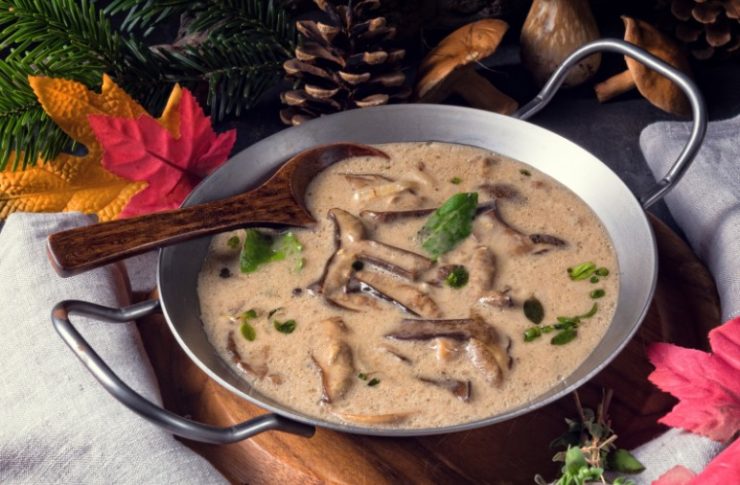
Given that Beef Wellington is already enveloped in a layer of finely chopped mushrooms (duxelles), a creamy mushroom sauce might seem redundant. However, it is precisely this familiarity that makes it a brilliant choice. Instead of competing, this sauce builds upon the existing flavors, amplifying the earthy, umami notes that are central to the Wellington’s identity.
The creation of a creamy mushroom sauce is remarkably straightforward, often requiring minimal ingredients that are pantry staples for many home cooks. Sautéed mushrooms, whether cremini, shiitake, or a mix, form the heart of the sauce. These are often softened with shallots or garlic, then deglazed with a liquid, perhaps white wine for a brighter note, or simply chicken or vegetable broth. The magic of cream is then introduced, transforming the mixture into a luscious, velvety sauce. A touch of soy sauce or Worcestershire can add an extra layer of depth and savoriness.
This sauce’s versatility is a significant advantage. It can be easily customized with whatever is on hand. A fresh clove of garlic, a splash of leftover white wine from the refrigerator, or a medley of chopped fresh herbs can all be incorporated to personalize the sauce. The resulting texture is rich and comforting, creating a decadent coating that clings beautifully to the pastry and beef.
Pro-Tip: If soy sauce is unavailable, a small amount of balsamic vinegar can provide a similar umami boost. Similarly, if fresh thyme is out of stock, almost any dried or fresh herb can be used as a substitute, allowing for creative flexibility.

The Bold Sophistication of Decadent Peppercorn Sauce
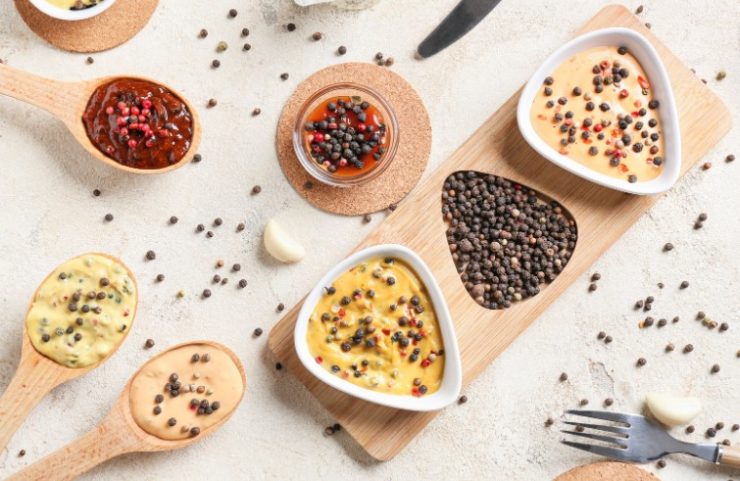
For those who appreciate a touch of assertive spice, a decadent peppercorn sauce offers a compelling counterpoint to the richness of Beef Wellington. This sauce is a masterclass in balancing bold flavors, creating a luxurious experience that is both comforting and exhilarating.
The core components of a classic peppercorn sauce include heavy cream, cracked peppercorns (often a mix of black, green, and pink for complexity), beef stock, finely diced shallots, garlic, butter, and a dash of Worcestershire sauce. The heavy cream serves a dual purpose: it mellows the pungent bite of the peppercorns, preventing them from becoming overwhelming, while also providing the luxurious, thick, and full-bodied consistency that can stand up to the substantial nature of the Beef Wellington.
The process typically begins with sautéing shallots and garlic in butter until softened and fragrant. The peppercorns are then added, toasted briefly to release their essential oils. Beef stock is introduced and reduced, followed by the addition of heavy cream. The mixture simmers gently until it reaches the desired consistency, creating a sauce so rich and flavorful that it’s often described as irresistible. The Worcestershire sauce adds a subtle depth of savory umami that rounds out the flavor profile beautifully.
Pro-Tip: This sauce is not only a perfect partner for Beef Wellington but also shines when served alongside other rich meat dishes or even certain roasted vegetables. If you are serving French green beans with shallots (detailed later), the shared ingredient of shallots creates a delightful synergy, with the peppercorn sauce tasting equally divine atop the beans as it does on the Wellington itself.
Harmonious Sides: The Supporting Cast for Wellington
While the sauce provides the liquid elegance, side dishes offer textural contrast and a broader spectrum of flavors to complete the dining experience. The key is to select sides that are relatively simple to prepare, allowing the focus to remain on the star of the show, Beef Wellington.
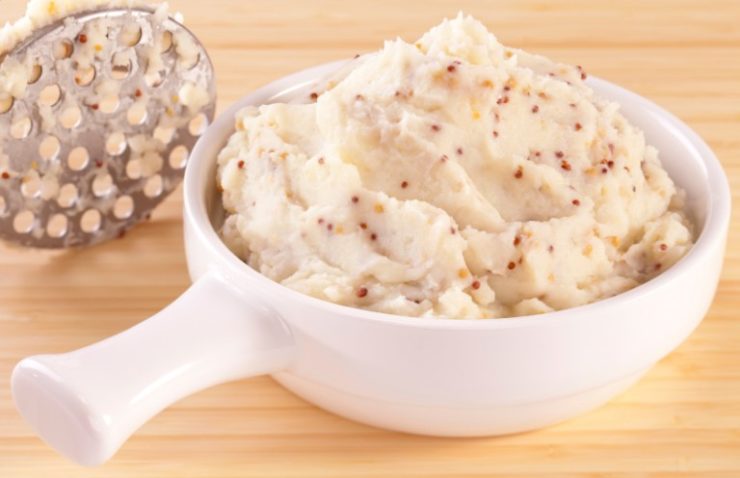
The Zesty Comfort of Whole Grain Mustard Mashed Potatoes
Mashed potatoes are a perennial favorite, and for Beef Wellington, a rendition infused with whole grain mustard offers a sophisticated twist that harmonizes perfectly with the dish. Dijon mustard is a common ingredient in the duxelles of Beef Wellington, making these mashed potatoes a natural extension of that flavor profile.
This preparation is celebrated for its ease and efficiency. Using simple, readily available ingredients, these mashed potatoes come together in a single pot, minimizing cleanup. The addition of whole grain mustard introduces a pleasant tang and a subtle textural element from the mustard seeds, cutting through the richness of the Wellington without being overpowering. The creaminess of the mashed potatoes provides a comforting base, and they can be prepared ahead of time and gently reheated with a touch of butter and cream before serving.
Pro-Tip: The inherent mustard flavor in this dish provides a bright contrast that complements the savory notes of the Beef Wellington. This pairing is so successful that many find it to be the only way they wish to serve their Wellington.
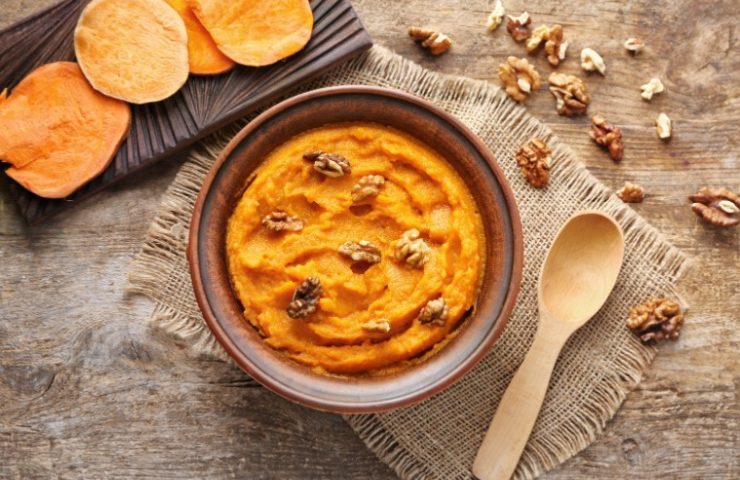
The Subtle Sweetness of Roasted Garlic Mashed Sweet Potatoes & Carrots
While another mashed vegetable might seem repetitive, the combination of roasted garlic mashed sweet potatoes and carrots offers a unique and satisfying alternative. The natural sweetness of sweet potatoes, enhanced by the mellow, caramelized notes of roasted garlic, creates a delightful base. Blending in pureed carrots adds a vibrant color and a subtle earthy sweetness that pairs seamlessly with the Wellington.
The preparation of this side dish involves roasting garlic until tender and sweet, then mashing it with cooked sweet potatoes and pureed carrots. The resulting dish is smooth, creamy, and subtly sweet. Crucially, its flavors are not so assertive as to compete with the Beef Wellington. Instead, they offer a gentle counterpoint, a comforting sweetness that balances the savory elements of the main course. This side is impressive enough to feel special occasion-worthy yet straightforward to prepare, requiring minimal effort.
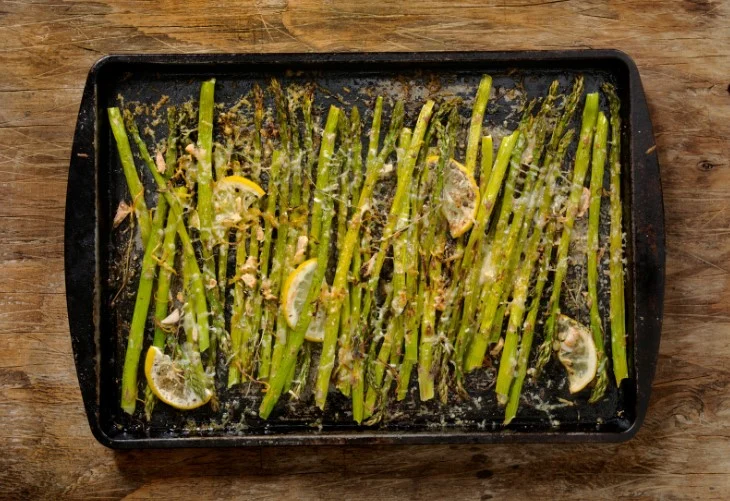
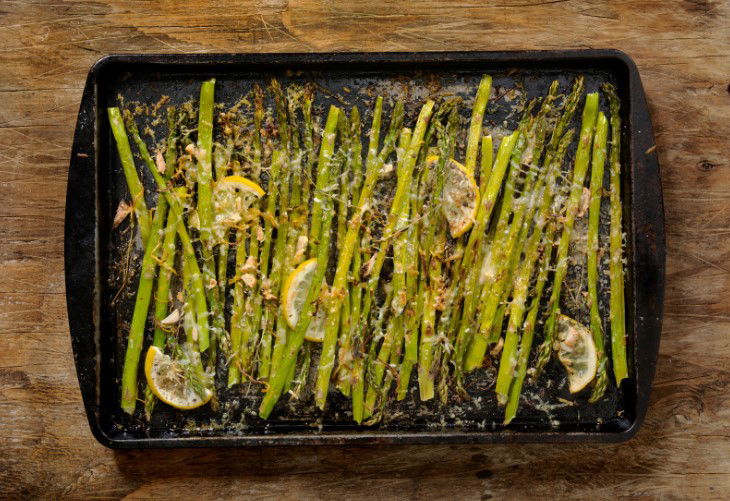
The Brightness of Baked Asparagus with Parmesan
For a lighter, brighter counterpoint, baked asparagus with Parmesan offers a refreshing contrast to the richness of Beef Wellington. This dish brings a welcome element of crispness and a touch of acidity to the plate, ensuring the meal remains balanced and enjoyable from the first bite to the last.
Asparagus, when baked with olive oil, lemon zest, garlic, and finished with a sprinkle of Parmesan cheese, develops a tender-crisp texture and a vibrant, slightly acidic flavor. The lemon’s brightness cuts through the richness of the Beef Wellington, preventing the palate from becoming overwhelmed. This side dish has the added advantage of being able to cook in the oven alongside the Beef Wellington as it rests, streamlining the cooking process. The textural contrast between the flaky pastry, tender beef, and crisp asparagus adds another layer of complexity to the dining experience.
Pro-Tip: The panko Parmesan coating adds a delightful crunch, enhancing the textural appeal of this simple yet elegant side.
The Tangy Sweetness of Honey Balsamic Brussels Sprouts
Brussels sprouts, when prepared correctly, are a revelation. In this honey balsamic rendition, they offer a delightful combination of tender interiors and crispy, caramelized edges. The glaze, a harmonious blend of sweet honey and tangy balsamic vinegar, provides a flavor profile that is both complex and incredibly appealing.
These sprouts are not overly heavy, making them an ideal accompaniment to a dish as substantial as Beef Wellington. The balance of sweet and tangy notes in the glaze cuts through the richness of the meat and pastry, creating a well-rounded bite. The slight char and caramelization achieved during roasting add a depth of flavor that is addictive.
Pro-Tip: The recipe for these Honey Balsamic Brussels Sprouts is so enticing that it’s often challenging to reserve them for the dinner table, with many finding themselves tempted to devour them straight from the roasting pan.
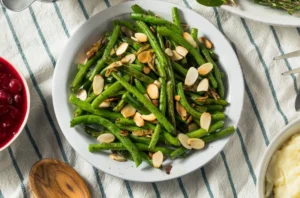
The Delicate Charm of French Green Beans with Shallots
Simplicity and elegance converge in this preparation of French green beans with shallots. This dish is a testament to how a few well-chosen ingredients and a gentle cooking method can produce something truly special, worthy of accompanying the grandeur of Beef Wellington.
The secret to achieving tender, melt-in-your-mouth green beans lies in slow, gentle cooking in olive oil. This method mellows their inherent flavor, transforming them into soft, pillowy morsels. The shallots, when sautéed slowly in the same oil, become sweet and translucent, infusing the beans with their delicate aroma and flavor.
Pro-Tip: This side dish is particularly recommended if you opt for the decadent peppercorn sauce. The shallots used in both the green beans and the sauce create a delightful flavor echo, and the peppercorn sauce tastes exceptionally good when drizzled over the tender green beans.
Frequently Asked Questions
What’s a good side dish for Beef Wellington?
The ideal side dishes for Beef Wellington are those that offer a balance of flavors and textures. Mashed or pureed vegetables, such as potatoes, sweet potatoes, or carrots, provide a comforting base that soaks up sauces beautifully. Lighter, brighter vegetables like asparagus or Brussels sprouts offer a welcome contrast to the richness. Sauces themselves can also be considered a crucial "side" component, tying the entire meal together.
How do you keep Beef Wellington from getting soggy?
Preventing a soggy bottom on Beef Wellington is a common concern for home cooks. Several factors contribute to achieving a crisp pastry. Firstly, it is crucial to cook the mushroom duxelles mixture thoroughly to remove as much moisture as possible. Secondly, ensuring the beef fillet is properly tied and chilled before wrapping in pastry helps to firm it up. Finally, wrapping the beef in a layer, such as prosciutto or a thin crêpe, before the duxelles and puff pastry creates an effective moisture barrier between the hot meat juices and the delicate pastry layers. Baking at a sufficiently high temperature also helps the pastry puff up and crisp before it has a chance to absorb moisture.
By carefully selecting these complementary sauces and sides, any home chef can transform the already impressive Beef Wellington into an unforgettable culinary experience, a testament to thoughtful preparation and a deep understanding of flavor harmony.