
Homemade whipped cream, a quintessential topping that transforms any dessert into an extraordinary experience, continues to captivate home bakers and professional chefs alike with its unparalleled freshness, delicate texture, and rich flavor. This seemingly simple concoction, requiring just three basic ingredients and a few minutes of effort, stands as a testament to the power of fresh, quality components over their mass-produced counterparts found in cans or tubs. From classic cheesecakes and fruit tarts to everyday pancakes and hot chocolate, the light, creamy, and billowy nature of freshly whipped cream imbues each dish with an artisanal touch, reaffirming its status as a timeless culinary enhancement.
Historical Roots and Culinary Significance
The origins of whipped cream, known in French as crème chantilly, are steeped in European culinary history, tracing back to the Renaissance period. While the precise invention is often debated, anecdotal evidence suggests its emergence in Italy during the 16th century, possibly introduced to France by Caterina de’ Medici. However, the name crème chantilly is widely attributed to François Vatel, the famed maître d’hôtel at the Château de Chantilly in the 17th century. Legend has it that Vatel, faced with a sudden demand for a dessert topping during a grand feast for King Louis XIV, improvised by whipping cream to a delicate froth, thereby creating a sensation that would forever bear the castle’s name. This historical context underscores whipped cream’s long-standing role in elevating culinary presentations, transforming humble dairy into a symbol of refined taste and effortless elegance. The technique, initially laborious with whisks and manual effort, gradually evolved with technological advancements, making it more accessible to the home kitchen.
The Science Behind the Billowy Cloud
Understanding the science behind whipping cream reveals why specific ingredients and techniques yield the best results. Heavy cream, or heavy whipping cream, is the star ingredient due to its high milk fat content, typically 36% or more. This fat is crucial because, during the whipping process, air is incorporated into the liquid. The fat molecules, initially dispersed, begin to cluster around these air bubbles, forming a stable emulsion. Simultaneously, milk proteins (caseins and whey proteins) denature and unfold, creating a network that further stabilizes the structure, preventing the air bubbles from collapsing.
Temperature plays a critical role in this process. Cold cream, preferably chilled to between 35-40°F (2-4°C), has firmer fat globules. These firm globules are more effective at forming and maintaining the stable structure required for whipped cream, allowing for greater aeration and a more voluminous, stable product. Conversely, warm cream will yield a runnier, less stable result as the fat globules are softer and less able to encapsulate air effectively. Similarly, chilling the mixing bowl and whisk attachments prior to whipping aids in keeping the cream cold throughout the process, further enhancing stability and volume. This scientific foundation explains why homemade whipped cream, with its carefully managed fat content and temperature, achieves a superior texture that store-bought alternatives, often laden with stabilizers and emulsifiers, struggle to replicate.
Ingredient Deep Dive: The Essential Trio
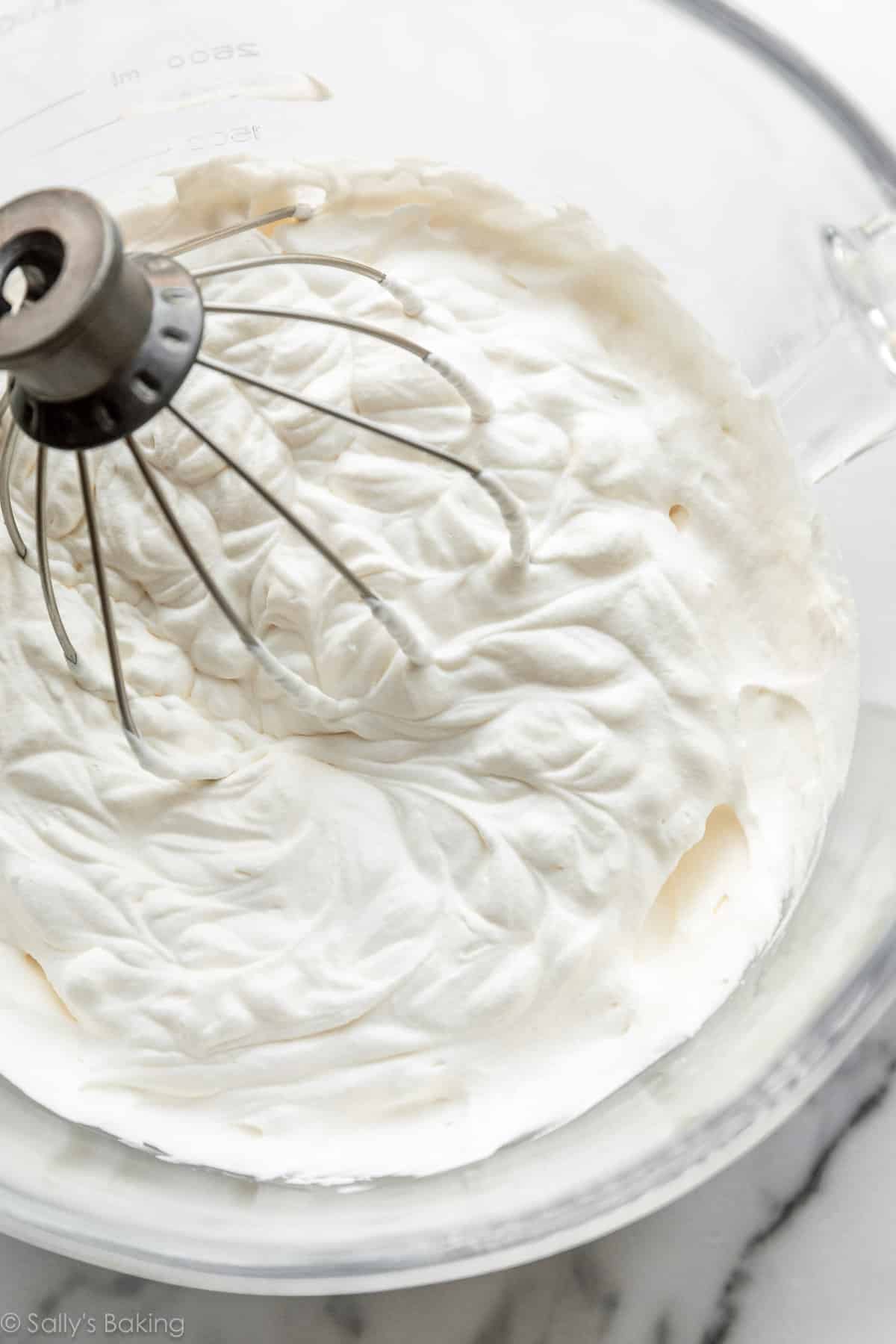
The magic of homemade whipped cream lies in its minimalist ingredient list: heavy cream, sugar, and vanilla extract. Each component, though simple, contributes significantly to the final product’s quality.
- Heavy Cream (or Heavy Whipping Cream): As previously discussed, the high milk fat content (36%+) is non-negotiable for achieving stable, voluminous whipped cream. Lighter alternatives like whipping cream (30% milk fat) may work but will result in a less stable product that deflates more quickly. Half-and-half or regular milk lack the necessary fat content and cannot be whipped into a stable foam. Consumers are advised to look for "heavy cream" or "heavy whipping cream" on product labels to ensure optimal results.
- Sweetener: The choice of sugar subtly influences both texture and flavor.
- Confectioners’ Sugar (Powdered Sugar): This is often the preferred choice for its fine texture, which dissolves easily and prevents any grittiness. Moreover, confectioners’ sugar typically contains a small amount of cornstarch, which acts as a mild stabilizer, helping the whipped cream hold its shape longer. This makes it ideal for piping or for applications where the whipped cream needs to maintain its form for extended periods.
- Granulated Sugar: While it can be used, especially in smaller quantities, larger batches may result in a slightly gritty texture if the sugar doesn’t fully dissolve. Its coarser crystals require more time to incorporate smoothly into the cream.
- Brown Sugar: For a nuanced, caramel-like flavor profile, brown sugar is an excellent alternative. It pairs exceptionally well with fall-themed desserts like pecan pie cheesecake or butterscotch pie, adding depth and warmth. Its slight molasses content can also contribute a subtle color.
- Vanilla Extract: A touch of vanilla extract is crucial for enhancing the cream’s natural sweetness and adding aromatic complexity. Pure vanilla extract is recommended for the best flavor, though other extracts (e.g., almond, peppermint) can be used to create flavored variations.
The French term crème chantilly specifically refers to sweetened whipped cream flavored with vanilla, distinguishing it from plain whipped cream and highlighting the importance of these three simple ingredients in creating this classic delicacy.
Crafting the Perfect Topping: A Step-by-Step Guide
Achieving perfectly whipped cream is straightforward with the right tools and technique. The process typically involves:
- Chilling Equipment: Begin by placing the mixing bowl (preferably metal or glass) and whisk attachments (from a stand mixer or hand mixer) in the freezer for 10-15 minutes. This ensures the cream stays cold throughout the whipping process.
- Combining Ingredients: Pour the very cold heavy cream into the chilled bowl. Add the chosen sugar (confectioners’ sugar is recommended for smoothness) and vanilla extract.
- Whipping: Start whipping on low speed to prevent splattering, gradually increasing to medium-high or high speed. The cream will thicken progressively.
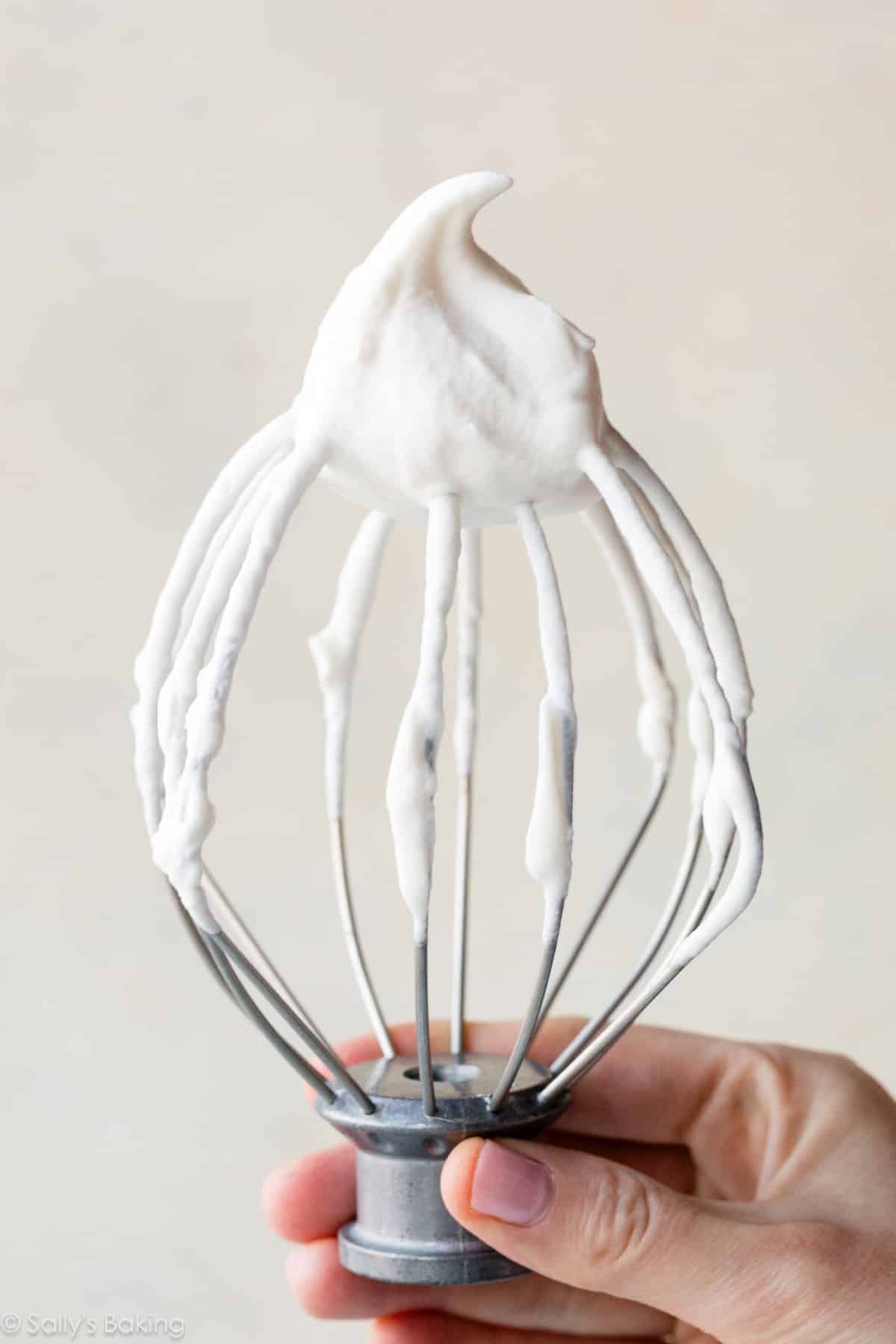
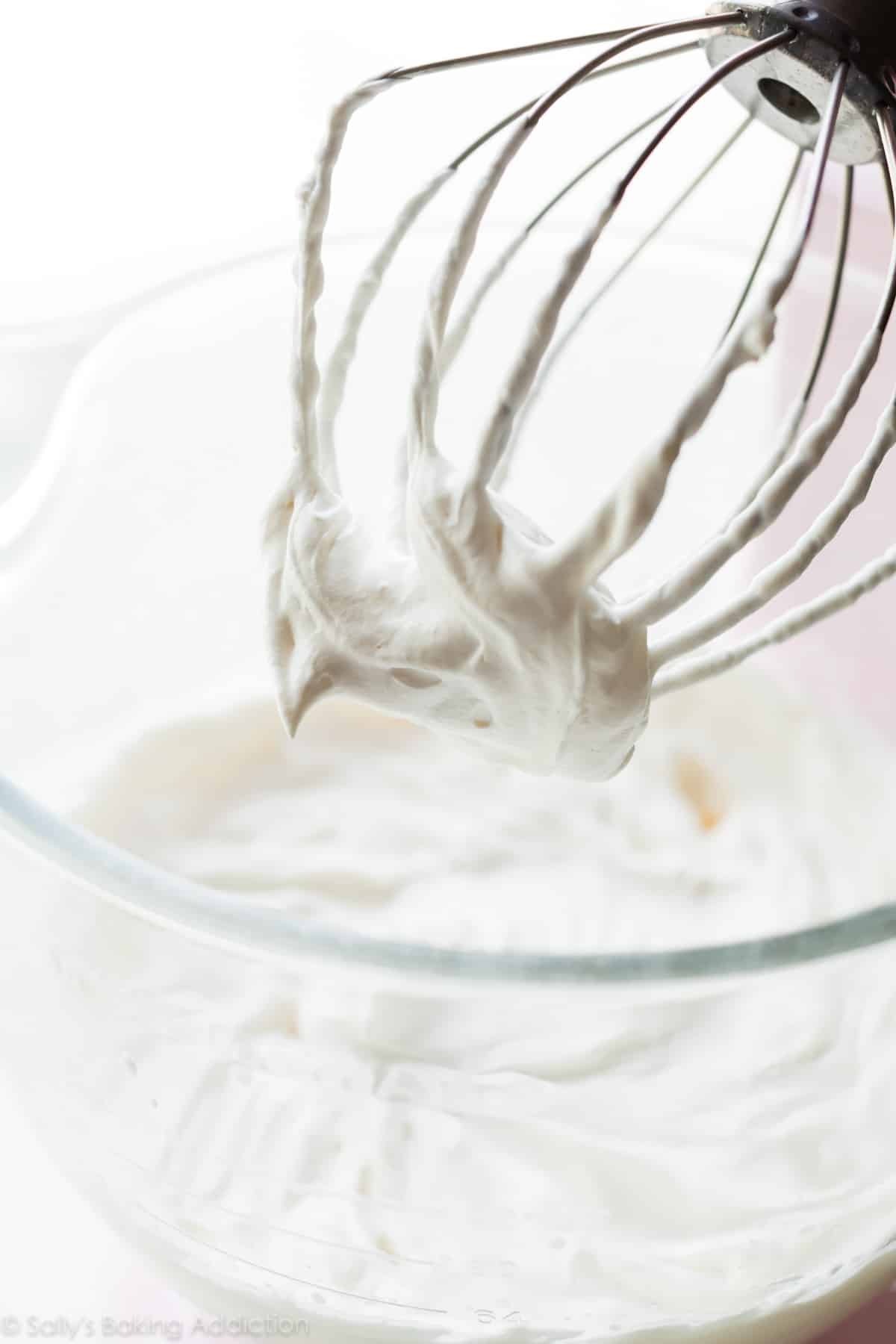
- Monitoring Consistency: Continue whipping until the cream reaches the desired consistency. For soft peaks, the cream will hold its shape but the tip will curl over. For medium peaks, the cream will hold its shape firmly, with a slight curl at the tip. For stiff peaks, the cream will stand upright without curling. It’s crucial to stop whipping as soon as the desired consistency is achieved to avoid over-mixing.
A video tutorial, often accompanying such recipes, can be invaluable for visual learners, demonstrating the subtle changes in cream consistency and providing practical tips for preventing common mistakes.
Beyond Basic Vanilla: Flavor Innovations
While classic vanilla whipped cream is universally adored, its versatility allows for endless flavor customization, transforming it into a bespoke topping for specific desserts. Culinary enthusiasts frequently experiment with various additions to complement different dishes:
- Spirited Whipped Cream: Incorporating a small amount of liquor, such as tequila and lime for mini margarita cheesecakes, or rum for tropical desserts, can add an unexpected kick.
- Fruity Enhancements: Pureed fruits or fruit essences can infuse a fresh, vibrant flavor. Strawberry whipped cream, for instance, pairs exquisitely with strawberry shortcake cupcakes, while a hint of orange zest can brighten a citrus-based dessert.
- Nutty Aromas: Almond extract offers a delicate, sophisticated flavor, perfect for berry icebox cakes or almond tortes.
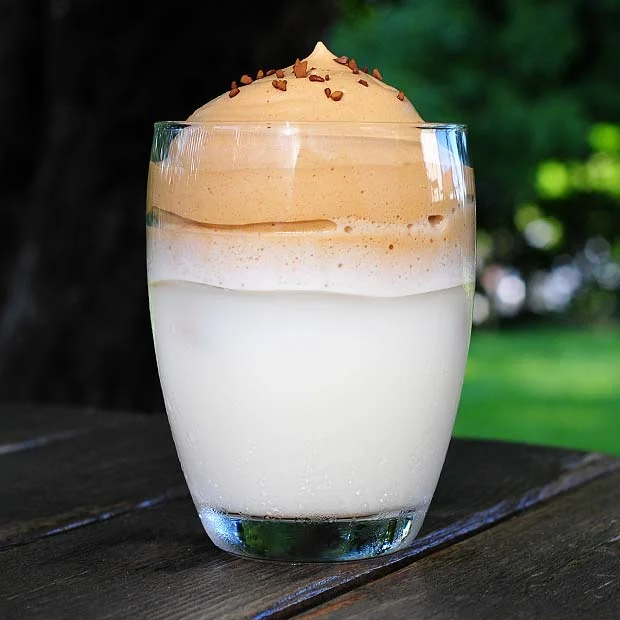
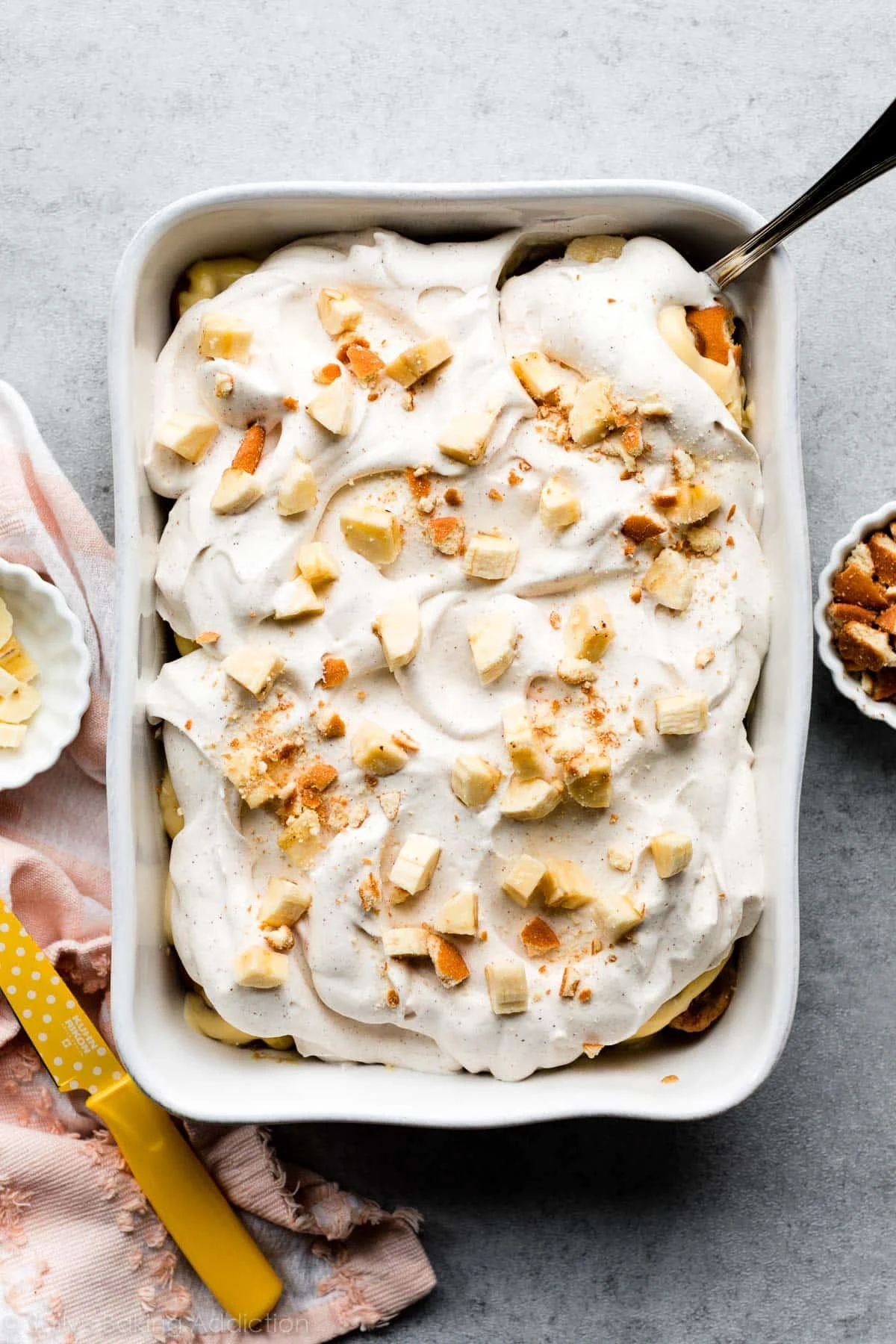
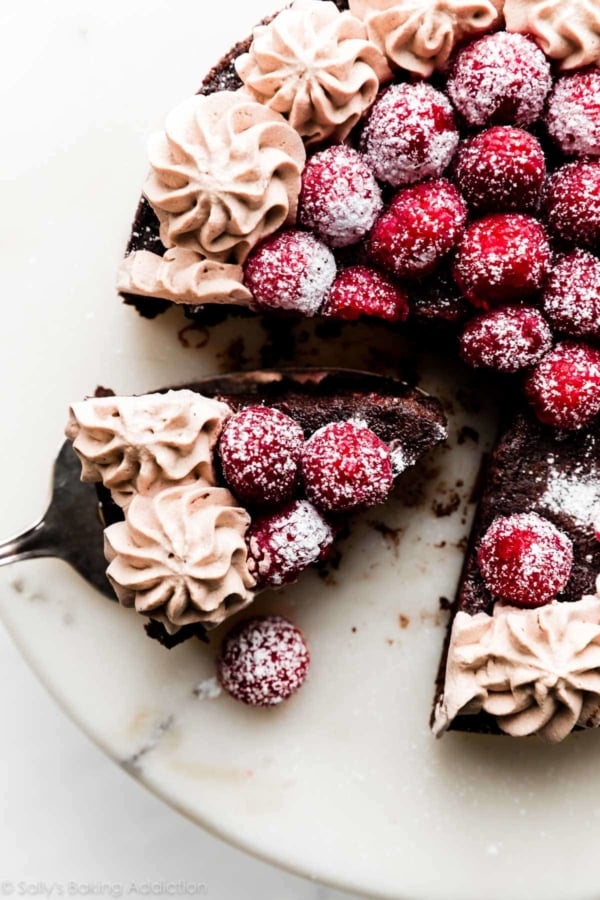
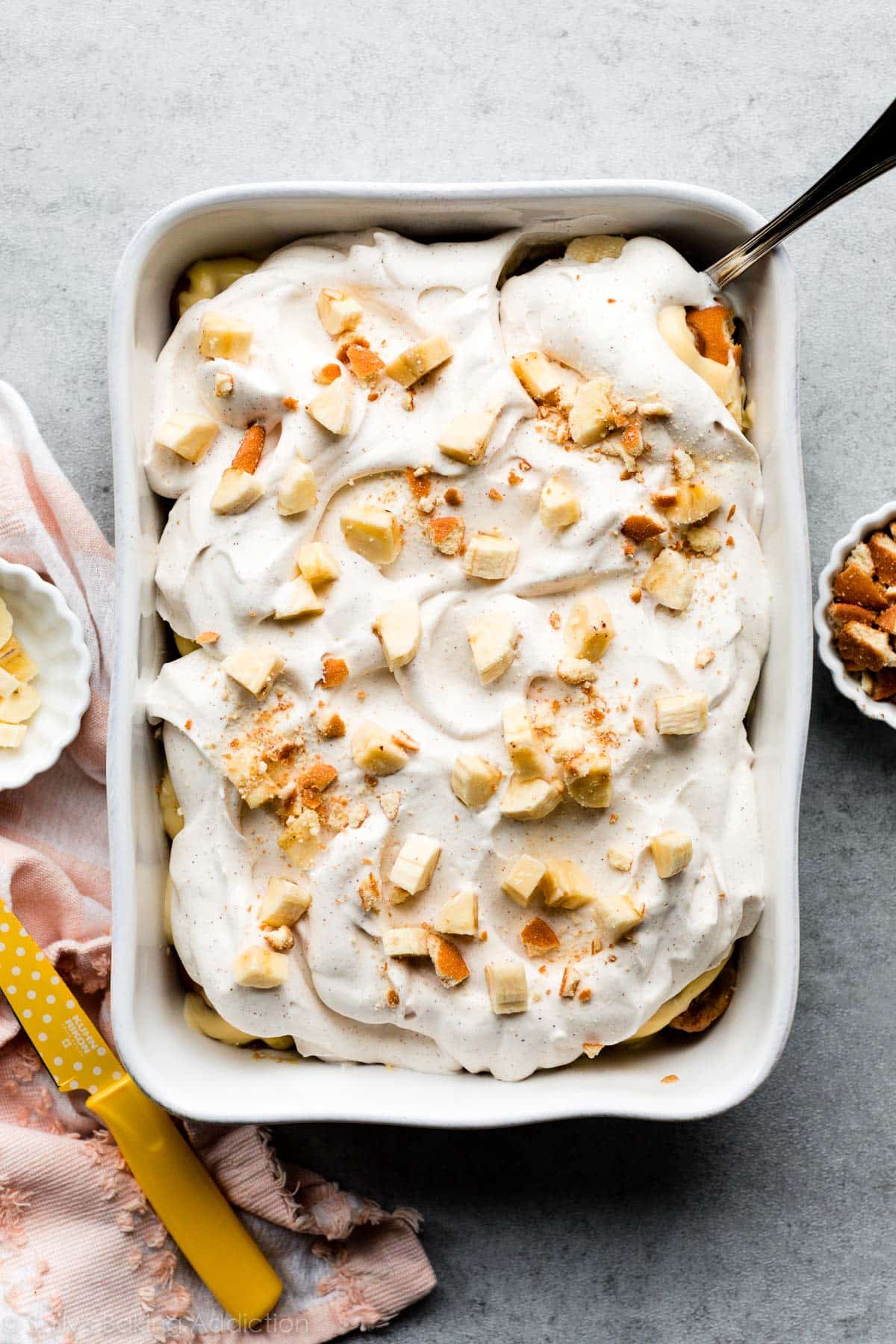
- Decadent Chocolate and Coffee: For rich, indulgent desserts, espresso powder and cocoa powder can create mocha-flavored whipped cream, ideal for flourless chocolate cakes or mocha chocolate pudding pies. A touch of cinnamon can elevate banana pudding or apple pie, providing a warm, comforting spice.
- Herbal and Floral Notes: Adventurous bakers might explore extracts like lavender or rosewater, or finely chopped fresh herbs like mint, to create unique, aromatic experiences, particularly for lighter, more delicate desserts.
The culinary website Serious Eats, for example, features extensive guides on how to make various flavored whipped creams, encouraging creativity and personalized touches in baking.
Troubleshooting and Stability: Mastering the Art
Even with simple recipes, minor missteps can occur. One common issue is over-whipping, which results in a curdled, heavy texture resembling butter rather than a light, airy topping. Fortunately, this can often be salvaged by gently folding in a small amount of additional cold liquid heavy cream by hand with a spatula until the desired smooth consistency is restored.
For applications requiring enhanced stability, such as piping intricate designs or frosting layered cakes, optional stabilizers can be incorporated. A small amount of unflavored gelatin, cornstarch, or even cream of tartar can significantly increase the whipped cream’s structural integrity, allowing it to hold its shape longer without weeping or deflating. Recipes for "whipped frosting" often include these elements to create a more robust topping suitable for more elaborate confectionary work.
Homemade vs. Store-Bought: A Quality Comparison
The stark difference between homemade whipped cream and its store-bought counterparts, whether from a frozen tub (like Cool Whip) or a pressurized can, is undeniable. Homemade whipped cream, made from pure heavy cream, sugar, and vanilla, boasts a clean, rich dairy flavor and a genuinely light, airy, and melt-in-your-mouth texture. It lacks the artificial aftertaste and often gummy consistency that can plague commercial products.
Store-bought whipped toppings frequently contain a long list of ingredients, including high-fructose corn syrup, hydrogenated oils, artificial flavors, and various emulsifiers and stabilizers (such as polysorbate 60, mono- and diglycerides, and sodium caseinate). While these ingredients contribute to extended shelf life and consistent texture in manufacturing, they often compromise the natural flavor and delicate mouthfeel. A direct comparison reveals homemade whipped cream’s superior sensory profile, making it a preferred choice for discerning palates. Furthermore, homemade cream allows for complete control over sugar content and ingredient quality, aligning with growing consumer preferences for natural and less processed foods.
Versatility in Application: A Dessert’s Best Friend
The applications for homemade whipped cream are virtually limitless, making it an indispensable component in the dessert repertoire. Its ability to complement both rich and light dishes is remarkable.

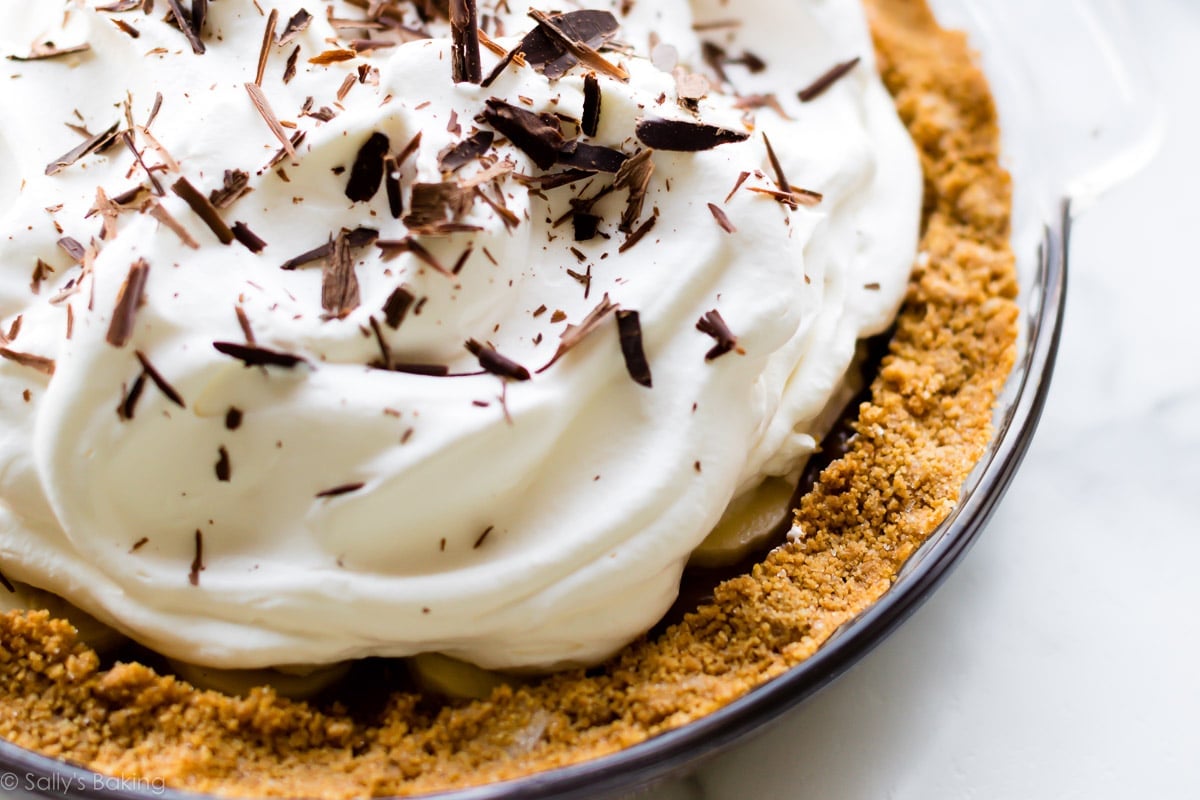
- Pies and Tarts: From classic apple pie and pumpkin pie to pecan pie cheesecake and key lime pie, a generous dollop of whipped cream provides a creamy counterpoint to the filling.
- Cakes and Cupcakes: It serves as a lighter alternative to traditional buttercream frostings, perfect for lemon cake, strawberry shortcake cupcakes, or flourless chocolate cake.
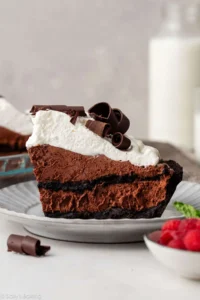
- Puddings and Trifles: Layered into banana pudding, chocolate pudding pie, or berry trifles, whipped cream adds a delightful airiness and creamy texture.
- Breakfast and Brunch Items: Elevate waffles, pancakes, and French toast with a swirl of fresh whipped cream and berries.
- Fruits: Simple bowls of fresh berries (strawberries, blueberries, raspberries) are transformed into elegant desserts with a cloud of whipped cream.
- Beverages: Hot chocolate, milkshakes, and coffee drinks benefit immensely from a fresh, creamy topping.
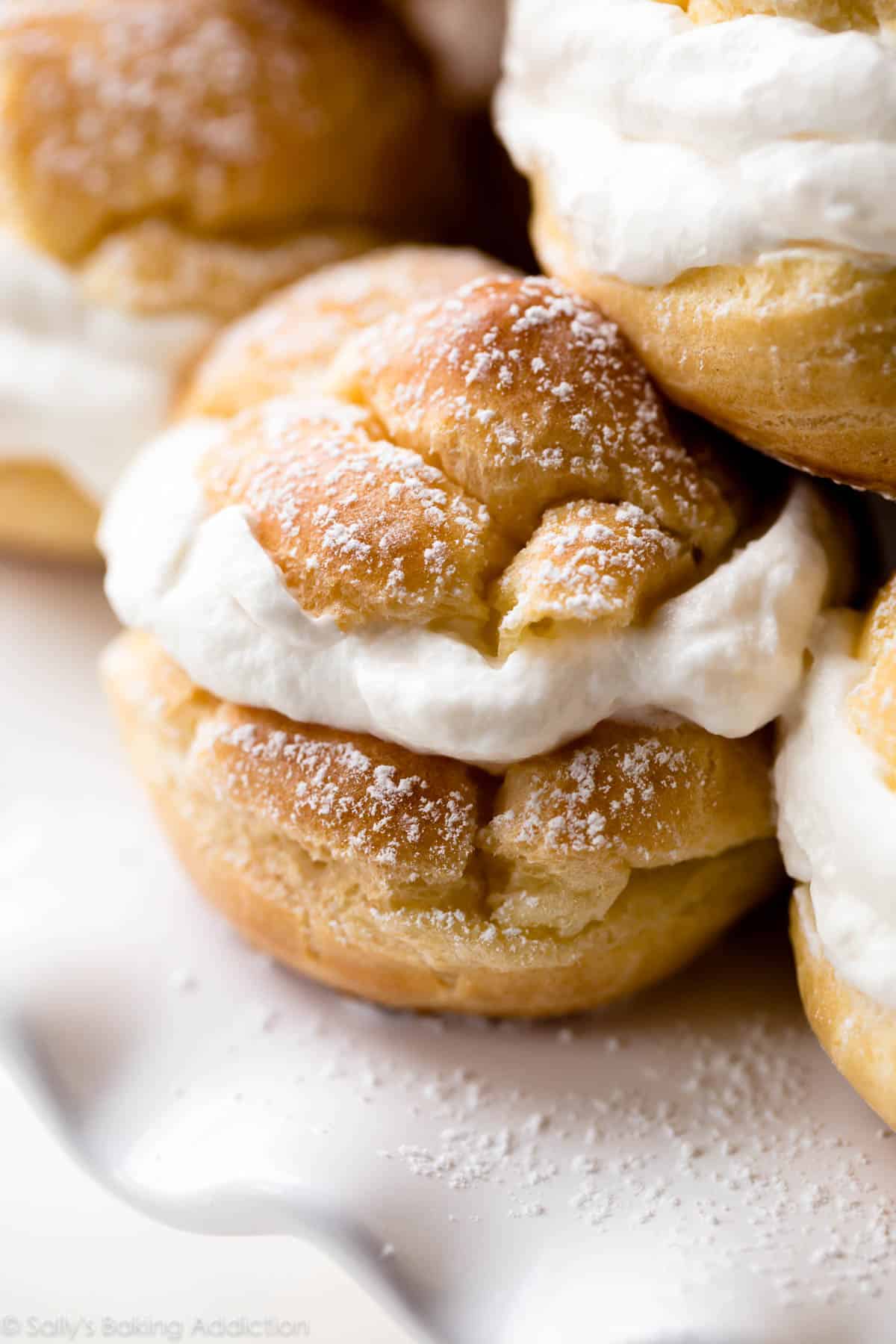
- Specialty Desserts: Cream puffs, éclairs, ice cream cakes, and crepes all find their perfect partner in homemade whipped cream.
One particularly striking example is its pairing with lemon cheesecake, where the tartness of the lemon curd is beautifully balanced by the sweet, airy cream, creating a harmonious flavor experience. The sheer breadth of its utility underscores why mastering this simple recipe is a foundational skill for any home baker.
Practical Considerations: Storage and Substitutions
For convenience, homemade whipped cream can be prepared in advance. It is best enjoyed fresh, but it can be stored in an airtight container in the refrigerator for up to 24 hours. If it loses some of its volume during storage, a gentle whisk by hand for a few seconds can often restore its fluffiness.
Freezing whipped cream is also an option. It can be stored in a freezer-safe container for up to three months. Alternatively, piping or dolloping individual portions onto a parchment-lined baking sheet and freezing them until solid before transferring to a freezer bag makes for convenient single servings, perfect for topping hot beverages or individual desserts.
Regarding substitutions, it is crucial to reiterate that only heavy cream or heavy whipping cream possess the necessary fat content to achieve a stable whipped product. Half-and-half, milk, or non-dairy milks (unless specifically formulated for whipping) will not yield satisfactory results. While there are commercially available non-dairy whipped toppings, they differ significantly in composition and texture from traditional dairy whipped cream.
Broader Implications: The Return to Scratch Baking
The enduring popularity of homemade whipped cream, evidenced by its widespread inclusion in cookbooks like Sally’s Baking 101 and consistent positive reader feedback, reflects a broader cultural trend: a renewed appreciation for scratch baking and fresh ingredients. In an era dominated by convenience foods, the act of preparing something as simple yet exquisite as whipped cream from scratch offers a tangible connection to traditional culinary arts. It empowers individuals to control the quality and nutritional content of their food, avoiding artificial additives and excessive sugars often found in processed alternatives. This shift not only benefits personal health but also supports local dairy farmers and ingredient suppliers who prioritize quality.
From a sustainability perspective, choosing to make whipped cream at home can reduce packaging waste associated with aerosol cans and plastic tubs. Furthermore, the psychological satisfaction derived from creating a delicious topping with one’s own hands, enhancing the enjoyment of a meal, cannot be underestimated. It transforms an ordinary dessert into a culinary masterpiece, fostering a sense of accomplishment and culinary confidence.
In conclusion, homemade whipped cream, a deceptively simple preparation, continues to hold a revered place in the culinary world. Its historical significance, the scientific precision behind its creation, and its unparalleled versatility and superior taste profile make it an indispensable element for elevating countless desserts. As consumers increasingly seek authenticity and quality in their food, the art of making fresh, billowy whipped cream from scratch remains a cherished skill, promising to delight palates and enhance dining experiences for generations to come.