
The Evolution of Home Preservation and the Low-Sugar Movement
For decades, the standard ratio for fruit preserves followed a strict formula of nearly equal parts fruit and sugar. This was not merely a matter of taste but a chemical necessity; high-methoxyl pectin requires a sugar concentration of 55% to 85% and a specific acidity level to form a gel matrix. However, as the medical community began to highlight the links between high sugar consumption and metabolic disorders, the demand for "low-sugar" and "sugar-free" alternatives surged.
The introduction of low-methoxyl (LM) pectin, specifically the variety popularized by Pomona’s Universal Pectin, changed the landscape for home canners. This pectin is activated by calcium—included in the packaging as a separate powder to be dissolved in water—rather than sugar. Consequently, home cooks can now use honey, maple syrup, concentrated fruit juice, or non-nutritive sweeteners like stevia and erythritol to achieve the desired consistency without the caloric load or glycemic impact of traditional sucrose.
Raspberry Production and Seasonal Availability
Raspberries (Rubus idaeus) are a high-value crop in the home garden and commercial market, known for their delicate structure and rapid perishability. Because raspberries have a very short shelf life—often lasting only two to three days after harvest—preservation through canning is an essential strategy for reducing food waste.
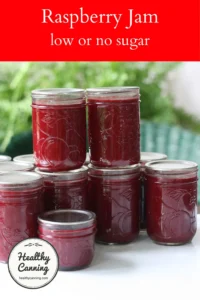
The recipe provided is highly versatile, accommodating both fresh-picked berries and frozen stocks. This flexibility is vital for home preservers who may experience a "glut" of fruit during the peak summer months or for those who prefer to process smaller batches throughout the winter using frozen inventory. In terms of preparation, the option to strain seeds addresses a common preference in gourmet canning; while the seeds are edible and contain fiber, removing them results in a smoother, more refined "jelly-like" jam that is often preferred for desserts and pastry fillings.
Technical Specifications and Procedural Standards
The process of canning raspberry jam with Pomona pectin requires adherence to specific scientific protocols to ensure both product quality and microbiological safety. The recipe is calibrated for 125 ml (4 oz) or 250 ml (8 oz) jars, which are the industry standard for high-acid fruit spreads.
Preparation and Ingredient Synergy
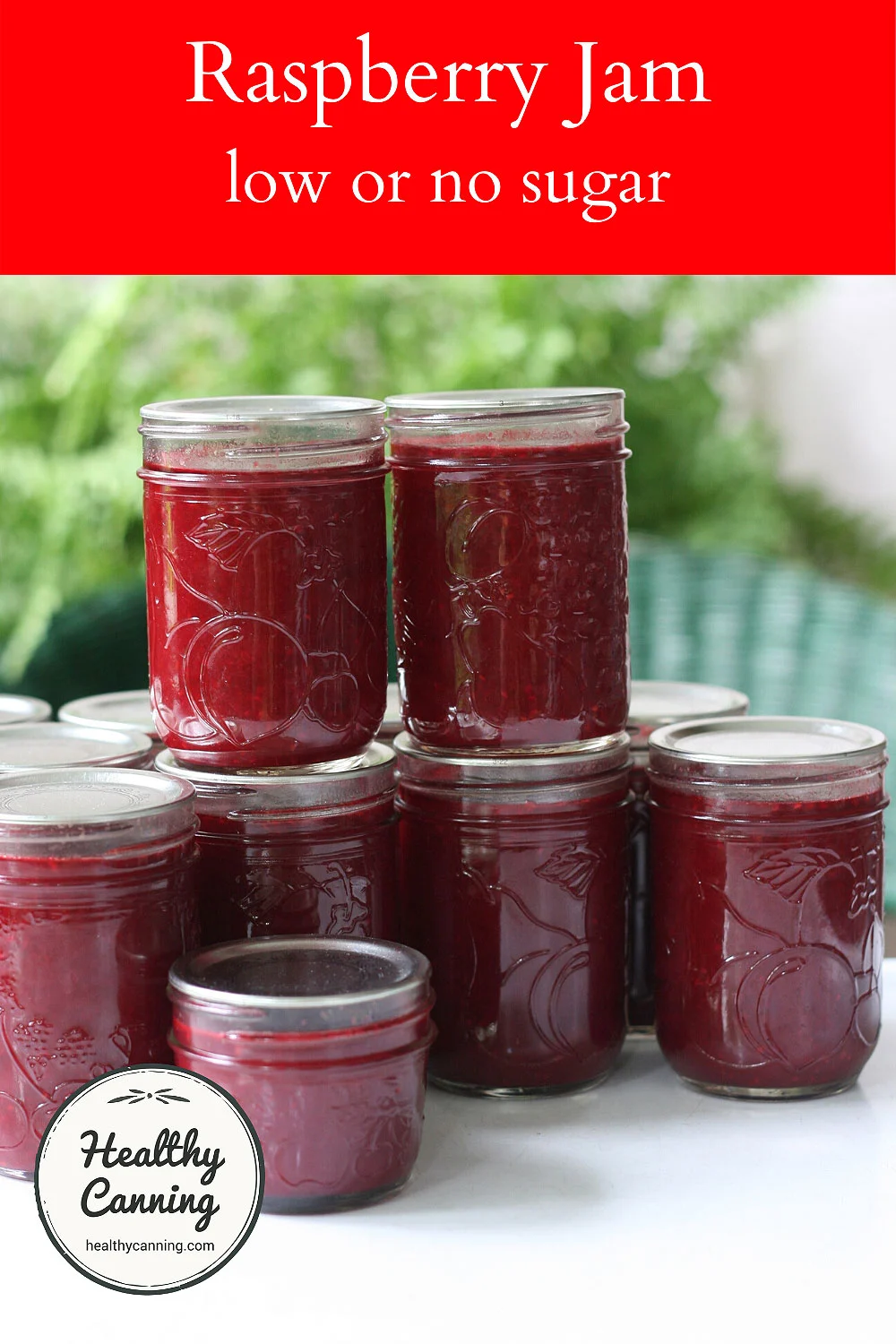
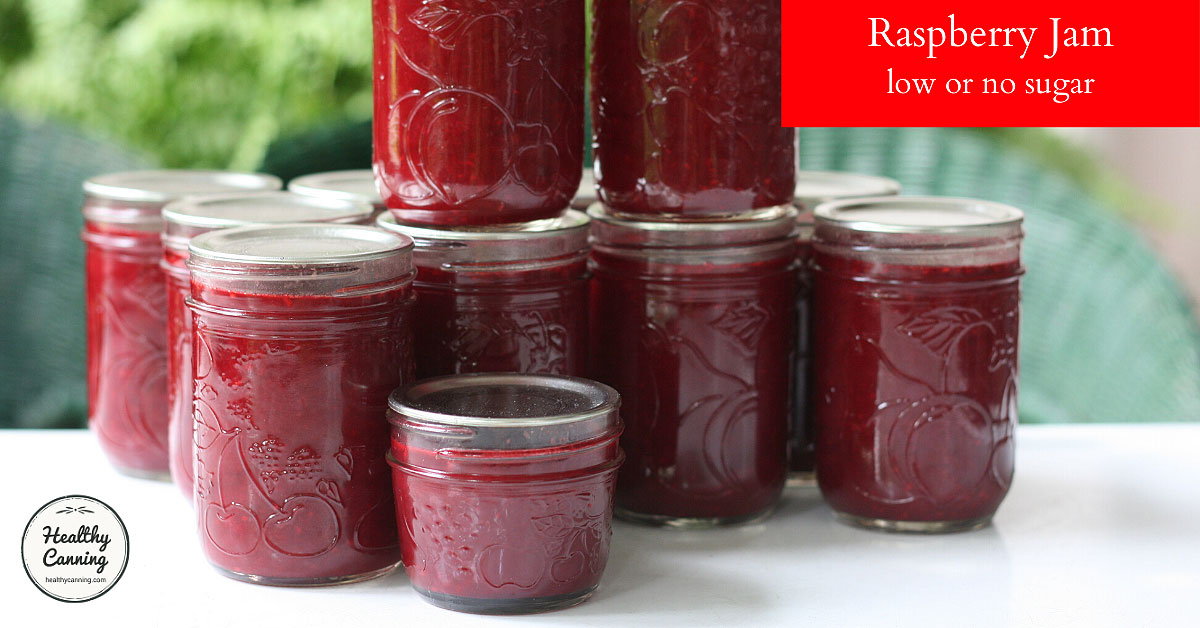
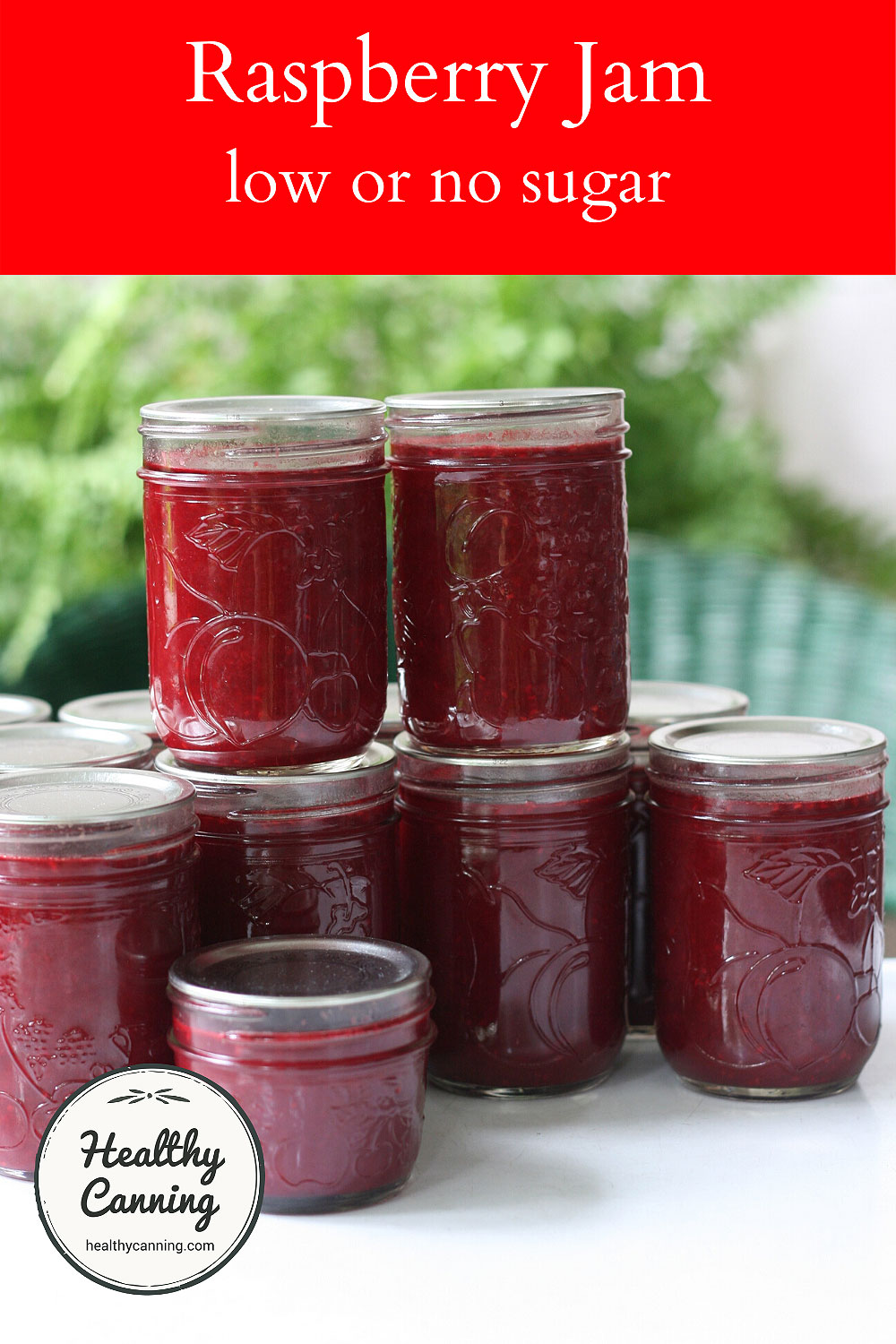
The core of the recipe involves four quarter-litre jars, a manageable yield for small-batch canning. The total preparation time is approximately 15 minutes, with a cooking time of 20 minutes. The nutritional profile of the jam varies significantly based on the sweetener chosen. Using standard sugar, a single tablespoon contains approximately 21 calories. In contrast, using a granulated alternative like Splenda reduces the caloric count to 10 calories and the carbohydrate load to a mere 2 grams per tablespoon.
The Role of Calcium Water
A unique step in this process is the addition of calcium water. Because raspberries are naturally acidic but low in calcium, the supplemental calcium water provides the ions necessary to "cross-link" the pectin molecules. This creates a stable gel that does not weep or break down over time.
Processing Methods: Water Bath vs. Steam Canning
Modern canning guidelines, supported by research from the National Center for Home Food Preservation (NCHFP), allow for two primary processing methods:
- Water Bath Canning: The traditional method where jars are fully submerged in boiling water.
- Steam Canning: An increasingly popular method that uses a small amount of water at the base of the pot to create a steam environment. This method is often faster and uses less energy than a full water bath.
Both methods require a processing time of 10 minutes, though this must be adjusted based on the canner’s altitude. Failure to adjust for altitude can result in under-processing, as the boiling point of water decreases at higher elevations, potentially leaving pathogens active.
Chronology of the Canning Process
The successful preservation of raspberry jam follows a strict chronological sequence designed to maintain the integrity of the fruit while ensuring a vacuum seal.
- Sanitization: Jars and lids are cleaned and kept warm to prevent thermal shock when filled with hot jam.
- Fruit Preparation: Raspberries are mashed or strained. If using frozen berries, they are thawed but the juices are retained.
- The Sweetener-Pectin Mix: Unlike traditional recipes where pectin is added to the fruit first, Pomona pectin is often mixed directly into the dry sweetener. This prevents the pectin from clumping upon contact with the hot fruit.
- The Boil: The fruit, calcium water, and lemon juice (if required for acidity) are brought to a boil. The pectin-sweetener mixture is then stirred in, and the jam is brought back to a full boil for one to two minutes.
- Filling and Headspace: The hot jam is ladled into jars, leaving exactly 1 cm (1/4 inch) of headspace. This gap is crucial for the expansion of the product during boiling and the subsequent creation of a vacuum seal during cooling.
- Thermal Processing: The jars are placed in the canner and processed for 10 minutes (adjusted for altitude).
- Cooling and Verification: Jars are removed and left undisturbed for 12 to 24 hours. The "ping" sound of the lids signifies a successful seal.
Safety and Quality Control in Home Canning
Food safety experts emphasize that while raspberries are a high-acid fruit—making them naturally resistant to certain bacteria like Clostridium botulinum—proper processing is still mandatory. The addition of citric acid or ascorbic acid is sometimes recommended to maintain the vibrant red color of the berries, which can darken over time due to oxidation.
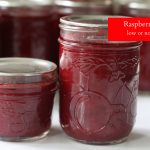
The shelf life of home-canned goods is generally cited as one year for peak quality. Beyond twelve months, the jam remains safe to eat if the seal is intact, though there may be changes in texture, color, and vitamin C content. The absence of high sugar concentrations in this specific recipe means that once a jar is opened, it must be stored in the refrigerator and consumed more quickly than traditional jams, as sugar acts as a preservative against mold growth in opened containers.
Market Implications and Consumer Trends
The rise of recipes like Raspberry Jam with Pomona Pectin reflects a broader shift in consumer behavior toward "food sovereignty" and DIY nutrition. Market analysts have noted a significant uptick in the sales of canning supplies since 2020, driven by concerns over supply chain stability and a desire for "clean label" foods.
By canning at home, consumers bypass the preservatives, high-fructose corn syrup, and artificial dyes often found in commercial jams. Furthermore, the ability to customize the sweetener allows individuals with diabetes or those following ketogenic diets to enjoy fruit preserves that were previously inaccessible to them.
Conclusion and Future Outlook
The methodology for creating low-sugar raspberry jam is a testament to the evolution of culinary science. By understanding the chemical relationship between calcium and low-methoxyl pectin, the home canner can produce a superior product that prioritizes health without sacrificing the sensory experience of a classic preserve. As the global community continues to grapple with the health implications of the modern diet, these techniques provide a practical pathway for individuals to take control of their food supply, one jar at a time. The integration of traditional boiling-water methods with modern pectin technology ensures that the art of canning remains relevant, safe, and delicious for future generations.