
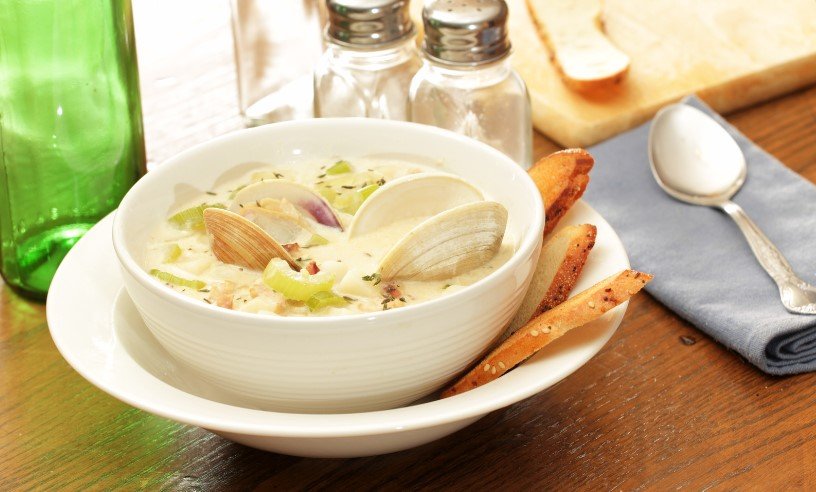
Finding the ideal accompaniment to a robust and flavorful dish like clam chowder can be a culinary challenge, particularly when aiming for a side that can stand its ground against such a rich profile. Whether you’re preparing a creamy New England style or a robust Manhattan style clam chowder, a thoughtfully chosen side dish can transform a delicious meal into an unforgettable culinary event. This guide explores seven exquisite options, each designed to complement the unique characteristics of clam chowder, ensuring a harmonious and satisfying dining experience for families and guests alike.
The evolution of clam chowder as a beloved dish spans centuries, with its origins deeply rooted in the coastal communities of North America. Early settlers likely adapted European fish stews, incorporating the abundant clams found along the Atlantic seaboard. The distinct variations, New England and Manhattan, emerged as regional preferences and available ingredients shaped their development. New England style, characterized by its creamy, milk- or cream-based broth and the inclusion of potatoes and salt pork, gained prominence in the northeastern United States. Conversely, Manhattan style, with its tomato-based broth and a medley of vegetables, developed in the bustling metropolis of New York City, reflecting a different culinary philosophy. The choice of side dish often mirrors these regional preferences, aiming to either enhance the richness of the creamy style or balance the tanginess of the tomato-based version.
1. Fluffy Cheddar Biscuits: The Ultimate Dipping Companion
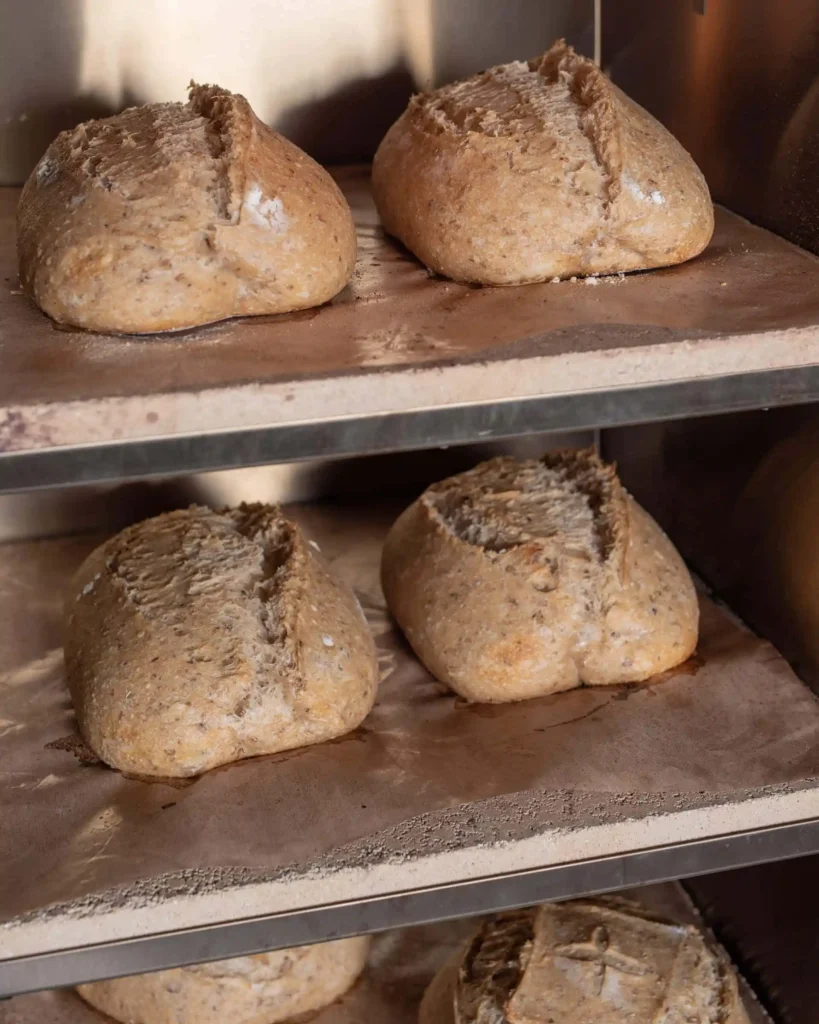
For many, the quintessential clam chowder experience involves a vehicle for soaking up every last drop of that flavorful broth. Mouth-watering cheddar biscuits offer precisely that. Their tender, crumbly texture makes them exceptionally dippable, providing a delightful contrast to the soup’s creamy or hearty consistency. The savory notes of cheddar cheese woven into the biscuit dough further enhance the overall flavor profile, creating a harmonious pairing that works equally well with both New England and Manhattan styles. The ease of preparation for these biscuits is a significant advantage, allowing home cooks to impress their guests with minimal effort. This classic pairing has stood the test of time, often appearing on menus in coastal diners and upscale restaurants alike, underscoring its enduring appeal.
The science behind a good biscuit lies in the careful balance of fat and flour, creating flakiness through layers of dough separated by pockets of butter or shortening. When baked, these pockets melt, leaving behind a light and airy texture that readily absorbs liquids. The addition of cheddar cheese not only adds a savory depth but also contributes to a slightly crispier exterior and a richer crumb. Recipes for such biscuits often emphasize minimal handling of the dough to prevent gluten development, which can lead to tough biscuits. The process typically involves cutting cold fat into the flour, then gently folding in the liquid ingredients, followed by a brief baking time. The result is a side that is both comforting and incredibly functional, serving as the perfect edible spoon for a bowl of chowder.
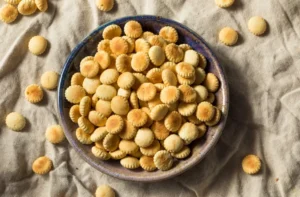
2. Seasoned Oyster Crackers: A Classic Crunchy Counterpoint
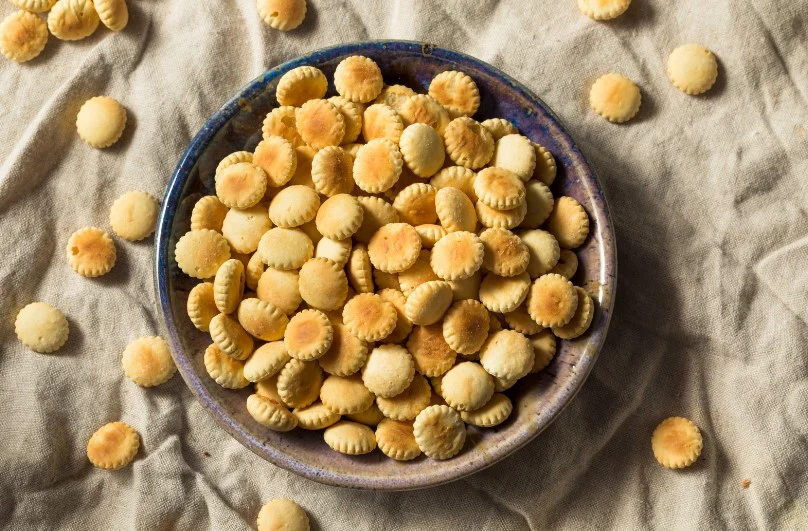
Oyster crackers are an iconic accompaniment to clam chowder, so much so that their absence might feel like a missed opportunity for some. These small, oyster-shaped crackers offer a satisfying crunch that provides a welcome textural contrast to the soup’s often soft ingredients. Their inherent simplicity makes them an easy addition, whether purchased from a store or made from scratch. The homemade route, however, allows for an elevated experience. Seasoning oyster crackers can transform them from a mere garnish into a flavorful component of the meal. A simple blend of salt and pepper is traditional, but venturing into more complex seasonings, such as garlic powder, onion powder, or even a packet of ranch seasoning, can add layers of flavor that complement the chowder. This adaptability makes seasoned oyster crackers a versatile choice for any chowder enthusiast.

The history of oyster crackers is intertwined with the rise of packaged goods and the burgeoning popularity of soups and chowders in the late 19th and early 20th centuries. Developed as a readily available and shelf-stable accompaniment, they quickly became a staple. Their mild flavor profile is designed not to overpower the soup but rather to enhance it. When homemade, the key to exceptional seasoned oyster crackers lies in the seasoning blend and the baking process. A light coating of oil or melted butter ensures that the seasonings adhere properly, and a moderate baking temperature helps achieve a crisp texture without burning. The ability to customize the flavor profile—from a subtle herb infusion to a zesty spice blend—allows for a personalized touch that can significantly impact the overall dining experience.
3. Hearty Potato Wedges: A Filling and Versatile Choice
Potato wedges offer a substantial and satisfying side that can easily hold its own alongside a hearty bowl of clam chowder. Their versatility lies in their preparation and seasoning. Whether baked until crispy or fried to golden perfection, potato wedges provide a robust starch component that rounds out the meal. They can be enjoyed simply with salt and pepper, or dressed up with a medley of herbs and spices to introduce additional layers of flavor. The ability to dunk them into the chowder, much like biscuits, adds another dimension of enjoyment. This makes them a crowd-pleasing option that appeals to a wide range of palates, and they are particularly well-suited to balancing the richness of creamy chowders or complementing the acidity of tomato-based varieties.
The potato, a staple crop worldwide, has a long history of being prepared in myriad ways. Potato wedges, characterized by their thick-cut shape, offer a pleasing contrast in texture—a crisp exterior yielding to a fluffy interior. Baking them often involves tossing them with olive oil and seasonings before roasting at a high temperature to achieve that desirable crispness. For those seeking an even more decadent experience, frying offers a richer flavor and crispier finish. The choice of seasoning is crucial; garlic, paprika, rosemary, and thyme are just a few examples that can elevate the humble potato wedge into a culinary star. When paired with clam chowder, they provide a grounding element that ensures the meal is both comforting and complete.

4. Honey Beer Bread: A Sweet and Savory Symphony
The unexpected pairing of honey beer bread with clam chowder offers a delightful culinary exploration. The subtle sweetness of honey, combined with the warm, malty notes of beer, creates a complex flavor profile that beautifully counterbalances the briny, savory essence of clams. This combination is particularly striking with Manhattan-style clam chowder, where the tomato base can benefit from the bread’s slight sweetness. However, its appeal extends to all varieties of clam chowder, offering a unique and memorable taste experience. The simplicity of preparing honey beer bread—often a "quick bread" that requires minimal proofing time—belies its impressive flavor. Served warm with a pat of butter, it transforms a simple soup into a gourmet meal.
Beer bread, a category of quick breads that uses beer as the primary liquid leavening agent, has gained popularity for its ease of preparation and distinctive flavor. The carbonation in beer helps to activate the baking soda or baking powder, contributing to a lighter crumb, while the malt and hops impart subtle nuances. The addition of honey not only adds sweetness but also contributes to a moist texture and a beautiful golden-brown crust. Recipes typically involve mixing dry ingredients with a can of beer and a sweetener, then baking until golden. The resulting bread is moist, slightly dense, and possesses a unique flavor profile that makes it an exceptional partner for rich and savory dishes like clam chowder. Its relatively short preparation time makes it an ideal last-minute addition to a meal.
5. Broccoli Bacon Salad: A Fresh and Flavorful Contrast
For those seeking a lighter yet equally flavorful accompaniment, a broccoli bacon salad emerges as an excellent choice, particularly for creamy New England style clam chowder. The crisp, fresh texture of raw or lightly blanched broccoli provides a refreshing counterpoint to the chowder’s richness. The inclusion of bacon, a universally loved ingredient, introduces a salty, smoky crunch that harmonizes beautifully with the oceanic notes of the clams. This salad expertly balances complementary flavors and contrasting textures, elevating the entire meal. The dressing, often a creamy vinaigrette or a mayonnaise-based sauce, binds the ingredients together and adds another layer of deliciousness.

The appeal of broccoli bacon salad lies in its ability to offer a balanced nutritional profile while remaining undeniably delicious. Broccoli, a cruciferous powerhouse, is packed with vitamins and fiber, providing a healthy foundation. The addition of bacon, while indulgent, offers a savory depth that makes the salad irresistible. Other common additions include red onion for a bit of sharpness, dried cranberries or raisins for a touch of sweetness, and sunflower seeds or almonds for added crunch. The dressing is key to tying all these elements together; a tangy poppy seed dressing or a creamy, slightly sweet dressing can perfectly complement the other ingredients. This salad provides a vibrant and satisfying side that cuts through the richness of the chowder, creating a well-rounded and enjoyable dining experience.
6. Grilled Cheese Sandwich: A Timeless Comfort Pairing
The classic pairing of a grilled cheese sandwich with soup is a testament to its enduring appeal, and clam chowder is no exception. The comforting warmth of a melty, gooey grilled cheese, especially when dipped into a piping hot bowl of chowder, offers an unparalleled sense of comfort and satisfaction. This pairing is remarkably adaptable, working seamlessly with both New England and Manhattan styles. The hearty bread, such as sourdough, can stand up to the thick, creamy texture of New England chowder, while the tangy tomato base of Manhattan chowder finds a perfect partner in the rich, cheesy goodness of a grilled cheese. The versatility of the grilled cheese sandwich, with endless possibilities for bread, cheese, and additional fillings, ensures that it can be tailored to individual preferences, making it a reliable and beloved side.
The grilled cheese sandwich, a seemingly simple creation, has a rich culinary history and has evolved into an art form for many. Its origins can be traced back to the early 20th century with the advent of processed cheese and sliced bread. However, its popularity surged during World War II when American soldiers were issued processed cheese and bread. Post-war, it became a staple in American households, often served as a quick and easy meal. The key to a perfect grilled cheese lies in the quality of the bread, the type of cheese, and the method of grilling. A good buttered bread, toasted to golden perfection, encases a generous amount of melting cheese, creating a symphony of textures and flavors. When paired with clam chowder, it provides a substantial and satisfying element that transforms a bowl of soup into a complete and comforting meal.

7. Sheet Pan Roasted Vegetables: A Lighter, Healthier Alternative
For those seeking a lighter, healthier option to complement their clam chowder, sheet pan roasted vegetables offer a versatile, economical, and straightforward solution. The beauty of this dish lies in its simplicity and adaptability. By chopping a selection of fresh vegetables, tossing them with olive oil and seasonings, and roasting them until caramelized and tender, a flavorful and visually appealing side is created. This method enhances the natural sweetness of the vegetables, bringing out their best flavors. A wide array of vegetables can be utilized, including zucchini, summer squash, broccoli, carrots, potatoes, bell peppers, and onions, each contributing its unique texture and taste to the ensemble. Roasted vegetables provide a fresh, vibrant contrast to the richness of clam chowder, offering a balanced and nutritious addition to the meal.
The technique of roasting vegetables at high temperatures is a culinary cornerstone that unlocks deep, complex flavors through caramelization. This process, known as the Maillard reaction, creates a desirable browning on the surface of the vegetables, imparting a slightly sweet and nutty character. The dry heat of the oven concentrates their natural sugars, intensifying their taste. The choice of vegetables is often dictated by seasonality and personal preference, allowing for endless variations. Root vegetables like carrots and potatoes benefit from roasting, becoming tender and slightly sweet, while cruciferous vegetables such as broccoli and cauliflower develop a delightful char. Herbs like rosemary and thyme, along with garlic and onion, are classic additions that further enhance the roasted vegetable medley. This approach offers a simple yet elegant way to incorporate more vegetables into the diet while ensuring a delicious accompaniment to any meal.
Frequently Asked Questions About Chowder Pairings
What sides go with chowder?
Bread, in its various forms, is a classic companion to rich and creamy chowders, offering a perfect vehicle for soaking up the flavorful broth. For those seeking lighter fare, a crisp green salad provides a refreshing contrast. The key is to select a side that either complements the chowder’s texture and flavor or provides a balancing element.

What salad goes well with clam chowder?
Salads that incorporate ingredients that echo or contrast with the chowder’s components tend to be most successful. Bacon, with its salty and smoky notes, is a natural partner for clam chowder, so any salad featuring bacon bits, such as a BLT-inspired salad or a Cobb salad variation, would be a delicious choice. Fresh, crisp greens and a tangy dressing can cut through the richness of the chowder, creating a balanced meal.
What to drink with clam chowder?
The beverage choice can significantly enhance the dining experience. For a New England style clam chowder, a buttery Chardonnay is often recommended. Its rich body can stand up to the creamy texture of the chowder, while its acidity provides a balancing counterpoint to the dish’s inherent richness. For Manhattan style, with its tomato base, a crisp Sauvignon Blanc or even a light-bodied Pinot Noir could be considered, depending on the intensity of the tomato flavor. Craft beers, such as a crisp lager or a slightly hoppy pale ale, can also serve as excellent pairings for both styles.